
Bernese Mountain Dog Lifespan: Why It’s Short and How to Help
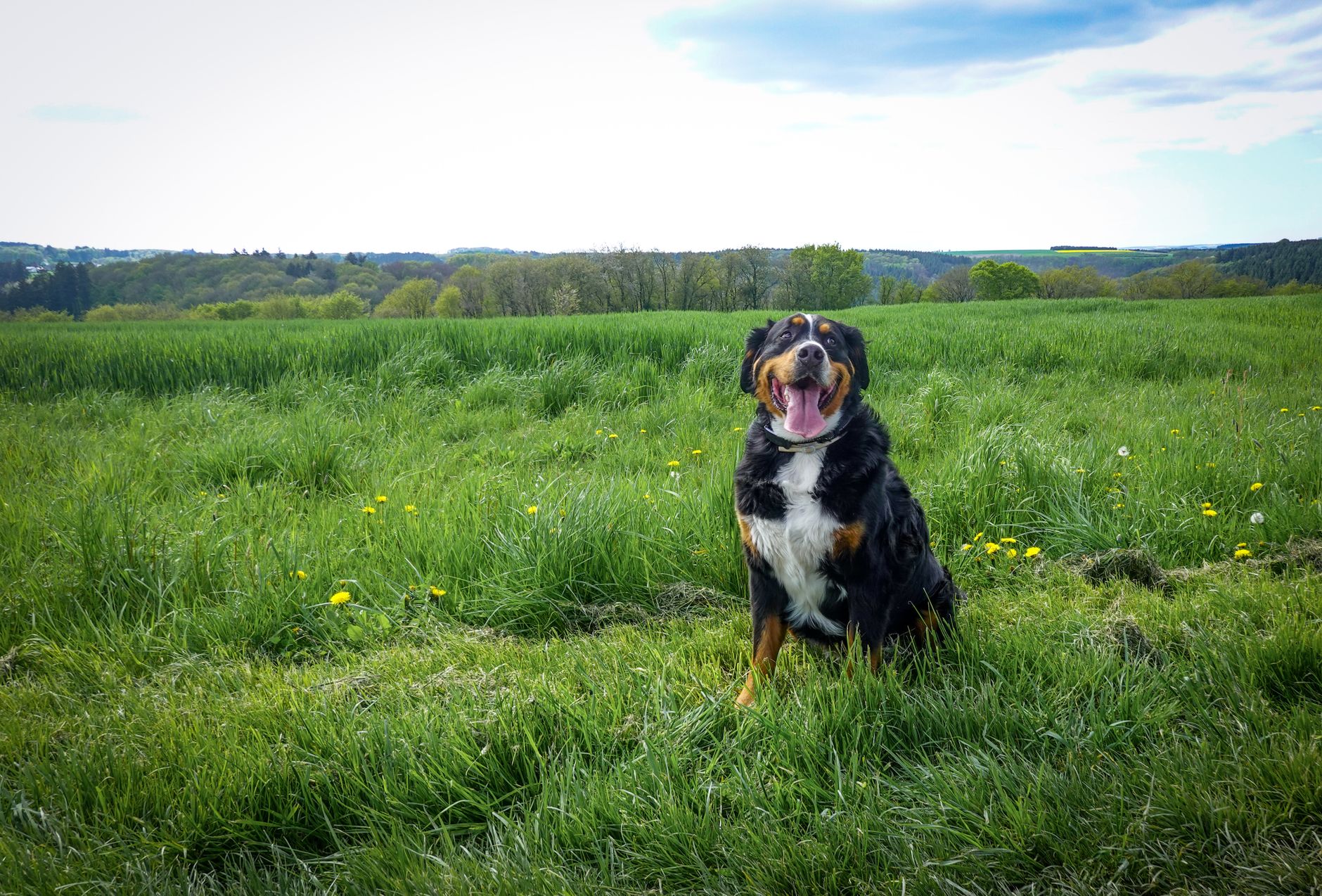 Bernese Mountain Dog Lifespan: Why It’s Short and How to Help” loading=”lazy”>
Quick Summary
The Bernese Mountain Dog has one of the shortest lifespans among domestic dogs, averaging just 6 to 8 years. This brief life expectancy is primarily driven by a high genetic predisposition to aggressive cancers like histiocytic sarcoma, along with joint disorders and bloat. While genetics play a massive role, proactive veterinary care, weight management, and early screening can help owners maximize their Berner’s quality of life and longevity.
As an Amazon Associate, we earn from qualifying purchases.
Popular with dog owners: Orthopedic Dog Bed · Senior Dog Food · Hip & Joint Supplement
As a veterinarian, few things break my heart more than looking into the warm, soulful eyes of a Bernese Mountain Dog and knowing how little time we might have with them. Over my years in clinical practice, I have guided dozens of families through the joys and the inevitable heartaches of raising these gentle giants.
They are fiercely loyal, incredibly gentle, and tragically short-lived. In my clinic, we often refer to them as ‘heartbreak dogs’ because their average lifespan of 6 to 8 years is far too brief.
But understanding why their lives are cut short is the first step in fighting back. Today, I want to share the clinical realities of the Bernese Mountain Dog’s lifespan and the exact medical strategies we can use to give them more happy years.
Key Takeaways
- The average lifespan of a Bernese Mountain Dog is only 6 to 8 years, primarily due to severe genetic health conditions.
- Histiocytic sarcoma, an aggressive cancer, is the leading cause of death in the breed, accounting for nearly 1 in 7 mortalities.
- Musculoskeletal issues like hip and elbow dysplasia do not just cause pain; they severely impact mobility and quality of life.
- Gastric Dilation-Volvulus (GDV/bloat) is a life-threatening emergency that requires immediate veterinary intervention or preventative gastropexy.
- Early disease screening, precise weight management, and tailored low-impact exercise are your best tools for extending your Berner’s life.
In This Article
- The Heartbreaking Reality: Why is the Berner Lifespan So Short?
- The Silent Killer: Histiocytic Sarcoma and Other Cancers
- Structural Integrity: Managing Hip, Elbow, and Joint Dysplasia
- The Acute Danger: Gastric Dilation-Volvulus (Bloat)
- Preventive Gastropexy: A Lifesaving Surgical Option
- The Golden Rule of Longevity: Strict Weight Control
- Cardiovascular and Renal Risks: Sub-Aortic Stenosis and Kidney Disease
- Creating a Veterinary Care Roadmap for Your Berner
The Heartbreaking Reality: Why is the Berner Lifespan So Short?
When clients bring a new Berner puppy to my clinic, I always have an honest conversation about their life expectancy. The official breed average is 6 to 8 years, though occasionally I see lucky patients reach 10 or 11.
This is significantly shorter than other breeds of similar size, such as the Golden Retriever or Irish Wolfhound.
This short lifespan is the direct result of a highly restricted gene pool. In the early 20th century, the breed was nearly extinct, and the modern population descended from a very small number of dogs.
CWAWZ Orthopedic Cooling Gel Memory Foam Dog Bed, XL
- ✓3-inch orthopedic foam with cooling gel layer
- ✓Waterproof TPU lining; washable cover
- ✓CertiPUR-US foam, non-slip bottom
- Supportive foam cushions hips and joints, ideal for large, senior or dysplasia-prone dogs
This genetic bottleneck concentrated several lethal hereditary conditions, particularly highly aggressive cancers.
- Genetic Bottleneck: High inbreeding coefficient in early breed reconstruction.
- Rapid Cellular Aging: Large breed growth rates accelerate cellular wear and tear.
- Cancer Predisposition: Inherited mutations that disable tumor-suppressor genes.
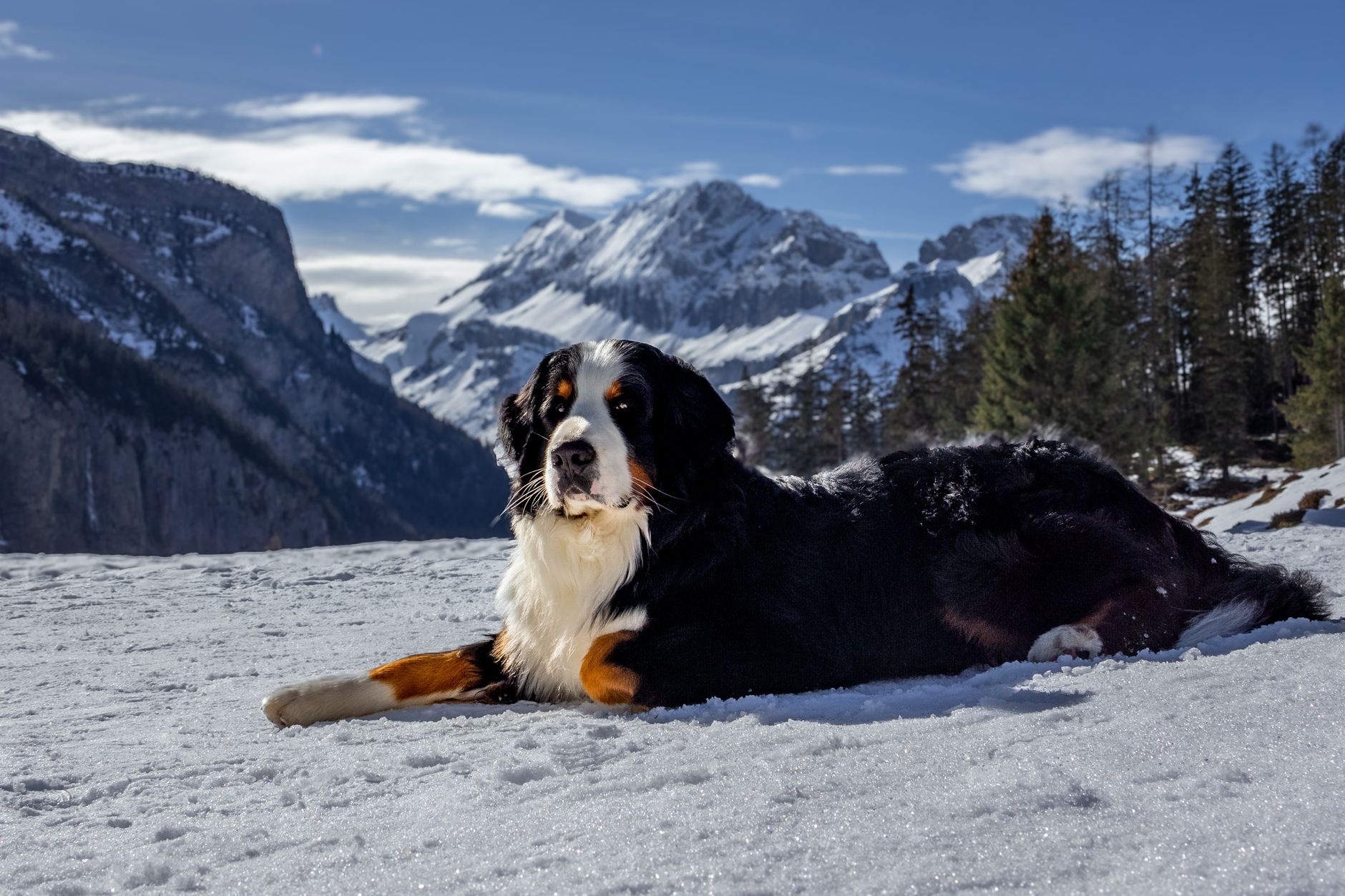
The Silent Killer: Histiocytic Sarcoma and Other Cancers
In my practice, cancer is the diagnosis I deliver most frequently to Bernese Mountain Dog owners. Study after study confirms that up to 50% of Bernese Mountain Dogs die of cancer.
The absolute most devastating of these is histiocytic sarcoma, a rapid and highly aggressive cancer of the white blood cells.
This cancer can present in two forms: localized (usually in the joints or limbs) or disseminated (spreading rapidly to the spleen, liver, lungs, and lymph nodes). By the time many owners notice symptoms, the disease is already advanced.
I tell my clients to watch their dogs like a hawk for any subtle changes in behavior or mobility.
- Unexplained weight loss or sudden loss of appetite
- Lethargy, weakness, or a general lack of enthusiasm for walks
- Persistent, localized limping or swelling in a joint
- Difficulty breathing or a chronic, dry cough (indicating lung involvement)
- Pale gums, which can indicate internal bleeding or severe anemia

Structural Integrity: Managing Hip, Elbow, and Joint Dysplasia
Bernese Mountain Dogs grow at an astonishing rate during their first year of life. This rapid skeletal growth puts immense strain on their developing joints.
Hip and elbow dysplasia are incredibly common in my clinical experience, often leading to severe, early-onset osteoarthritis.
While arthritis itself is rarely directly fatal, it is a primary cause of ‘quality-of-life’ euthanasia. When a 110-pound dog can no longer stand up to go to the bathroom, the situation becomes incredibly difficult for both the dog and the owner.
Protecting their joints starting from puppyhood is absolutely vital.
OFA and PennHIP Screenings
Before buying a puppy, always ask the breeder for Orthopedic Foundation for Animals (OFA) or PennHIP clearances of both parents. These screenings evaluate joint laxity and help predict if a puppy will develop debilitating dysplasia.
Joint Supplementation Protocol
I recommend starting large breed puppies on joint supplements early. Look for veterinary-strength products containing therapeutic doses of glucosamine, chondroitin, and omega-3 fatty acids.
Purina Pro Plan Large Breed Adult 7+ Senior Dog Food
- ✓Formulated for large-breed dogs aged 7 and up
- ✓Shredded blend of crunchy kibble and tender pieces
- ✓Real chicken is the first ingredient
- Nutrition tuned to an older dog’s needs
- Helps senior dogs stay lean and active
- Glucosamine Hydrochloride (helps rebuild cartilage)
- Chondroitin Sulfate (inhibits destructive joint enzymes)
- EPA and DHA from wild-caught fish oil (reduces systemic inflammation)

The Acute Danger: Gastric Dilation-Volvulus (Bloat)
Aside from cancer, Gastric Dilation-Volvulus (GDV), commonly known as bloat, is the quickest killer of Bernese Mountain Dogs. Because of their deep, narrow chests, their stomachs can easily fill with gas and then twist on their axis.
This twist cuts off blood supply to the stomach and spleen, sending the dog into rapid, fatal shock.
This is an absolute medical emergency. If you suspect bloat, you do not wait to see if they feel better; you drive to the nearest emergency clinic immediately.
Every single minute counts.
- Unproductive retching or gagging (trying to vomit but nothing comes up)
- An extremely swollen, hard, or drum-like abdomen
- Pacing, restlessness, and an inability to find a comfortable position to lie down
- Excessive drooling or foaming at the mouth
- Rapid, shallow breathing and pale or muddy-colored gums

Preventive Gastropexy: A Lifesaving Surgical Option
Because the risk of GDV is so high in Berners, I frequently discuss a preventive surgery called a gastropexy with my clients. During this procedure, we surgically tack the outer wall of the stomach to the abdominal wall.
This simple step permanently prevents the stomach from twisting, even if it does fill with gas.
I typically perform this surgery at the same time the dog is spayed or neutered, usually around 12 to 18 months of age. While it adds to the initial cost of the procedure, it is infinitely cheaper—and safer—than emergency bloat surgery, which can easily cost upward of $5,000.
- Reduces the risk of stomach twisting by over 95%.
- Can be performed laparoscopically for a faster, less painful recovery.
- Provides immense peace of mind for owners of deep-chested breeds.

The Golden Rule of Longevity: Strict Weight Control
If you want to extend your Bernese Mountain Dog’s life, the single most powerful tool in your control is weight management. In my practice, I see far too many overweight Berners.
Owners think a fluffy dog is supposed to look round, but carrying even five extra pounds can be devastating to their joints and cardiovascular system.
Keeping your Berner lean reduces systemic inflammation, which is a major driver of both arthritis and cancer. I always tell my clients that a lean Berner is a long-lived Berner.
You should always be able to easily feel your dog’s ribs under their thick double coat.
- Feed a high-quality, large-breed specific diet to control calorie density.
- Use a measuring cup or kitchen scale for every meal; never free-feed.
- Limit high-calorie treats and replace them with green beans or raw carrots.
- Maintain a visible waistline when viewing your dog from above.

Cardiovascular and Renal Risks: Sub-Aortic Stenosis and Kidney Disease
While cancer and orthopedic issues dominate the conversation, we must not ignore their cardiovascular and renal systems. Bernese Mountain Dogs are prone to sub-aortic stenosis (SAS), a congenital heart defect where a narrowing of the aortic valve forces the heart to work dangerously hard.
Additionally, juvenile glomerulonephritis—an inherited form of kidney disease—can strike young Berners, leading to early kidney failure. Regular diagnostic testing at your annual vet visits is the only way to catch these silent killers before they cause irreversible damage.
Heart Murmur Monitoring
During every physical exam, I carefully listen for any signs of a heart murmur. If detected, a cardiac ultrasound (echocardiogram) is vital to evaluate for SAS.
Annual Bloodwork and Urinalysis
Starting at age two, I recommend annual blood panels and urinalysis for all Bernese Mountain Dogs. This allows us to track kidney function enzymes (like SDMA, BUN, and Creatinine) and catch early-stage renal disease.
Creating a Veterinary Care Roadmap for Your Berner
Caring for a Bernese Mountain Dog requires a highly proactive medical partnership between you and your veterinarian. You cannot take a ‘wait and see’ approach with this breed.
Because their lifespans are compressed, diseases progress with terrifying speed.
Establishing a schedule of routine diagnostics and veterinary exams will give you the best chance of intercepting major health issues early. Here is the clinical roadmap I recommend for every Bernese Mountain Dog owner who walks into my clinic.
- Bi-annual exams (every 6 months) once your dog reaches 4 years of age.
- Baseline bloodwork, urinalysis, and thyroid testing starting at age 2.
- Routine screening chest X-rays starting at age 5 to look for early signs of cancer or heart issues.
- Strict adherence to a vet-approved, low-impact exercise regimen to maintain muscle mass without damaging joints.
-
Nutramax Cosequin Joint Supplement for DogsGlucosamine and chondroitin chews support cartilage and mobility, especially in large, senior and dysplasia-prone dogs
-
Outward Hound Fun Feeder Slo BowlSlows fast eaters and reduces gulping
-
Safety 1st Easy Install Walk-Through GateA pet gate keeps a new puppy safe and out of rooms they’re not ready for
Related Dog Guides
Frequently Asked Questions
What is the average lifespan of a Bernese Mountain Dog?
The average lifespan of a Bernese Mountain Dog is currently 6 to 8 years. While some individuals can live to 10 or 11, genetic diseases, particularly aggressive cancers, frequently cut their lives short.
Why do Bernese Mountain Dogs have such a short lifespan?
Their short lifespan is primarily due to genetic bottlenecks created during the breed’s recovery in the early 20th century. This resulted in a high concentration of hereditary conditions, including a massive predisposition to aggressive cancers like histiocytic sarcoma and cardiovascular defects.
What is the most common cause of death for Bernese Mountain Dogs?
Cancer is the leading cause of death, accounting for nearly 50% of all mortalities in the breed. Histiocytic sarcoma is the most prevalent and aggressive form, often affecting multiple internal organs simultaneously.
Can a preventive gastropexy save my Bernese Mountain Dog’s life?
Yes, a preventive gastropexy can absolutely be a lifesaver. This surgical procedure tacks the stomach to the abdominal wall, reducing the risk of a fatal stomach twist (GDV/bloat) by over 95%.
How can I help my Bernese Mountain Dog live longer?
You can maximize your Berner’s lifespan by maintaining a strict, lean body weight, choosing a breeder who performs comprehensive OFA genetic clearances, starting joint supplements early, and performing bi-annual veterinary exams with screening bloodwork.
At what age is a Bernese Mountain Dog considered a senior?
Due to their short lifespan, Bernese Mountain Dogs are generally considered seniors by the time they reach 5 years of age. At this point, I recommend transitioning to senior veterinary care, including bi-annual exams and regular cancer screenings.
Sources & Further Reading
- American Kennel Club (AKC)
- Merck Veterinary Manual
- American Veterinary Medical Association (AVMA)
- Cornell University College of Veterinary Medicine
Final Thoughts
Loving a Bernese Mountain Dog is a unique journey that requires both a wide-open heart and a realistic, proactive mindset. While we cannot rewrite their genetic code, we are far from helpless in extending and improving their lives.
By focusing heavily on strict weight management, utilizing preventive surgeries like gastropexy, and establishing a rigorous diagnostic relationship with your veterinarian, you can fight back against the statistics. In my years of clinical practice, I have seen dedicated owners give these wonderful, gentle giants years of pain-free, joyful life that defied all expectations.
Cherish every single day with your Berner, and never underestimate the power of proactive veterinary care.