
Savannah Cat Ownership: Legal Rules, Space and Diet Needs
 Savannah Cat Ownership: Legal Rules, Space and Diet Needs” loading=”lazy”>
Quick Summary
Savannah cats are highly energetic, intelligent hybrids that require specialized diets, substantial vertical space, and dedicated environmental enrichment to thrive. Potential owners must navigate a complex legal landscape, as early-generation Savannahs (F1-F3) are restricted or banned in many jurisdictions due to their wild heritage. Understanding their unique physical, behavioral, and nutritional needs is vital to ensuring a safe and enriching home environment.
As an Amazon Associate, we earn from qualifying purchases.
Popular with cat owners: Cat Food · Cat Tunnel · Cat Tree
In my twenty years of veterinary practice, few breeds have elicited as much fascination—and occasional panic—as the Savannah cat.
I still remember the first F2 Savannah that walked into my clinic; he was magnificent, towering, and possessed an intense, wild presence. Many clients fall in love with their exotic look without realizing the immense commitment required to keep these animals healthy and legal.
Owning a Savannah is not like keeping a typical domestic cat. It is more akin to managing an athletic, high-strung companion that demands specialized husbandry and deeply committed care.
Key Takeaways
- Legal status varies drastically by generation (F1-F5) and local city or state ordinances.
- Savannahs require massive vertical space and highly secure, escape-proof environments.
- Their diet must prioritize high-quality protein, often requiring a raw food diet formulated under veterinary supervision.
- Early generations retain strong wild instincts, a high prey drive, and intense exercise demands.
- They are genetically predisposed to specific conditions like hypertrophic cardiomyopathy (HCM) and PK deficiency.
- Anesthesia protocols must be carefully tailored due to potential sensitivities in hybrid cats.
In This Article
- Understanding the F-Generations: The Serval Legacy
- The Complex Legal Landscape of Savannah Cat Ownership
- Designing the Ideal Space: Vertical Territory and Enclosures
- The Truth About Diet and Nutritional Physiology
- Veterinary Care and Unique Medical Vulnerabilities
- Behavioral Realities, Socialization, and Training
- The Financial Reality: A Cost Breakdown
Understanding the F-Generations: The Serval Legacy
When clients tell me they want to adopt a Savannah, my first question is always: ‘Which generation are you looking at?’ The Savannah is a hybrid cross between a domestic cat and an African Serval.
The letter ‘F’ stands for ‘Filial’ and indicates how many generations removed the cat is from its wild ancestor. An F1 Savannah has a Serval parent, while an F5 is several generations removed and behaves much more like a standard domestic cat.
In my clinical experience, the behavioral and physical differences between generations are staggering. Early generations (F1 to F3) retain strong wild instincts, exceptional size, and high energy levels that can overwhelm an unprepared household.
- F1 (First Generation): 50% to 75% Serval; largest in size, highly intense, and legally restricted in many municipal areas.
- F2 (Second Generation): 25% to 35% Serval; still very large, active, and retains significant wild behaviors like high-jumping and vocal chirping.
- F3 (Third Generation): 12.5% to 19% Serval; a transitional generation that balances exotic physical traits with a more manageable domestic temperament.
- F4 and F5 (Later Generations): Under 10% Serval; typically legal in most areas, smaller in size, and generally easier to integrate into average homes.
IAMS Proactive Health Indoor Dry Cat Food
- ✓Real chicken and turkey
- ✓Made for indoor adult cats
- ✓Supports whole-body health
- A high-protein, complete diet suits cats’ needs as obligate carnivores

The Complex Legal Landscape of Savannah Cat Ownership
Before you contact a breeder, you must thoroughly research your local and state laws. It breaks my heart when a client brings me a sick animal, only for us to realize they are harboring an illegal pet in their county.
Because Savannahs are wild-hybrid crosses, their legality is a patchwork of federal, state, county, and municipal regulations. Some states ban early-generation Savannahs outright, while others require exotic animal permits that are difficult for private citizens to obtain.
Even if your state permits them, your specific city or apartment complex might have strict ordinances against them. Always get legal confirmation in writing before bringing one home.
- States with outright bans: Georgia, Hawaii, Nebraska, and Rhode Island ban early generations, with Hawaii banning all hybrid cats entirely.
- Permit-required states: States like Texas and Colorado allow ownership but often require strict local registration or environmental permits.
- The F5 loophole: Many jurisdictions that ban F1 through F4 generations will fully permit F5 and later generations as domestic cats.
- Homeowner’s insurance risks: Some insurance carriers will void your liability coverage if they discover you own a wild hybrid cat.

Designing the Ideal Space: Vertical Territory and Enclosures
A standard living room is simply not enough for an early-generation Savannah cat. These animals can leap up to eight feet in the air from a standing position.
I often tell my clients that if you do not provide vertical space for your Savannah, they will make their own. This usually means your refrigerator, custom cabinets, or hanging light fixtures will become their highways.
They require specialized environmental enrichment to prevent stress-induced behaviors like urine marking and obsessive-compulsive grooming. A bored Savannah is a destructive Savannah, and I have seen them tear through drywall when under-stimulated.
- Floor-to-ceiling cat trees: Heavy-duty structures anchored securely to the wall studs to prevent tipping under their weight.
- Catio installations: A secure, outdoor wire enclosure that allows safe exposure to fresh air and sunshine without risk of escape.
- Staggered wall shelving: Custom high shelving designed to support up to 30 pounds of leaping feline.
- Microchip pet doors: Programmable doors to restrict access to unsafe areas or outdoor spaces.
Friskies Gravy Swirlers Dry Cat Food
- ✓Chicken, salmon and gravy flavors
- ✓40 essential nutrients
- ✓Complete and balanced
- A high-protein, complete diet suits cats’ needs as obligate carnivores
Escape Prevention Tactics
Savannahs are incredibly clever and can easily learn to open standard door handles and window latches. I recommend installing deadbolts or childproof locks on all exterior doors.
- Install double-door entryways to prevent door-darting.
- Use heavy-duty wire mesh on all screens, as claws can shred standard nylon mesh.
- Ensure window locks are engaged at all times.

The Truth About Diet and Nutritional Physiology
Nutrition is where I see the most common clinical mistakes with Savannah cats. They cannot thrive on cheap, corn-filled commercial kibble.
Their digestive tracts are adapted for high-protein, high-moisture diets, and many breeders advocate for a raw food diet. While a raw diet can be highly beneficial, it must be formulated with absolute precision.
An unbalanced raw diet can lead to devastating metabolic bone disease, especially in growing kittens. If you choose to feed raw, you must work closely with a veterinary nutritionist to ensure proper calcium-to-phosphorus ratios.
- Premium commercial wet food: High-protein, grain-free canned diets should form the baseline if raw feeding is not feasible.
- Taurine supplementation: Essential for cardiac health; Savannahs have high metabolic rates and require ample dietary taurine.
- Whole prey model: Incorporating frozen-thawed mice or chicks to provide natural enrichment and dental wear.
- Fresh water access: Multiple heavy water bowls or pet fountains, as Savannahs love to splash and play in water.
The Danger of Calcium Deficiencies
I have treated several young Savannah kittens with nutritional secondary hyperparathyroidism. This occurs when owners feed plain chicken breast without balancing it with bone meal or calcium supplements, leading to fragile, fractured bones.

Veterinary Care and Unique Medical Vulnerabilities
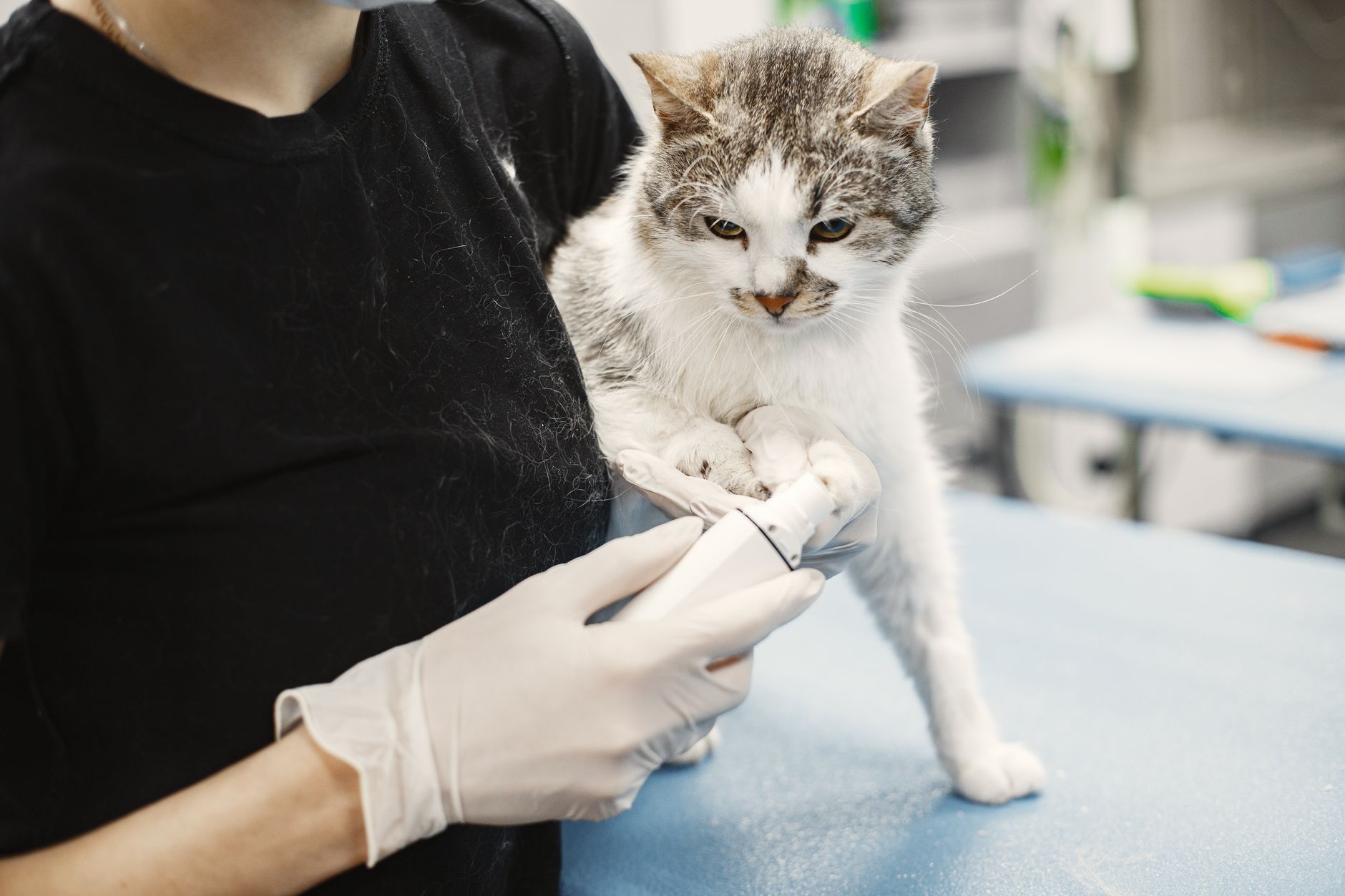
When you bring your Savannah to the vet, you need a practitioner who understands hybrid medicine. These cats are not just oversized tabbies.
Their biological responses to certain drugs and common diseases can differ significantly from standard domestic cats. One of the most critical things I discuss with my clients is anesthetic sensitivity.
Many hybrid breeders and veterinarians note that Savannahs can react poorly to standard anesthetic cocktails, particularly those containing ketamine, which can cause prolonged recovery times or cardiac issues.
- Anesthesia protocols: Isoflurane or sevoflurane gas are preferred, with careful monitoring of vitals.
- Hypertrophic Cardiomyopathy (HCM): A genetic heart disease that requires regular echocardiograms in breeding lines.
- Pyruvate Kinase (PK) Deficiency: An inherited hemolytic anemia that can be screened for via DNA testing.
- FIP susceptibility: Savannahs can sometimes show a higher susceptibility to Feline Infectious Peritonitis due to early stress and genetic bottlenecks.
Behavioral Realities, Socialization, and Training
Savannahs are highly social, vocal, and demanding companions. They do not sleep all day like typical cats; they want to be involved in everything you do.
They will follow you from room to room, chirp loudly to demand attention, and learn how to fetch toys. Without proper socialization during the first 12 weeks of life, early-generation Savannahs can become fearful or defensive around strangers.
I always advise my clients to begin positive-reinforcement training early to establish clear boundaries and build trust.
Harness and Leash Training
Walking your Savannah on a leash is an excellent way to burn energy. Use a secure, H-style harness rather than a collar, as they can easily slip out of standard collars when startled.
- Start training indoors at a very young age.
- Use high-value treats to reward harness compliance.
- Never leave a harnessed cat unattended.
Multi-Pet Households
Because of their high prey drive, I do not recommend keeping early-generation Savannahs in homes with small pets like hamsters, birds, or reptiles. They can coexist with dogs and other high-energy cats if introduced slowly and carefully.

The Financial Reality: A Cost Breakdown
Owning a Savannah is a luxury that comes with a premium price tag. The initial purchase price of the kitten is just the beginning of your financial commitment.
Between specialized veterinary care, high-quality diets, and environmental modifications, you must be prepared for a significant long-term investment.
I urge my clients to set up a dedicated savings fund or secure high-tier pet insurance immediately upon bringing their kitten home. Emergency surgeries for foreign body ingestions—a common issue with these curious, active cats—can easily cost thousands of dollars.
- Kitten purchase price: Ranges from $1,500 for later generations to over $15,000 for high-percentage F1 females.
- Annual food costs: Expect to spend $1,000 to $2,500 annually on premium wet food or balanced raw diets.
- Specialized enclosures: Building a secure outdoor catio typically costs between $1,500 and $5,000.
- Veterinary care and testing: Regular cardiac screening and routine care can average $500 to $1,200 annually.
-
EGETOTA 5-Way Cat Tunnel with Play BallA crinkly play tunnel gives cats somewhere to hide, pounce and race through
-
Yaheetech 63-Inch Large Cat TreeGives cats vertical space to climb, scratch and nap, which reduces stress and keeps them off your shelves
-
TKENPRO 2K Pet Camera with Treat DispenserLets you check in, talk to your pet and spot problems while you’re out
Related Cat Guides
Frequently Asked Questions
Are Savannah cats legal in New York City?
No, New York City has strict bans on all wild-hybrid animals, including all generations of Savannah cats. However, they are legal in parts of New York State if they are F5 or later, so check local county codes.
Do Savannah cats require a raw diet?
While they do not strictly require a raw diet, they thrive on high-protein, low-carbohydrate wet food. If you choose to feed raw, it must be carefully balanced with essential vitamins and minerals to prevent nutritional deficiencies.
How big do Savannah cats get?
Size depends heavily on the generation. F1 and F2 males can weigh between 15 and 25 pounds (sometimes more), while F5 generations usually weigh a more domestic 10 to 15 pounds.
Can Savannah cats be left alone during the day?
Early-generation Savannahs do poorly when left alone for long periods and may develop destructive behaviors. If you work long hours, a later-generation Savannah or a high-energy companion pet is highly recommended.
Do they get along with dogs?
Yes, many Savannah cats get along famously with dogs, often behaving more like dogs themselves. However, introductions must be done slowly, and the dog should be comfortable with high-energy feline play.
Sources & Further Reading
- American Veterinary Medical Association (AVMA)
- The Cat Fanciers’ Association (CFA)
- International Cat Care
- PetMD
Final Thoughts
Bringing a Savannah cat into your life is a profound, life-altering decision that goes far beyond owning a typical pet. In my veterinary practice, I have seen these magnificent felines bring incredible joy, but only to those owners who fully respect their wild heritage and meet their strict needs.
If you have the space, the financial stability, and the time to dedicate to their diet and environmental enrichment, a Savannah will reward you with a deep, loyal bond unlike any other. However, if you are looking for a low-maintenance lap cat, I strongly encourage you to consider a traditional domestic breed.