

Quick Summary
Comprehensive room-by-room puppy-proofing is essential to prevent common veterinary emergencies like foreign body obstructions and toxic ingestions. By identifying hidden hazards—from toxic houseplants and electrical cords to medications and dangling cords—you can create a secure environment that protects your new companion during their curious developmental stages.
In my fifteen years as a veterinarian, I have seen far too many puppies admitted to the emergency room for completely preventable accidents. From swallowed sewing needles to ingested human medications, a puppy’s curiosity can quickly turn life-threatening.
Puppy-proofing is not just about keeping your favorite shoes from getting chewed. It is about understanding the world from a height of six inches and anticipating what an energetic, teething animal will do next.
Let’s walk through your home, room by room, to eliminate these hidden dangers before your new companion arrives.
Key Takeaways
- Get down on your hands and knees to view each room from a puppy’s eye level.
- Secure all electrical cords, chargers, and cables inside heavy-duty protective tubing.
- Keep all household cleaners, laundry pods, and human medications locked in high cabinets.
- Verify that all indoor and outdoor plants are completely non-toxic to dogs.
- Use heavy, secure trash cans with locking lids in every single room of the house.
- Install sturdy, hardware-mounted safety gates at the top and bottom of all staircases.
In This Article
- The Living Room: Low-Level Hazards and Electrical Dangers
- The Kitchen: Toxins, Trash, and Tempting Smells
- The Bathroom: Medications and Moisture Hazards
- Bedrooms: Closets, Coins, and Costly Chews
- Home Office: Small Swallows and Cord Chaos
- The Garage and Laundry Room: Chemical Minefields
- The Yard and Patio: Outdoor Hazards
The Living Room: Low-Level Hazards and Electrical Dangers
The living room is where your puppy will spend most of their supervised time, but it is packed with subtle temptations. In my practice, the most common living room hazard I treat is electrical cord electrocution.
A single bite through a live phone charger can cause severe oral burns, fluid in the lungs, or fatal cardiac arrest. We must also look at low-lying furniture and decor.
Items like remote controls contain button batteries. These can erode through a puppy’s esophagus in under two hours if swallowed, requiring emergency surgery.
- Encase all loose wires in split-loom tubing or protective cord covers.
- Move remote controls, game controllers, and smart devices to high shelves.
- Secure loose rug corners with double-sided tape to prevent chewing and ingestion of fibers.
- Keep small decorative items, potpourri, and essential oil diffusers completely out of reach.
The Danger of Recliners and Gliders
Mechanical motion chairs can easily trap or crush a small puppy hiding underneath. Always check under the footrest before closing or adjusting your recliner.
The Kitchen: Toxins, Trash, and Tempting Smells
To a puppy, the kitchen is a wonderland of delicious aromas and accessible hazards. I routinely perform emergency surgeries to remove chicken bones, corn cobs, and peach pits from young dogs’ stomachs.
Trash cans are the primary gateway to these dangerous obstructions. Even a heavy lid can be easily knocked over by a determined, growing puppy.
- Use a trash can with a secure, latching lid, or place the bin inside a locked pantry.
- Install child-proof latches on lower cabinets housing cleaning products or food.
- Never leave food cooling on the edge of countertops where a puppy might jump and reach it.
Dangerous Human Foods to Lock Away
Many common ingredients in your pantry are highly toxic to dogs. Keep these items securely sealed and far out of your puppy’s reach.
- Xylitol (birch sugar), often found in sugar-free peanut butter and gum.
- Onions, garlic, and chives, which destroy canine red blood cells.
- Grapes, raisins, and currants, which can cause acute kidney failure.
- Chocolate, cocoa powder, and caffeinated products.
The Bathroom: Medications and Moisture Hazards
The bathroom is a small space, but it contains some of the most lethal toxins in a household. In my clinical experience, human medications—both prescription and over-the-counter—are the leading cause of pet poisoning.
A single dropped ibuprofen tablet can cause severe gastric ulcers and kidney failure in a small puppy. Toilet bowls also present a dual hazard of drowning and chemical exposure.
- Store all medications, vitamins, and cosmetics in high, closed medicine cabinets.
- Always keep the toilet lid closed to prevent accidental drowning or ingestion of chemical cleaners.
- Place hair ties, dental floss, and cotton swabs in closed drawers rather than open vanity tops.
The Peril of Bath Toys and Loofahs
Sponges and bath loofahs are highly attractive to chewing puppies because they hold scents and have an appealing texture. If swallowed, these synthetic materials expand in the digestive tract and require immediate surgical removal.
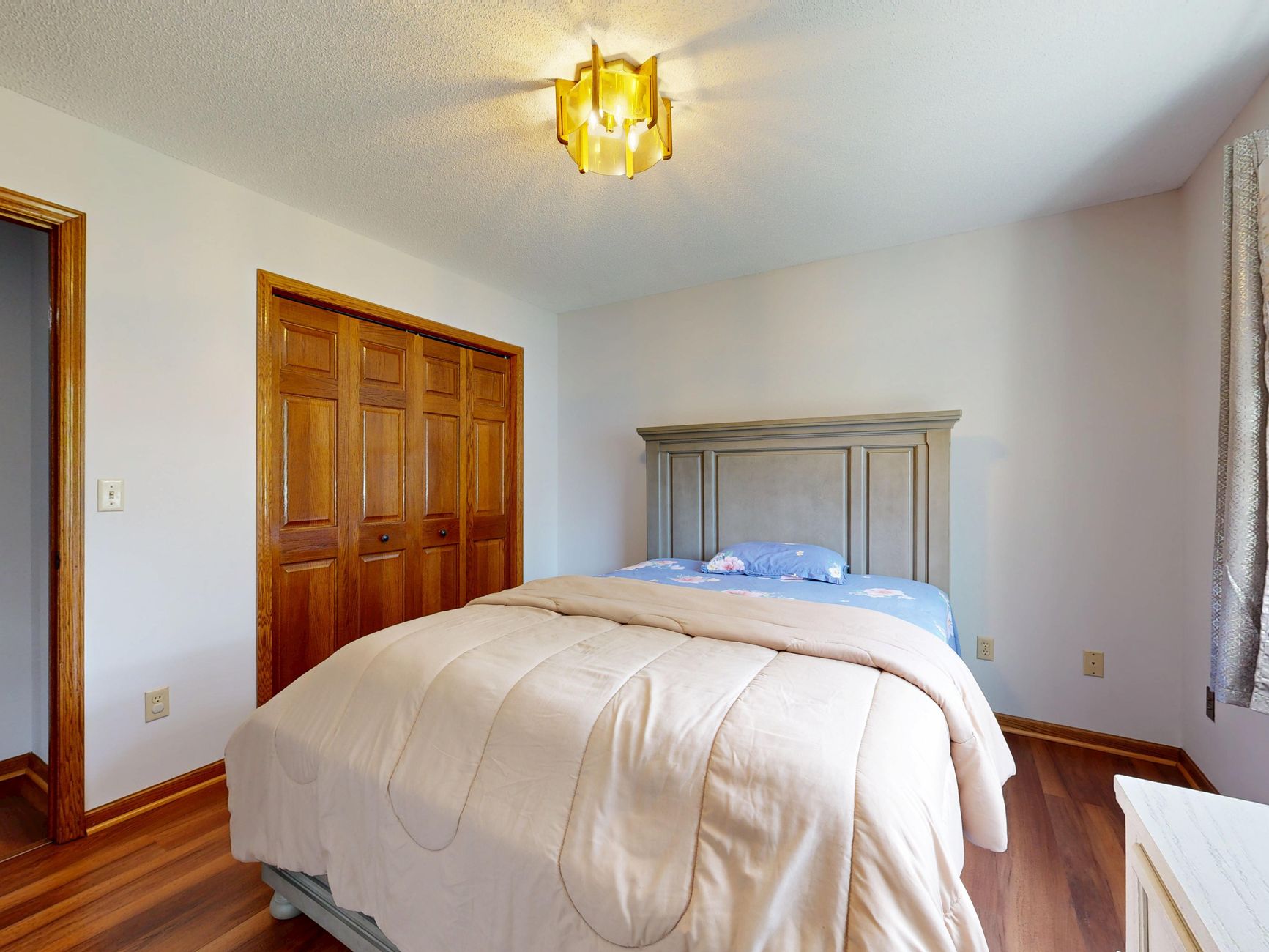
Bedrooms: Closets, Coins, and Costly Chews
Bedrooms seem safe, but they are often littered with small, highly appealing items. Puppies love things that smell intensely like their owners, which draws them directly to dirty laundry.
Socks and underwear are among the most common foreign bodies I surgically extract from young dogs. They do not show up well on standard X-rays, making diagnosis and treatment more complex.
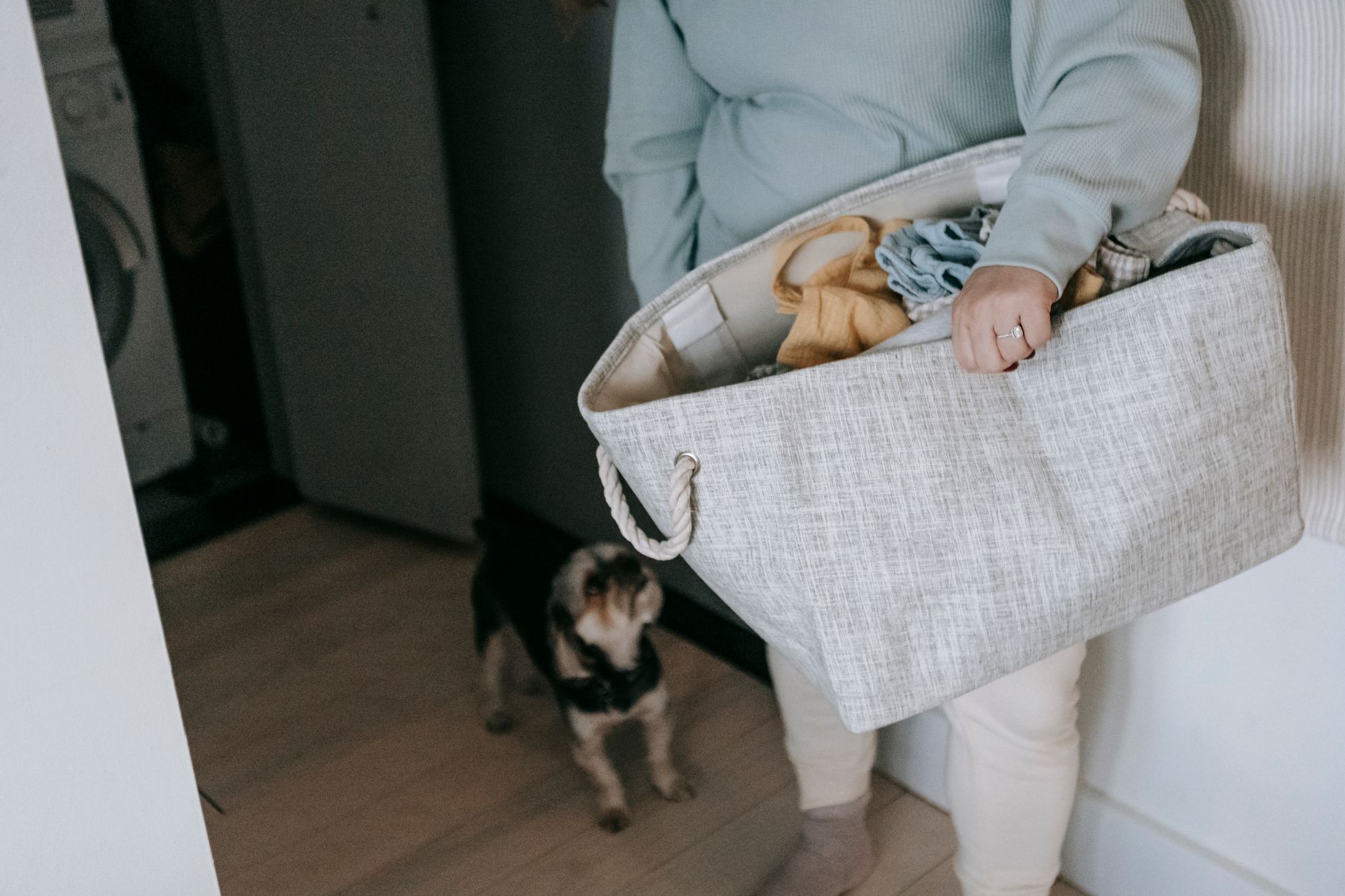
- Keep all dirty laundry inside tall, heavy hampers with securely fitting lids.
- Store shoes inside closed closets or on high shelves rather than on the floor.
- Check your pockets before tossing pants onto a bed; coins, lip balm, and tissues are major hazards.
Pennies and Zinc Toxicity
Pennies minted after 1982 contain high amounts of zinc. If ingested, the stomach acid dissolves the coin, leading to rapid zinc toxicosis, severe anemia, and multi-organ failure.
Home Office: Small Swallows and Cord Chaos
As remote work increases, so do veterinary visits related to home office hazards. The space under your desk is a jungle of dangling cords and plastic accessories.
Puppies also explore with their mouths and will readily chew on paper clips, rubber bands, and pushpins. These sharp metal items can perforate the stomach or intestines, leading to life-threatening peritonitis.
- Use cable management boxes or zip-ties to lift all cords off the floor.
- Store office supplies like staples, thumbtacks, and paper clips in secure, latched drawers.
- Be cautious with shredders; unplug them when not in use to prevent accidental tongue or paw injuries.
Ink Cartridges and Toner
Printer ink cartridges can leak highly toxic chemicals if chewed open. Keep spare cartridges sealed in original packaging inside upper storage cabinets.
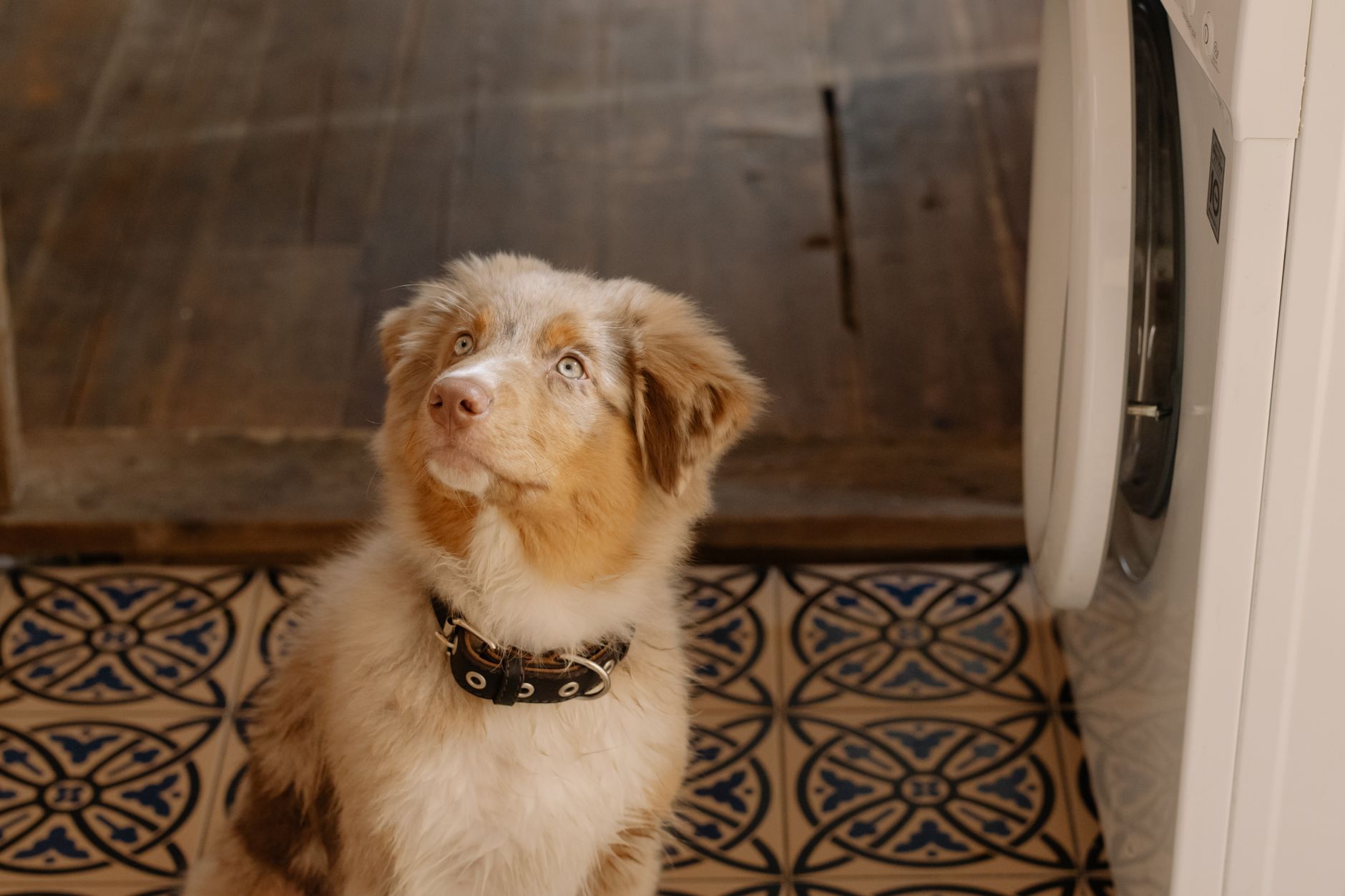
The Garage and Laundry Room: Chemical Minefields
The garage and utility rooms should ideally be completely off-limits to your puppy. Antifreeze is perhaps the most dangerous substance found in a home.
It has a sweet taste that dogs find appealing, but even a tiny teaspoon of ethylene glycol can cause irreversible, fatal kidney damage within hours. Laundry rooms also contain highly concentrated detergents that can cause severe chemical burns to a puppy’s mouth and esophagus.
- Clean up any automotive fluid spills immediately using absorbent clay or cat litter.
- Store laundry detergent pods, bleach, and fabric softeners on high shelves, never on the floor.
- Keep washer and dryer doors closed at all times to prevent a puppy from climbing inside.
Pest Control Poisons
Rodenticides and insect baits are designed to taste good to pests, which makes them highly attractive to puppies as well. Always place these baits in elevated, completely inaccessible areas, or avoid using them entirely.
The Yard and Patio: Outdoor Hazards
While outdoor play is vital for your puppy’s physical development, the yard contains many hidden traps. Many popular landscaping plants are highly toxic to dogs.
For example, Sago Palms are extremely popular but every part of this plant is deadly. Ingesting just one or two seeds can lead to acute liver failure and death.
- Inspect your perimeter fencing for gaps, loose boards, or areas where a puppy could dig out.
- Remove dangerous plants like Sago Palms, azaleas, oleanders, and autumn crocus from your garden.
- Avoid using cocoa mulch, which contains the same toxic compounds found in chocolate.
Fertilizer and Pesticide Safety
Lawn fertilizers and herbicides can cause severe chemical burns and systemic toxicity if walked on or ingested. Always keep your puppy off treated lawns for at least 24 to 48 hours after application.
Frequently Asked Questions
When is it safe to stop puppy-proofing my home?
Most dogs do not fully mature out of their destructive teething phase until they are 12 to 18 months old. I recommend keeping basic puppy-proofing measures in place until your dog has consistently shown reliable, non-destructive behavior for several months.
What should I do if my puppy swallows a small plastic toy?
Contact your veterinarian or a pet poison helpline immediately. Do not attempt to induce vomiting at home unless explicitly instructed by a veterinary professional, as some items can cause more damage coming back up.
Are laundry detergent pods really that dangerous for puppies?
Yes, they are highly concentrated and under pressure. When a puppy bites into a pod, the liquid can squirt into their throat, causing severe chemical burns, airway swelling, and aspiration pneumonia.
How do I protect my baseboards and furniture from a teething puppy?
Apply a pet-safe bitter deterrence spray to targeted areas, and immediately redirect your puppy to an appropriate rubber chew toy. Ensuring your puppy has a variety of safe, textured teething toys will drastically reduce their urge to chew your home.
Is mulch toxic to puppies?
Standard wood mulch is generally safe but can cause physical blockages or splinters if swallowed. However, cocoa bean mulch is highly toxic because it contains theobromine, which can cause vomiting, seizures, and heart issues.
Sources & Further Reading
Final Thoughts
Welcoming a new puppy into your home is an incredibly exciting milestone, but it also carries immense responsibility. Taking the time to meticulously proof your living spaces is the single best way to prevent stressful, costly trips to the emergency clinic.
By looking at your home through your puppy’s eyes and eliminating hazards before they arrive, you create a sanctuary where they can safely grow and thrive. Remember, when in doubt, block it off, lock it up, or put it away.
If you ever suspect your puppy has ingested something dangerous, do not wait for symptoms to appear; contact your veterinarian immediately.