
Boston Terrier Eye Problems: Common Conditions and Prevention
 Boston Terrier Eye Problems: Common Conditions and Prevention” loading=”lazy”>
Quick Summary
Boston Terriers are highly prone to serious eye conditions due to their prominent, brachycephalic facial structure. Common issues like corneal ulcers, Dry Eye (KCS), cataracts, and cherry eye require rapid veterinary diagnosis. Proactive home care, genetic testing, and immediate attention to squinting are essential to prevent permanent vision loss.
As an Amazon Associate, we earn from qualifying purchases.
Popular with dog owners: Dog Harness · Dog Cooling Mat · Dog Toys
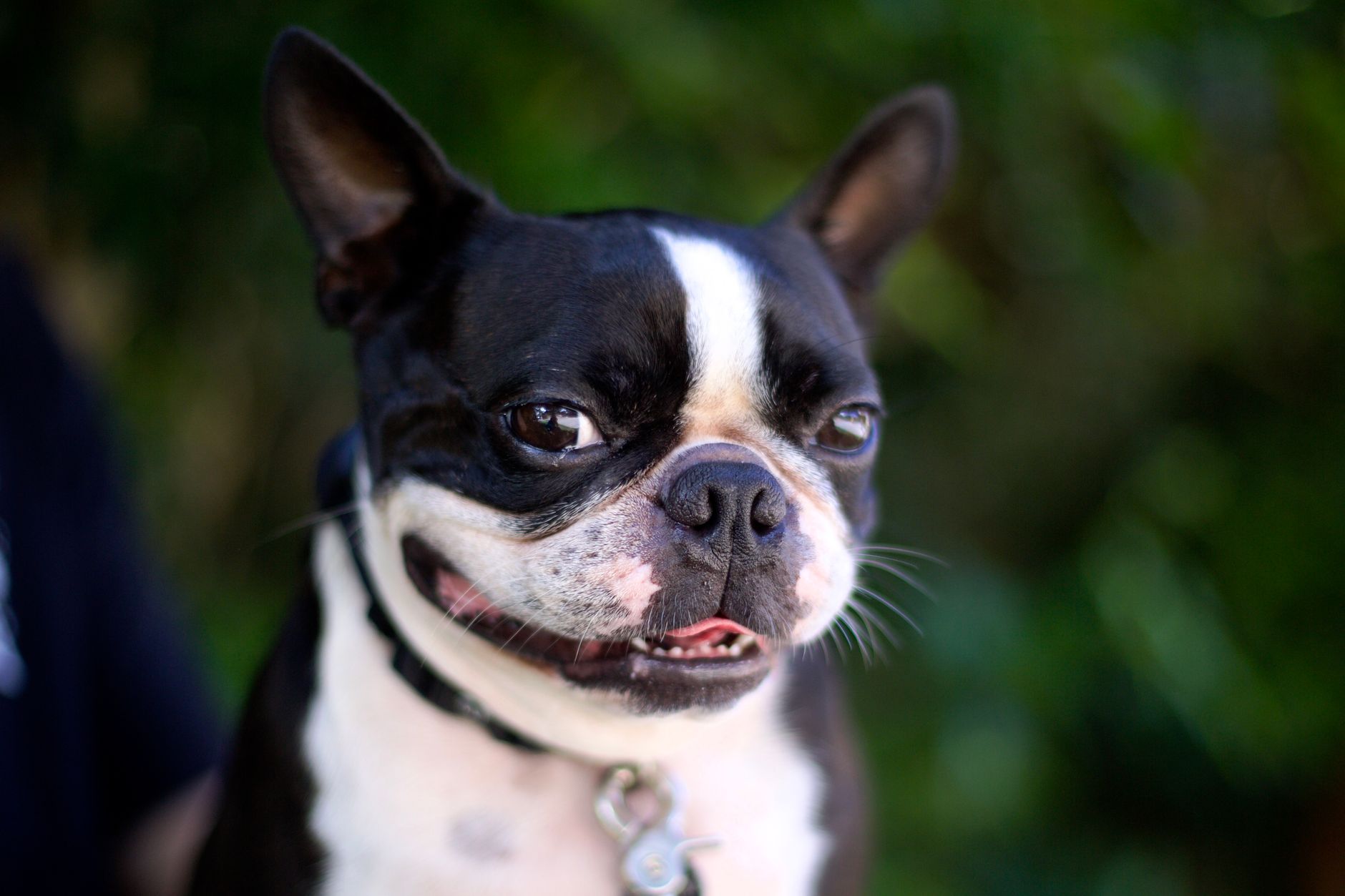
In my years of clinical practice, I have treated hundreds of Boston Terriers, and if there is one thing I have learned, it is that those beautiful, expressive, bulging eyes are a double-edged sword.
Their distinctive ‘bug-eyed’ look is a core part of their charm, but it also makes them incredibly vulnerable to a wide array of ocular diseases and physical injuries.
Understanding the unique risks your dog faces and knowing how to spot the early warning signs of trouble can mean the difference between a simple eye drop treatment and emergency surgery.
Key Takeaways
- Boston Terriers are anatomically prone to eye injuries because of their shallow bony eye sockets.
- A squinting Boston Terrier should always be treated as an immediate veterinary medical emergency.
- Dry Eye (KCS) is a common autoimmune disease in this breed that requires lifetime daily medication.
- Hereditary juvenile cataracts can cause complete blindness in young Bostons but can be screened for via DNA tests.
- Surgical preservation, rather than removal, is the gold standard of care for a prolapsed third eyelid gland (cherry eye).
- Daily environmental management, including protective eyewear and saline flushes, dramatically reduces injury risks.
In This Article
- Anatomy is Destiny: The Brachycephalic Eye
- Corneal Ulcers: When a Scratch Becomes a Crisis
- Dry Eye (KCS): The Chronic Sandpaper Eye
- Cataracts: Clouding the American Gentleman’s Vision
- Cherry Eye: Prolapse of the Third Eyelid Gland
- Corneal Dystrophy: Inherited Crystalline Deposits
- Dr. Heller’s Preventive Routine for Boston Eyes
Anatomy is Destiny: The Brachycephalic Eye
Boston Terriers are beloved for their round, expressive eyes, but this look is also their greatest structural vulnerability. Because they are a brachycephalic breed, their flat faces mean their skull structures are highly compressed.
This compression results in shallow bony orbits that offer very little physical protection to the eyeball itself. This anatomical protrusion is known clinically as exophthalmos.
Because the eyeballs protrude so far forward, their eyelids often cannot spread tears efficiently or even close completely, leaving the central cornea exposed to dry air and foreign objects.
- Shallow bony eye sockets that fail to cushion the globe from blunt trauma.
- An abnormally wide eyelid opening, clinically termed macropalpebral fissure.
- Lagophthalmos, which is the inability to close the eyelids fully during sleep or blinking.
- Reduced corneal sensitivity, which often masks early pain and delays necessary treatment.
PetSafe Easy Walk No-Pull Dog Harness
- ✓Front chest leash attachment steers your dog back toward you
- ✓Martingale loop design prevents twisting
- ✓Quick-snap buckles and adjustable straps
- Discourages pulling without pressure on the throat
- Makes walks with strong dogs calmer and easier
Corneal Ulcers: When a Scratch Becomes a Crisis
In my practice, corneal ulcers are the absolute most common ocular emergency I diagnose in Boston Terriers. A simple run through tall grass, a playful swipe from a housecat, or a speck of windblown dust can easily tear the delicate outer layer of the cornea.
Because of their poor corneal sensitivity, many Bostons will not show pain immediately. By the time an owner notices squinting, the scratch may already be deeply infected.
If left untreated, a superficial ulcer can rapidly progress to a ‘melting’ ulcer. This occurs when bacteria release enzymes that digest the corneal tissue, potentially rupturing the eye within 24 to 48 hours.
- Holding the eye completely shut or squinting frequently in bright light.
- Excessive, watery tearing or a thick, sticky green-yellow discharge.
- A visible change in the eye’s texture, appearing as a dull or pitted spot on the surface.
- Rubbing the face and eyes repeatedly against the carpet, furniture, or their paws.
The Challenge of Indolent Ulcers
Some Boston Terriers suffer from refractory or indolent ulcers, which fail to heal because the new surface cells cannot stick to the underlying layers. These require advanced clinical procedures like diamond burr debridement or grid keratotomy to stimulate proper healing.

Dry Eye (KCS): The Chronic Sandpaper Eye
What many owners mistake for simple morning ‘eye sleepies’ is often Keratoconjunctivitis Sicca (KCS), commonly known as Dry Eye. In Boston Terriers, this is typically an autoimmune disease where the dog’s own immune system attacks the tear glands.
Without the watery component of tears, the eye cannot flush away debris or nourish the corneal tissue. Every single blink becomes painful, acting like sandpaper scraping across a dry glass surface.
Over time, this chronic friction causes the body to deposit dark, scarring pigment over the cornea to protect it, which eventually blocks the dog’s vision.
- A thick, ropey, mucoid discharge that clings tenaciously to the eyeball and surrounding fur.
- A dull, lackluster appearance of the eye instead of a bright, wet shine.
- Chronic conjunctivitis, where the white tissues of the eye look constantly red and inflamed.
- Frequent eye infections that seem to return immediately after stopping antibiotic drops.
The Green Pet Shop Self-Cooling Pet Pad
- ✓Pressure-activated cooling gel
- ✓No water, electricity or freezing needed
- ✓Recharges automatically when not in use
- Helps flat-faced and thick-coated pets stay comfortable in the heat
- Use it on the floor, in a crate or in the car

Cataracts: Clouding the American Gentleman’s Vision
Cataracts are a major concern for Boston Terriers, and they can strike at shockingly young ages. This breed is genetically predisposed to two distinct types: early-onset juvenile cataracts and late-onset senile cataracts.
Juvenile cataracts are particularly devastating because they can begin developing as early as eight weeks of age. If they carry the mutated gene, they can progress to total blindness by the time they are two or three years old.
Thankfully, we now have genetic tests that can identify carriers before they are bred, which is why working with a reputable breeder is so critical.
- A milky, cloudy, or blue-gray appearance deep inside the pupil of the eye.
- Suddenly bumping into walls, furniture, or misjudging the height of steps.
- An unusual reluctance to jump on or off the couch, especially in dim lighting.
- Clinging closely to your legs or showing anxiety in unfamiliar environments.

Cherry Eye: Prolapse of the Third Eyelid Gland
Dogs possess a third eyelid, or nictitating membrane, which sits in the inner corner of the eye to provide extra protection and tear production. This membrane houses a vital tear gland that is normally tucked out of sight.
In young Boston Terriers, the connective tissue anchoring this gland can be weak, allowing the gland to pop out of its normal position. This results in a bright red, fleshy mass in the corner of the eye, highly resembling a cherry.
This exposed gland quickly becomes swollen, inflamed, and prone to secondary bacterial infections from exposure to the air.
Why We Must Preserve the Gland
In the past, many vets simply cut the prolapsed gland out. I strongly advise against this because that gland produces up to fifty percent of the eye’s watery tears.
Removing it almost guarantees the dog will develop severe Dry Eye (KCS) later in life, requiring daily drops for the rest of their days.
- Surgical repositioning, such as the Morgan Pocket Technique, is the gold standard of care.
- This procedure tucks the gland back into a created pocket and secures it with dissolvable sutures.
- Keeping the gland intact preserves long-term tear production and overall eye health.

Corneal Dystrophy: Inherited Crystalline Deposits
If you notice a symmetrical, gray, or silver haze forming in the center of both of your Boston’s eyes, it might be corneal dystrophy. This is an inherited condition where tiny lipids or calcium crystals deposit themselves within the layers of the cornea.
Unlike ulcers or glaucoma, this condition is non-painful and does not cause active inflammation. It typically develops slowly in young adults or middle-aged dogs.
While it rarely causes complete blindness, the cloudy deposits can blur their vision, similar to looking through a dirty car windshield.
- Symmetrical, circular gray or crystalline rings in the center of both eyes.
- Typically first appears when the dog is between one and five years of age.
- An absence of squinting, excessive tearing, or pain-related behaviors.
- Requires periodic veterinary monitoring to ensure the deposits do not cause the surface to break down.

Dr. Heller’s Preventive Routine for Boston Eyes
You cannot alter your dog’s genetics, but you can absolutely alter their environment and daily care routine. Proactive management can prevent the vast majority of corneal injuries and catch chronic diseases before they cause irreversible damage.
I always tell my clients that investing a few minutes each day in your dog’s eye hygiene will save you thousands of dollars in veterinary ophthalmology bills.
Simple shifts in how you walk, play, and groom your Boston Terrier will pay massive dividends for their comfort and long-term sight.
- Use a harness instead of a collar for walks, as neck pressure from a collar can dangerously elevate intraocular pressure.
- Invest in high-quality dog goggles, like Rex Specs, for hikes, beach trips, or rides in the car with the windows cracked.
- Keep a bottle of sterile, preservative-free saline eye wash at home to flush out dust and pollen after outdoor play.
- Trim the long, coarse hairs around their snout and muzzle to prevent them from poking the delicate cornea.
- Never use human over-the-counter redness-relief drops, which can restrict blood flow and cause severe damage to canine eyes.
-
Multipet Lamb Chop Plush Dog ToyA mix of fetch, tug and squeaky toys keeps playtime varied and your dog engaged
-
heouvo Magnetic Silicone Treat Pouch with ClickerA clip-on treat pouch keeps rewards at hand so you can mark good behaviour instantly
-
Natural Dog Company Paw Soother BalmA protective balm soothes dry, cracked pads and guards them against hot pavement and winter salt
Related Dog Guides
Frequently Asked Questions
How can I tell if my Boston Terrier is in eye pain?
Dogs show eye pain by squinting, holding the eye shut, or rubbing their face against the floor. You may also notice excessive tearing, a change in pupil size, or a sudden cloudiness on the surface of the eye.
Can I use human eye drops like Visine on my Boston Terrier?
No, you should never use human over-the-counter redness-relief drops on your dog. These medications contain vasoconstrictors that can severely reduce blood flow to the eye, worsening underlying conditions like ulcers or glaucoma.
What is the average cost of cherry eye surgery?
The cost of cherry eye surgery typically ranges from $600 to $1,500 per eye, depending on your geographic location and whether you use a general practitioner or a board-certified veterinary ophthalmologist. This price usually includes pre-operative bloodwork, anesthesia, the pocket-technique surgery, and post-operative medications.
Why does my Boston Terrier have white or gray discharge in the corners of their eyes?
A small amount of clear or slightly whitish sleep in the morning can be normal, but a persistent thick white, gray, or yellow-green discharge is not. This symptom is a classic sign of dry eye (KCS) or a secondary bacterial infection that requires veterinary evaluation.
Are Boston Terriers prone to going blind early in life?
Yes, they can go blind early if they inherit the gene for juvenile cataracts. Fortunately, responsible breeders screen their dogs using the HSF4 DNA test to ensure they do not pass this genetic mutation onto their puppies.
Sources & Further Reading
- American Kennel Club (AKC)
- Merck Veterinary Manual
- American Veterinary Medical Association (AVMA)
- PetMD
Final Thoughts
Caring for a Boston Terrier’s eyes requires vigilance, but the reward is a happy, pain-free companion who can see the world clearly. By understanding their unique brachycephalic anatomy, you can anticipate risks before they turn into emergencies.
Never ignore a squinting eye, a cloudy spot, or an unusual discharge. Establish a daily routine of gentle eye checks, use protective gear when necessary, and maintain a close partnership with your veterinarian.
With the right preventive care, your ‘American Gentleman’ can enjoy excellent vision for a long, vibrant life.