
Cocker Spaniel Ear Infections: Cleaning Routine and Prevention
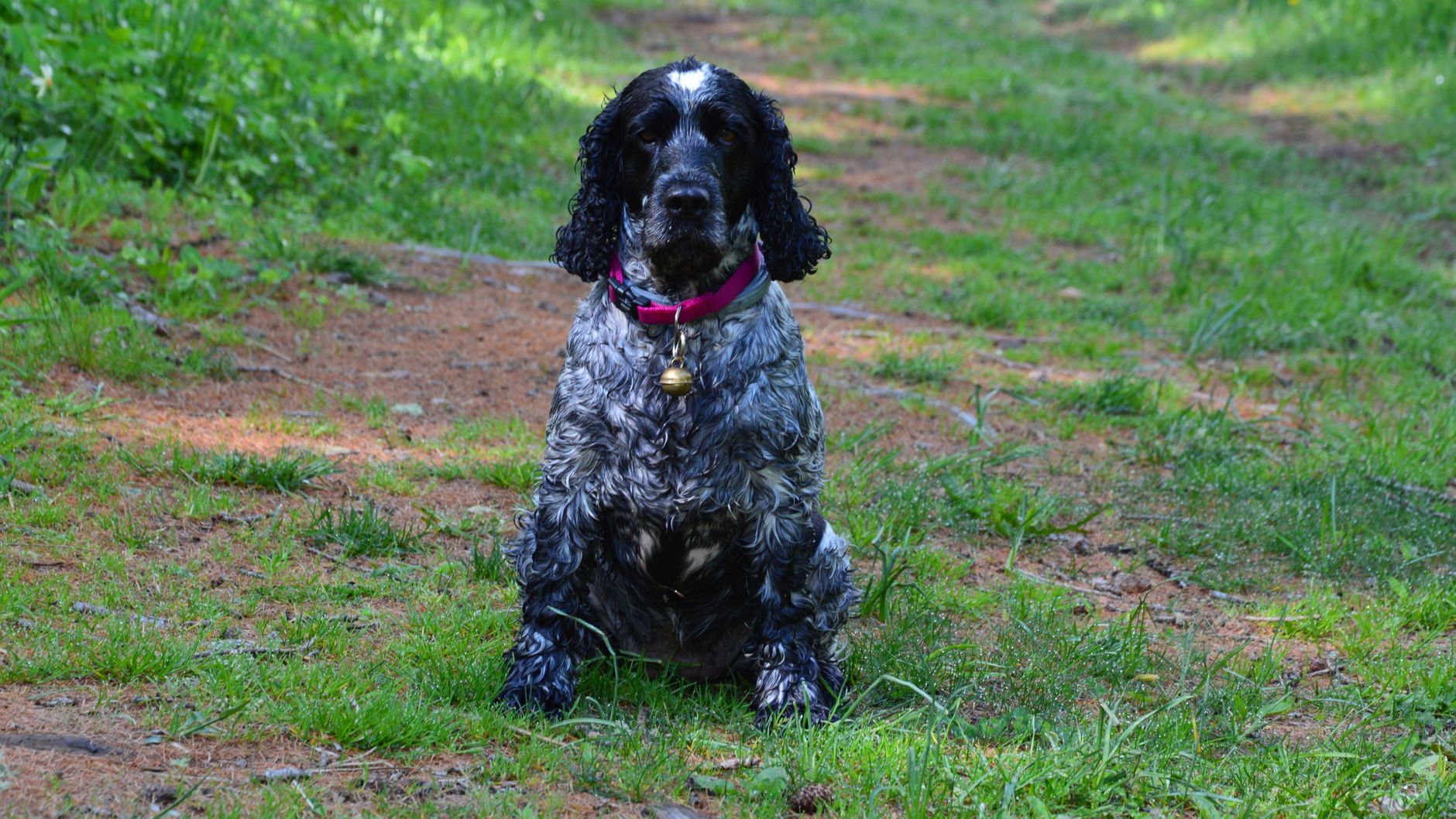 Cocker Spaniel Ear Infections: Cleaning Routine and Prevention” loading=”lazy”>
Quick Summary
Cocker Spaniels are highly prone to chronic ear infections due to their heavy, pendulous ear flaps, narrow L-shaped canals, and high density of wax-producing glands. Successful management requires a consistent, vet-approved cleaning routine to flush out debris, combined with proactive allergy management and thorough drying techniques. If you observe signs of deep infection, such as extreme pain or balance issues, seek immediate veterinary care to avoid permanent damage.
As an Amazon Associate, we earn from qualifying purchases.
Popular with dog owners: Dog Ear Cleaner · Dog Shampoo · Enzyme Stain & Odor Remover
In my fifteen years as a veterinarian, I have examined thousands of ears, but none require as much proactive vigilance as those of the Cocker Spaniel. These beautiful, floppy ears are unfortunately the perfect incubator for yeast and bacteria due to their heavy drape and narrow canals.
It is not uncommon for a Cocker to visit my clinic multiple times a year for ear-related discomfort.
Every week in my clinic, I meet frustrated owners who feel like they are fighting a losing battle against chronic otitis. I am here to tell you that with the right clinical routine and preventive strategies, you can break this cycle and keep your Cocker’s ears healthy and pain-free.
It requires consistency, the right tools, and an understanding of your dog’s unique anatomy.
By taking control of their ear health today, you can prevent permanent structural changes to their canals. Let’s walk through exactly what causes these issues, how to recognize them, and the step-by-step cleaning routine I teach my clients.
Key Takeaways
- Cocker Spaniel anatomy naturally traps heat, moisture, and excess wax, creating an ideal breeding ground for pathogens.
- A proper ear cleaning involves filling the canal with a vet-approved solution, massaging the base, and letting the dog shake out the debris.
- Never use cotton swabs (Q-tips) deep inside the ear canal, as they compact debris and risk rupturing the eardrum.
- Chronic ear infections in Cocker Spaniels are frequently linked to underlying food or environmental allergies.
- Using home remedies like vinegar, alcohol, or hydrogen peroxide can cause severe irritation, pain, and chemical burns.
- Identify red flags early, such as severe pain, head tilting, or yellow-green discharge, which require immediate veterinary care.
In This Article
- The Anatomy of a Cocker Spaniel Ear: Why They are Prone
- Recognizing the Warning Signs of an Ear Infection
- Step-by-Step Clinical Guide to Cleaning Your Cocker’s Ears
- Choosing the Right Ear Cleaner: Vet-Approved Ingredients
- Preventive Strategies Beyond Cleaning
- When to See the Vet: Diagnosing Deep or Resistant Infections
- Advanced Veterinary Interventions: Teaming Up with Your Vet
The Anatomy of a Cocker Spaniel Ear: Why They are Prone
To understand why your Cocker Spaniel struggles with ear infections, we have to look closely at their unique anatomy. Their long, heavy ears—known as pendulous pinnae—completely cover the ear canal, acting like heavy drapes that trap moisture, heat, and debris inside.
This creates a dark, warm, humid microenvironment that is ideal for opportunistic pathogens to thrive and multiply.
Furthermore, Cocker Spaniels naturally possess a higher density of apocrine and sebaceous glands in their ear canals compared to other breeds. This genetic predisposition means they produce significantly more cerumen, or earwax, which acts as fuel for yeast and bacterial overgrowth.
When you combine trapped moisture with abundant wax, an infection is almost inevitable without regular intervention.
Finally, the horizontal and vertical ear canals meet at a sharp ninety-degree angle, creating an L-shape. This makes it incredibly easy for wax and debris to slide down to the bottom of the canal and become physically trapped against the delicate eardrum, where normal air circulation cannot reach it.
Understanding this layout is crucial to performing safe, effective cleanings.
Virbac Epi-Otic Advanced Ear Cleanser
- ✓Gentle ear cleanser for dogs and cats
- ✓Helps loosen wax and debris
- ✓Easy-squeeze bottle for at-home cleaning
- Routine ear cleaning helps prevent infections in floppy- or hairy-eared breeds
- Keeps ears clean between vet visits
- Heavy pendulous ear flaps that severely restrict natural airflow.
- A narrow, L-shaped ear canal that traps fluids and debris deep inside.
- An overabundance of sweat and wax glands, leading to heavy wax buildup.
- A high genetic predisposition to environmental and dietary allergies.
- Thick hair growth near the entrance of the canal that physical blocks debris expulsion.

Recognizing the Warning Signs of an Ear Infection
Catching an ear infection early is the key to preventing it from migrating from the outer ear (otitis externa) to the middle or inner ear. In my practice, I find that many owners miss the earliest signs, only noticing a problem when a strong, yeast-like odor develops or when the dog begins crying in pain.
Your dog cannot tell you when their ears itch or throb, but their behavior and physical symptoms speak volumes if you know what to look for. If you notice any of these signs, it is time to skip the routine cleaning, as cleaning a highly inflamed or ruptured ear can be incredibly painful and dangerous.
Instead, schedule a visit so we can perform an ear cytology.
We must perform a diagnostic swab to identify whether we are dealing with a fungal overgrowth, a bacterial infection, or a combination of both. Treating a bacterial infection with antifungal drops or vice versa will not resolve the issue and can prolong your pet’s suffering.
- Frequent, vigorous head shaking or constant head tilting.
- Persistent scratching at the ears or rubbing the side of the face on the carpet.
- A strong, sweet, musty, or foul-smelling odor coming from the ear canal.
- Visible redness, swelling, or heat radiating from the inner ear flap.
- Discharge that appears dark brown and waxy, or resembles coffee grounds.
- Whining, crying, or showing aggression when the head or ears are touched.
Yeast vs. Bacterial Infections
While both cause discomfort, they require different medical treatments. Yeast infections typically produce a sweet, musty smell and thick brown wax, whereas bacterial infections often yield a foul odor and yellow or green purulent discharge.

Step-by-Step Clinical Guide to Cleaning Your Cocker’s Ears
Cleaning a Cocker Spaniel’s ears is a delicate procedure that requires the right technique to avoid pushing debris deeper into the canal. I always tell my clients that the goal is to flush and float the debris out, not to dig it out manually with dangerous tools.
Before you begin, gather your supplies in a quiet, distraction-free area of your home, preferably somewhere with easy-to-clean floors. Having a helper to offer high-value treats can make this a positive experience rather than a stressful chore, helping your dog cooperate for future cleanings.
Remember to remain calm and gentle during this process, as dogs are highly sensitive to our energy. If your dog becomes extremely stressed or shows signs of severe pain, stop immediately and contact your veterinary team for assistance.
- Gently lift the ear flap to straighten the vertical ear canal as much as possible.
- Fill the entire ear canal with a high-quality, vet-approved ear cleaning solution.
- Do not let the tip of the bottle touch the ear, as this introduces bacteria into the bottle.
- Massage the base of the ear canal for 30 to 45 seconds to loosen deep-seated wax.
- Step back and allow your dog to vigorously shake their head, which flings loose debris outward.
- Use a soft cotton ball or cosmetic pad to wipe away the remaining debris from the outer flap.
- Avoid using Q-tips in the horizontal canal, as they can easily push debris deeper and rupture the eardrum.
- ✓Cleans, deodorizes and dries the ears
- ✓Gentle enough for regular use
- ✓100 disposable wipes
- Regular ear cleaning helps prevent infections, especially in breeds with floppy or hairy ears
The Importance of Drying
Moisture is the ultimate enemy of Cocker Spaniel ears. After cleaning, let the ears dry completely before allowing your dog to sleep, and never use cotton balls soaked in water, which only adds to the moisture problem.

Choosing the Right Ear Cleaner: Vet-Approved Ingredients
Using the wrong cleaning solution can actually worsen an ear issue and cause immense pain to your pet. Over-the-counter products containing alcohol, hydrogen peroxide, or vinegar can dry out the tissue too aggressively, leading to painful micro-tears, severe inflammation, and chemical burns.
As a vet, I look for specific therapeutic ingredients that actively target yeast, bacteria, and wax buildup without disrupting the ear’s natural pH. Always consult your veterinarian to choose a product tailored to your dog’s current ear cytology, as an active infection requires a different formula than routine maintenance.
Using a poor quality or homemade cleaner is one of the most common mistakes I see. These mixtures often fail to break down the heavy lipids in Cocker earwax, leaving a wet residue that actually accelerates the growth of harmful pathogens.
- Salicylic acid or lactic acid to gently exfoliate, dry, and acidify the ear environment.
- Ketoconazole or miconazole to target fungal pathogens and persistent yeast overgrowths.
- Chlorhexidine to provide broad-spectrum antibacterial protection for minor irritations.
- Squalene or propylene glycol to act as cerumenolytics, effectively melting heavy wax.
- Hydrocortisone to reduce itching, redness, and acute swelling in inflamed canals.

Preventive Strategies Beyond Cleaning
While a regular cleaning routine is vital, long-term prevention is a multi-faceted approach that looks at the dog’s whole body. In my years treating this breed, I have found that chronic, recurrent ear infections are frequently secondary to underlying systemic issues, most notably food or environmental allergies.
If we only treat the ear and ignore the systemic cause, the infection will return weeks after we stop medication. Addressing your dog’s diet, environment, and lifestyle is just as crucial as the physical cleaning process to break the cycle of chronic inflammation.
We often have to conduct dietary trials or start environmental allergy management to achieve long-term resolution. This holistic approach is the only way to truly stop the recurrent cycle of otitis and protect your dog’s long-term comfort.
- Identify and manage food allergies under veterinary supervision, focus on single-source novel proteins.
- Keep the ear canal hair trimmed to improve ventilation and minimize trapped debris.
- Always dry your dog’s ears thoroughly with a microfiber towel after swimming or bathing.
- Use a snood or head protector during meals to keep long ear flaps from dipping into food and water.
- Maintain regular flea and environmental allergy medications to prevent systemic skin flare-ups.
- Schedule professional veterinary exams twice a year to monitor the deep horizontal ear canals.
The Role of Diet
A high-quality diet rich in Omega-3 fatty acids can help strengthen the skin barrier. This reduces inflammatory responses in the ear canal and makes the tissue less hospitable to opportunistic pathogens.
When to See the Vet: Diagnosing Deep or Resistant Infections
There is a distinct line between routine home maintenance and a medical issue that requires immediate veterinary intervention. Trying to clean an ear that is severely infected, ulcerated, or has a ruptured eardrum can cause immense pain and even permanent hearing loss or neurological damage.
If your dog’s ear looks bright red, is extremely painful to the touch, or if you notice changes in their balance or eye movements, stop cleaning immediately. These are red flags indicating that the infection has progressed past the point of simple home care and needs veterinary diagnostics.
Attempting to treat a deep infection at home can push pathogens into the middle ear, leading to a condition called otitis media. This is much more difficult to treat and can require surgical intervention if left unchecked.
- The outer ear flap is swollen, thick, leathery, or cauliflower-like in appearance.
- Your dog yelps, growls, or runs away when you try to gently touch their ears.
- You see dark blood, green pus, or a watery discharge flowing out of the ear.
- Your dog tilts their head constantly or exhibits a loss of balance and stumbling.
- The ear symptoms persist or worsen after 48 hours of prescribed medical treatment.
- The canal is completely swollen shut, preventing any ear cleaner from entering.

Advanced Veterinary Interventions: Teaming Up with Your Vet
When simple cleanings fail to keep infections at bay, we must partner to look deeper into the root causes. In my clinic, we perform ear cytologies on every ear case to identify the exact culprits—whether they are Malassezia yeast, rod-shaped bacteria, or cocci bacteria.
Identifying the pathogen allows us to target it with precise topical medications, avoiding the misuse of antibiotics that leads to drug resistance. For severe, chronic cases, we may recommend more advanced diagnostics and treatments to restore your dog’s quality of life and relieve their discomfort.
By working closely with your veterinarian, you can establish a proactive management plan. This prevents the ear canal from undergoing irreversible changes, such as calcification, which can ultimately strip your dog of their hearing.
Ear Cytology and Culture
An ear cytology involves taking a swab of the discharge, staining it, and looking at it under a microscope. If the infection is resistant, we will perform a bacterial culture and sensitivity test to pinpoint the exact antibiotic required.
Deep Ear Flushes and Myringotomy
Under general anesthesia, we can perform a deep ear flush to clear out impacted debris from the horizontal canal. If the eardrum is intact but fluid is trapped behind it, a controlled myringotomy can relieve pressure and treat the middle ear.
TECA-LBO Surgery
In end-stage cases where the ear canal has calcified and become permanently closed, a Total Ear Canal Ablation and Lateral Bulla Osteotomy (TECA-LBO) may be the only way to relieve chronic, agonizing pain.
-
earthbath Oatmeal & Aloe Dog ShampooSoothes itchy, dry skin while cleaning the coat
-
Nature’s Miracle Advanced Dog Stain & Odor EliminatorEnzyme cleaners break down urine and odour completely, which stops pets re-marking the same spot
-
The Green Pet Shop Self-Cooling Pet PadHelps flat-faced and thick-coated pets stay comfortable in the heat
Related Dog Guides
Frequently Asked Questions
How often should I clean my Cocker Spaniel’s ears?
For a healthy Cocker Spaniel, I recommend a routine cleaning once every one to two weeks. If your dog is a frequent swimmer or has active environmental allergies, you may need to clean them more regularly as advised by your vet.
Can I use vinegar and water to clean my dog’s ears?
I strongly advise against using vinegar, alcohol, or hydrogen peroxide to clean your dog’s ears. These substances are highly acidic or drying, which can cause severe pain, chemical burns, and worsen existing inflammation.
Why do Cocker Spaniels’ ears smell like corn chips or yeast?
A corn chip or sweet, musty odor is a classic sign of a Malassezia yeast infection. The moist, warm, and waxy environment of a Cocker’s ear canal is the perfect breeding ground for this fungus to thrive.
Should I pluck the hair inside my Cocker Spaniel’s ears?
Plucking ear hair is a controversial topic, but generally, I recommend avoiding aggressive plucking unless the hair is completely blocking airflow. Excessive plucking can irritate the hair follicles, leading to micro-tears and secondary bacterial infections.
Can a food allergy cause my Cocker Spaniel to get ear infections?
Yes, underlying food allergies are one of the most common primary causes of chronic ear infections in Cocker Spaniels. Allergies trigger inflammation in the skin lining the ear canal, allowing yeast and bacteria to overgrow.
What is TECA surgery, and when is it necessary?
Total Ear Canal Ablation (TECA) is a surgical procedure where the entire diseased ear canal is removed. It is reserved as a last resort for chronic, end-stage ear infections where the canal has calcified and medicine can no longer help.
Sources & Further Reading
Final Thoughts
Caring for a Cocker Spaniel’s ears is a lifelong commitment, but it is one of the most impactful things you can do for their quality of life. By establishing a consistent, gentle cleaning routine and addressing underlying factors like allergies and moisture, you can spare your dog from chronic, agonizing pain.
Remember, you do not have to fight this battle alone. Your veterinary team is your best ally in keeping those beautiful, floppy ears healthy and clean.
If you are ever unsure about the state of your dog’s ears, do not hesitate to reach out for a professional exam. Together, we can keep your beloved Cocker happy, comfortable, and infection-free for years to come.