

Quick Summary
While most domestic felines notoriously avoid wet environments, specific breeds like the Turkish Van, Maine Coon, and Bengal possess genetic traits, history, and specialized water-resistant coats that make them love water. As a practicing veterinarian, I recommend cultivating this unique behavior safely by using positive-reinforcement introductions, maintaining strict supervision, and utilizing proper post-swim drying techniques to prevent ear infections.
As an Amazon Associate, we earn from qualifying purchases.
Popular with cat owners: Slicker Brush · Cat Tunnel · Cat Treats
In my twenty-two years of clinical veterinary practice, I have treated thousands of feline patients. One of the most persistent and widespread myths I encounter from pet parents is that all domestic cats universally detest water.
While it is true that many cats will leap away from a single stray drop of rain, certain breeds possess an innate, genetically driven affinity for water. In my clinic, I regularly hear amusing stories of cats jumping into occupied bathtubs, splashing in sinks, or trying to swim in backyard pools.
Understanding why these specific breeds love water is not just fascinating; it is also crucial for their overall care, hygiene, and household safety. Today, we will explore five remarkable breeds that naturally gravitate toward water and discuss how to keep them safe during their aquatic adventures.
Key Takeaways
- Certain cat breeds like the Turkish Van, Maine Coon, and Bengal have genetic and physical traits that make them naturally love water.
- Water-loving breeds often possess specialized, water-resistant coats with unique natural oil structures.
- Always supervise felines around deep water, including pools, tubs, and hot tubs, to prevent accidental drowning.
- Post-swim care should always include fresh-water rinsing and thorough ear drying to prevent painful outer ear infections.
- Introduce water gradually using positive reinforcement rather than forcing exposure on your cat.
In This Article
- 1. The Turkish Van: The Legendary Swimming Cat
- 2. The Maine Coon: The Water-Loving Giant
- 3. The Bengal: Exotic Ancestry and Aquatic Play
- abyssinian-the-high-energy-investigator”>4. The Abyssinian: The High-Energy Investigator
- savannah-bold-regal-and-deeply-aquatic”>5. The Savannah: Bold, Regal, and Deeply Aquatic
- 6. Veterinary Analysis: Why Do Some Cats Love Water?
- 7. Clinical Risks: Water Safety and Hygiene for Cats
- 8. How to Safely Introduce Your Cat to Water
1. The Turkish Van: The Legendary Swimming Cat
Affectionately dubbed the ‘swimming cat,’ the Turkish Van is perhaps the most famous water-loving breed in the feline world. Hailing from the rugged, mountainous Lake Van region of Turkey, these cats naturally adapted to their environment by learning to swim in the lake’s shallow waters to fish and cool off.
In my years of practice, Turkish Van owners have consistently confirmed this trait, often telling me they must keep bathroom doors securely shut to prevent uninvited swim sessions. Unlike most felines, this breed does not just tolerate dampness; they actively seek out deep water to paddle and play.
Their unique anatomy is perfectly designed for this lifestyle, featuring a body shape and coat texture unlike almost any other domestic cat.
- A water-resistant, cashmere-like single coat that lacks a downy undercoat, allowing it to dry almost instantly.
- Strong, muscular hind legs and broad shoulders that provide excellent swimming propulsion.
- A natural curiosity that draws them to running faucets, flushing toilets, and full bathtubs.
Swihauk Self-Cleaning Slicker Brush
- ✓Release button for one-step hair removal
- ✓Rounded bristle tips are gentle on skin
- ✓Stainless steel pins in a compact design
- Fine wire pins lift loose undercoat and work out small tangles before they turn into mats
Caring for the Turkish Van’s Coat
Because they lack a traditional dense undercoat, their fur does not mat as easily when wet. However, I always recommend a thorough brushing once a week with a slicker brush to remove loose hairs before they decide to take a dip in your sink.

2. The Maine Coon: The Water-Loving Giant
The Maine Coon is the gentle giant of the cat kingdom, and their playful relationship with water is a frequent topic of conversation in my clinic’s exam rooms. Historically, these massive felines served as working cats on New England shipping vessels, where they braved salty ocean spray and wet decks to hunt rodents.
This working heritage has left them with a dense, heavy, water-resistant double coat that naturally repels moisture and keeps them warm in freezing conditions. In my practice, I frequently treat Maine Coons who refuse to drink normally, preferring to splash their paws vigorously in their bowls first.
If you own a Maine Coon, you are likely very familiar with the daily ritual of cleaning up puddles around the water dish, as they treat hydration like a sensory sport.
- A thick, oily outer coat that acts as a natural wetsuit, keeping their skin completely dry.
- Large, tufted paws that act like snowshoes on land and efficient paddles in the wet.
- A highly social and curious temperament that makes them want to participate in their owner’s showers or baths.

3. The Bengal: Exotic Ancestry and Aquatic Play
Bengals are a striking hybrid breed created by crossing domestic cats with the wild Asian Leopard Cat. This wild heritage gives them their stunning leopard-like spots, incredible athletic ability, and an intense, almost obsessive fascination with water.
I always warn my Bengal clients that a simple plastic water bowl will not suffice for this breed. They possess a strong instinctual drive to ‘fish’ in their bowls, which usually results in the bowl being flipped upside down within minutes.
They are incredibly active felines who require a vast amount of environmental enrichment, and water play is one of the best ways to satisfy their busy minds.
- A strong genetic drive inherited from wild ancestors who regularly fished in Asian rivers and wetlands.
- A highly energetic lifestyle that makes splashing and batting at running water an ideal outlet for physical energy.
- An unusually fearless attitude toward bathtubs, showers, and even outdoor swimming pools.

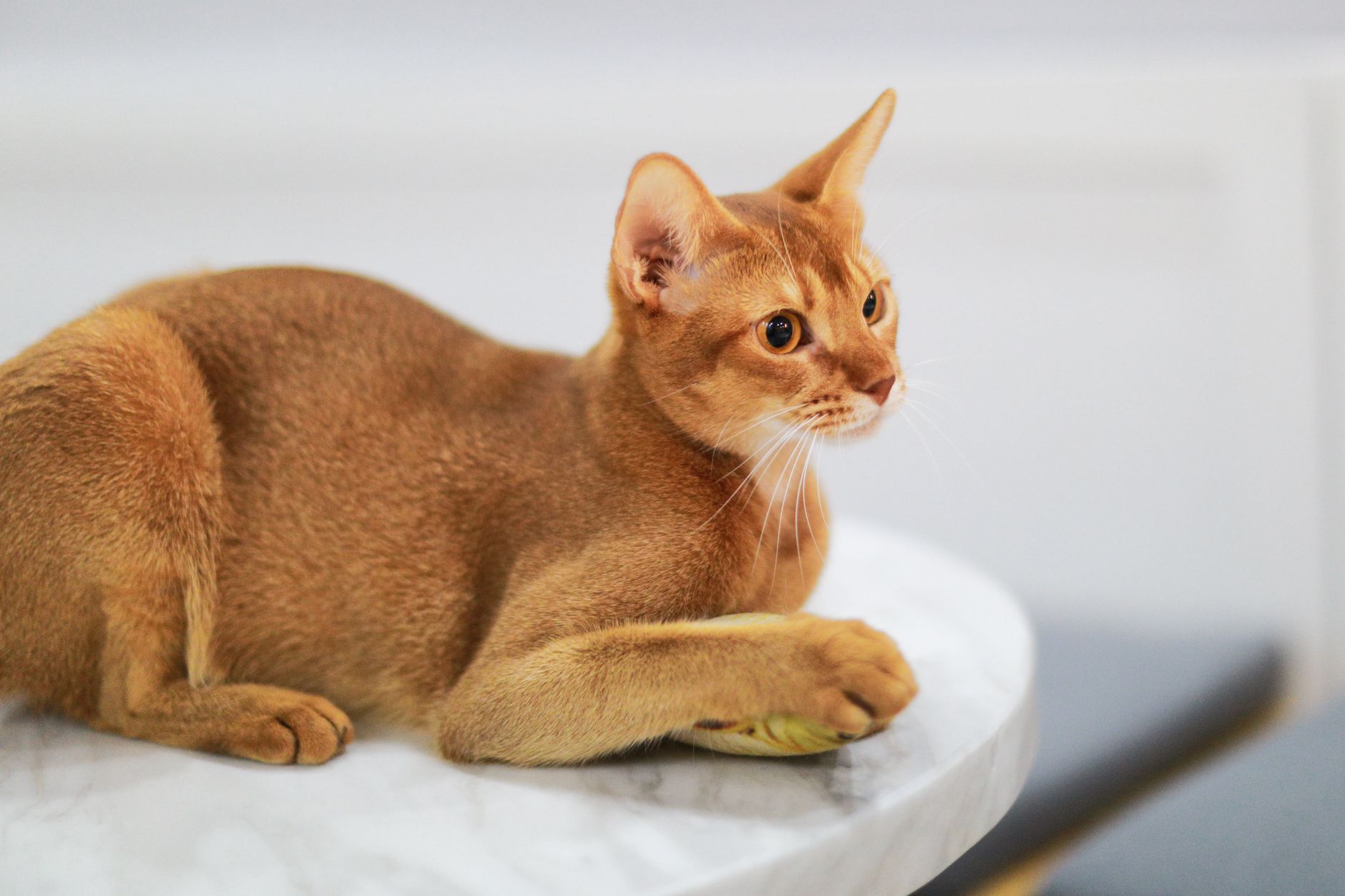
4. The Abyssinian: The High-Energy Investigator
Abyssinians are sleek, muscular, and perpetually active cats that treat their entire household as an interactive playground. Their relationship with water is fueled entirely by their boundless curiosity and absolute lack of fear.
Sheldamy S-Shaped 2-Way Cat Tunnel
- ✓S-shape suits cats’ love of hiding
- ✓Waterproof, scratch-resistant fabric
- ✓Collapsible
- A crinkly play tunnel gives cats somewhere to hide, pounce and race through
While they do not have the water-resistant double coats of Maine Coons, their short, ticked coats dry incredibly fast. They do not mind getting completely soaked because they are constantly on the move, generating plenty of body heat to dry themselves.
In my clinical experience, these cats are master manipulators of household plumbing, quickly learning how to turn on lever-style sink faucets to create their own water parks.
- A fearless and highly inquisitive personality that views running water as a puzzle to be solved.
- A short, fine coat that dries very rapidly with minimal effort or towel assistance.
- A strong preference for moving water, which often leads them to ignore stagnant bowls in favor of dripping sinks.
5. The Savannah: Bold, Regal, and Deeply Aquatic
The Savannah is a majestic hybrid breed produced by crossing a domestic cat with the Serval, a wild African feline. In the wild, Servals are wetland hunters, frequently wading through high marsh waters to catch frogs, fish, and birds.
This ancestral affinity for water is fully intact in the modern Savannah cat, making them highly enthusiastic swimmers. They are exceptionally large, intelligent, and athletic, requiring owners who are prepared to provide advanced mental and physical stimulation.
It is not uncommon for Savannah owners to tell me their cats voluntarily join them in the swimming pool or stand directly under the running shower spray.
- An ancestral instinct to hunt in shallow waters, leading to high engagement with wet environments.
- Incredible jumping and climbing abilities that allow them to easily scale high tub walls or pool steps.
- An intense intelligence that requires interactive, water-based puzzle toys to prevent boredom-induced behavior issues.
Pool Chemical Safety
Because Savannahs may actually swim in backyard pools, you must monitor them closely. Chlorine and other pool chemicals can dry out their skin and irritate their eyes, so a fresh-water rinse after swimming is mandatory.

6. Veterinary Analysis: Why Do Some Cats Love Water?
To understand why these breeds differ so drastically from the average water-phobic house cat, we must look at feline physiology and evolution. For most cats, wet fur is a survival liability because it weighs them down, compromises their agility, and makes it incredibly difficult to regulate their body temperature.
However, the water-loving breeds we have discussed either evolved in wet environments or retain genetic traits from wild ancestors who relied on aquatic ecosystems. Their coats secrete a unique profile of natural sebum (oils) that repels water rather than absorbing it, keeping their skin dry and warm.
Additionally, these breeds are highly intelligent and energetic, meaning they require more sensory stimulation than calmer breeds. Running water provides a multi-sensory experience—visual movement, splashing sounds, and tactile cooling—that captures their attention far better than static toys.

7. Clinical Risks: Water Safety and Hygiene for Cats
While watching your cat splash around can be incredibly entertaining, as a veterinarian, I must emphasize that aquatic play carries real clinical risks. The most common issue I treat in water-loving cats is otitis externa, which is a painful inflammation or infection of the outer ear canal caused by trapped moisture.
Furthermore, chemicals found in household water sources can pose significant health hazards to your cat’s delicate system. Chlorine in pools, salt in hot tubs, and bacteria in outdoor ponds can all lead to dermatological issues or severe gastrointestinal upset if ingested.
To keep your water-loving feline healthy, you must establish a strict post-swim hygiene routine and maintain active supervision at all times.
- Never leave your cat unsupervised around any deep body of water, including filled bathtubs, hot tubs, or pools.
- Always rinse your cat thoroughly with clean, fresh tap water after they have been exposed to chlorine or saltwater.
- Gently dry the interior of their ears using a clean, dry cotton ball to absorb any trapped water after play.
- Keep toilet lids closed at all times to prevent curious cats from falling in, getting stuck, or drinking harmful cleaning chemicals.
8. How to Safely Introduce Your Cat to Water
Even if you own one of the five breeds listed above, you should never throw a cat directly into a tub of water. Doing so can cause extreme psychological trauma, ruin your bond with your pet, and create a lifelong, fear-based aversion to water.
Instead, I always advise my clients to use a gradual, positive-reinforcement approach that lets the cat set the pace of exploration. By associating water with positive rewards and gentle curiosity, you can nurture their natural aquatic instincts safely.
Patience is key during this training process, and you should always stop immediately if your cat shows signs of stress, such as flattened ears, dilated pupils, or low-pitched growling.
- Start by placing dry, high-value treats inside an empty bathtub or sink to help them form a positive association with the space.
- Introduce a very slow, quiet drip from the faucet and let them observe, sniff, and bat at it on their own terms.
- Place a shallow baking sheet or plastic tray on the floor with just half an inch of warm water and toss in floating toys.
- Gradually transition to a shallow, warm bath, keeping the water level well below their chest and rewarding them continuously.
-
Temptations MixUps Crunchy and Soft Cat TreatsA tasty treat makes training, grooming and vet-carrier practice far easier
-
Stainless Steel Cat Water Fountain, 2.2LMoving, filtered water encourages pets to drink more, which supports kidney and urinary health
-
Yaheetech 63-Inch Large Cat TreeGives cats vertical space to climb, scratch and nap, which reduces stress and keeps them off your shelves
Related Cat Guides
Frequently Asked Questions
Can all cats learn to swim?
While most cats have a basic instinctual ability to doggy-paddle to safety in an emergency, not all cats have the physical or mental temperament to swim for fun. Forcing a non-water-loving breed to swim can cause immense stress, physical harm, and damage your trust relationship.
How do I dry my cat after they get wet?
Start by wrapping them in a warm, dry towel and gently absorbing as much moisture as possible from their coat. Avoid using loud human hair dryers unless your cat is completely comfortable with the sound, as the high heat and noise can easily terrify them.
Is tap water safe for my cat’s ears?
While tap water is fine for bathing, any water left trapped in a cat’s L-shaped ear canal can create a warm, moist environment ripe for yeast and bacterial infections. Always use a dry cotton ball to gently wipe the visible ear canal after water play.
Can my water-loving cat swim in a chlorinated pool?
Yes, but only under strict supervision and with a thorough fresh-water rinse immediately afterward. Chlorine can dry out their sensitive skin, damage their coat, and cause stomach upset if they lick the chlorinated water off their fur.
Why does my cat splash water out of their water bowl?
Many cats splash water because they struggle to see the water’s surface in a static bowl, or because they enjoy the physical sensory feedback. Upgrading to a circulating pet water fountain often satisfies this behavior cleanly and keeps them hydrated.
Sources & Further Reading
Final Thoughts
Welcoming a water-loving cat breed into your home is an incredibly rewarding experience that will undoubtedly fill your life with laughter, splashes, and unique memories. However, as a veterinarian, my primary concern is always ensuring that this fascinating behavioral trait is managed safely and hygienically.
By understanding the unique genetic adaptations of these breeds, implementing strict safety protocols, and maintaining proper ear and coat care, you can safely encourage their aquatic passion. Remember to always let your feline companion lead the way, and never force an interaction with water if they display any signs of fear or distress.
With the right clinical approach, patience, and a few floating toys, you and your water-loving companion can enjoy a lifetime of safe, splashy adventures together.