
Quick Summary
While any cat can theoretically adapt to indoor living, specific breeds possess the exact low-energy, highly adaptable temperaments required to thrive in apartments. Breeds like the British Shorthair, Ragdoll, and Russian Blue excel in compact homes due to their quiet natures and minimal exercise demands. As a veterinarian, I advise focusing heavily on vertical territory and proactive weight management to keep apartment cats physically and mentally healthy.
Over my fifteen years in clinical veterinary practice, I have treated thousands of city-dwelling felines. I often see owners struggling with behavioral issues that stem directly from keeping high-energy cats in cramped, high-rise apartments.
Selecting the right breed is not just about aesthetics. It is a fundamental medical decision that directly impacts your pet’s physical health and mental well-being.
Certain breeds are naturally predisposed to thrive in smaller footprints without developing stress-related pathologies like feline idiopathic cystitis or compulsive over-grooming.
Key Takeaways
- Low-energy breeds like British Shorthairs and Ragdolls adapt best to limited floor plans.
- Vertical space utilization is critical; tall cat trees effectively double an apartment’s usable territory.
- Sedentary apartment cats are highly prone to obesity, requiring strict dietary portion control.
- Russian Blues and Birmans are excellent options for owners who work away from home during the day.
- Regular veterinary checkups are essential to monitor for joint strain and urinary issues in indoor-only cats.
- Hairless and flat-faced apartment breeds require specialized daily grooming despite their lack of outdoor exposure.
In This Article
- The Anatomy of a Great Apartment Cat
- 1. The British Shorthair – The Easygoing Aristocrat
- 2. The Ragdoll – The Gentle Giant
- 3. The Russian Blue – Quiet and Independent
- persian-the-ultimate-couch-potato”>4. The Persian – The Ultimate Couch Potato
- sphynx-energetic-but-ideal-for-small-spaces”>5. The Sphynx – Energetic but Ideal for Small Spaces
- birman-the-balanced-companion”>6. The Birman – The Balanced Companion
- Dr. Heller’s Veterinary Guide to Small-Space Enrichment
The Anatomy of a Great Apartment Cat
In my practice, clients often ask if keeping a cat in a studio apartment is cruel. My answer is always the same: it depends entirely on the cat’s personality and the environment you create.
Cats do not measure their world in square footage; they measure it in complexity and security.
A great apartment cat is low-energy, highly adaptable, and not prone to separation anxiety. If you select a breed with high athletic demands, like a Bengal or Abyssinian, you will likely end up in my office discussing destructive chewing or litter box avoidance.
When cats are stressed by cramped quarters, they express it physiologically. Look out for these subtle indicators that your apartment setup is causing your cat distress.
- Over-grooming, particularly on the belly or inner thighs, leading to bald patches
- Urination outside the litter box, especially on soft surfaces like bedding or rugs
- Excessive vocalization, particularly in the middle of the night
- Aggression directed toward owners, visitors, or other household pets
- Loss of appetite or hiding behavior for extended periods
1. The British Shorthair – The Easygoing Aristocrat
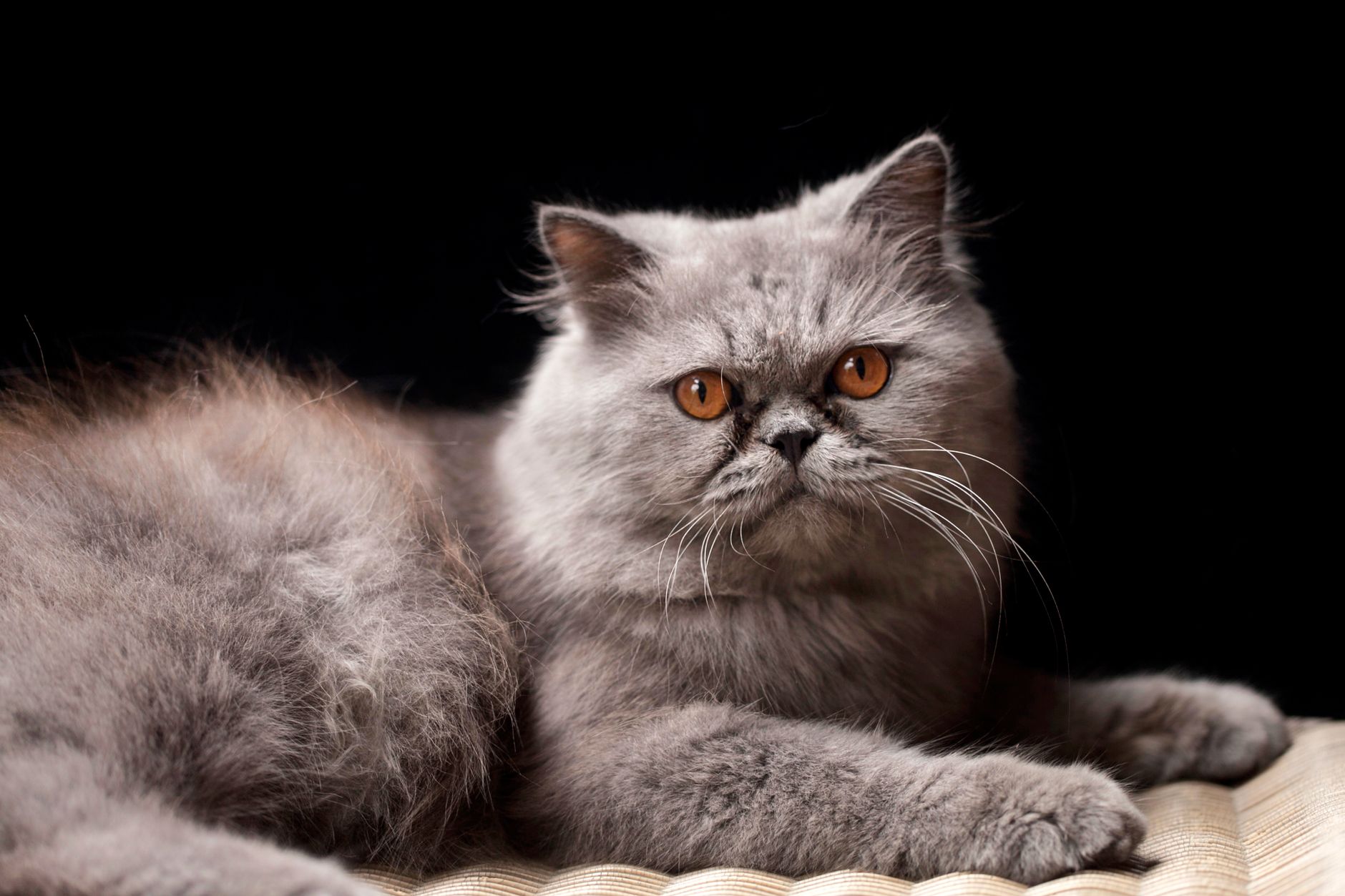
If I had to nominate the ultimate apartment companion, the British Shorthair would be at the top of my list. These sturdy, round-faced cats are the introverts of the feline world.
They love their owners dearly but do not demand constant attention or physical interaction.
From a clinical standpoint, I love this breed for apartments because they are remarkably self-sufficient. They do not get bored easily, and they are perfectly content to nap for hours while you are at work.
They rarely jump onto high countertops, preferring to keep all four paws close to the ground.
However, their sedentary lifestyle means you must manage their weight carefully. Obesity is a major risk for this breed, which can lead to early-onset arthritis and feline diabetes.
- Weight: Typically 9 to 17 pounds, making them solid and robust
- Grooming: Minimal; a weekly brushing of their dense coat is sufficient
- Activity Level: Very low; they prefer quiet lounging over intense play
- Noise Level: Extremely quiet; they rarely meow or make noise
Preventing Obesity in Sedentary Breeds
In my clinic, I prescribe puzzle feeders to almost every British Shorthair I see. These toys force them to work for their kibble, burning calories and providing mental stimulation.
Never free-feed an apartment-dwelling British Shorthair, or they will quickly become overweight.

2. The Ragdoll – The Gentle Giant
Ragdolls are famous for their placid, dog-like temperaments. They got their name because they literally go limp in your arms when you hold them.
This makes them exceptionally well-suited to apartment life, as they are highly tolerant of handling and change.
In my experience, Ragdolls are highly social but very low-key. They will follow you from room to room, acting as a quiet companion rather than a demanding pest.
They have a very low prey drive, meaning they are less likely to get frustrated by the lack of outdoor hunting opportunities.
Because they are a large breed, they do require sturdy furniture. A flimsy cat tree will quickly collapse under a mature male Ragdoll.
Make sure you invest in heavy-duty equipment to prevent injuries.
- Size: Large, with males often reaching 15 to 20 pounds
- Coat: Long and silky, requiring brushing twice a week to prevent matting
- Temperament: Affectionate, calm, and highly social
- Lifespan: 12 to 15 years with proper indoor care
Managing the Ragdoll’s Long Coat in Small Spaces
In a small apartment, cat hair can quickly take over your furniture and carpets. Regular grooming is not just for aesthetics; it prevents painful hairballs.
I recommend daily five-minute brushing sessions to keep shedding under control.
3. The Russian Blue – Quiet and Independent
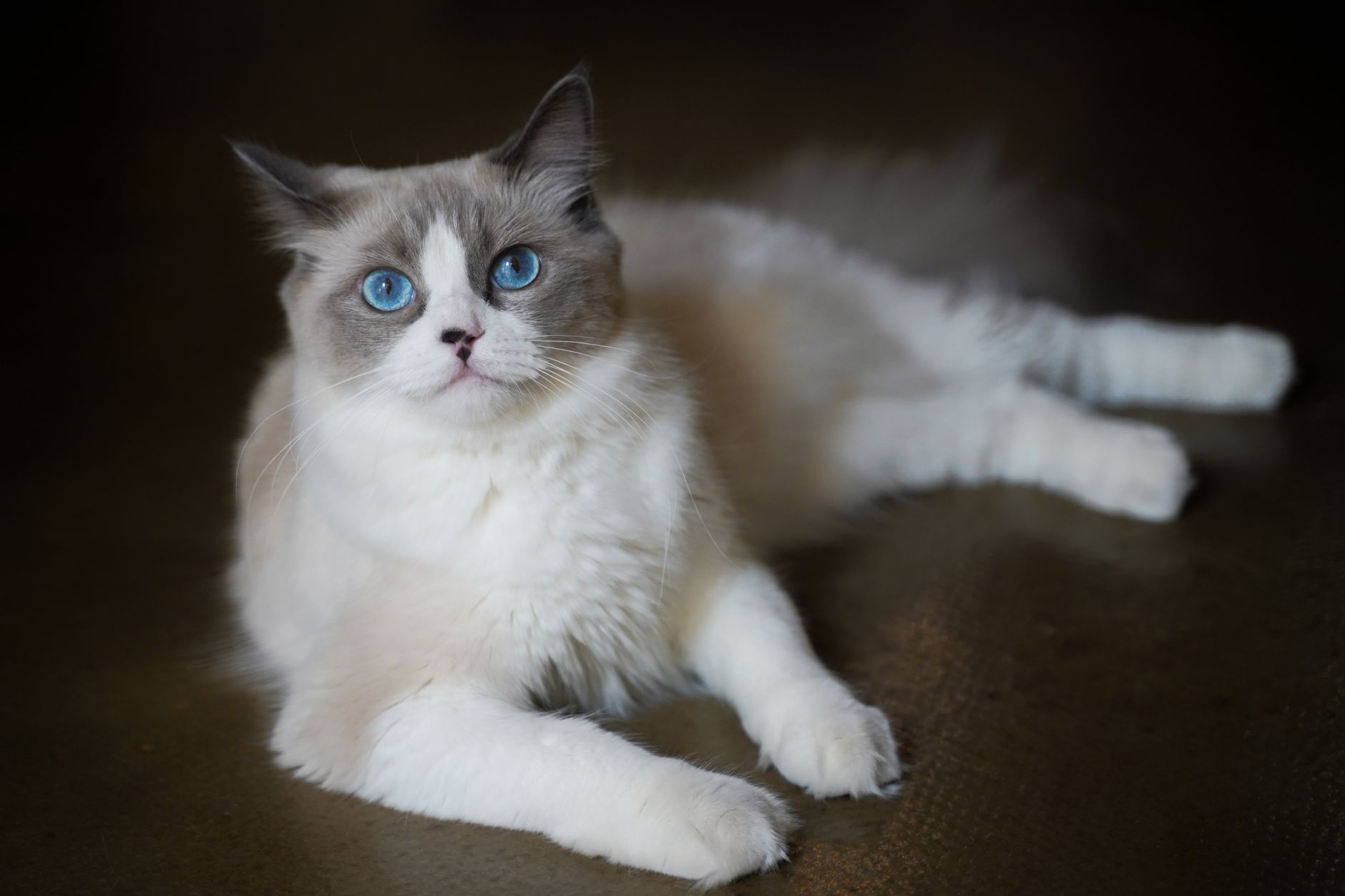
For single professionals living in city apartments, the Russian Blue is an outstanding choice. These elegant, silver-blue cats are famously reserved and highly independent.
They do not suffer from separation anxiety the way more demanding breeds do.
In my clinical practice, I find Russian Blues to be incredibly clean and orderly. They love routine, so as long as you keep their feeding schedule consistent, they will remain perfectly content.
They are also incredibly quiet, making them ideal if you have thin apartment walls and close neighbors.
One thing to note is their cautious nature. They do not like loud noises or chaotic environments, so they do best in calm, adult-only households.
- Coat: Short, dense, and shimmering silver, which sheds minimally
- Personality: Devoted to their owners but aloof with strangers
- Exercise: Enjoy short bursts of play, like fetching paper balls
- Sensitivity: Highly sensitive to changes in their home environment
4. The Persian – The Ultimate Couch Potato
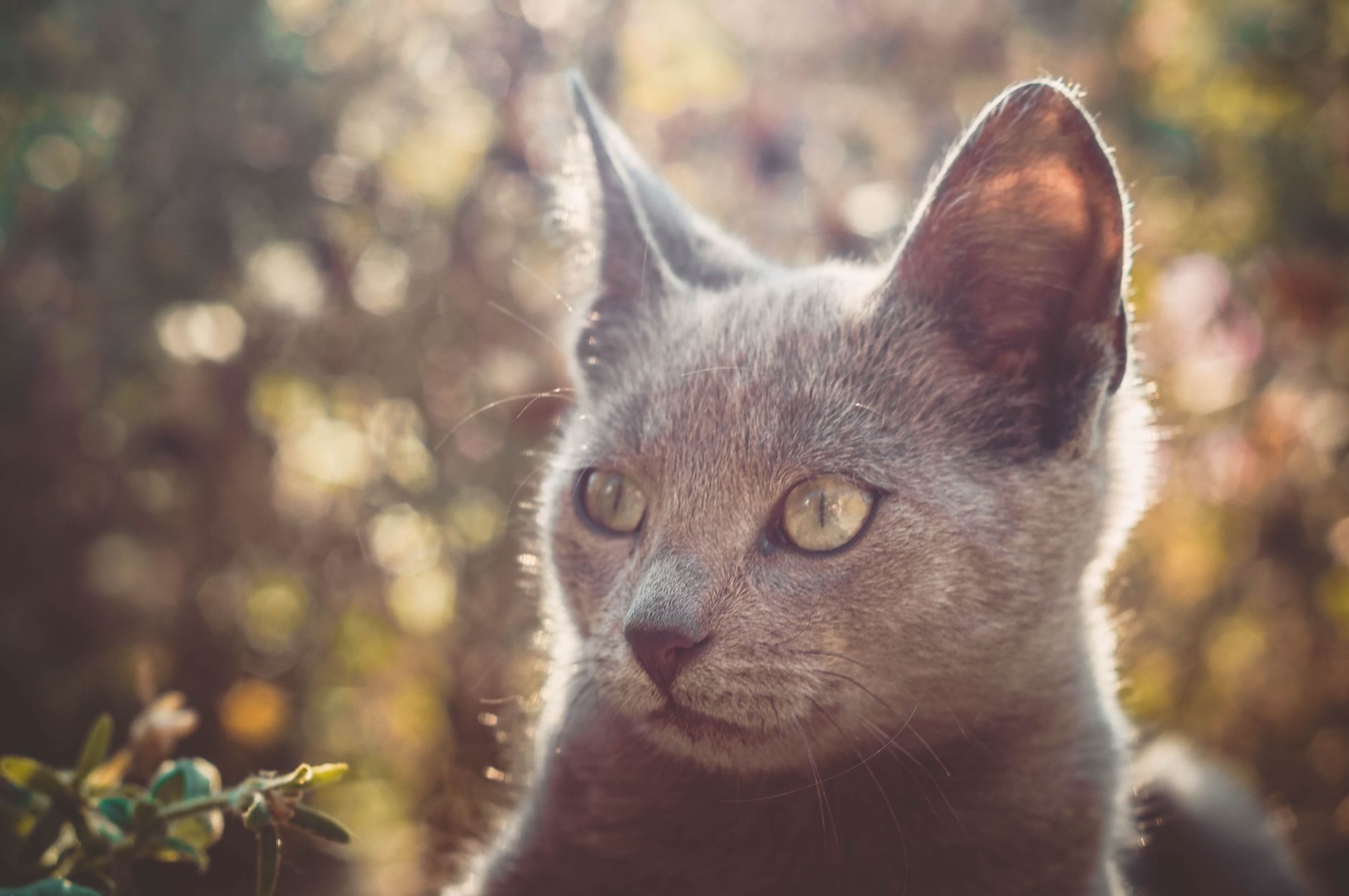
Persians are the undisputed royalty of the sedentary lifestyle. If you want a cat that treats lounging as a full-time job, look no further.
They are incredibly quiet, gentle, and have absolutely no desire to climb your curtains or jump onto your refrigerator.
Physiologically, their flat faces (brachycephalic structure) mean they do not have the lung capacity for intense, sustained exercise anyway. They are perfectly content living in a single room, let alone a multi-room apartment.
They are the definition of low-maintenance when it comes to activity levels.
However, their physical health requires significant daily effort. Their flat faces make them prone to tear duct overflow, and their long, dense double coats will mat within forty-eight hours if neglected.
Daily Maintenance for Brachycephalic Cats
As a vet, I must warn you that Persians are high-maintenance in the grooming department. You must wipe their eyes daily with a damp cloth to prevent tear staining and skin infections.
If you cannot commit to daily brushing, do not adopt a Persian.
- Daily eye wiping to prevent facial fold dermatitis
- Daily combing with a metal greyhound comb to prevent mats
- Professional grooming every 4-6 weeks for sanitary trims
- Monitoring for breathing difficulties in hot, humid apartments
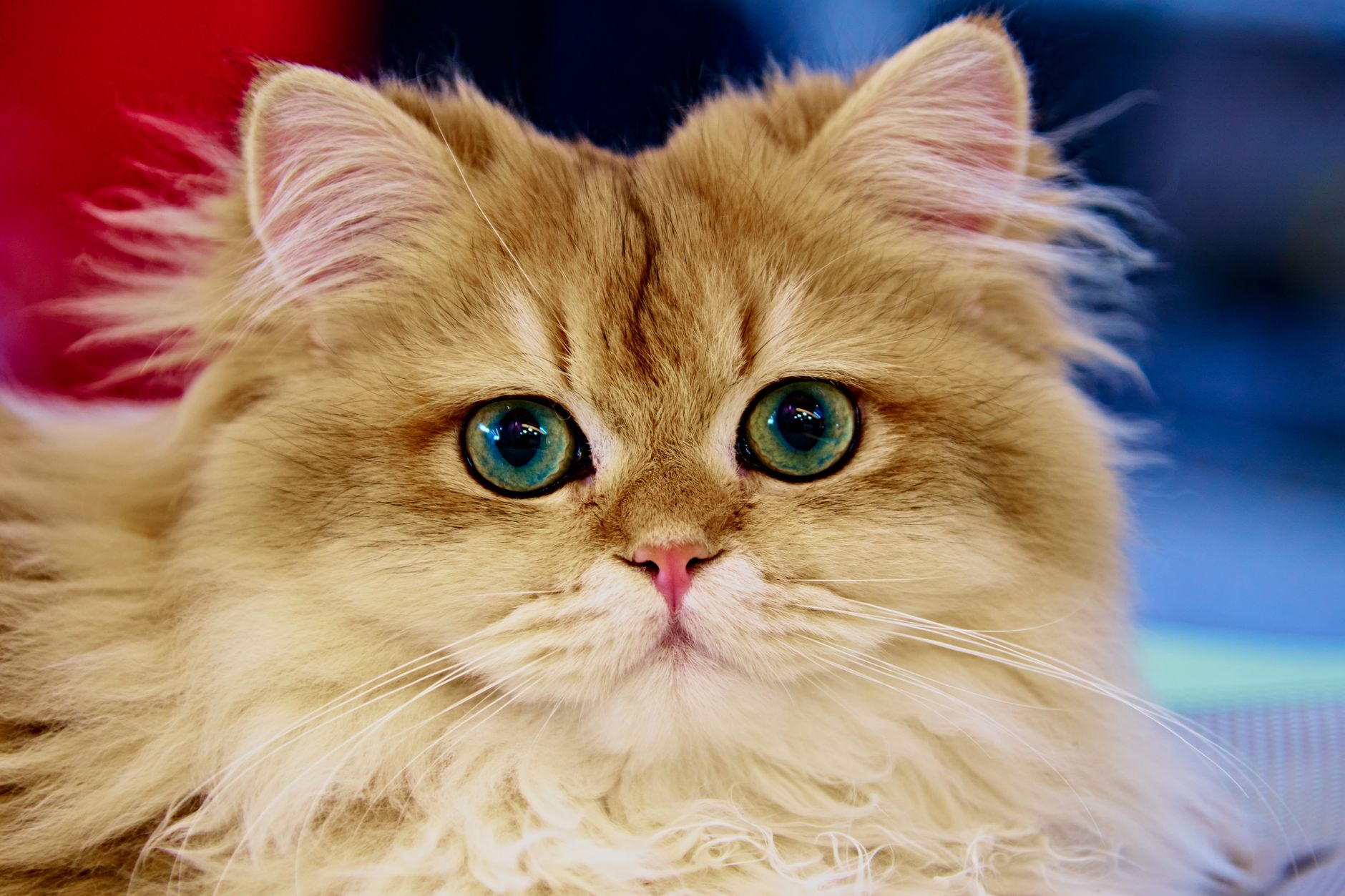
5. The Sphynx – Energetic but Ideal for Small Spaces
Including the Sphynx on an apartment list might surprise some, as they are highly energetic. However, they are outstanding apartment cats for a very specific reason: they must be kept strictly indoors.
Their lack of fur leaves them vulnerable to sunburn, skin cancer, and hypothermia.
Because they cannot safely go outside, they are naturally adapted to indoor-only life. They are incredibly social, affectionate, and love to cuddle under blankets to stay warm.
In my clinic, Sphynx cats are some of the most outgoing patients I treat.
Keep in mind that their hairlessness does not make them low-maintenance. They secrete body oils that are normally absorbed by fur, meaning they require regular bathing to prevent skin infections and greasy spots on your furniture.
Essential Care for Hairless Cats
To keep a Sphynx healthy in an apartment, you must manage their body temperature and skin hygiene. They burn more calories than other cats just to stay warm, so they need a high-quality, calorie-dense diet.
You will also need to invest in cozy pet sweaters for the winter months.
- Weekly bathing with a gentle, vet-approved shampoo
- Cleaning ear canals weekly, as they produce heavy wax
- Providing heated cat beds or thermal blankets
- Wiping down oily skin folds daily to prevent acne
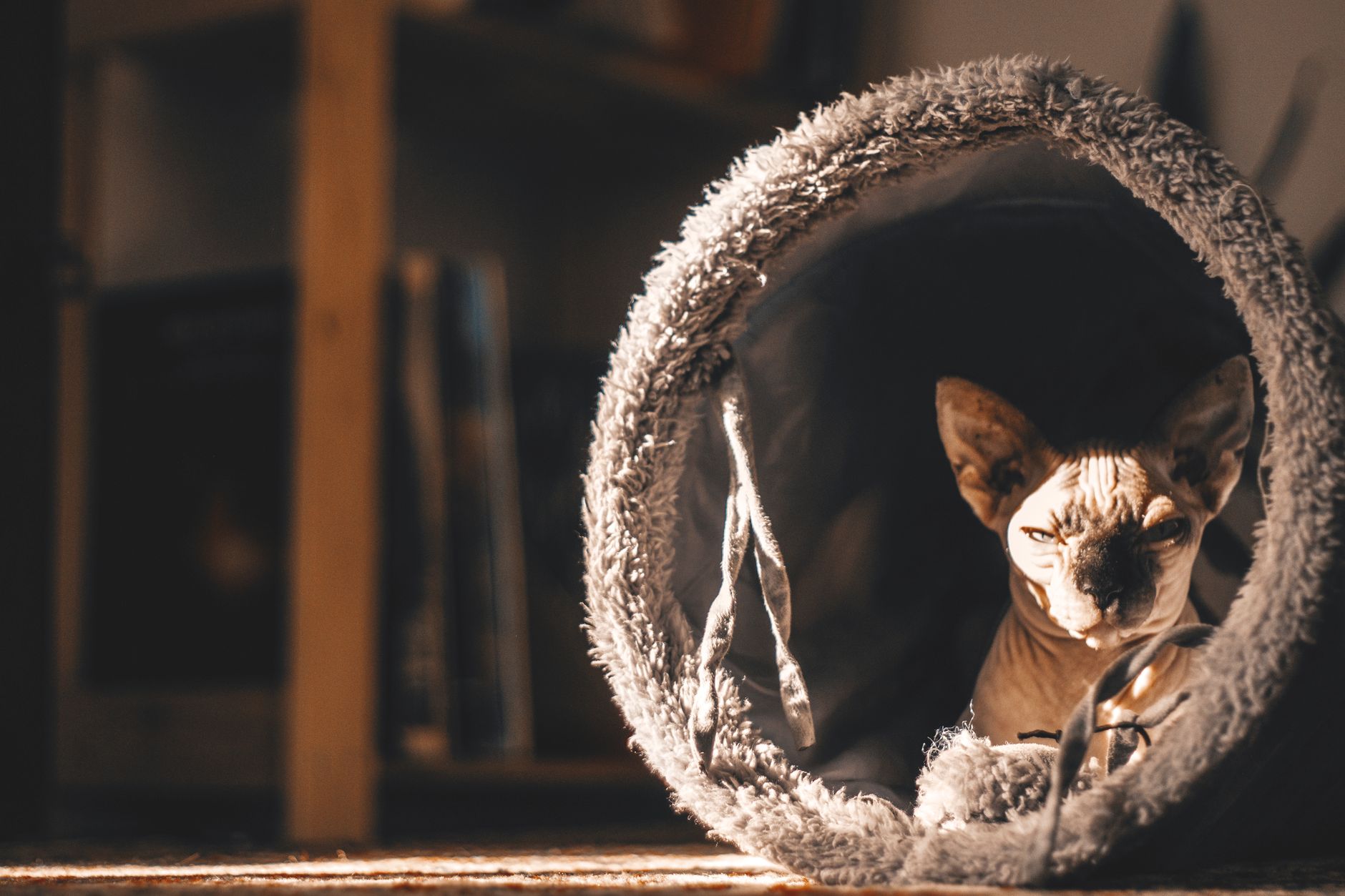
6. The Birman – The Balanced Companion
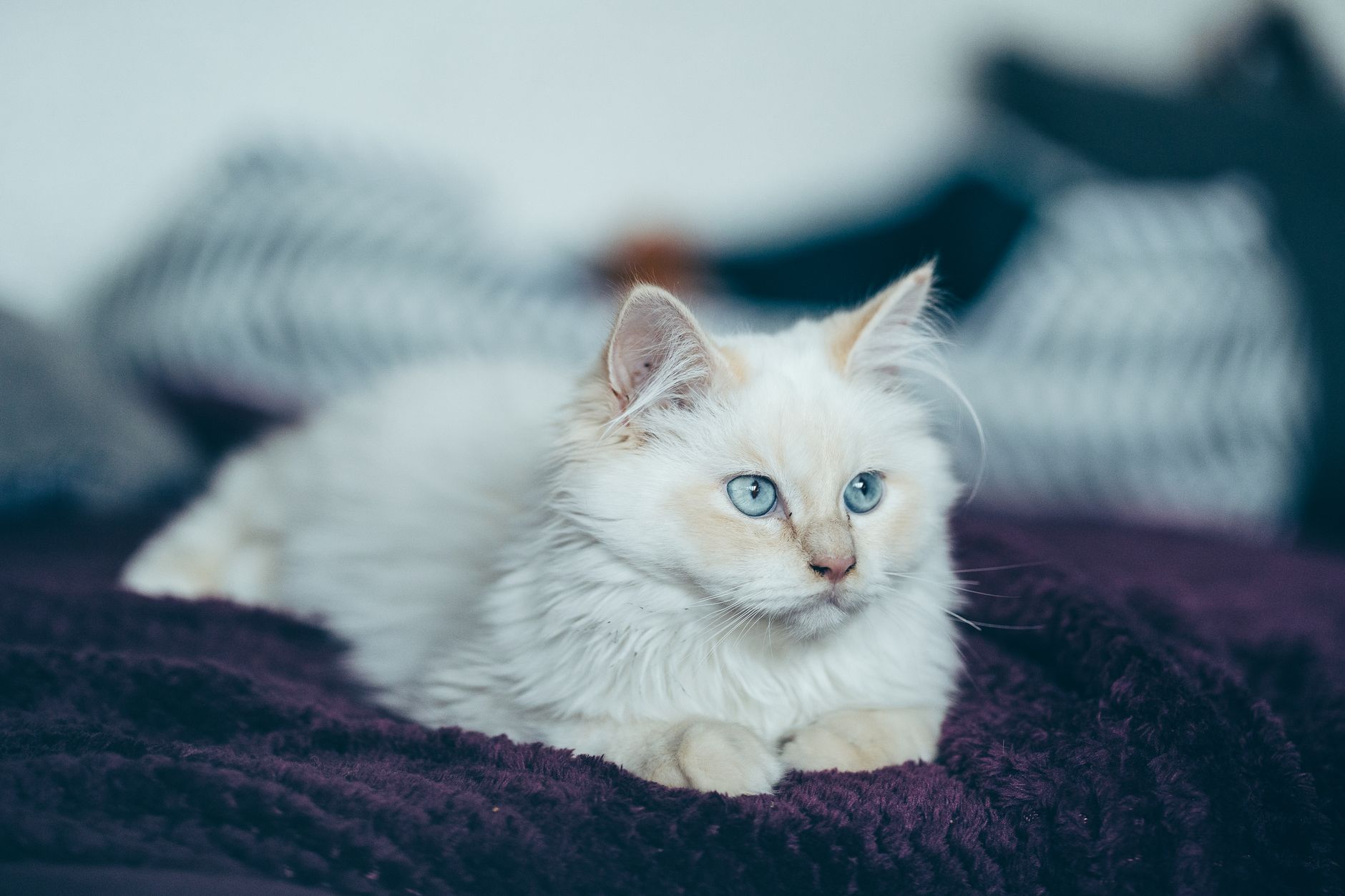
If you want a cat that sits perfectly between the sedentary Persian and the active Sphynx, the Birman is your answer. These beautiful, blue-eyed cats are sweet-tempered and highly adaptable.
They are active enough to be entertaining, but calm enough to thrive in small spaces.
In my clinical experience, Birmans are exceptionally gentle and great with children or other pets. They love to help you with whatever you are doing, but they do it in a quiet, non-destructive way.
They are very people-oriented and will greet you at the door when you come home.
Because they are so social, they can get lonely if left completely alone for long periods. If you work long hours, I often recommend adopting Birmans in bonded pairs to keep each other company.
- Temperament: Playful yet calm, loving, and easygoing
- Size: Medium, weighing between 6 and 12 pounds
- Coat: Medium-long, silky hair that does not mat easily
- Social Needs: High; they thrive on companionship and routine
Dr. Heller’s Veterinary Guide to Small-Space Enrichment
No matter which breed you choose, keeping a cat healthy in an apartment requires active environmental management. Without stimulation, even the most laid-back cat can develop urinary blockages, obesity, and clinical depression.
I always tell my clients that they must expand their apartments vertically. By utilizing wall shelves, window perches, and tall scratching posts, you create a multi-dimensional territory.
This dramatically increases your cat’s usable space and keeps their minds active.
Here are my non-negotiable veterinary recommendations for optimizing a small apartment for any feline companion.
- Install a secure window perch so your cat can watch birds and traffic safely
- Provide at least one scratching post that is tall enough for the cat to fully stretch out on
- Place the litter box in a quiet, low-traffic area, far away from their food and water bowls
- Use vertical wall steps to allow climbing and safe retreats from floor-level activity
- Introduce interactive puzzle feeders to mimic natural foraging behaviors
Frequently Asked Questions
How do I know if my apartment is too small for a cat?
Cats care far more about vertical space and environmental enrichment than square footage. Even a 400-square-foot studio can be a feline paradise if you provide vertical shelving, window access, and regular daily play sessions.
Do apartment cats get lonely when owners are at work?
Yes, some breeds can experience boredom or separation anxiety. If you work long hours, independent breeds like the Russian Blue or British Shorthair are ideal, or you should consider adopting a bonded pair.
How can I stop my apartment cat from waking me up at night?
This is usually caused by daytime boredom. Increase interactive play sessions right before bedtime, and transition your cat to a scheduled feeding routine instead of free-feeding.
What is the best way to handle litter box odor in a small space?
Scoop the box at least twice daily and empty the entire pan weekly. Place the box in a well-ventilated area, and avoid heavily scented litters, which can irritate your cat’s sensitive respiratory system.
Are male or female cats better suited for apartments?
Both sexes thrive equally in small spaces, provided they are spayed or neutered. Intact cats will spray, yowl, and attempt to escape, which is incredibly difficult to manage in an apartment setting.
Do indoor apartment cats need vaccinations and parasite prevention?
Absolutely. Parasites like fleas and heartworms can be carried indoors by humans or enter through window screens. Additionally, indoor cats still require protection against highly contagious airborne viruses.
Sources & Further Reading
Final Thoughts
Living in an apartment does not mean you have to forfeit the immense joy of sharing your life with a cat. By choosing a breed whose temperament naturally aligns with smaller spaces—and proactively optimizing your indoor environment—you can easily prevent the behavioral and medical issues I treat all too often in clinical practice.
Remember that your cat’s world is as big as you make it, regardless of your actual apartment footprint. Focus on daily interactive play, vertical space creation, and consistent veterinary care, and your indoor feline companion will thrive for many years to come.