

Quick Summary
Choosing your first cat requires balancing temperament, grooming needs, and potential genetic health risks. As a veterinarian, I recommend breeds like the Ragdoll, British Shorthair, and American Shorthair for their adaptable natures and manageable care routines. Selecting the right breed ensures a harmonious transition for both you and your new feline companion.
Dr. Veronica Heller here.
Over my fifteen years in clinical veterinary practice, I have seen countless first-time cat owners walk through my doors with wide eyes and a lot of questions. Many are surprised by just how much personality, and specific care, is packed into a single feline companion.
Choosing the right breed can make the transition from a pet-free home to a cat sanctuary seamless and joyful. It prevents the common, heartbreaking mismatch of a high-energy, demanding cat living with a quiet, busy professional.
My goal today is to guide you through the healthiest, most adaptable, and most loving breeds for beginners. Let us look at the top felines that make ownership an absolute breeze, drawing directly from my clinical observations.
Key Takeaways
- Temperament matches environment: match your daily activity level to the breed’s natural energy.
- Grooming is a commitment: long-haired breeds like Ragdolls need consistent brushing to prevent painful matting.
- Genetic health screening is vital: always ask breeders for HCM and kidney disease clearances.
- Independence varies: breeds like the British Shorthair tolerate solitude much better than social Burmese cats.
- Veterinary costs happen: budget for routine dental cleanings and breed-specific health monitoring from year one.
In This Article
- 1. The Ragdoll: The Ultimate Gentle Companion
- 2. The Maine Coon: The Friendly Giant
- 3. The British Shorthair: The Low-Maintenance Aristocrat
- 4. The American Shorthair: The Adaptable Classic
- birman-the-sweet-sacred-cat”>5. The Birman: The Sweet Sacred Cat
- 6. The Russian Blue: The Quiet, Loyal Partner
- 7. The Burmese: The Playful Shadow
- chartreux-the-silent-smiling-companion”>8. The Chartreux: The Silent, Smiling Companion
1. The Ragdoll: The Ultimate Gentle Companion
Ragdolls are famous for their docile, laid-back temperaments. In my clinic, I often tell new owners that these cats behave more like affectionate puppies than aloof felines.
They literally go limp in your arms when held, which is how they got their name.
Their calm demeanor makes them exceptionally well-suited for households with children or other pets. They rarely show aggression and prefer lounging near you over climbing to high, unstable altitudes.
If you want a shadow that purrs constantly, this is your breed. They thrive on human companionship and will greet you at the door every single day.
- Brush their semi-long coat twice a week with a slicker brush to prevent painful mats.
- Schedule annual veterinary screenings for Hypertrophic Cardiomyopathy (HCM), a genetic heart condition.
- Keep them strictly indoors, as their trusting nature makes them poor outdoor defenders.
- Provide low, easily accessible scratching posts rather than tall, unstable towers.
Coat Care Secrets
Ragdolls have a plush, rabbit-like coat that is surprisingly easy to maintain compared to Persians. However, you must pay special attention to the friction areas under their armpits and around their hindquarters.
Introducing grooming tools during kittenhood builds a positive association they will carry forever.
Heart Health Awareness
As a vet, I must emphasize that Ragdolls are genetically predisposed to HCM. Always ask your breeder for DNA clearance certificates of the parents.
Early detection via routine veterinary echocardiograms can add years of high-quality life.

2. The Maine Coon: The Friendly Giant
If you want a large, expressive, and incredibly friendly cat, the Maine Coon is unmatched. In my practice, these ‘gentle giants’ are often the stars because they tolerate handling and clinical exams so beautifully.
They have a fascinating love for water and will happily watch you wash dishes or even try to join you in the shower. Their highly social nature means they fit seamlessly into active families with busy schedules.
Keep in mind that they do grow quite large, with some males reaching over twenty pounds. You will need to prepare your home for their substantial physical presence.
- Invest in oversized litter boxes to accommodate their massive body length.
- Provide sturdy, heavy-duty scratching posts that will not tip over under their weight.
- Incorporate joint supplements like glucosamine early in life to support their large frames.
- Clean their tufted ears weekly to prevent wax buildup and yeast infections.
Managing the Size
A common mistake I see is owners buying standard-sized cat furniture for a Maine Coon. They quickly outgrow basic trees and beds, which can lead to joint stress if they jump from high places onto hard floors.
Buy heavy-duty, solid wood cat trees right from the start.
Preventing Hip Dysplasia
Because of their size, Maine Coons are one of the few cat breeds prone to hip dysplasia. Keeping them at a lean, healthy weight is the single best preventative measure you can take.
Obesity drastically accelerates joint degeneration.
3. The British Shorthair: The Low-Maintenance Aristocrat
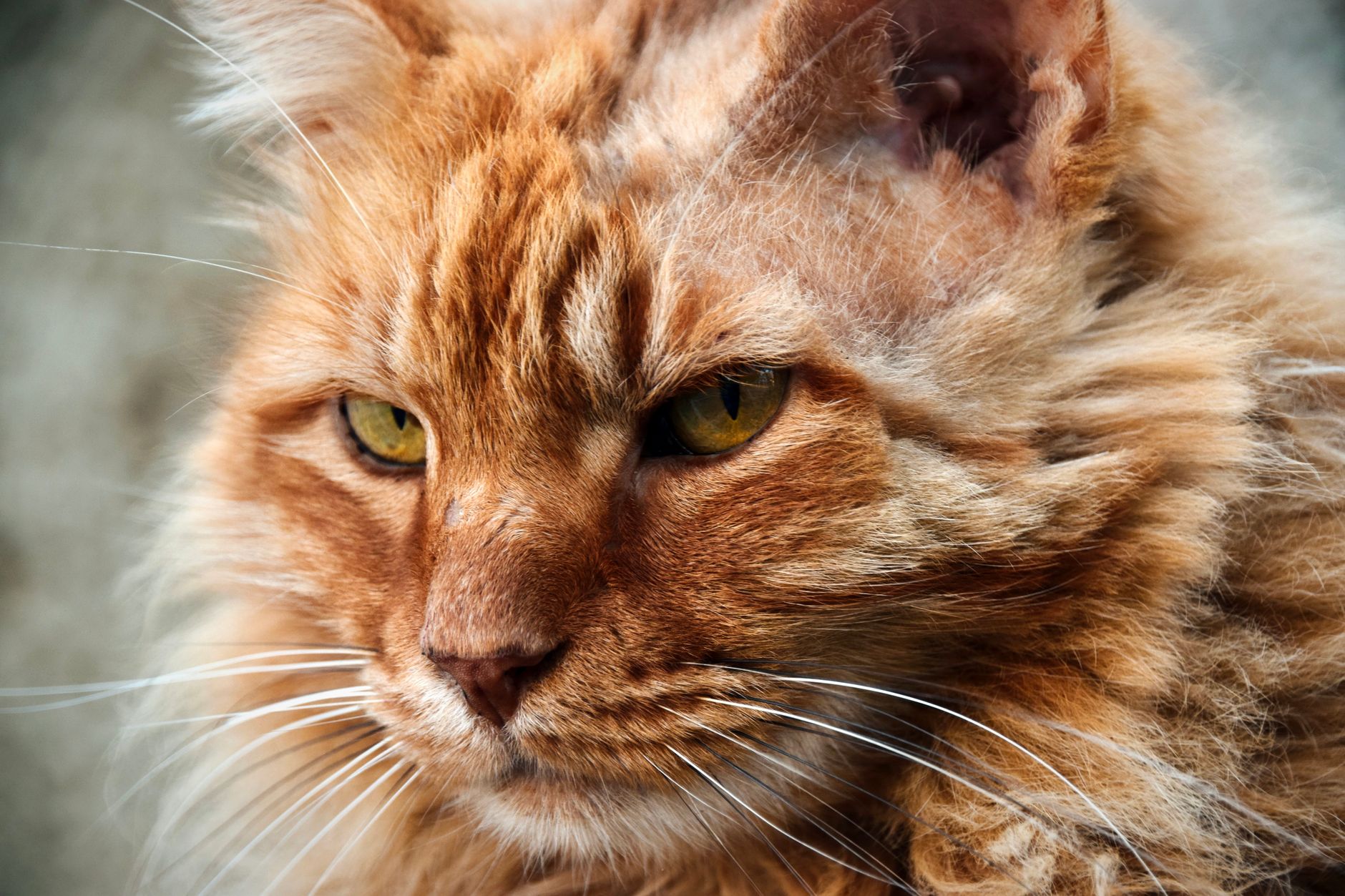
For owners who work long hours outside the home, the British Shorthair is my top recommendation. They are intensely loyal but perfectly happy with their own company.
You won’t find them crying at the door or shredding your drapes out of boredom.
They have a quiet, dignified presence and a beautiful, dense plush coat. They are content to sit next to you on the sofa rather than demanding to sit directly on your face.
This independence makes them ideal for apartment dwellers and busy professionals who still want a loving companion to return home to.
- Establish a strict feeding routine to prevent rapid, unhealthy weight gain.
- Use interactive food puzzles to keep them mentally stimulated while you are at work.
- Brush their thick, dense double-coat once a week to remove dead undercoat hairs.
- Provide horizontal scratching cardboard blocks, as they love scratching close to the ground.
Combating Obesity
British Shorthairs have a natural tendency to become sedentary couch potatoes. In my clinic, I frequently have to place these cats on therapeutic weight-loss diets.
Measure their food with a digital scale rather than eyeballing the portions.

4. The American Shorthair: The Adaptable Classic
This is the ultimate ‘plug-and-play’ cat for families of all shapes and sizes. They possess a wonderfully balanced temperament, being neither overly demanding nor entirely aloof.
Clinically speaking, they are one of the hardiest breeds I treat, boasting a highly diverse gene pool. They adjust to changes in the household, like a new baby or a move, with incredible resilience.
Their natural hunting instincts remain strong, so they love chasing feather wands and toy mice. This playfulness keeps them active and healthy well into their senior years.
- Schedule professional dental cleanings, as they can be prone to periodontal disease.
- Engage them in fifteen minutes of active play daily to maintain cardiovascular health.
- Introduce them slowly to other pets, which they will typically accept with ease.
- Provide a mix of wet and dry food to support optimal urinary tract hydration.
Dental Care Focus
American Shorthairs often show early signs of plaque and gingivitis. I advise my clients to brush their teeth daily with poultry-flavored pet toothpaste.
Starting this routine in kittenhood can save you thousands in future veterinary dental surgeries.
5. The Birman: The Sweet Sacred Cat
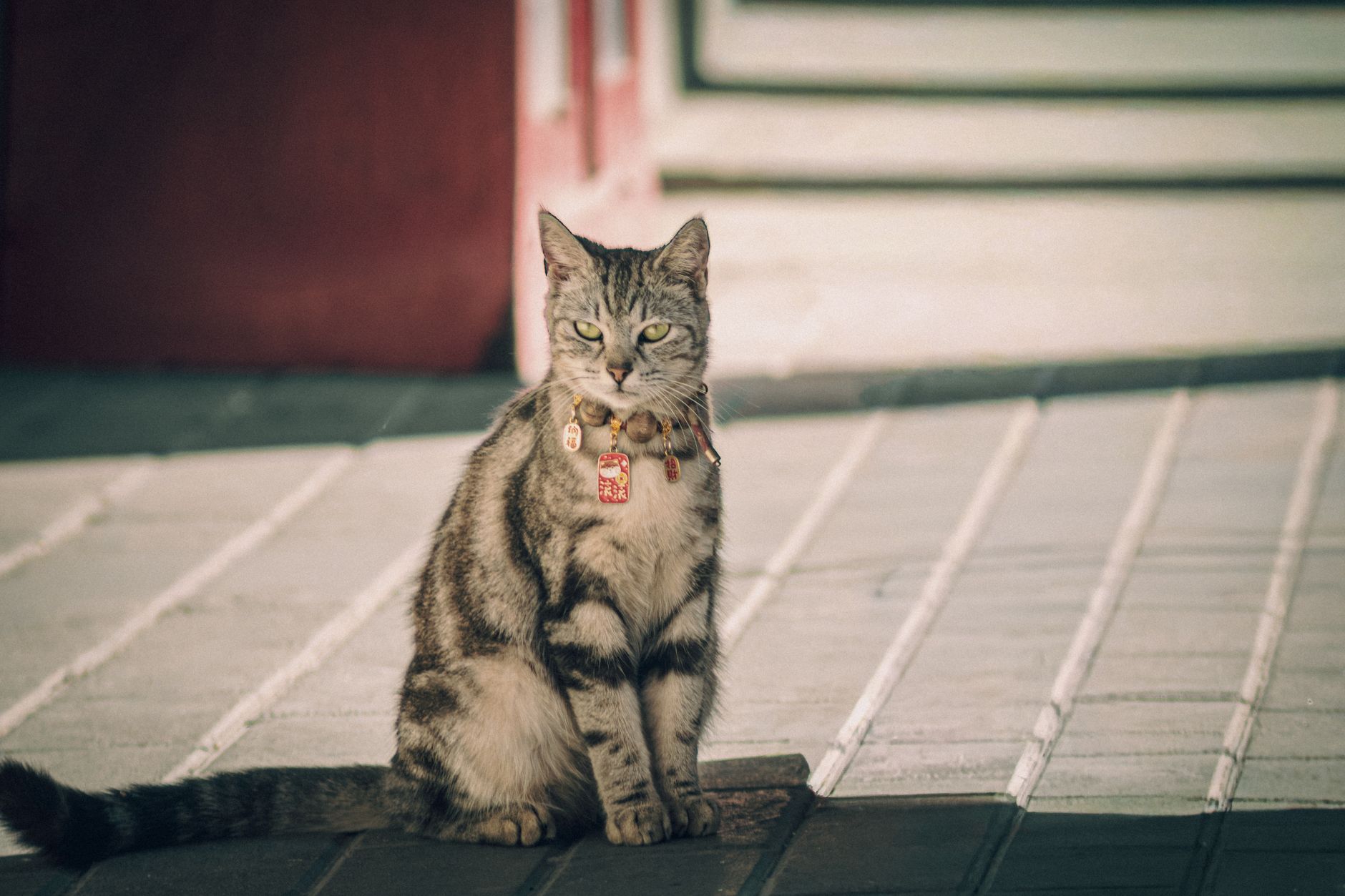
Birmans share some physical similarities with Ragdolls but possess a distinct, ancient lineage. They are quiet, gentle, and have striking blue eyes that seem to look right into your soul.
They love being involved in family activities but do so without making a noisy fuss. They are highly empathetic and will often cuddle close when they sense their owner is stressed or unwell.
Their soft, silky coat lacks a dense undercoat, which means it rarely mats. This is a massive benefit for a first-time owner who is nervous about intensive grooming.
- Provide a quiet sanctuary room for them when hosting loud, crowded gatherings.
- Gently comb their silky fur once a week using a wide-toothed metal comb.
- Feed them high-moisture wet food to support kidney health, as they can be prone to renal issues.
- Keep claw trimmers handy; they tolerate regular nail trims very well if handled gently.
A Single-Layer Coat
Because Birmans do not have a thick undercoat, they are much easier to groom than other long-haired cats. A simple weekly comb-through is usually enough to keep them looking pristine.
It is the perfect ‘starter’ long-hair breed for busy people.
6. The Russian Blue: The Quiet, Loyal Partner
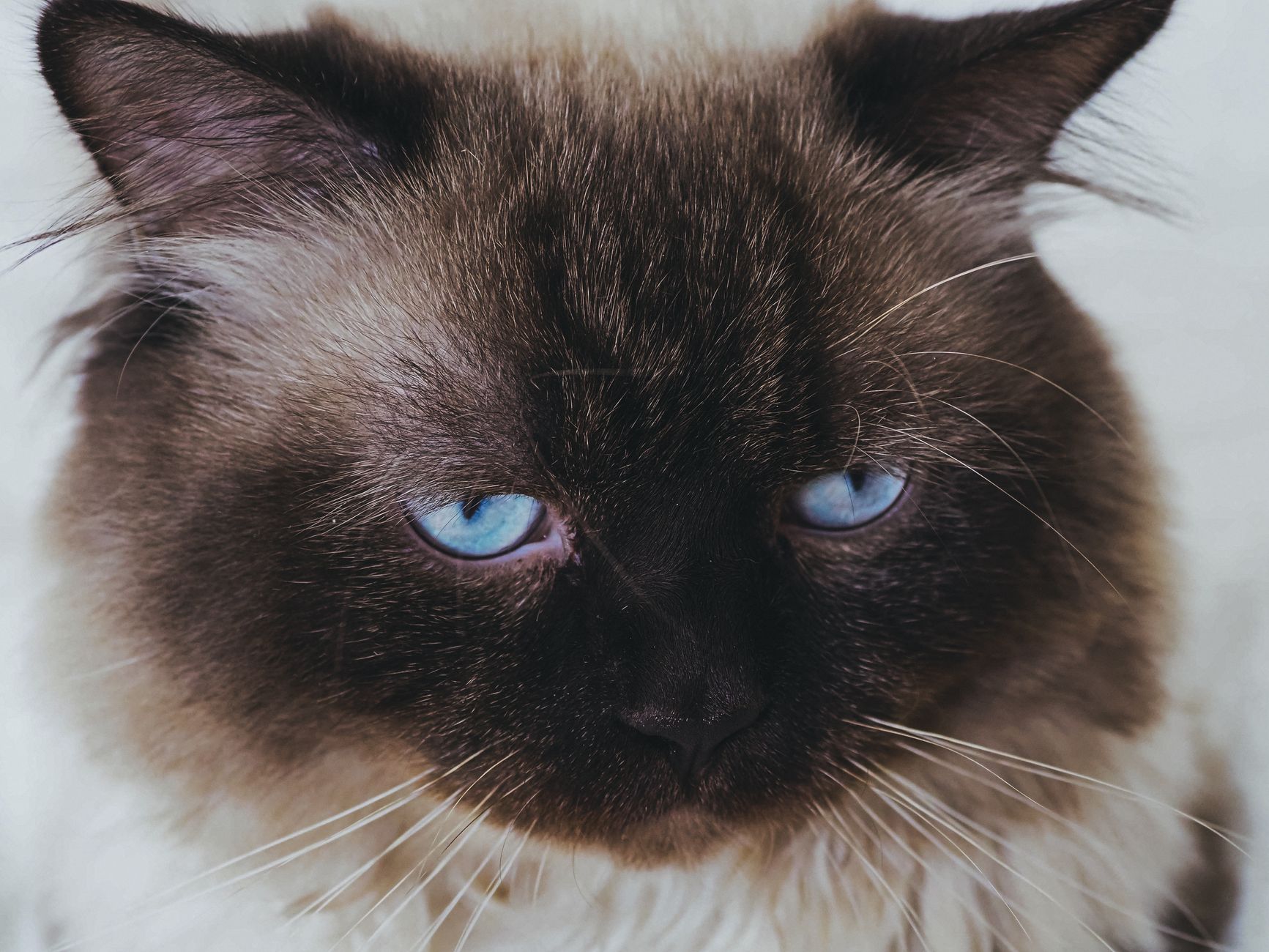
If you prefer a tranquil, highly structured home, the Russian Blue is an outstanding choice. They can be shy with strangers, but they form intense, unbreakable bonds with their primary owners.
I often see them tune into their owner’s emotions, offering quiet, comforting physical contact when you need it most. They are highly intelligent and can easily learn tricks, retrieve toys, and open cabinet doors.
They thrive on routine, so they are best suited for households without constant, chaotic foot traffic.
- Maintain a highly consistent daily feeding and playtime schedule.
- Provide plenty of high vertical spaces, like window perches and tall cat trees.
- Use clumping, unscented litter, as they are exceptionally clean and sensitive to odors.
- Keep their environment calm and minimize sudden, startling noises.
The Sensitivity Factor
Russian Blues are highly sensitive to changes in their environment. Moving furniture or changing your work schedule can temporarily stress them.
I recommend using pheromone diffusers like Feliway to help them feel secure during transitions.
7. The Burmese: The Playful Shadow
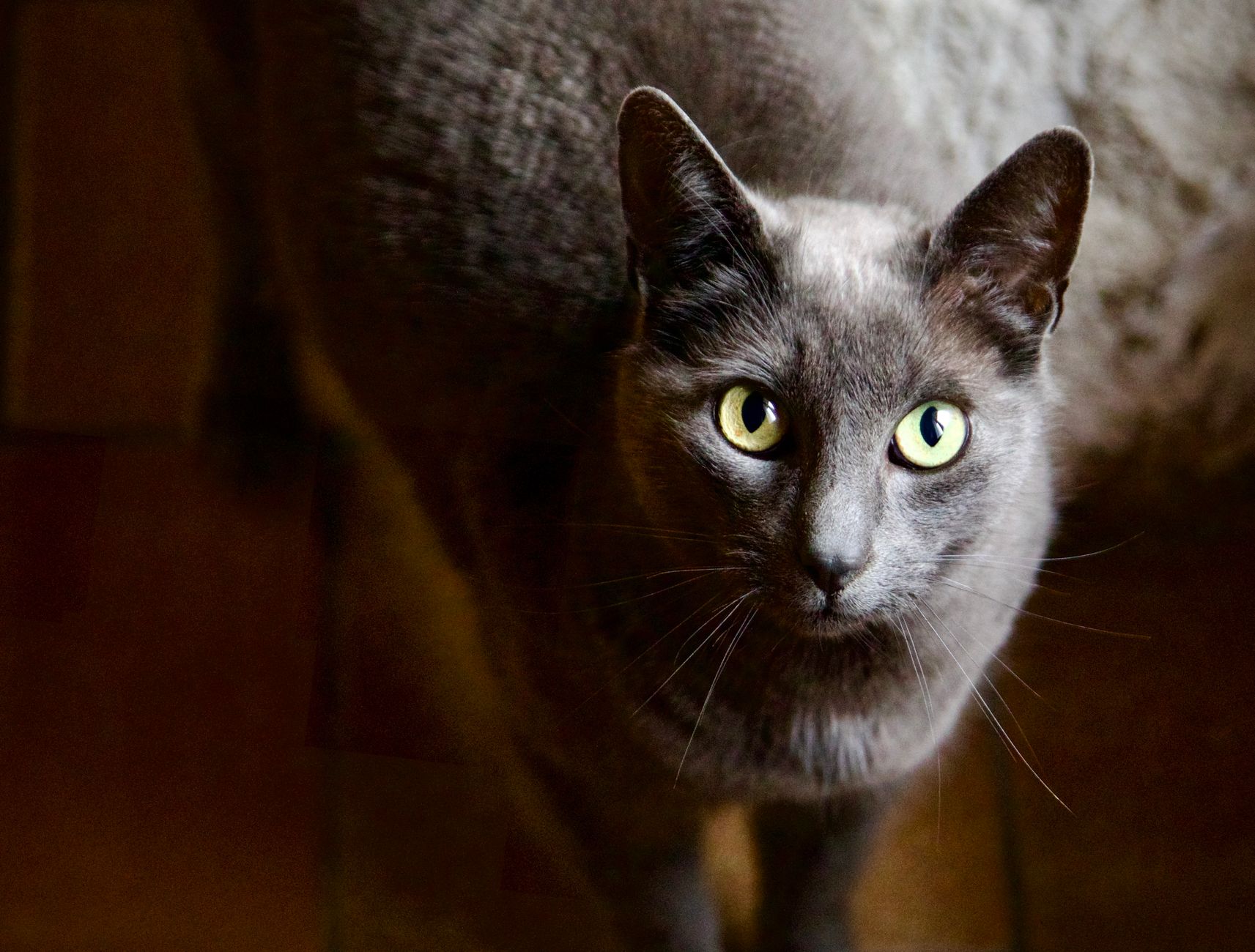
If you want a cat that will actively play fetch and sit on your laptop while you work, look no further than the Burmese. They are incredibly people-oriented and retain their playful, kitten-like energy well into their senior years.
I love treating Burmese patients because they are so outgoing and fearless in the clinic. They will jump right out of the carrier to greet me, which is rare for a feline.
They do not do well if left alone for long periods. If you work from home or have a busy household, they will thrive as the center of attention.
- Provide interactive puzzle toys to keep their highly active minds occupied.
- Consider adopting a bonded pair if you are away from the home for school or work.
- Keep them stimulated with safe window perches overlooking bird feeders.
- Groom them with a rubber curry brush once a week to massage their skin and remove loose hair.
Preventing Separation Anxiety
Because Burmese cats are so incredibly social, they can develop genuine separation anxiety. They may vocalize loudly or engage in destructive scratching if left alone all day.
Providing a companion cat or interactive electronic toys can help mitigate this behavioral issue.
8. The Chartreux: The Silent, Smiling Companion
Originating from France, the Chartreux is famous for its robust blue-gray coat and a facial structure that makes them look like they are constantly smiling. They are famously quiet cats, rarely vocalizing and instead communicating with sweet, chirping sounds.
They are highly observant and will quietly watch you navigate your day, waiting patiently for a chance to curl up on your lap. They are sturdy, muscular cats that handle children and dogs with remarkable grace.
Their calm, unbothered nature makes them the perfect, low-stress entry point into cat ownership.
- Avoid overfeeding, as their stocky build can easily hide excess weight.
- Run your fingers through their dense, water-repellent coat daily to check for skin issues.
- Offer climbing options, as they enjoy observing their territory from a safe, elevated height.
- Keep their ears clean using a vet-approved, gentle drying ear cleanser.
A Unique Wooly Coat
The Chartreux has a dense, slightly wooly double coat that repels water. Because of this texture, you should avoid bathing them unless absolutely necessary, as it is very difficult to get them wet or dry.
Regular combing with a metal comb is highly effective.
Frequently Asked Questions
What is the absolute easiest cat breed for a first-time owner?
The British Shorthair is generally the easiest due to its independent nature, low grooming needs, and calm temperament. They do not suffer from separation anxiety like more social breeds, making them perfect for beginners.
How often should I take my new cat to the vet?
Healthy adult cats require an annual veterinary exam for vaccinations, dental checks, and weight monitoring. Kittens and senior cats over the age of seven need more frequent visits, typically every six months, to catch age-related conditions early.
Are male or female cats better for first-time owners?
In my clinical experience, neutered male cats tend to be slightly more relaxed, outgoing, and affectionate. Females can be incredibly loving but are often a bit more independent and selective about when they want attention.
Do indoor cats really need annual vaccinations?
Yes, indoor cats absolutely need core vaccinations like rabies and FVRCP. Disease pathogens can travel indoors on your shoes or clothing, and escapes do happen, leaving unvaccinated indoor cats highly vulnerable to infection.
How can I prevent my new cat from scratching my furniture?
Provide a mix of vertical and horizontal scratching surfaces made of sisal rope and cardboard. Place these scratching posts directly next to the furniture they are targeting, and reward them with treats when they use the correct post.
Sources & Further Reading
- The Cat Fanciers’ Association (CFA)
- American Veterinary Medical Association (AVMA)
- Cornell University College of Veterinary Medicine
- ASPCA
Final Thoughts
Welcoming your very first feline companion is an incredibly exciting milestone, and selecting the right breed lays the foundation for a lifetime of joy. Remember that while breed tendencies are highly reliable indicators, every individual cat has their own unique personality.
Prioritizing routine veterinary care, proper nutrition, and mental enrichment will ensure your new best friend thrives. Take your time, ask breeders the right health questions, and prepare your home for a wonderful journey.
Your perfect feline companion is out there waiting for you, and I cannot wait to see you both in the clinic for your first checkup!