
Quick Summary
Selecting a low-vocalization cat breed is an excellent way to maintain a peaceful, serene home environment. Breeds like the Ragdoll, Russian Blue, and British Shorthair are genetically predisposed to calm temperaments and minimal meowing. However, any sudden change in a cat’s baseline vocalization warrants a veterinary evaluation to rule out underlying pain or illness.
As an Amazon Associate, we earn from qualifying purchases.
Popular with cat owners: Lick Mat · Self-Cleaning Litter Box · Pet Camera
In my years running a busy veterinary practice, one of the most common complaints I hear from exhausted pet owners isn’t about scratched furniture or litter box misses. It is the relentless, midnight meowing that disrupts a household’s sleep and elevates stress levels.
While some cats are naturally chatty, others are genetically predisposed to a life of quiet contemplation. If you are seeking a peaceful home environment, choosing a breed known for its low vocalization is a highly effective strategy.
Over my career, I have observed that certain breeds consistently exhibit calmer nervous systems and quieter communication styles. Let’s look at the quietest cat breeds I recommend to my clients who crave peace and quiet.
Key Takeaways
- Certain cat breeds are genetically predisposed to be quiet, making them ideal for peaceful homes and apartment living.
- The Ragdoll, Russian Blue, and British Shorthair consistently rank as the quietest and most easygoing breeds in clinical settings.
- A cat’s silence can sometimes mask pain, so owners must learn to read subtle body language cues rather than relying on vocal complaints.
- Sudden, uncharacteristic vocalization in a naturally quiet cat is a clinical red flag that requires immediate veterinary attention.
- Proper environmental enrichment and routine play can help keep any cat breed calm, secure, and quiet.
In This Article
- The Clinical Reality of Feline Vocalization
- 1. The Ragdoll – The Soft-Spoken Giant
- 2. The Russian Blue – Quiet and Reserved
- 3. The British Shorthair – The Stoic Companion
- birman-the-gentle-and-sweet-companion”>4. The Birman – The Gentle and Sweet Companion
- chartreux-the-silent-french-aristocrat”>5. The Chartreux – The Silent French Aristocrat
- 6. The Scottish Fold – The Soft-Spoken Observer
The Clinical Reality of Feline Vocalization
In my clinical practice, I always remind clients that a cat’s voice is their primary tool for communicating physical distress, pain, or environmental frustration. When a naturally quiet cat suddenly starts vocalizing loudly or persistently, it is a clinical red flag that warrants an immediate veterinary workup.
Conversely, some breeds are simply wired to be exceptionally quiet, possessing inherently calm nervous systems and lower physiological stress responses. Before looking at specific quiet breeds, it is essential to understand what normal feline communication looks like and how to distinguish healthy silence from illness.
A quiet cat is often a secure, content cat, but sudden, uncharacteristic silence combined with lethargy can actually indicate a medical emergency. As a vet, I look at the whole picture—body language, eating habits, and litter box usage—to determine if a quiet cat is truly peaceful or silently suffering.
- Sudden meowing in older cats often points to systemic issues like hyperthyroidism or systemic hypertension.
- Incessant vocalization can also be a primary sign of cognitive dysfunction syndrome (CDS) in senior felines.
- A quiet cat is often a secure cat, but sudden lethargy combined with silence requires a veterinary evaluation.
- Understanding your cat’s baseline vocal activity is the single most important diagnostic tool you have at home.
LickiMat Classic Buddy Lick Mat
- ✓Textured surface for spreads, yogurt or wet food
- ✓Dishwasher-safe, food-grade rubber
- ✓Doubles as a slow feeder
- Licking is naturally calming during baths, grooming and storms
- Slows down fast eaters

1. The Ragdoll – The Soft-Spoken Giant
In my years treating cats, I have handled hundreds of Ragdolls, and they consistently live up to their reputation as docile, incredibly quiet companions. These large, striking felines rarely emit more than a tiny, high-pitched chirp or a soft, rumbling purr, even when experiencing the stress of a clinical exam.
Ragdolls were selectively bred for their relaxed, affectionate temperaments, meaning they simply do not feel the urge to vocalize aggressively for human attention. Instead of meowing loudly when you walk through the door, a Ragdoll will quietly follow you from room to room, waiting patiently for a lap to curl up on.
However, because they are so stoic and quiet, their silence can sometimes mask underlying pain or discomfort. I always advise my Ragdoll owners to pay close attention to subtle behavioral shifts, such as hiding or changes in appetite, rather than waiting for them to cry out.
- An incredibly gentle, barely-audible chirp instead of a loud meow when greeting owners.
- A physical tendency to go limp with complete relaxation when held, reducing stress-induced vocalizations.
- Highly tolerant of physical grooming and handling, making them ideal for quiet, multi-pet households.
- Prone to hypertrophic cardiomyopathy (HCM), which requires regular veterinary screening.
The Challenge of Silent Pain in Ragdolls
Because Ragdolls are so quiet and stoic, they rarely cry out when they are sick or injured. I advise my clients to look for subtle signs of distress like hiding, changes in litter box habits, or a sudden lack of grooming.
- An unkempt coat can indicate arthritis or spinal pain.
- Hiding in dark closets often signals systemic illness.
- Squinting or watery eyes can point to underlying corneal ulcers.

2. The Russian Blue – Quiet and Reserved
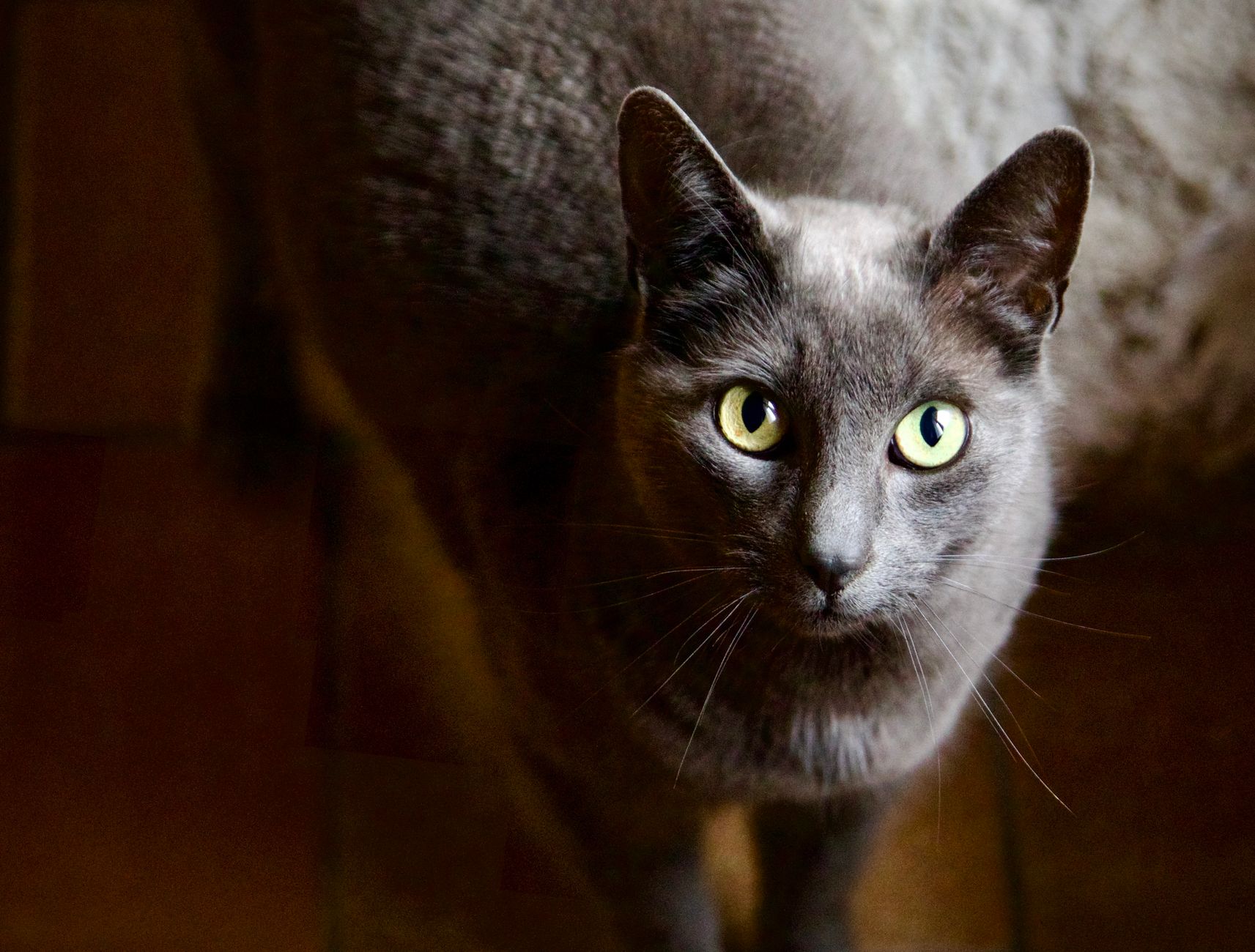
The Russian Blue is a stunning, silver-coated feline that behaves like a quiet, dignified diplomat within the home. In my practice, I frequently recommend this breed to apartment dwellers, remote workers, and introverts who highly value a quiet, highly predictable daily routine.
These cats are intensely bonded to their primary caregivers but remain highly cautious and reserved around strangers, choosing to observe silently from a high perch rather than vocalizing their anxiety. Their vocal cords are rarely put to heavy use, and when they do decide to speak, the sound is a remarkably delicate, quiet whisper of a meow.
They thrive on consistency, and as long as their environment remains stable and calm, they are perfectly content to exist in peaceful, silent companionship. If you are looking for a cat that will not interrupt your virtual meetings or disturb your sleep, the Russian Blue is an outstanding choice.
Cumrige Automatic Self-Cleaning Litter Box
- ✓Safety sensors detect your cat
- ✓95L roller for cats 2.2-33 lbs
- ✓App control and quiet operation
- Automatically sifts waste after each visit, keeping the box fresh with far less scooping
- An exceptionally quiet voice that is rarely used unless their food bowl is completely empty.
- A highly routine-oriented nature, meaning they thrive in predictable, low-noise environments.
- Low dander production, which makes them a popular choice for owners with mild allergies.
- A tendency to hide during loud social gatherings rather than vocalizing their distress.
3. The British Shorthair – The Stoic Companion
If you want a feline companion that truly embodies the concept of British stoicism, the British Shorthair is an exceptional match. I love working with these round-faced, stocky cats because they are incredibly easygoing, independent, and rarely make a single sound throughout the day.
Unlike high-energy breeds that vocalize out of sheer boredom or demand constant interaction, the British Shorthair is perfectly happy to snooze on the sofa while you work. They do not suffer from separation anxiety as easily as other breeds, which means they do not resort to distress meowing when left alone.
In my clinic, these cats are historically patient patients, tolerating veterinary exams and blood draws with a calm, silent resilience that always impresses my veterinary technicians. They are the ultimate low-maintenance, quiet roommates.
- A highly independent nature that prevents separation anxiety and subsequent distress meowing.
- An easygoing temperament that adapts beautifully to both busy families and quiet singles.
- A low-pitched, quiet purr that is soothing rather than disruptive to a peaceful home.
- A tendency to gain weight easily, requiring strict portion control and active play sessions.

4. The Birman – The Gentle and Sweet Companion
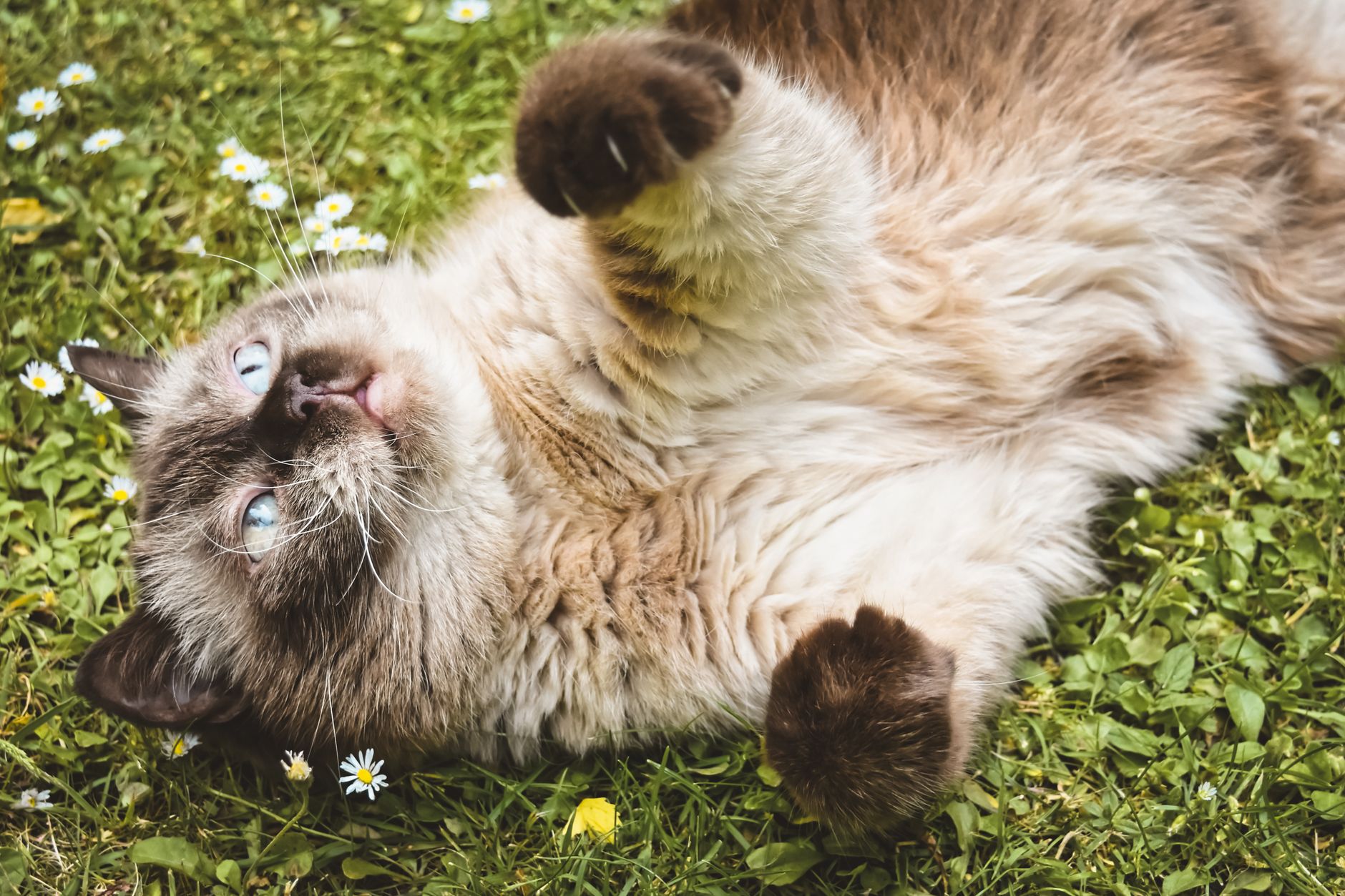
Birmans are gorgeous, color-pointed cats with striking sapphire-blue eyes, but their true appeal lies in their incredibly sweet, soft-spoken personalities. When a Birman does choose to communicate with you, it is typically in a soft, melodic chirp that sounds more like a gentle song than a demanding meow.
In my experience, Birmans are highly social and deeply attached to their families, yet they never become loud, pushy, or disruptive to get their point across. They prefer to express their affection through physical touch, gently nudging your hand or curling up on your chest when you are resting.
Their peaceful demeanor makes them exceptionally well-suited for households with respectful children or other quiet pets, as they rarely get startled or defensive. They bring a deep sense of serenity and quiet warmth to any household they join.
- A soft, melodic voice that is used sparingly and always at a low, pleasant volume.
- A highly social temperament that craves human companionship without resorting to vocal demands.
- Easy-to-groom coats that do not mat as easily as other long-haired breeds.
- A genetic susceptibility to feline hypertrophic cardiomyopathy, requiring regular screening.
5. The Chartreux – The Silent French Aristocrat
The Chartreux is a historic French breed famous for its silent demeanor, with some individuals going their entire lives without ever emitting a traditional meow. French folklore suggests these blue-grey cats took a vow of silence alongside Carthusian monks, and in my clinical experience, they certainly possess a monastic calm.
Instead of vocalizing, a Chartreux communicates using a rich vocabulary of body language, subtle tail twitches, and incredibly expressive, copper-colored eyes. If they must speak, it is usually a tiny, high-pitched chirp that seems surprisingly small for such a robust, muscular cat.
They are highly intelligent, observant, and exceptionally adaptable to new situations, rarely showing signs of vocal stress even during travel or lifestyle changes. For those who want a truly silent feline companion, the Chartreux is unmatched.
- An almost completely silent nature, with many individuals rarely or never meowing.
- Communication style focused on body language, tail twitches, and expressive eye contact.
- A robust, healthy constitution, though they can be prone to patellar luxation.
- A highly affectionate but undemanding personality that thrives on quiet routine.

6. The Scottish Fold – The Soft-Spoken Observer
Famous for their adorable folded ears and large, owl-like eyes, Scottish Folds are also incredibly quiet, gentle, and undemanding companions. They are sweet-tempered felines that prefer to quietly observe their household’s daily activities rather than direct them with loud vocalizations.
When they do vocalize, their voice is tiny, soft, and slightly raspy, never reaching the loud, piercing decibels of more vocal Asian breeds like the Siamese. They are highly famous for sitting in comical, human-like positions, displaying a relaxed physical state that mirrors their peaceful mental state.
As a vet, I always remind clients that while their quiet nature is delightful, their unique folded ears require regular inspection and cleaning to prevent wax buildup and infections. Their silence means they won’t complain if an ear is itchy, so proactive veterinary care is essential.
- A very quiet, soft voice that is rarely used for demanding attention.
- A relaxed, loving demeanor that makes them excellent companions for calm households.
- The famous ‘Buddha position’ sitting posture, reflecting their highly relaxed physical nature.
- A genetic predisposition to osteochondrodysplasia, a skeletal disorder requiring veterinary monitoring.
Understanding Osteochondrodysplasia
The same genetic mutation that causes a Scottish Fold‘s ears to fold also affects their joint cartilage. This can lead to painful arthritis, which they will often bear in complete silence.
- Watch for a stiff, stilted gait when they walk.
- Monitor for a sudden reluctance to jump onto high surfaces.
- Look for thickening or lack of flexibility in the tail.
-
TKENPRO 2K Pet Camera with Treat DispenserLets you check in, talk to your pet and spot problems while you’re out
-
Temptations Classic Crunchy and Soft Cat TreatsA tasty treat makes training, grooming and vet-carrier practice far easier
-
Depets Self-Cleaning Slicker BrushFine wire pins lift loose undercoat and work out small tangles before they turn into mats
Related Cat Guides
Frequently Asked Questions
Why is my normally quiet cat suddenly meowing so much?
A sudden increase in vocalization in a naturally quiet cat is often a sign of medical distress or environmental stress. In older cats, this can be triggered by hyperthyroidism, high blood pressure, or cognitive dysfunction. You should schedule a veterinary exam to check for pain, urinary tract infections, or systemic diseases.
Are male or female cats typically quieter?
Generally, spayed and neutered cats of both sexes are equally quiet. However, intact cats of either sex will vocalize loudly and persistently when in heat or searching for a mate. Ensuring your cat is spayed or neutered is the most effective step to prevent hormonal vocalizations.
Do quiet cat breeds still purr?
Yes, quiet cat breeds absolutely still purr. Purring is a low-frequency vibration that does not rely on the same vocal cord mechanics as meowing. Quiet breeds like Ragdolls and British Shorthairs actually have incredibly deep, rich purrs that they use to express contentment.
How can I encourage a vocal cat to be quieter?
You can reduce vocalization by ensuring your cat has plenty of mental stimulation, interactive toys, and physical exercise to prevent boredom. Never reward attention-seeking meows with food or active play, as this reinforces the behavior. Instead, reward them with treats and attention only when they are quiet.
Are deaf cats quiet or loud?
Deaf cats are actually prone to being very loud vocalizers because they cannot hear the volume of their own voices. They may meow loudly, especially at night, because they feel disoriented or cannot monitor their own noise level. If you suspect your cat is losing their hearing, consult your veterinarian for guidance.
Which quiet breed is best for small apartments?
The Russian Blue and the British Shorthair are outstanding choices for small apartments. Both breeds are highly independent, quiet, and do not require massive amounts of vertical space or intense exercise to remain happy. They adapt beautifully to smaller, peaceful living spaces.
Sources & Further Reading
- The Cat Fanciers’ Association (CFA)
- Cornell University College of Veterinary Medicine
- International Cat Care
- PetMD
Final Thoughts
Choosing a quiet cat breed can completely transform the atmosphere of your home, turning a chaotic environment into a peaceful sanctuary. However, as a veterinarian, I must emphasize that every cat is an individual, and proper socialization, mental stimulation, and regular medical care play a massive role in their behavior.
Even the naturally quietest breeds can become vocal if they are suffering from untreated pain, environmental stress, or cognitive decline. Always partner with your veterinarian to rule out medical issues if your quiet companion suddenly starts speaking up.
By choosing one of these serene breeds and providing them with a loving, stable environment, you can enjoy the deep, quiet bond that only a peaceful feline companion can bring.