

Quick Summary
In this article, Dr. Veronica Heller shares veterinary insights into six of the rarest cat breeds in the world, including the Sokoke, Khao Manee, and Lykoi. These breeds possess unique genetic profiles and physical traits that require specialized clinical knowledge to manage. From congenital deafness in white cats to complex skin care routines for hairless breeds, this guide details the medical realities of owning these rare felines.
As an Amazon Associate, we earn from qualifying purchases.
Popular with cat owners: Slicker Brush · Cat Tunnel · Kitten Food
In my fifteen years as a practicing veterinarian, I have treated thousands of domestic shorthairs, Persians, and Siamese cats. Every so often, however, a client walks into my exam room with a feline so uncommon that my entire clinical staff gathers around in amazement.
These ultra-rare breeds are more than just exotic conversation starters. They possess highly specific physiological profiles, dietary requirements, and genetic predispositions that every veterinary professional must understand.
Today, I want to take you inside the exam room to explore six of the rarest cat breeds on Earth from a clinical perspective.
Key Takeaways
- Rare cat breeds require highly specialized veterinary care due to their limited global gene pools.
- The Khao Manee suffers from a high rate of congenital deafness linked to the dominant white gene.
- Hairless and semi-hairless breeds like the Lykoi and Peterbald require advanced dermatological care to prevent systemic infections.
- Dwarf hybrid breeds like the Minskin are prone to structural skeletal issues like lordosis and pectus excavatum.
- The Sokoke is a highly sensitive landrace breed with a fast metabolism and a low tolerance for cold temperatures.
- Always demand comprehensive DNA screening and cardiac ultrasounds when purchasing any rare cat breed.
In This Article
- 1. The Genetics of Extreme Feline Rarity
- 2. The Sokoke: The Rare Kenyan Forest Cat
- 3. The Khao Manee: Thailand’s Diamond Eye Cat
- 4. The Lykoi: The Werewolf Cat
- 5. The Minskin: The Dwarf Hairless Hybrid
- 6. The Peterbald: The Elegant Russian Hairless
- 7. The Kurilian Bobtail: The Wild Island Native
- 8. Clinical Realities of Owning a Rare Breed
1. The Genetics of Extreme Feline Rarity
When a feline breed is classified as rare, it typically means the global breeding pool is exceptionally small. In my practice, a small gene pool immediately signals the potential for genetic bottlenecks and inbreeding depression.
Responsible breeders work tirelessly to outcross these cats with healthy domestic lines to keep the breed viable. However, as a veterinarian, I must closely monitor these patients for subtle congenital anomalies that standard cats rarely exhibit.
If you are considering adopting an ultra-rare breed, you must understand the genetic risks before bringing them home. Clinical vigilance is your best tool for ensuring they live a long, comfortable life.
- Inbreeding Depression: Can manifest as exceptionally small litter sizes or high kitten mortality rates.
- Congenital Heart Defects: Hypertrophic Cardiomyopathy (HCM) is a constant threat in closed gene pools.
- Compromised Immune Systems: Rare breeds can sometimes struggle to mount robust immune responses to routine pathogens.
- Skeletal Asymmetry: Small genetic pools can occasionally result in subtle structural alignment issues in the spine and limbs.

2. The Sokoke: The Rare Kenyan Forest Cat
The Sokoke is widely considered the rarest natural cat breed in the world. Originating from the Arabuko-Sokoke Forest in Kenya, these cats possess a unique wood-bark camouflaged coat pattern and a highly active, dog-like temperament.
Hertzko Self-Cleaning Slicker Brush
- ✓Fine bent wire bristles reach through to the undercoat
- ✓Retractable bristles: one click drops the collected hair
- ✓Comfort-grip handle for longer grooming sessions
- ✓Works on long and short coats, dogs and cats
- Removes loose hair, tangles and dirt before they become mats
- Quick to clean, so regular brushing actually happens
Physiologically, these cats are built for warm climates and have virtually no insulating undercoat. In my clinic, I frequently advise Sokoke owners on metabolic management because these cats burn calories at an astonishing rate.
Because of their low body fat and lack of undercoat, they are highly susceptible to hypothermia during routine surgical procedures. We must take extra precautions with heated surgery tables and warm IV fluids when they are under anesthesia.
- Metabolic Demands: Sokokes require high-protein, high-fat diets to sustain their intense activity levels.
- Thermal Regulation: They must be kept in temperature-controlled indoor environments, especially during winter months.
- Anesthetic Sensitivity: Their low body fat percentage alters how their bodies process standard anesthetic agents.
- Sensory Alertness: They possess an incredibly acute nervous system, meaning they stress easily in loud veterinary environments.
3. The Khao Manee: Thailand’s Diamond Eye Cat
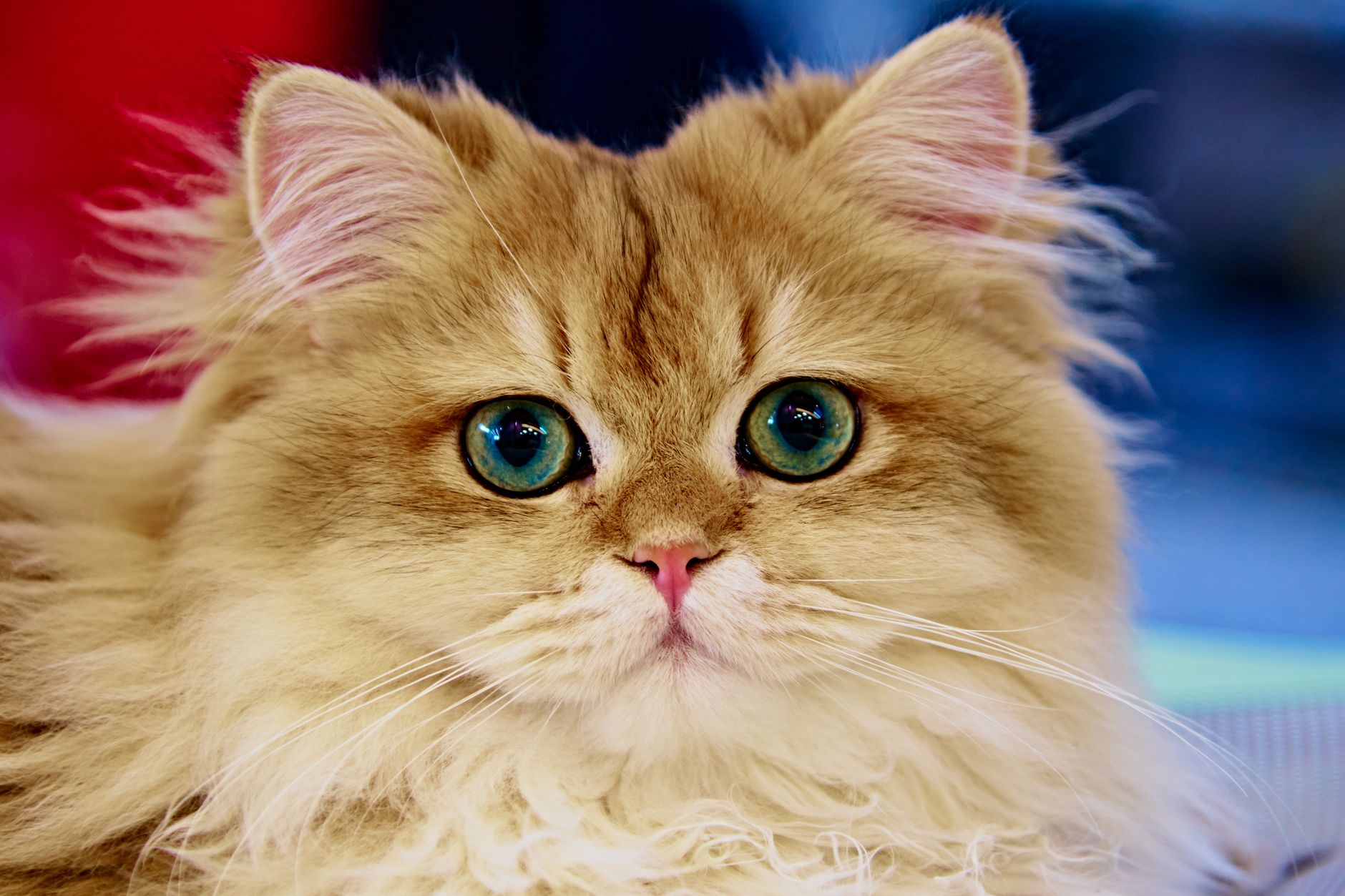
The Khao Manee is a stunning, pure-white cat from Thailand famous for its brilliant, gem-like eyes. Many of these cats are odd-eyed, meaning they have one blue eye and one gold or green eye.
From a clinical standpoint, the white coat and blue eyes are caused by the dominant white gene (W). This gene is pleiotropic, meaning it affects multiple physical systems, including the auditory system.
In my practice, I always perform a Brainstem Auditory Evoked Response (BAER) test on Khao Manee kittens. This is the only definitive way to measure electrical activity in the brain’s auditory pathways and diagnose congenital deafness.
- Congenital Deafness: The W gene causes the degeneration of the organ of Corti inside the inner ear during the first few weeks of life.
- Unilateral vs. Bilateral: Cats with one blue eye are often deaf only on the side of the blue eye, while double-blue-eyed cats are frequently bilaterally deaf.
- Sunlight Sensitivity: Lacking protective pigment in their ears and eyelids, they are highly prone to solar dermatitis and squamous cell carcinoma.
- Environmental Adaptation: Deaf Khao Manees must live strictly indoors to protect them from environmental hazards they cannot hear.

4. The Lykoi: The Werewolf Cat
The Lykoi is a fascinating breed that arose from a natural genetic mutation in domestic shorthairs. This mutation leaves them with a partially hairless coat that resembles a werewolf, complete with bare skin around their eyes, nose, and muzzle.
When I first examined a Lykoi, I spent hours analyzing their unique skin structure. Unlike normal cats, their hair follicles lack the necessary components to support and sustain hair growth, causing them to molt and sometimes go completely bald.
- ✓Three tunnels with a peephole and ball toy
- ✓Scratch-resistant polyester
- ✓Folds down small for storage
- A crinkly play tunnel gives cats somewhere to hide, pounce and race through
This lack of hair means their sebaceous glands still produce normal amounts of sebum, but there is no hair shaft to absorb it. This leads to a heavy buildup of skin oils that requires active veterinary management to prevent secondary infections.
- Sebum Accumulation: Lykois require regular, gentle wiping of their skin folds, nail beds, and ears to prevent yeast infections.
- Follicular Cyst Risk: Because their hair follicles are abnormal, they are prone to developing comedones (blackheads) and follicular cysts.
- Sun Protection: Their exposed skin is highly susceptible to UV damage and thermal burns.
- Frequent Molting: Do not panic when your Lykoi loses almost all of its coat; this cyclical shedding is normal for the breed.
5. The Minskin: The Dwarf Hairless Hybrid
The Minskin is an incredibly rare, engineered breed created by crossing the Munchkin, Sphynx, Devon Rex, and Burmese. This combination results in a very small cat with short legs and patches of soft fur on its extremities.
As a veterinarian, I view the Minskin through a lens of orthopedic and dermatological preservation. Breeding for dwarfism (achondroplasia) carries inherent risks of skeletal deformity that must be managed throughout the cat’s life.
I regularly evaluate these patients for joint mobility and spinal health. Their short limbs alter their biomechanics, putting unique stresses on their elbows and hips.
- Lordosis Risk: This is an abnormal inward curvature of the spine that can crowd thoracic organs in growing kittens.
- Pectus Excavatum: A congenital chest wall deformity where the breastbone sinks into the chest, which I monitor closely via X-ray.
- Degenerative Joint Disease: Minskins require early joint supplement intervention to protect their short, high-stress limbs.
- Advanced Skin Care: Because they have minimal hair, they share the same sebaceous buildup issues as the Sphynx and Lykoi.

6. The Peterbald: The Elegant Russian Hairless
Hailing from St. Petersburg, Russia, the Peterbald is an elegant, long-limbed breed created by crossing the Don Sphynx with the Oriental Shorthair.
Unlike the Sphynx, whose hairlessness is recessive, the Peterbald’s hairless trait is caused by a dominant gene.
These cats have an incredibly high metabolic rate to compensate for the rapid heat loss through their bare skin. In my clinic, I often prescribe high-calorie diets for Peterbalds to help them maintain their core body temperature.
Additionally, their lack of eyelashes means their eyes are highly vulnerable to corneal scratches and dust accumulation. Regular ophthalmic checkups are mandatory for these delicate felines.
- Elevated Body Temperature: A Peterbald’s skin feels hot to the touch because their bodies are working overtime to generate heat.
- Corneal Protection: Without eyelashes, they need daily eye flushing with sterile saline to clear out debris.
- Skin Elasticity: Their skin is thin and easily torn during play, requiring prompt veterinary wound care to prevent cellulitis.
- Caloric Requirements: They often consume up to double the food of a standard domestic cat of the same weight.

7. The Kurilian Bobtail: The Wild Island Native
Originating from the Kuril Islands between Russia and Japan, the Kurilian Bobtail is a natural breed defined by its short, pom-pom-like tail. Unlike the Manx, whose tailless gene can cause severe spinal defects (Manx Syndrome), the Kurilian’s tail mutation is completely benign.
Every Kurilian’s tail structure is as unique as a human fingerprint, consisting of complex kinks, curves, and angles. While they are incredibly hardy, natural cats, their tails must be handled with extreme care during veterinary exams.
The vertebrae in their tails can be fused or highly sensitive. I always perform a very gentle palpation to ensure there is no localized pain or nerve impingement.
- Spine Integrity: While generally healthy, any tail mutation requires a physical exam to ensure the lower sacral nerves are functioning normally.
- Water-Resistant Double Coat: Their dense, wild coat is highly resistant to moisture, requiring regular deshedding to prevent painful matting.
- Strong Prey Drive: These cats are natural-born hunters with powerful hind legs, requiring massive amounts of environmental enrichment.
- Low Genetic Disease Profile: Thanks to their natural development on isolated islands, they are remarkably free of major hereditary defects.
8. Clinical Realities of Owning a Rare Breed
If you are lucky enough to share your home with one of these rare treasures, you must be prepared for a different level of veterinary care. Standard veterinary protocols must often be adjusted to suit their unique breed profiles.
I always tell my clients that establishing a relationship with a board-certified veterinary specialist or an experienced feline-only practitioner is vital. You cannot treat a Lykoi like a domestic shorthair, nor can you treat a Minskin like a standard Persian.
Your preventive care routine must be aggressive, proactive, and tailored specifically to your cat’s unique genetic weaknesses.
- Inquire About Genetic Testing: Ask your breeder for DNA clearance reports for HCM, progressive retinal atrophy, and PKD.
- Find a Specialized Vet: Seek out a clinic with experience in treating exotic or rare feline breeds.
- Invest in Premium Insurance: Medical care for rare breeds can escalate quickly if genetic conditions manifest.
- Maintain Strict Indoor Status: Most rare breeds lack the physical defenses (like protective coats or full hearing) to survive outdoors.
-
IAMS Proactive Health Kitten Dry FoodHigher protein and calories support a kitten’s rapid growth in the first year
-
Globlazer F70 Pro Heavy Duty Cat TreeGives cats vertical space to climb, scratch and nap, which reduces stress and keeps them off your shelves
-
Furbo 360° Cat CameraLets you check in, talk to your pet and spot problems while you’re out
Related Cat Guides
Frequently Asked Questions
Are rare cat breeds more prone to health issues?
Yes, many rare breeds have smaller gene pools, which increases the probability of hereditary diseases. However, natural landrace breeds like the Sokoke and Kurilian Bobtail are incredibly hardy compared to highly engineered hybrid breeds like the Minskin.
Why are some white Khao Manee cats deaf?
This is due to the pleiotropic dominant white gene (W). This gene can cause the blood supply to the inner ear to degenerate during early development, leading to permanent, irreversible deafness in one or both ears.
Do hairless breeds like the Peterbald require frequent bathing?
Yes, they do. Without fur to absorb their natural skin oils (sebum), these oils accumulate on the skin, leading to dirt buildup, bad odors, and potential yeast infections if they are not bathed regularly with gentle, vet-approved shampoos.
What is the difference between a Sphynx and a Peterbald?
The primary difference lies in their genetics. The Sphynx’s hairlessness is caused by a recessive gene, whereas the Peterbald’s hairlessness is caused by a dominant gene introduced through crosses with the Don Sphynx.
Can I leave a Sokoke cat alone during the day?
Sokokes are highly social, active, and bond deeply with their families. Leaving them alone for long periods without stimulation can cause severe separation anxiety and destructive behavior; they thrive best with a feline companion.
Is the Kurilian Bobtail’s tail painful for them?
Normally, no. The mutation that causes their short tail does not typically cause spinal deformities like the Manx gene does. However, their tails are sensitive and should never be pulled, twisted, or handled roughly.
Sources & Further Reading
- The Cat Fanciers’ Association (CFA)
- International Cat Care
- Cornell University College of Veterinary Medicine
Final Thoughts
Caring for one of the world’s rarest cat breeds is both an incredible privilege and a profound medical responsibility. These beautiful, unique felines are living proof of the wonders of genetic variation, but they require owners who are fully committed to their complex physical and emotional needs.
As a veterinarian, my goal is always to partner with you to provide proactive, tailored medical care that respects your cat’s unique biology. By understanding their genetic predispositions, providing proper nutrition, and scheduling regular veterinary checkups, you can ensure your rare feline companion enjoys a vibrant, healthy, and happy life by your side.