
 Shih Tzu vs
Quick Summary
While both the Shih Tzu and Maltese are affectionate, long-lived toy breeds, they differ significantly in their genetic health profiles, grooming requirements, and temperaments. The Shih Tzu is a sturdy, brachycephalic breed prone to respiratory and ocular issues, while the more delicate Maltese is a highly alert, single-coated companion prone to dental disease and tracheal collapse.
As an Amazon Associate, we earn from qualifying purchases.
Popular with dog owners: Dog Toothbrush · Orthopedic Dog Bed · Deshedding Tool
In my clinic, I am frequently asked to settle the ultimate debate: Shih Tzu or Maltese?
Both of these ancient toy breeds are beloved for their affectionate natures and stunning, silky coats.
However, beneath those adorable faces lie two distinct personalities with unique clinical care requirements.
Key Takeaways
- Shih Tzus are sturdy, ancient Chinese companions, while Maltese are refined, ancient Mediterranean watchdogs.
- Maltese possess a single-layered, fine white coat, whereas Shih Tzus have a dense, double coat requiring different grooming strategies.
- Clinically, Shih Tzus are brachycephalic, making them more prone to respiratory and ocular issues.
- Maltese are highly sensitive to dental disease, requiring daily brushing and frequent professional cleanings.
- Temperamentally, Maltese tend to be more alert and vocal, whereas Shih Tzus are generally laid-back and stubborn.
- Both breeds boast impressive lifespans, often reaching 12 to 16 years with proactive veterinary care.
In This Article
- The Historical Context: Chinese Royalty vs. Mediterranean Nobility
- Coat and Grooming Realities: Single Coat vs. Double Coat
- Anatomy and Breathing: The Brachycephalic Factor
- Clinical Health Profiles: What I See in My Practice
- Temperament and Behavioral Differences
- Nutritional Management and Weight Control
- Lifespan and Senior Care Considerations
The Historical Context: Chinese Royalty vs. Mediterranean Nobility
To truly understand these breeds, we have to look at their origins. For over a decade, I have observed how historical traits manifest in modern behaviors.
The Shih Tzu, or ‘Lion Dog,’ was bred as an indoor companion for Chinese royalty in the Ming Dynasty. They were pampered lapdogs, and that royal sense of entitlement still exists in my patients today.
Conversely, the Maltese boasts an even older history tracing back to the Mediterranean, particularly Malta. They were valued by Roman and Greek nobility not just as lap warmers, but as alert dogs.

Coat and Grooming Realities: Single Coat vs. Double Coat
From a veterinary dermatology standpoint, their coats are entirely different beasts. I frequently treat skin infections in both breeds, but the underlying causes often differ due to their hair structures.
Vet’s Best Dog Toothpaste & Toothbrush Kit
- ✓Toothpaste helps clean away plaque and tartar
- ✓Triple-sided brush cleans every side of the tooth
- ✓Freshens breath
- Brushing a few times a week is the most effective way to prevent painful dental disease
Clients are often surprised to learn that Maltese have a single coat of hair, while Shih Tzus possess a dense double coat. This structural difference dictates how you must approach their grooming and skin health.
- Maltese: Single-layered white hair that is fine and prone to static and matting near the skin.
- Shih Tzu: Double coat consisting of a coarse outer layer and a soft, insulating undercoat that sheds into itself.
- Tear Staining: Maltese are highly prone to rusty-colored tear stains due to porphyrins in their saliva and tears.
- Matting Hazards: Both breeds require daily brushing, but Shih Tzus need a slicker brush to reach the undercoat, while Maltese need a gentle pin brush.
The Crucial Role of Grooming in Veterinary Health
Skipping grooming sessions does more than cause tangles. I often have to treat severe hot spots and skin infections hidden under matted hair.
Professional grooming every 4 to 6 weeks is not a luxury for these breeds; it is a medical necessity.
Anatomy and Breathing: The Brachycephalic Factor
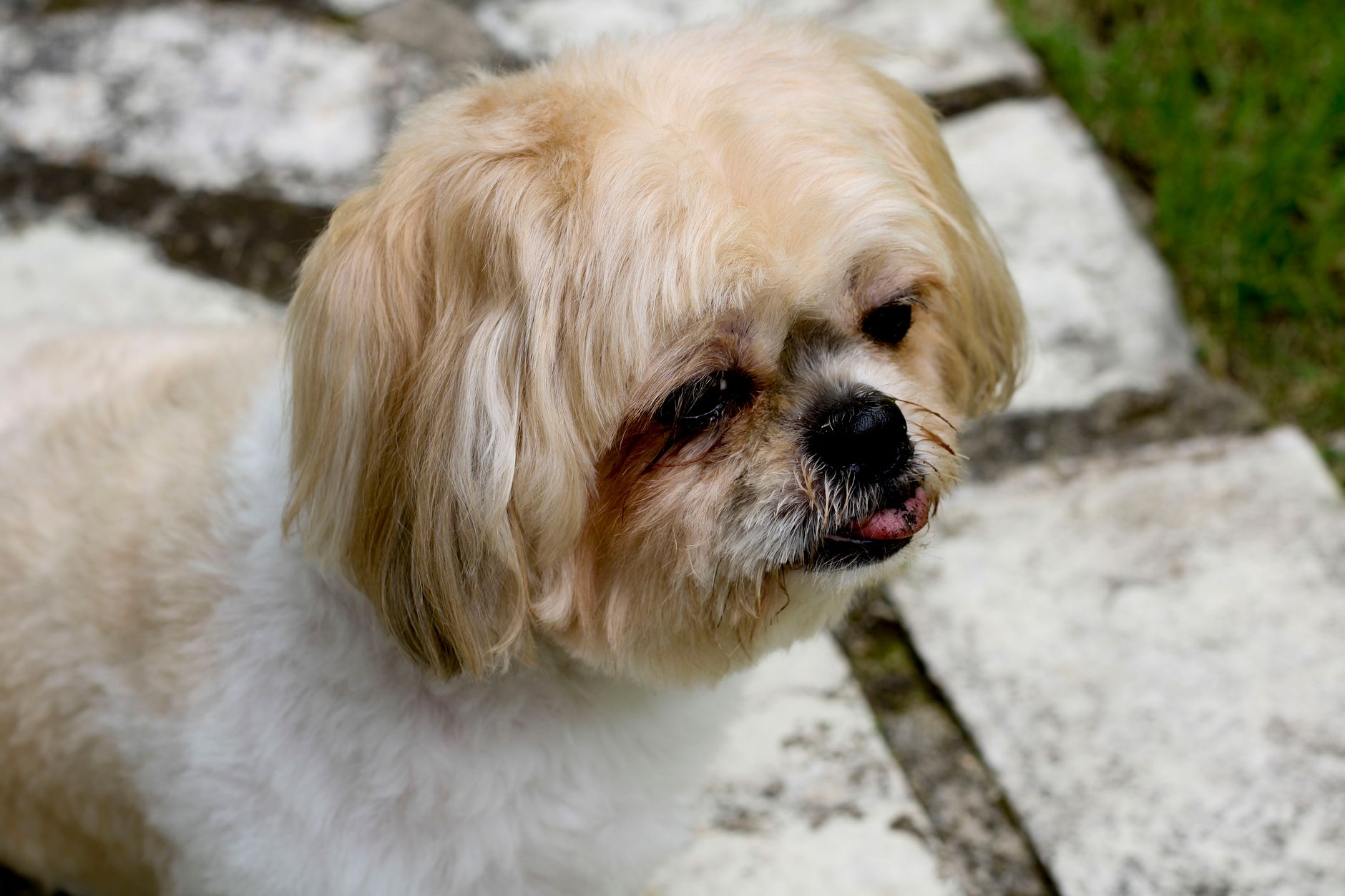
As a veterinarian, this is the most critical anatomical distinction. The Shih Tzu is a brachycephalic (flat-faced) breed, which alters their entire upper respiratory tract.
Maltese, on the other hand, have a more traditional, elongated muzzle.
This facial structure means Shih Tzus face unique environmental and physical challenges that Maltese owners rarely have to worry about. It affects how they breathe, how they cool themselves, and even how they sleep.
- Stenotic Nares: Many Shih Tzus have pinched nostrils, which severely restricts airflow and may require surgical correction.
- Heat Intolerance: Because dogs cool themselves by panting, the flat face of the Shih Tzu makes them highly vulnerable to heatstroke.
- Anesthesia Risks: Brachycephalic dogs require specialized anesthetic protocols, which I carefully calculate in my clinic.
- Elongated Soft Palate: This tissue can obstruct the airway, causing the characteristic snoring and snorting sounds heard in Shih Tzus.
Arm & Hammer Tartar Control Dog Dental Kit
- ✓Enzymatic toothpaste with baking soda
- ✓Dual-sided toothbrush included
- ✓Beef flavor dogs like
- Brushing a few times a week is the most effective way to prevent painful dental disease

Clinical Health Profiles: What I See in My Practice
Every breed has its genetic Achilles’ heel. In my years of clinical practice, I have diagnosed and treated hundreds of Maltese and Shih Tzus for breed-specific ailments.
Knowing what to watch for can save your dog’s life.
While both are generally hardy, they suffer from very different common medical conditions. Let’s look at the primary health issues I diagnose in these two breeds.
- Tracheal Collapse: Extremely common in Maltese; they present with a harsh, ‘honking’ cough when excited or pulling on a collar.
- Patellar Luxation: Slipping kneecaps affect both breeds, but I see it more frequently causing lameness in toy Maltese.
- Dry Eye (KCS): Shih Tzus have prominent eyes that are prone to corneal ulcers and dry eye, requiring lifelong daily drops.
- Dental Disease: Maltese have tiny mouths, leading to severe overcrowding, rapid tartar buildup, and early tooth loss.
Preventative Strategies for Owners
I always instruct my clients to use a harness instead of a collar for both breeds to prevent tracheal damage. Additionally, starting daily dental brushing at puppyhood is the single best way to avoid expensive veterinary dental cleanings later in life.

Temperament and Behavioral Differences
In the exam room, the behavioral differences between these two are stark. I can usually predict how an exam will go based on the breed.
Maltese are often alert, sensitive, and deeply attached to their owners.
Shih Tzus, by contrast, tend to be more laid-back, independent, and sometimes stubborn. They will happily greet everyone in the waiting room, while the Maltese might prefer to watch from the safety of their owner’s lap.
- Maltese Alertness: They make excellent watchdogs but can develop nuisance barking if not trained early.
- Shih Tzu Stubbornness: Training a Shih Tzu requires patience; they are intelligent but will often ask ‘what’s in it for me?’
- Separation Anxiety: Maltese are highly prone to hyper-attachment, leading to distress when left alone.
- Socialization: Shih Tzus are generally more outgoing with other dogs, whereas Maltese can be a bit more selective and cautious.

Nutritional Management and Weight Control
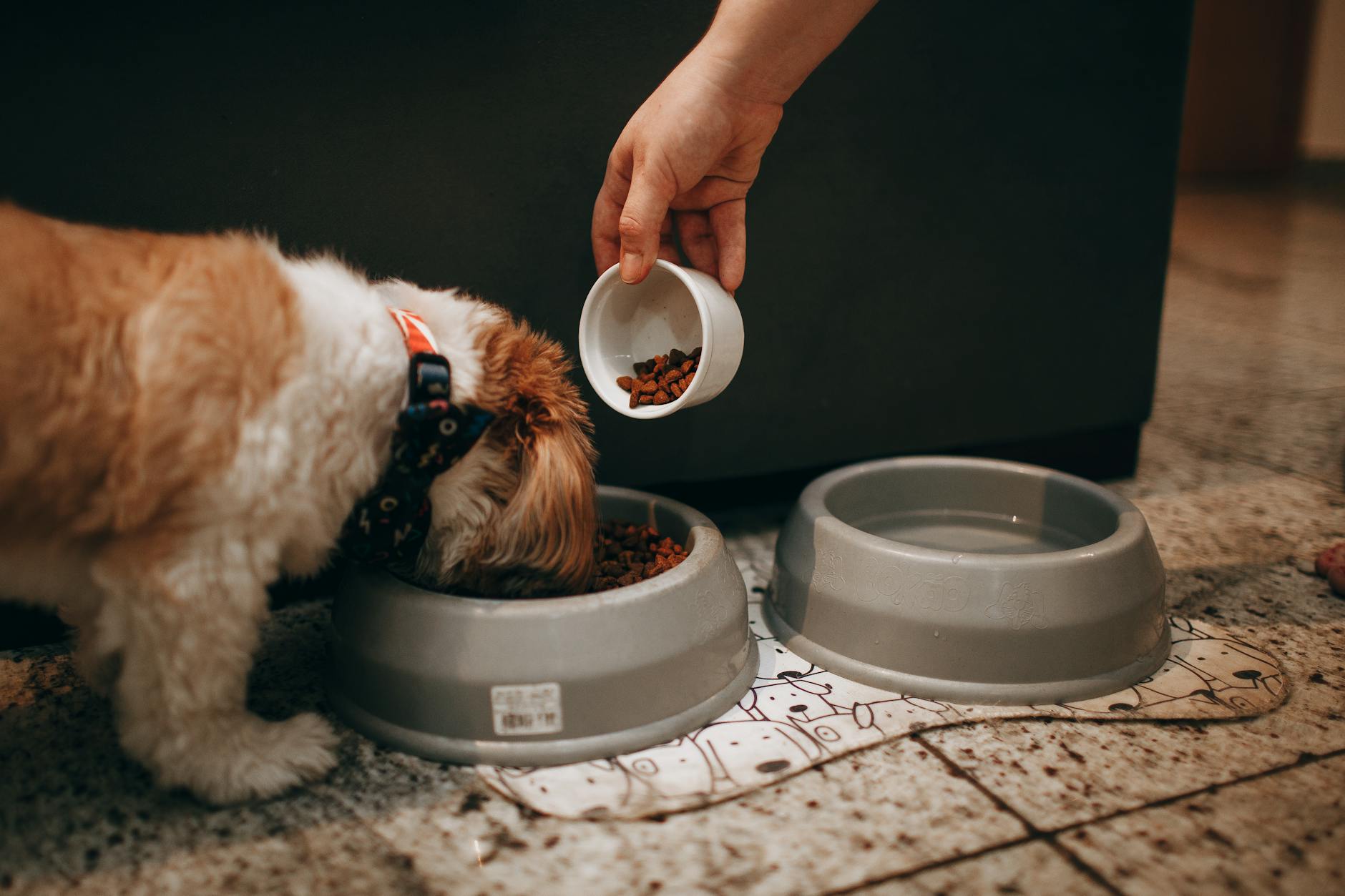
Nutrition is not a one-size-fits-all formula for small dogs. In my practice, I frequently see toy breeds suffering from obesity, which wreaks havoc on their joints and hearts.
Because of their small frames, even a single extra pound on a Maltese or Shih Tzu is equivalent to a human gaining twenty pounds. We must be highly precise with their daily caloric intake.
- Caloric Needs: Shih Tzus have a slower metabolism and are far more prone to obesity than the active Maltese.
- Hypoglycemia in Puppies: Toy-sized Maltese puppies are highly susceptible to sudden drops in blood sugar; I keep Karo syrup on hand for emergencies.
- High-Quality Kibble: Both breeds benefit from small-breed-specific formulas that help mechanically clean their crowded teeth.
- Strict Portion Control: Use a digital kitchen scale rather than a standard measuring cup to ensure precise feeding portions.
Lifespan and Senior Care Considerations
One of the greatest joys of owning these toy breeds is their longevity. It is not uncommon for me to treat 15- or 16-year-old Maltese and Shih Tzus who are still full of life.
However, a long life requires dedicated senior care.
As these dogs enter their golden years, they require more frequent veterinary monitoring. I recommend shifting to biannual exams once they reach age eight to catch age-related changes early.
- Heart Murmurs: Mitral valve disease is common in aging Maltese; we monitor this closely with echocardiograms.
- Cognitive Dysfunction: Senior Shih Tzus can develop doggy dementia, presenting as pacing or getting stuck in corners.
- Arthritis Management: Joint supplements like glucosamine and chondroitin should be started early to preserve mobility.
- Routine Lab Work: Annual senior blood panels allow us to monitor kidney and liver function before symptoms appear.
-
BFPETHOME Orthopedic Washable Large Dog BedSupportive foam cushions hips and joints, ideal for large, senior or dysplasia-prone dogs
-
Pet Grooming 2-in-1 Deshedding & Dematting CombReaches through the topcoat to remove loose undercoat, cutting down the hair on your floors and furniture
-
Hill’s Science Diet Senior Adult 7+ Dry Dog FoodFewer calories and added joint support help older dogs stay lean and mobile
Related Dog Guides
Frequently Asked Questions
Which breed is better for allergy sufferers?
While no dog is truly hypoallergenic, the Maltese is often a better choice. They have a single coat of hair and produce very little dander. Shih Tzus, with their double coats, can trap and release more environmental allergens.
Are Shih Tzus harder to potty train than Maltese?
Yes, in my clinical experience, Shih Tzus tend to take longer to housebreak. This is partly due to their stubborn streak and partly because their small bladders make timing critical. Maltese are highly eager to please, making them slightly easier to train if you are consistent.
Why does my Maltese have rust-colored stains under its eyes?
These tear stains are caused by porphyrins, iron-containing molecules excreted in tears and saliva. In Maltese, their bright white fur makes these stains highly visible. It can be exacerbated by blocked tear ducts, teething, or allergies, which we can evaluate in the clinic.
How often do these breeds need to go to the vet?
Healthy adult Maltese and Shih Tzus should see the vet once a year for vaccines and wellness exams. Once they reach age eight, I recommend moving to twice-yearly exams. This allows us to catch senior-related conditions like heart disease or kidney issues early.
Can these dogs live comfortably in small apartments?
Absolutely, both breeds are excellent apartment dwellers. However, Maltese can be quite vocal, which might disturb close neighbors if barking behavior isn’t addressed. Shih Tzus are generally quieter and very content with indoor living.
Which breed is safer around small children?
Due to their sturdier, more robust build, Shih Tzus are generally safer around children. Maltese are incredibly fragile, and a drop from a child’s arms can easily result in broken bones or severe head trauma. Regardless of breed, I always advise supervising all interactions between dogs and young kids.
Sources & Further Reading
- American Kennel Club (AKC)
- Merck Veterinary Manual
- American Veterinary Medical Association (AVMA)
- PetMD
Final Thoughts
Choosing between a Shih Tzu and a Maltese ultimately comes down to your lifestyle, your schedule, and your aesthetic preferences. If you want a sturdy, comical companion who enjoys lounging on the sofa and doesn’t mind a slower pace, the Shih Tzu is a magnificent choice.
If you prefer an elegant, highly affectionate, and alert shadow who will follow you from room to room, the Maltese will capture your heart. Whichever breed you welcome into your family, commit to routine veterinary care, daily dental hygiene, and professional grooming.
As their veterinarian, I am here to ensure that your chosen companion lives a long, vibrant, and pain-free life by your side.