
Tonkinese Cat Care: Personality, Grooming and Health Basics
 Tonkinese Cat Care: Personality, Grooming and Health Basics” loading=”lazy”>
Quick Summary
The Tonkinese is a vibrant, intelligent, and highly social breed resulting from a cross between the Siamese and Burmese. They require consistent environmental enrichment, moderate grooming, and specialized veterinary attention to mitigate risks for periodontal disease and hypertrophic cardiomyopathy. This comprehensive guide outlines clinical insights and daily care strategies from Dr. Veronica Heller to help your Tonkinese thrive.
As an Amazon Associate, we earn from qualifying purchases.
Popular with cat owners: Flea and Tick Prevention · Pet Camera · Cat Tunnel
In my clinical practice, I have had the pleasure of treating almost every feline breed imaginable. Yet, the Tonkinese always holds a special place in my schedule.
These striking, medium-sized cats are not just beautiful; they possess a captivating blend of intelligence, warmth, and playfulness.
Often described as the perfect compromise between the vocal Siamese and the laid-back Burmese, the ‘Tonk’ is a unique companion. Understanding their specific care requirements is essential for keeping them thriving.
Let us dive into the clinical realities and daily joys of sharing your home with a Tonkinese. I will share my hands-on advice on keeping them healthy, happy, and intellectually engaged.
Key Takeaways
- Tonkinese cats are exceptionally social and can develop separation anxiety if left alone for extended periods.
- Their striking ‘mink’ coat pattern is a heterozygous genetic trait resulting from Siamese and Burmese lineage.
- This breed is highly predisposed to early-onset dental and periodontal disease, requiring proactive home care.
- While generally robust, they are genetically prone to Hypertrophic Cardiomyopathy (HCM) and amyloidosis.
- Nutrition must focus on high-protein, high-moisture diets to maintain their lean muscle and prevent urinary issues.
- They possess dog-like intelligence and require significant mental stimulation, including puzzle toys and training.
In This Article
The Tonkinese Origin and Coat Genetics
The Tonkinese is a deliberate cross between the Siamese and the Burmese, resulting in a beautifully balanced feline. In my clinic, I often point out how this genetic heritage influences not just their striking looks but also their muscular, heavy-for-their-size build.
They are surprisingly solid cats when you lift them onto the exam table.
Their coats are famously soft, often compared to the feel of luxurious mink. This texture is a direct result of their unique heterozygous genetic makeup.
Unlike many breeds, they display a wonderful spectrum of coat patterns that depend heavily on genetic inheritance.
As a vet, I find their coat development fascinating because Tonkinese kittens are actually born entirely white. Their distinct point or mink patterns gradually darken and emerge over the first several months of life.
It is always exciting to watch a Tonkinese patient’s coat evolve during their first-year checkups.
The Three Distinct Patterns
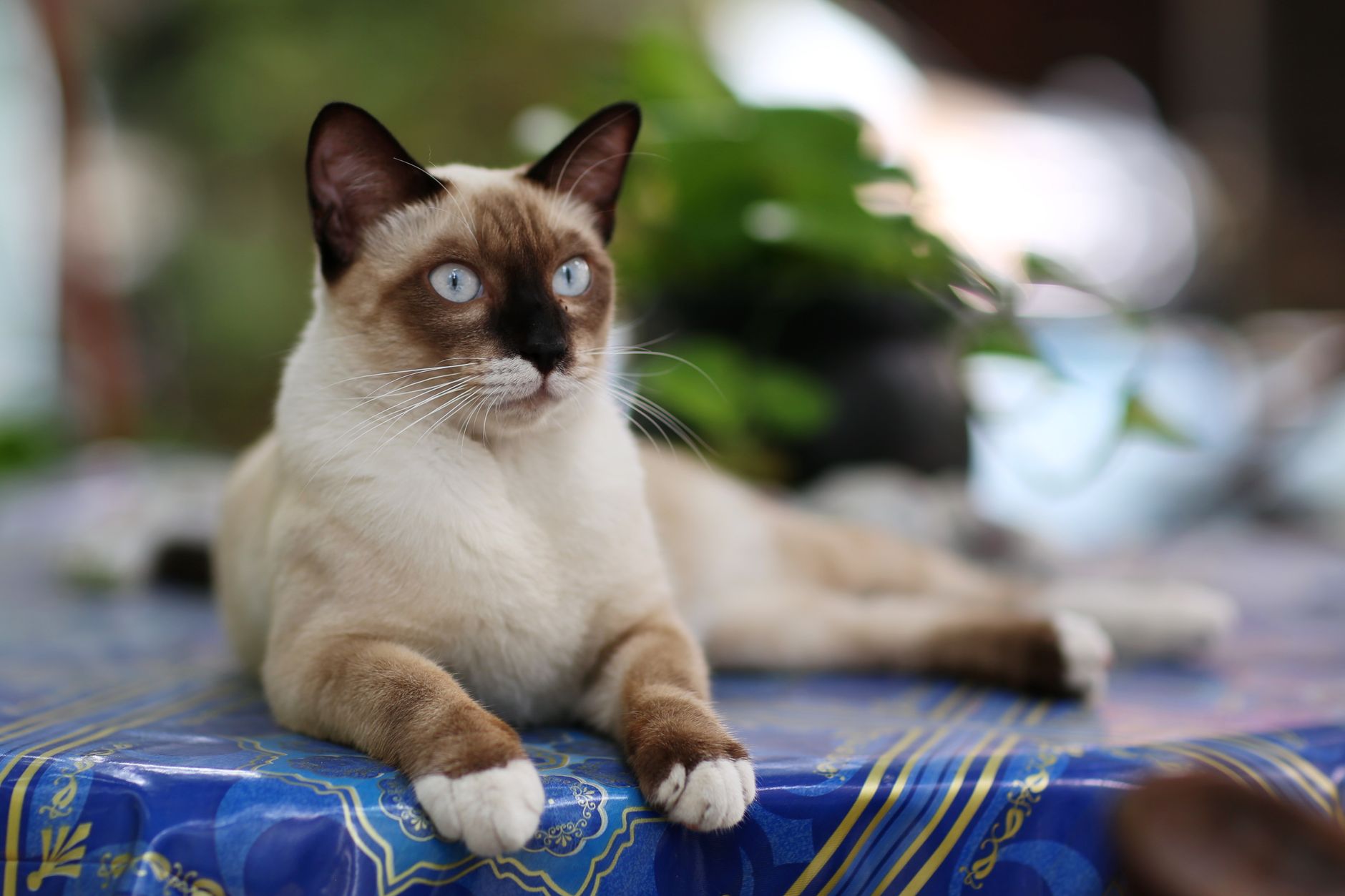
While many owners only associate the breed with the famous mink pattern, they actually come in three distinct coat variations. These are Pointed (high contrast like a Siamese), Solid (low contrast like a Burmese), and Mink (the classic, medium-contrast blend with aqua eyes).
Advantage II Flea Treatment for Large Cats
- ✓Kills adult fleas, larvae and eggs
- ✓For cats over 9 lbs, 8 weeks and older
- ✓Vet-recommended monthly topical
- Year-round protection keeps fleas and ticks, and the diseases they carry, off your pet
- Ask your vet which option suits your pet
Each variation carries its own unique genetic charm.
Personality and Social Dynamics
If you are looking for a quiet, aloof cat that blends into the background, the Tonkinese is definitely not for you. In my years of practice, I have found that Tonkinese owners joke that these cats act more like dogs than felines.
They are incredibly social, highly demanding of your attention, and constantly curious about their environment.
They do not tolerate isolation well and can become highly stressed if left alone for long periods. When clients tell me their Tonkinese is suddenly knocking items off shelves or vocalizing excessively, my first question is always about their daily interactive playtime.
They need mental stimulation just as much as they need physical exercise.
In my experience, a lonely Tonkinese will quickly develop behavioral issues like separation anxiety. This often manifests as destructive scratching or localized overgrooming.
Providing them with a companion, such as another cat or a dog, can make a world of difference for their mental stability.
- Provide daily interactive play sessions of at least 15 to 20 minutes to burn off excess energy.
- Consider adopting a companion animal if you work long hours away from home.
- Use puzzle feeders to keep their highly active minds busy during meal times.
- Teach them simple tricks like fetch or walking on a harness, as they are incredibly trainable.

Grooming Needs and Coat Maintenance
One of the biggest selling points of the Tonkinese is their low-maintenance grooming routine. Their short, dense coats do not mat easily, which makes them a joy to care for.
However, low-maintenance does not mean no maintenance, and establishing a routine early is vital.
Regular grooming is less about preventing tangles and more about removing dead hair and stimulating skin oils. I recommend a weekly brushing session using a high-quality rubber grooming brush or a soft-bristle brush.
This routine also doubles as a fantastic bonding experience that reinforces your connection with your cat.
In addition to brushing, this weekly ritual is the perfect opportunity to perform a quick home health check. I always tell my clients to use this time to inspect their cat’s skin for lumps, bumps, or external parasites like fleas.
Catching these issues early during a relaxing groom can prevent complex veterinary issues down the line.
- Use a rubber curry brush once a week to gently sweep away loose undercoat hairs.
- Wipe their coat down with a damp chamois cloth to give it that signature glossy, mink-like sheen.
- Trim their nails every two to three weeks using specialized cat nail clippers.
- Inspect their ears weekly for any signs of redness, discharge, or an unusual odor.
- ✓1080p 360° rotating camera
- ✓Two-way audio and treat toss
- ✓Core features without a subscription
- Lets you check in, talk to your pet and spot problems while you’re out
Dental Care is Non-Negotiable
I must emphasize that Tonkinese cats are genetically predisposed to periodontal disease. I regularly treat young Tonkinese patients with advanced gingivitis.
Daily brushing with pet-safe enzymatic toothpaste is the gold standard of care to avoid expensive dental surgeries.

Key Health Considerations and Genetic Risks
While Tonkinese cats are generally robust and enjoy a long lifespan of 12 to 16 years, they do carry some genetic predispositions. In my clinic, we pay close attention to cardiac health, renal function, and hereditary metabolic conditions.
It is crucial to source your kitten from a reputable breeder who performs comprehensive genetic screening.
Hypertrophic Cardiomyopathy (HCM) is the most common heart disease diagnosed in cats, and the Tonkinese is no exception. This condition causes the muscle walls of the heart to thicken, eventually leading to heart failure if left unmanaged.
Regular veterinary checkups with careful heart auscultation are your first line of defense, and I often recommend screening tests like a proBNP blood test.
Another condition we monitor closely is amyloidosis, a disease where abnormal proteins deposit in organs like the liver or kidneys. This can lead to premature organ dysfunction or failure.
Early diagnostic bloodwork is an invaluable tool for catching these issues before clinical symptoms arise.
- Rapid or labored breathing, especially while resting or sleeping.
- Lethargy, sudden weakness, or an unexplained reluctance to play.
- Poor appetite and unexplained, gradual weight loss.
- A soft heart murmur detected during routine clinical examinations.
- Sudden hind limb paralysis, which is a medical emergency known as saddle thrombus.

Tailoring Nutrition for an Active Breed
Nutrition plays a massive role in maintaining the lean, muscular build that defines the Tonkinese. Because they are highly active, they require a diet rich in high-quality animal proteins to support their lean muscle mass.
However, their active nature can diminish as they age, making obesity a real threat if portions are not carefully managed.
I highly recommend a diet consisting primarily of high-quality wet canned food. Wet food provides the essential moisture needed to support kidney function and prevent urinary tract issues, which are common in all domestic cats.
Avoid free-feeding dry kibble, as this is the leading cause of feline obesity in my practice.
When selecting a pet food, always read the ingredient label carefully. I tell my clients to avoid formulas that rely heavily on plant proteins or cheap carbohydrate fillers.
Look for diets that list real, named animal proteins as the primary ingredients to match their biological needs.
- Select a premium food where a named animal protein, like chicken or salmon, is the very first ingredient.
- Measure out daily portions using a digital kitchen scale rather than guessing.
- Incorporate wet food daily to ensure optimal hydration and urinary tract health.
- Avoid foods containing excessive carbohydrate fillers like corn, wheat, or soy.

Environmental Enrichment and Mental Stimulation
A bored Tonkinese is a mischievous Tonkinese. In my practice, behavioral issues like destructive scratching or aggression are almost always linked to a lack of environmental stimulation.
These cats love to climb, explore, and observe their domain from high vantage points.
To keep your Tonkinese happy, you must design your living space with their natural instincts in mind. Provide multiple vertical options like tall cat trees and window perches.
They are also incredibly visual animals, so setting up a bird feeder outside a secure window can provide hours of safe entertainment.
Remember that these cats crave human interaction. Left alone without stimulation, they can develop separation anxiety, leading to excessive grooming or litter box avoidance.
Active, engaged environments are key to their psychological well-being.
- Install sturdy cat trees that reach close to the ceiling to satisfy their climbing instincts.
- Rotate interactive toys weekly to keep them feeling fresh and exciting.
- Introduce food puzzles and foraging toys to mimic natural hunting behaviors.
- Set aside dedicated time each day to play, train, or simply cuddle on the sofa.

Lifetime Preventive Veterinary Care
Preventive veterinary medicine is the cornerstone of a long, healthy life for your Tonkinese. I always recommend establishing a relationship with a veterinarian as soon as you bring your new companion home.
This allows us to establish baseline health parameters and create a customized wellness plan.
As your Tonkinese matures, their medical needs will shift. Routine annual exams are sufficient during their early years, but once they reach age seven, we transition them to bi-annual senior exams.
These visits are vital for catching age-related diseases like arthritis, kidney disease, and hyperthyroidism early.
Vaccinations, parasite prevention, and routine lab work should never be overlooked, even for strictly indoor cats. Indoor cats can still be exposed to parasites and infectious diseases carried in on our shoes or clothing.
- Annual comprehensive physical exams, transitioning to bi-annual for senior cats over seven.
- Core vaccinations (FVRCP and Rabies) kept up-to-date according to local laws and risk factors.
- Routine annual blood chemistry panels and complete blood counts to monitor organ function.
- Regular professional dental cleanings under anesthesia to manage periodontal disease.
- Year-round broad-spectrum parasite prevention targeting fleas, ticks, and intestinal worms.
-
EGETOTA 5-Way Cat Tunnel with Play BallA crinkly play tunnel gives cats somewhere to hide, pounce and race through
-
Globlazer XXL Cat Tower for Multiple CatsGives cats vertical space to climb, scratch and nap, which reduces stress and keeps them off your shelves
-
Blue Buffalo Indoor Adult Cat Food, Chicken & Brown RiceBalanced nutrition for less active indoor cats
Related Cat Guides
Frequently Asked Questions
Are Tonkinese cats vocal like Siamese cats?
Yes, but they are generally softer and less demanding in their vocalizations. They will absolutely carry on a conversation with you, but their tone is typically described as sweet and melodic rather than loud and raspy.
How long do Tonkinese cats usually live?
With excellent care, a high-quality diet, and regular preventive veterinary checkups, Tonkinese cats routinely live between 12 and 16 years. Some individuals even make it into their late teens or early twenties.
Do Tonkinese cats shed a lot?
No, they are relatively low shedders due to their short, single coats. A weekly brushing session is usually more than enough to manage loose hairs and keep their coat looking glossy.
Can Tonkinese cats be left alone during the work day?
They can tolerate some alone time, but they genuinely crave companionship. If you work long hours, I strongly recommend adopting them in pairs or ensuring they have a friendly canine companion to keep them company.
Are Tonkinese cats good with children and other pets?
Absolutely. Because of their social, confident, and highly playful personalities, they tend to do exceptionally well with gentle children and coexist peacefully with other cat-friendly household pets.
What eye colors do Tonkinese cats have?
Their eye color depends on their coat pattern. Mink-patterned Tonkinese cats are famous for their stunning aqua eyes, while Pointed cats have bright blue eyes, and Solid cats feature yellow-green to gold eyes.
Sources & Further Reading
- The Cat Fanciers’ Association (CFA)
- Cornell University College of Veterinary Medicine
- American Veterinary Medical Association (AVMA)
Final Thoughts
Caring for a Tonkinese is an incredibly rewarding journey that brings immense joy, laughter, and companionship. Their affectionate nature, striking appearance, and dog-like devotion make them a truly standout breed.
By prioritizing their physical health, nutritional needs, and mental stimulation, you can ensure they live a long, vibrant life.
Always remember that regular veterinary care is your best tool for safeguarding their well-being. Partner closely with your veterinarian, monitor their behavior, and enjoy every single moment of their playful antics.
The bond you form with your Tonkinese will undoubtedly be one of the most fulfilling relationships of your life.