
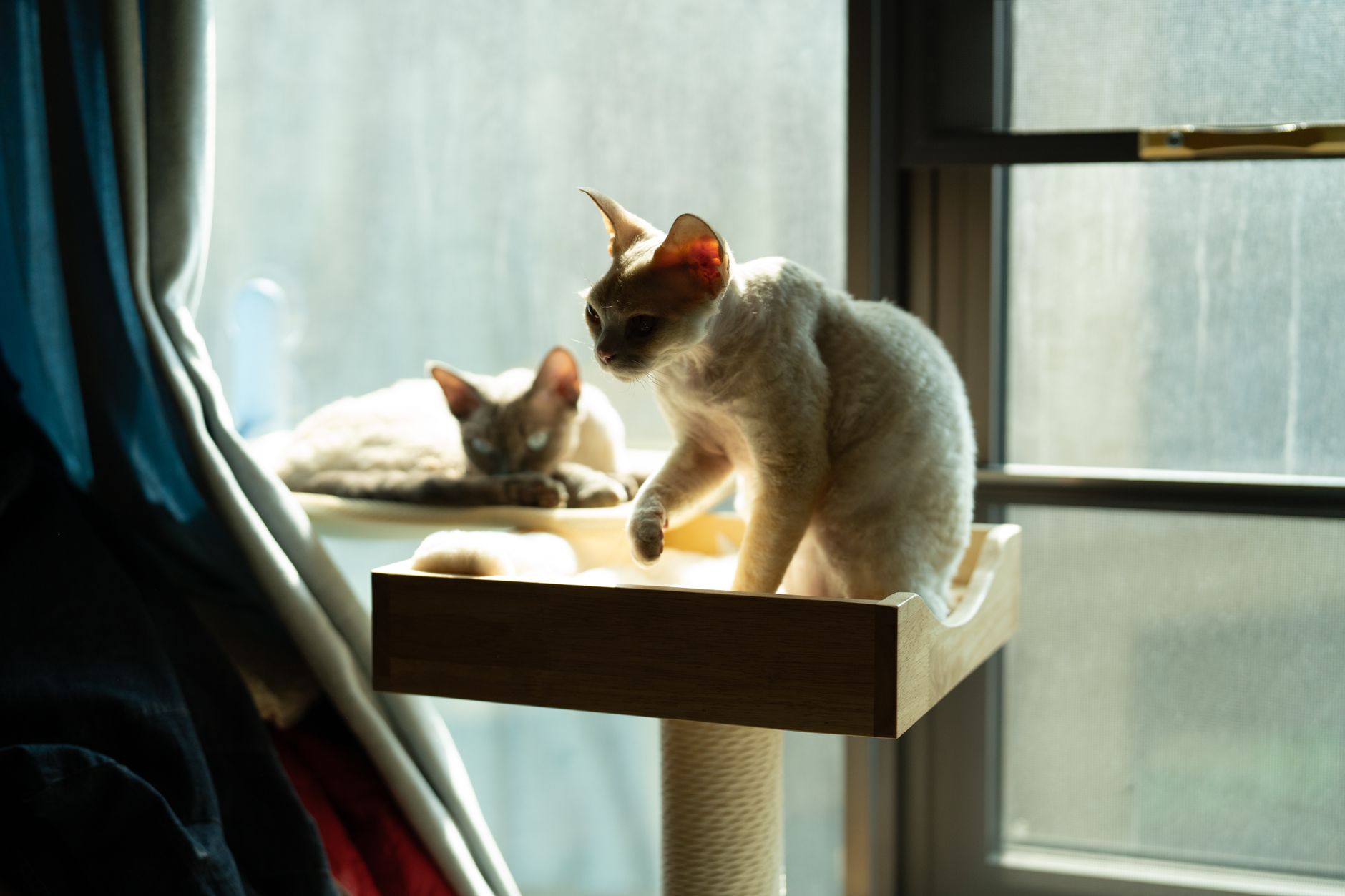
 Devon Rex Care Guide: Coat, Diet and Warmth Needs” loading=”lazy”>
Quick Summary
The Devon Rex is a unique feline breed with distinct genetic, dermatological, and metabolic needs due to their fragile, short coat and high body temperature. Successful care requires a precise grooming routine to manage sebum buildup, a high-calorie diet to fuel their fast metabolism, and dedicated environmental heating to prevent hypothermia. As a veterinarian, I recommend regular cardiac and orthopedic screenings to protect these high-energy, affectionate companions throughout their lives.
As an Amazon Associate, we earn from qualifying purchases.
Popular with cat owners: Cardboard Cat Scratcher · Cat Food · Slicker Brush
In my clinical practice, few breeds elicit as much immediate fascination—and as many care misconceptions—as the Devon Rex. With their oversized ears, expressive pixie-like faces, and uniquely crinkled coats, they look like magical creatures.
However, that whimsical appearance is the result of a specific genetic mutation that fundamentally alters how they interact with their environment.
Caring for a Devon Rex requires moving past standard cat care and adopting a specialized dermatological, nutritional, and thermal protocol to keep them healthy.
Key Takeaways
- Devon Rexes have a mutated LPAR6 gene, resulting in a fragile, short coat that does not shed normally and is prone to breakage.
- Their lack of guard hairs leads to sebum accumulation, making them prone to greasy skin, Malassezia yeast dermatitis, and ear infections.
- They have a higher baseline metabolic rate and need premium, calorie-dense diets to maintain their body temperature.
- Supplemental heat sources, such as heated pet beds and cat sweaters, are physiological necessities, not just cute accessories.
- Annual veterinary screenings for Hypertrophic Cardiomyopathy (HCM) and patellar luxation are vital for this breed.
- Never use harsh defatting shampoos; opt for veterinary-approved, mild antiseptic or oatmeal-based formulas to protect their delicate skin barrier.
In This Article
- The Anatomy of the Rex Coat: Genetics and Fragility
- The Sebum Challenge: Managing Greasiness and Yeast
- Grooming Protocols: Baths, Ears, and Claws
- Thermoregulation: Why Devon Rexes Need Artificial Warmth
- Metabolic Demand: Feeding a High-Energy Breed
- Hereditary Health Concerns and Clinical Screenings
- Environmental Enrichment for an Active Mind
The Anatomy of the Rex Coat: Genetics and Fragility
In my clinical practice, when clients bring a Devon Rex into my exam room, the first thing I do is run my hands gently along their unique fur. Unlike a standard domestic cat coat, which features thick guard hairs, coarse awn hairs, and downy undercoat hair, the Devon Rex coat is almost entirely comprised of down hair.
This distinct lack of protective layers is due to a recessive mutation in the LPAR6 gene, which alters the structural integrity of the hair shaft.
This genetic quirk means their fur is incredibly fragile and prone to breaking off at the skin level. You might notice bald patches, a condition we medically refer to as hypotrichosis, appearing during seasonal shifts, hormonal changes, or periods of mild stress.
I always tell my clients to think of the Devon Rex coat as a delicate lace fabric rather than a protective winter coat.
Because of this fragility, rough petting, intensive brushing, or aggressive play with other pets can cause physical damage to the hair shafts. Understanding this structural vulnerability is the foundation of all Devon Rex husbandry and will dictate how you handle, groom, and protect your cat daily.
- The LPAR6 gene mutation causes a lack of protective, coarse guard hairs.
- The coat consists primarily of soft, fragile underhair (down hair) that breaks easily.
- They are prone to temporary baldness (hypotrichosis) during hormone fluctuations or stress.
- The skin is highly susceptible to friction damage from rough handling, heavy collars, or abrasive grooming tools.
FUKUMARU L-Shaped Cardboard Cat Scratcher
- ✓Thick 1.6-inch cardboard
- ✓L-shape for scratching and lounging
- ✓Protects furniture
- A cardboard scratcher gives cats an easy, cheap outlet for scratching, and many love lounging on it too

The Sebum Challenge: Managing Greasiness and Yeast
Standard cats produce sebum, a natural skin oil, which is normally distributed along the length of their long hair shafts during regular self-grooming. Because the Devon Rex lacks these long hair shafts to wick the oils away, that oil has nowhere to go.
It pools directly on the surface of their skin, creating a greasy film that can soil your furniture and trap environmental debris.
In my dermatology room, I frequently diagnose Devon Rexes with secondary Malassezia (yeast) dermatitis. This yeast naturally lives on feline skin, but the warm, sebum-rich environment of a Devon Rex is the perfect breeding ground for an overgrowth.
This results in itchy, red skin, a characteristic musty odor, and chronic scratching that can lead to self-inflicted wounds.
To prevent this, you must establish a gentle, proactive skin care routine. If you wait until your cat is visibly greasy, smelling like corn chips, or scratching incessantly, you are already dealing with clinical inflammation.
Prevention through regular, targeted hygiene is much easier than treating an active, painful skin infection.
- Excess sebum pools on the skin instead of being absorbed and distributed by long hair shafts.
- There is a very high risk of Malassezia (yeast) overgrowth, particularly in skin folds, armpits, and groins.
- Greasy residue can transfer to fabrics, which in turn attracts dirt and worsens skin irritation.
- Watch for clinical signs of dermatitis: redness, a sweet or musty smell, and frequent scratching or rubbing.

Grooming Protocols: Baths, Ears, and Claws
Many new owners ask me how often they should bathe their Devon Rex, expecting a simple numerical rule. There is no single answer; it depends entirely on the individual cat’s sebum production, activity level, and environment.
Some oily individuals need a bath every two weeks, while dry-skinned Devons can easily go months with only spot-wiping.
When bathing, never use human shampoos or dish soaps, which strip the natural lipid barrier and cause rebound sebum overproduction. I recommend a veterinary-grade, mild antiseptic shampoo containing chlorhexidine and ketoconazole if yeast is an issue, or a soothing oatmeal shampoo for routine maintenance.
Always ensure the water is lukewarm and the room is draft-free.
Ears and claw folds also require meticulous attention. Their large, open ears collect wax and dust rapidly, while their claw sheaths often accumulate a dark, greasy buildup that can cause painful nail bed infections if left unaddressed.
- Use lukewarm water and soap-free, pH-balanced veterinary shampoos designed for sensitive skin.
- Clean the ear canals weekly with a veterinarian-approved, alcohol-free ceruminolytic ear cleaner.
- Wipe nail beds and claw folds during weekly nail trims using hypoallergenic, unscented pet wipes.
- Pat the skin completely dry with a microfiber towel; never use a hot hair dryer, which can burn their thin skin.
Purina Friskies Pate Wet Cat Food Variety Pack
- ✓Smooth pate texture
- ✓Seafood and chicken recipes
- ✓Complete and balanced adult nutrition
- A high-protein, complete diet suits cats’ needs as obligate carnivores

Thermoregulation: Why Devon Rexes Need Artificial Warmth
If you touch a Devon Rex, they feel incredibly hot, often leading owners to worry that their pet has a fever. In reality, you are simply feeling their normal internal body temperature (typically 100.5 to 102.5 degrees Fahrenheit) directly through their thin coat.
They lack the thermal insulation that keeps other cats warm, which means they lose body heat rapidly to the surrounding air.
Because they lack this insulation, Devon Rexes are highly susceptible to environmental drafts and sudden temperature drops. In my practice, I have treated several Devons for mild hypothermia simply because their owners left the air conditioning too high during a summer vacation.
They are indoor-only cats, and their environment must be actively managed to support their physical warmth.
Providing constant, safe supplemental warmth is not an indulgence—it is a physiological necessity for this breed. They will actively seek out heat sources, including registers, sunny windows, and your laptop keyboard, so we must make sure these sources are safe and accessible.
- Ensure the home temperature remains at or above 72 degrees Fahrenheit (22 degrees Celsius) year-round.
- Provide thermostatically controlled heated pet beds designed specifically for small animals to prevent thermal burns.
- Acclimate your cat to wearing soft, breathable sweaters, ensuring they are washed weekly to prevent oil buildup.
- Avoid placing heated beds directly against drafty exterior walls or concrete basement floors.

Metabolic Demand: Feeding a High-Energy Breed
Due to their constant heat loss, Devon Rexes have a remarkably high metabolic rate to keep their core temperature stable. They require significantly more calories per pound of body weight than a standard domestic shorthair of the same size.
If you feed them standard portions, you will quickly notice muscle wasting, a prominent spine, and lethargy.
I always advise clients to select a high-quality, protein-rich diet where real animal protein is the first ingredient. Active adults benefit from foods with higher fat content to meet their daily energy demands and support their delicate skin health from the inside out.
However, this high metabolism must be managed carefully to avoid gastrointestinal upset. Do not confuse a high calorie requirement with unlimited free-feeding, which can lead to rapid weight gain and joint stress in less active individuals.
A structured feeding schedule is always best.
- Select diets with at least 35% to 40% high-quality protein on a dry matter basis.
- Look for added Omega-3 and Omega-6 fatty acids to support the delicate skin barrier and promote hair health.
- Monitor body condition score (BCS) monthly; you should easily feel the ribs but not see them protruding sharply.
- Divide their daily caloric intake into three or four small meals to prevent digestive upset and energy crashes.

Hereditary Health Concerns and Clinical Screenings
While their external care is highly demanding, we must not ignore their internal health. Like many purebred cats, the Devon Rex is genetically predisposed to specific health conditions.
As a clinician, I advocate for early and regular screenings to catch these issues before they become life-threatening.
The most critical cardiac concern in this breed is Hypertrophic Cardiomyopathy (HCM), a condition that causes the heart muscle walls to thicken. This reduces the heart’s efficiency and can lead to sudden heart failure or devastating blood clots.
Additionally, their skeletal structure is prone to patellar luxation, where the kneecap slips out of its normal anatomical groove. This can cause intermittent limping, pain, and lead to early-onset osteoarthritis if not managed properly.
Echocardiogram Screening for HCM
I recommend annual echocardiograms performed by a board-certified veterinary cardiologist starting at one year of age. This non-invasive ultrasound is the only reliable way to detect early structural changes in the heart before clinical signs develop.
Orthopedic Knee Assessments
During every annual exam, I perform a manual palpation of the patellas to check for stability. If your cat exhibits a ‘hopping’ gait or suddenly holds a hind leg up, they require immediate veterinary orthopedic evaluation.
Hereditary Myopathy Monitoring
Devon Rex myopathy is an inherited muscle weakness disease that affects the nervous and muscular systems. Affected cats show generalized muscle weakness, head lag, and a high-stepping gait, which typically manifests between 3 weeks and 6 months of age.

Environmental Enrichment for an Active Mind
Devon Rexes are often described as ‘monkeys in cat suits,’ and in my clinical experience, this is entirely accurate. They are highly intelligent, extremely active, and crave near-constant social interaction with their humans.
A bored Devon Rex can easily develop stress-induced behaviors, including over-grooming their already fragile coats until they are completely bald.
Because they lack protective fur, their environment must be safe from physical hazards. Avoid wire cages, rough climbing structures, or toys with sharp plastic edges that could scrape their sensitive skin.
Provide plenty of vertical space, such as carpeted cat trees placed near safe heat sources, to satisfy their innate desire to climb and survey their kingdom. Engaging their minds is just as important as protecting their bodies.
- Use interactive puzzle feeders to engage their high intelligence and slow down their eating.
- Rotate toys weekly to prevent boredom and keep their active minds stimulated.
- Incorporate clicker training to teach them tricks, which strengthens your bond and channels their energy.
- Ensure all climbing structures are carpeted or padded to protect their delicate skin from abrasions.
-
Depets Self-Cleaning Slicker BrushFine wire pins lift loose undercoat and work out small tangles before they turn into mats
-
PetHonesty Cat Hairball Remedy ChewsHairball formulas help swallowed fur pass through, so long-haired cats cough up fewer hairballs
-
Qbily Pet Hair Remover 2nd Gen, 3 PackLifts embedded fur from sofas, car seats and clothes in a few quick strokes
Related Cat Guides
Frequently Asked Questions
Do Devon Rex cats shed?
Yes, Devon Rex cats do shed, but because their hair is so short, fine, and fragile, it is much less noticeable than standard cat shedding. Instead of leaving clumps of fur on your furniture, their broken hairs tend to fall out individually or collect in their favorite sleeping spots.
Are Devon Rex cats hypoallergenic?
No cat is truly hypoallergenic, including the Devon Rex. Most cat allergies are triggered by the Fel d 1 protein found in feline saliva, skin dander, and urine. Because Devon Rexes groom themselves, this protein still accumulates on their skin and short fur, meaning they can still trigger allergic reactions in sensitive individuals.
Why does my Devon Rex have bald patches?
Bald patches, or hypotrichosis, are common in Devon Rexes and can be caused by genetic factors, seasonal shedding patterns, or stress. However, it can also indicate underlying issues like friction from a tight collar, a yeast or fungal infection, or self-trauma from over-grooming. I recommend a clinical skin scraping if you notice sudden hair loss.
How often should I bathe my Devon Rex?
There is no universal bathing schedule, as sebum production varies greatly between individual cats. Some Devon Rexes require a bath every two to four weeks to manage oil buildup, while others only need a bath every few months. I advise monitoring their skin for a greasy texture or a musty odor to determine when a bath is necessary.
Do Devon Rexes need to wear sweaters?
Sweaters are highly beneficial for Devon Rexes, especially during the colder winter months or in air-conditioned homes. Because they lack insulating guard hairs, sweaters help them retain their body heat. Ensure you choose soft, breathable fabrics and wash them regularly to prevent trapping oils against their skin.
What is the life expectancy of a Devon Rex?
With proper indoor care, a high-quality diet, and regular veterinary checkups, a Devon Rex can live a long and healthy life of 12 to 15 years or more. Prioritizing genetic screenings like annual echocardiograms is key to identifying and managing potential hereditary health conditions early.
Sources & Further Reading
- The Cat Fanciers’ Association (CFA)
- Cornell University College of Veterinary Medicine
- Merck Veterinary Manual
- PetMD
Final Thoughts
Caring for a Devon Rex is one of the most rewarding, yet hands-on, journeys a cat owner can undertake. Their unique genetics mean they are far from low-maintenance, requiring active management of their skin oils, environmental temperature, and high-energy diets.
In my years of clinical practice, I have seen that owners who commit to a structured care routine are rewarded with incredibly affectionate, healthy, and vivacious companions. By partnering closely with your veterinarian and keeping a watchful eye on their skin, heart, and joints, you can ensure your Devon Rex thrives for years to come.
Remember, their magical appearance is matched only by their massive hearts—treat them with the specialized care they truly deserve.