
Silky Terrier Breed Guide
Quick Summary
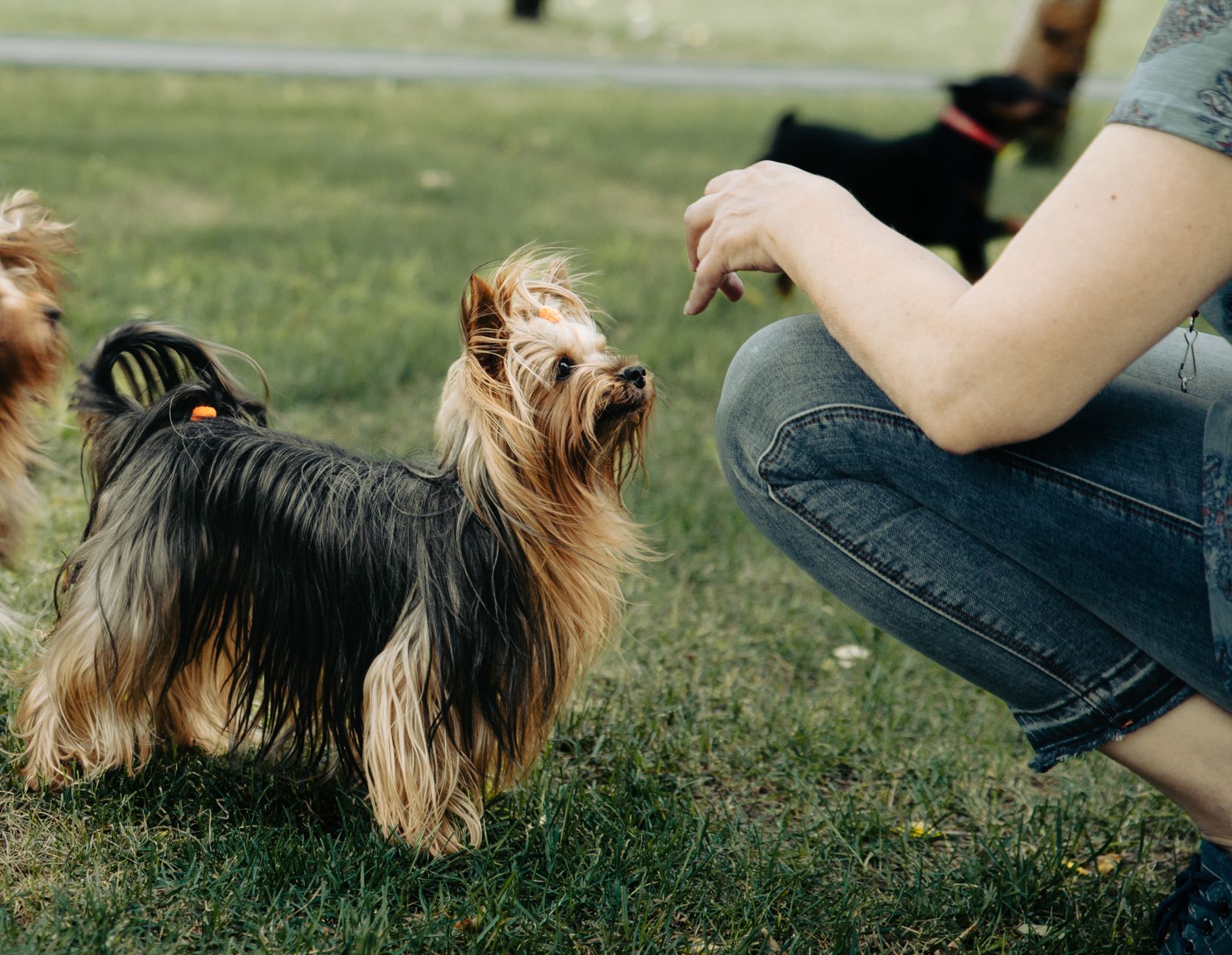
The Silky Terrier is a spirited, highly affectionate toy terrier that packs a big personality and surprising athletic drive into a compact, elegant ten-pound frame. While they look quite similar to Yorkshire Terriers, they possess a true working terrier heritage, meaning they require active engagement, regular mental stimulation, and dedicated daily coat care. They are best suited for dynamic households that can appreciate their feisty nature and commit to consistent training.
As an Amazon Associate, we earn from qualifying purchases.
Popular with Silky Terrier owners: Puzzle Toys · Orthopedic Dog Bed · Slicker Brush
Quick Facts
- origin countryAustralia
- breed groupToy
- sizeSmall
- weight range9 to 11 pounds (4 to 5 kg)
- height range9 to 10 inches at the shoulder
- lifespan12 to 15 years
- coat typeSingle, fine, long, and silky
- common colorsBlue and tan, blue silver and tan, grey and tan
- other namesAustralian Silky Terrier, Sydney Silky
- recognized byAKC, ANKC, UKC, FCI
Caring for a Silky Terrier
In my years treating this breed, I often see owners who underestimated the energy of the Silky Terrier because of its refined appearance. Living with a Silky means managing a high-octane terrier in a tiny body; they need daily structured walks, puzzle toys to burn mental energy, and a strict grooming routine. I always tell owners that their daily schedule must account for at least 30 to 45 minutes of active exercise and 15 minutes of dedicated coat brushing. They thrive on routine but will quickly invent their own (often destructive) fun if left ignored.
Is a Silky Terrier a good family pet?
They can be wonderful companions for families with older, respectful children who understand how to handle a small dog safely. In my practice, I caution against them for families with toddlers, as a Silky will not tolerate rough handling or tail-pulling and may nip in self-defense.
Do Silky Terriers shed a lot?
No, they are a single-coated breed and shed minimally, making them a frequent choice for owners with mild allergies. However, their hair grows continuously like human hair, meaning that instead of shedding on your furniture, dead hairs get trapped in the coat and will form severe mats if not brushed daily.
Is a Silky Terrier good for first-time owners?
They can be challenging for novices because of their strong-willed terrier instincts and high grooming demands. If a first-time owner is highly active, committed to positive reinforcement training, and ready for professional grooming costs, a Silky can work, but they are not low-maintenance ‘starter’ lapdogs.
Temperament & Personality
A Silky Terrier is not your average sleepy lapdog; they are alert, intensely curious, and highly reactive to their environments. What I see most often in practice is a dog with immense confidence, sometimes bordering on bossiness if boundaries aren’t established early. They are incredibly loving and closely bonded to their human families, but they retain a sharp prey drive and an eager-to-bark watchdog disposition.
Is a Silky Terrier good with other pets?
They can coexist beautifully with other household dogs if socialized early, but their intense terrier prey drive makes them highly dangerous to small pocket pets like hamsters or birds. I always warn my clients to never trust a Silky unsupervised around small animals, and to expect some chasing behavior with cats unless raised together.
Outward Hound Nina Ottosson Tower of Treats Puzzle
- ✓Level 4 expert puzzle
- ✓Dogs unlock each layer to find treats
- ✓Mental workout that beats boredom
- Food puzzles turn mealtime into a brain game, burning mental energy in clever, easily bored pets
How much attention does a Silky Terrier need?
They are highly social dogs that demand a significant amount of human interaction and can develop separation anxiety if left isolated for long periods. I advise working professionals to arrange for a mid-day dog walker, as these dogs want to be involved in every aspect of your daily household life.
Training & Behavior
Silky Terriers are exceptionally smart but possess a distinct ‘what’s in it for me’ attitude that requires creative, reward-based training. I tell my clients that repetition quickly bores them, leading to stubbornness or ignoring cues entirely. To prevent nuisance barking and digging—two deeply ingrained terrier traits—owners must proactively redirect their energy into structured tasks.
Training Tips
- Use high-value, low-calorie treats to maintain focus.
- Keep training sessions short, ideally 5 to 10 minutes, to prevent boredom.
- Begin crate training on day one to prevent separation distress.
- Address alert barking immediately with a ‘quiet’ cue and redirection.
- Always use a harness instead of a collar to protect their fragile trachea.
Fun Activities
- Agility trials
- Earthdog tests
- Scent work and nosework
- Interactive puzzle games
- Flirt pole play
Is a Silky Terrier easy to train?
They are highly intelligent and learn commands rapidly, but their independent terrier nature means they aren’t always eager to please. Success requires consistent, positive-reinforcement methods; if you are harsh or inconsistent, they will shut down or simply ignore you.
Silky Terrier Health Issues
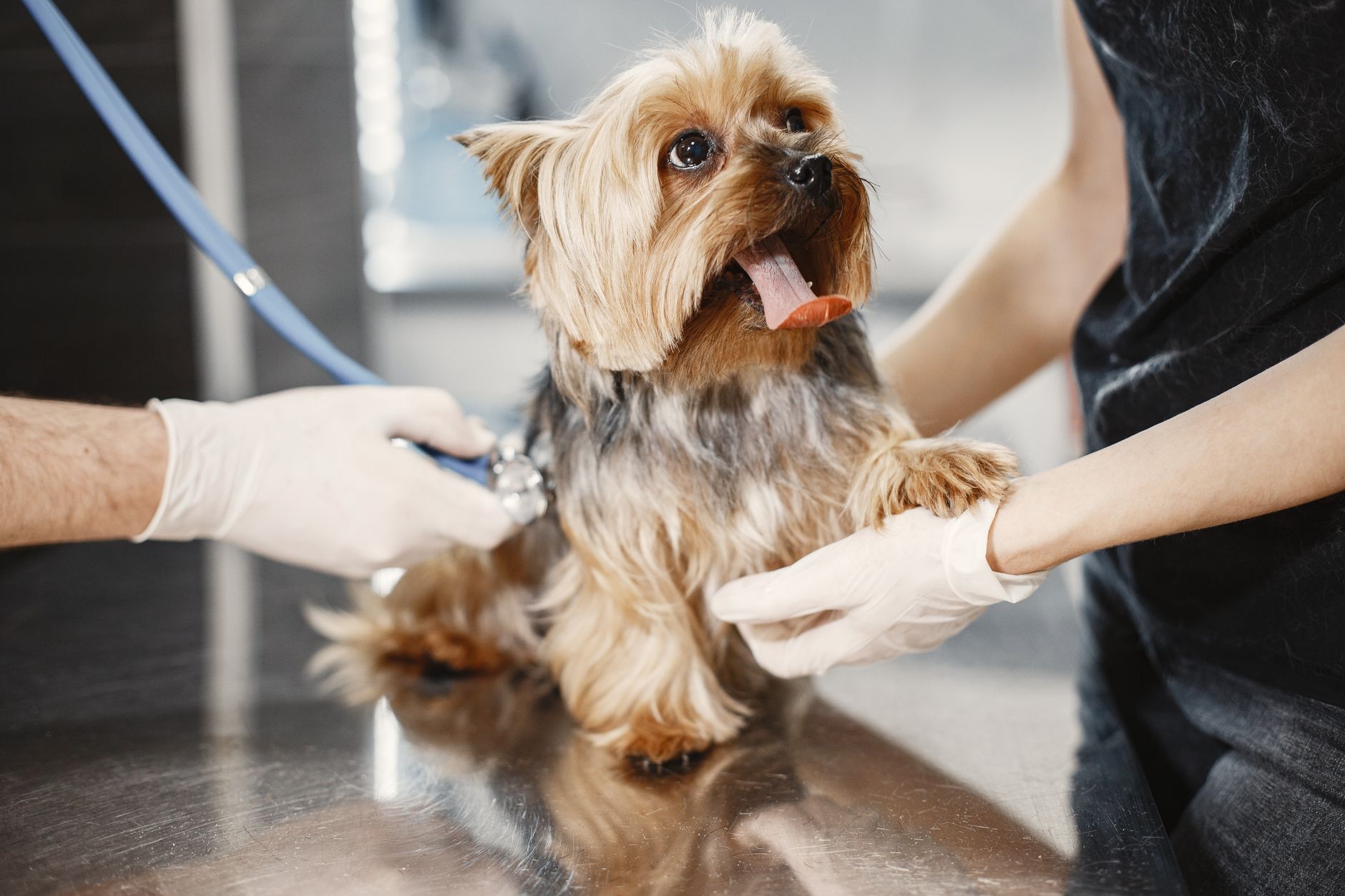
Generally, Silky Terriers are a robust and long-lived breed, but their small skeletal frame and genetics predispose them to specific orthopedic, endocrine, and ophthalmic issues. In my clinical experience, proactive screening and maintaining a lean body weight are crucial to preventing joint degradation as they age.
Patellar Luxation
A common genetic condition in toy breeds where the patella (kneecap) slips out of its femoral groove, leading to cartilage wear, pain, and eventual osteoarthritis.
Tracheal Collapse
A progressive weakening of the cartilaginous rings of the windpipe, causing the trachea to flatten when the dog inhales rapidly or experiences collar pressure.
Legg-Calve-Perthes Disease
An aseptic necrosis of the femoral head (the ‘ball’ of the hip joint) occurring in growing puppies, leading to joint collapse and severe pain.
CWAWZ Orthopedic Cooling Gel Memory Foam Dog Bed, XL
- ✓3-inch orthopedic foam with cooling gel layer
- ✓Waterproof TPU lining; washable cover
- ✓CertiPUR-US foam, non-slip bottom
- Supportive foam cushions hips and joints, ideal for large, senior or dysplasia-prone dogs
Cataracts and Progressive Retinal Atrophy (PRA)
Degenerative eye disorders where cataracts cause opacity of the lens and PRA leads to the gradual deterioration of the retina, potentially causing complete blindness.
Diabetes Mellitus
An endocrine disorder where the pancreas fails to produce enough insulin, leading to elevated blood glucose levels and systemic complications if untreated.
How long do Silky Terriers typically live?
In my practice, I frequently see Silky Terriers live well into their senior years, typically enjoying a lifespan of 12 to 15 years. Providing excellent dental care, preventing obesity, and routine senior blood screenings after age seven are the keys to maximizing their golden years.
What to Feed a Silky Terrier
Proper nutrition for a Silky Terrier must focus on supporting their high metabolic rate while strictly avoiding excess weight, which places dangerous pressure on their delicate joints and trachea. In my clinic, even a single pound of extra weight on a Silky is equivalent to a human carrying 15 to 20 extra pounds.
Best Diet
I recommend a high-quality, small-breed specific kibble formulated for their life stage (puppy, adult, or senior). These diets have smaller kibble sizes to prevent choking and are calorically dense to match their fast metabolisms.
How to Feed
Adult Silky Terriers should be fed twice daily on a strict schedule rather than being allowed to free-feed. This helps regulate their digestion, prevents obesity, and allows you to monitor exactly how much they are consuming each day.
How Much to Feed
Generally, an adult Silky weighing 10 pounds requires about 1/2 to 3/4 cup of high-quality dry food per day, split into two meals. However, individual caloric needs vary widely based on activity level, and owners must consult their veterinarian to calculate precise daily caloric requirements.
Nutritional Tips
Ensure their diet contains adequate Omega-3 and Omega-6 fatty acids to nourish their long, single coat and maintain skin barrier health. Avoid excessive table scraps, as their small pancreases are highly sensitive to fatty foods, which can trigger acute pancreatitis.
Silky Terrier Grooming Guide
The signature, floor-sweeping coat of the Silky Terrier is beautiful, but it requires a level of commitment that many owners find daunting. Without daily maintenance, this fine hair quickly turns into a painful, matted mess that requires complete shaving.
Coat Care
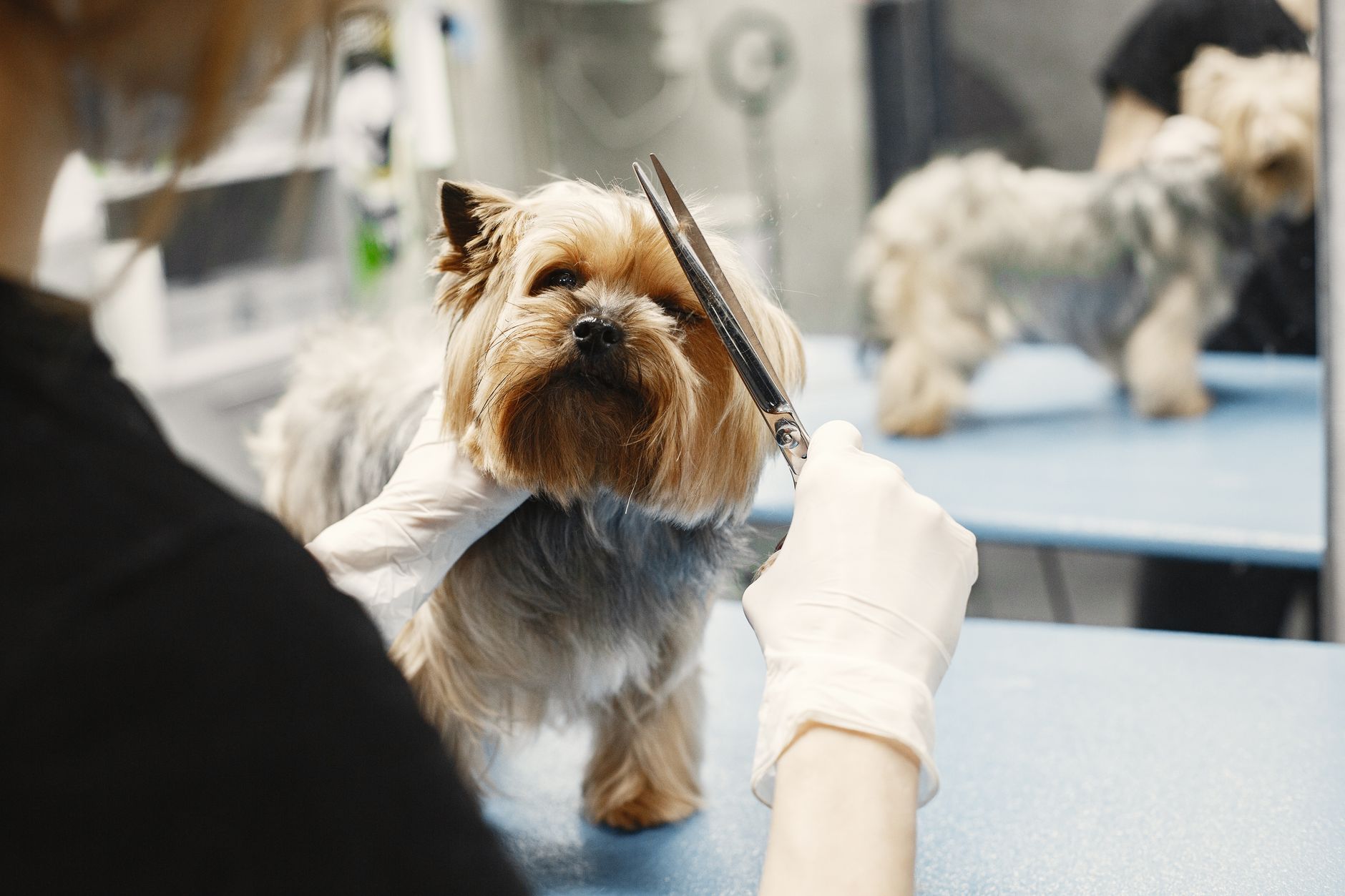
Brush the coat daily down to the skin with a pin brush and a metal comb to prevent mats, using a leave-in conditioning spray to protect the fine hair from breaking. They also require professional grooming every 4 to 6 weeks for trims and a deep bath.
Skin Care
Because they lack an undercoat, their skin is highly sensitive to environmental allergens and harsh shampoos. Use only soap-free, oatmeal-based dog shampoos and dry them thoroughly on a low-heat setting.
Eye Care
The hair on the head must be kept trimmed short or tied up in a topknot to prevent the long strands from rubbing against the cornea, which can cause chronic irritation, tearing, and corneal ulcers.
Ear Care
Check their erect ears weekly for dirt, wax accumulation, or signs of redness, cleaning them gently with a vet-approved ear flush if needed.
Nail & Dental Care
Due to their small mouths, dental crowding is severe, making daily teeth brushing non-negotiable to prevent early periodontal disease. Trim their nails every 3 to 4 weeks, as long nails alter their gait and strain small joints.
Considerations for Pet Parents
Pros
- Highly affectionate and loyal to family members
- Minimal shedding and low dander
- Adaptable to apartment living with proper exercise
- Excellent watchdog instincts and alert nature
- Intelligent and highly capable of learning advanced tricks
- Sized perfectly for travel and portable lifestyles
Cons
- High-maintenance daily grooming requirements
- Prone to excessive barking if not trained early
- Strong prey drive makes them unsuitable for homes with pocket pets
- Can be stubborn and require firm, consistent boundaries
- Prone to separation anxiety if left alone for long periods
Best For
A dedicated owner or active family who wants a small but athletic companion, has the time to commit to daily brushing, and can provide structured mental and physical outlets.
Not Recommended For
Busy households where the dog will be left alone for 8+ hours a day, families with toddlers or fragile pocket pets, or owners who want a low-maintenance, ‘wash-and-wear’ dog.
Cost
- purchase price$1,200 to $2,500 from a reputable, health-testing breeder
- monthly cost$100 to $200 (covering high-quality food, professional grooming, and preventative medications)
- initial setupExpect an initial investment of $800 to $1,500 for crate, harness, high-quality grooming tools, puppy vaccinations, and spay/neuter surgery.
-
Depets Self-Cleaning Slicker BrushFine wire pins lift loose undercoat and work out small tangles before they turn into mats
-
Furbo 360° Dog Camera with Treat TossCheck in and comfort your pet while you’re out
-
Pedigree Dentastix Large Dog Dental TreatsDaily dental chews help reduce plaque and tartar build-up between brushings
Similar Breeds

Related Articles
Related Dog Guides
Silky Terrier FAQs
What is the difference between a Silky Terrier and a Yorkshire Terrier?
While they look similar, Silkys are larger (9-11 lbs vs. under 7 lbs for Yorkies), have a longer, more wedge-shaped head, and possess a more athletic, true terrier temperament compared to the toy-like Yorkie.
Do Silky Terriers bark a lot?
Yes, they are highly alert watchdogs and will bark to announce visitors, noises, or changes in their environment. Early training to learn a ‘quiet’ command is essential to prevent this from becoming a nuisance.
Are Silky Terriers hypoallergenic?
No dog is 100% hypoallergenic, but because Silkys have a single coat of human-like hair and shed minimally, they produce fewer allergens and are often well-tolerated by allergy sufferers.
How much exercise does a Silky Terrier need?
They need at least 45 to 60 minutes of daily exercise, including structured walks and vigorous play sessions, to prevent boredom and destructive behaviors like digging.
Can Silky Terriers be left alone during the day?
They do not tolerate long periods of isolation well and can develop separation anxiety. If you must be away for more than 4-5 hours, it is highly recommended to hire a dog walker or use doggy daycare.
Are Silky Terriers difficult to housebreak?
Like many toy breeds, housebreaking can take longer due to their small bladders and independent nature. Consistency, crate training, and a strict routine are vital for success.
Do Silky Terriers like to cuddle?
Yes, they are highly affectionate and love to snuggle on their owner’s lap after they have burned off their energy, though they prefer to cuddle on their own terms.
Do I have to keep a Silky Terrier’s coat long?
No, many owners who do not show their dogs opt for a ‘puppy cut’ or ‘teddy bear cut,’ which is much easier to maintain and reduces daily brushing requirements significantly.
Are Silky Terriers prone to shivering?
Yes, because they have a single coat with no undercoat and very little body fat, they feel the cold easily and will often shiver in chilly weather or air conditioning.
Do they dig a lot?
Yes, they are true terriers, and digging is a natural instinct. It is best to provide a designated digging spot in the yard or redirect this urge with mentally engaging toys.
Are Silky Terriers prone to dental disease?
Yes, their small jaws often lead to crowded teeth, which traps food and accelerates plaque and tartar buildup, making daily brushing and annual veterinary dental cleanings essential.
Can a Silky Terrier live in an apartment?
Absolutely, they make excellent apartment pets due to their compact size, provided they get daily walks and mental stimulation to prevent barking.
How do I protect my Silky Terrier’s neck?
Always use a chest-led harness instead of a collar for walks. Because they are prone to tracheal collapse, any pulling pressure on the neck can cause permanent airway damage.
Are Silky Terriers good swimmers?
While some may enjoy water, they are not natural strong swimmers, and their long coat can weigh them down when wet. Always supervise them around water and use a canine life vest.
At what age is a Silky Terrier fully grown?
They typically reach their full adult height and weight between 10 to 12 months of age, though their coat may continue to develop and mature in texture and color until they are two years old.
Sources & Further Reading
- American Kennel Club (AKC)
- Merck Veterinary Manual
- American Veterinary Medical Association (AVMA)
- PetMD