
6 Best Longhaired Cat Breeds and Their Grooming Needs
Quick Summary
Owning a longhaired cat requires a significant commitment to coat maintenance to prevent painful matting and severe hairball impactions. Breeds like the Persian, Maine Coon, and Ragdoll each have unique coat characteristics that dictate specific daily or weekly grooming routines. As a veterinarian, I recommend using professional-grade tools like steel greyhound combs and slicker brushes to keep these magnificent coats healthy and pain-free.
As an Amazon Associate, we earn from qualifying purchases.
Popular with cat owners: Slicker Brush · Hairball Control Treats · Pet Hair Remover
In my years of clinical practice, I have treated hundreds of longhaired cats suffering from preventable, painful skin conditions. Too often, clients bring me cats with severe matting that requires full sedation to safely shave off.
While longhaired cats are undeniably beautiful, their coats are not self-maintaining. Understanding your specific breed’s coat anatomy is the first step toward preventing veterinary emergencies.
Key Takeaways
- Different longhaired breeds have distinct coat structures (single, double, or triple) requiring tailored tools.
- Persian cats require daily grooming and specialized facial hygiene to prevent painful fold dermatitis.
- Maine Coons and Norwegian Forest Cats have water-resistant coats that require specific bathing techniques.
- Severe matting is a welfare issue that causes skin infections, bruising, and restricted movement.
- Using the wrong tools, like cheap plastic brushes, will only strip the topcoat and ignore the dense undercoat.
- Regular grooming sessions build trust and allow you to monitor your cat for subtle skin changes or lumps.
In This Article
- 1. The Persian: The Royal, High-Maintenance Masterpiece
- 2. The Maine Coon: The Shaggy, Water-Resistant Giant
- 3. The Ragdoll: Plush, Rabbit-Like Fur with Moderate Needs
- 4. The Siberian: Navigating the Dense, Triple Coat
- 5. The Norwegian Forest Cat: The All-Weather Double Coat
- birman-silky-elegance-with-minimal-undercoat”>6. The Birman: Silky Elegance with Minimal Undercoat
- Clinical Advice: The Dangers of Neglected Grooming
1. The Persian: The Royal, High-Maintenance Masterpiece
In my practice, I see more grooming emergencies with Persians than any other breed. Their fine, cotton-like undercoat is incredibly dense and will tangle into tight pelts within forty-eight hours if ignored.
Daily combing is not optional for these cats; it is an absolute medical necessity to prevent skin infections.
Persians also have a brachycephalic (flat-faced) structure that affects how they self-groom. They physically cannot reach many parts of their bodies, relying entirely on their owners to maintain their hygiene.
- Use a dual-spaced steel greyhound comb to reach the skin level safely.
- Groom the high-friction areas under the armpits and groin daily.
- Apply a feline-safe detangling powder to high-risk matting areas.
- Incorporate a daily face-wiping routine to manage tear staining.
Swihauk Self-Cleaning Slicker Brush
- ✓Release button for one-step hair removal
- ✓Rounded bristle tips are gentle on skin
- ✓Stainless steel pins in a compact design
- Fine wire pins lift loose undercoat and work out small tangles before they turn into mats
The Danger of Facial Fold Dermatitis
Because of their flat faces, Persians experience chronic tearing. The moisture pools in their deep facial folds, creating a perfect breeding ground for yeast and bacteria.
I frequently treat painful infections in these folds, which can be avoided by wiping them daily with a damp, warm cloth.
2. The Maine Coon: The Shaggy, Water-Resistant Giant
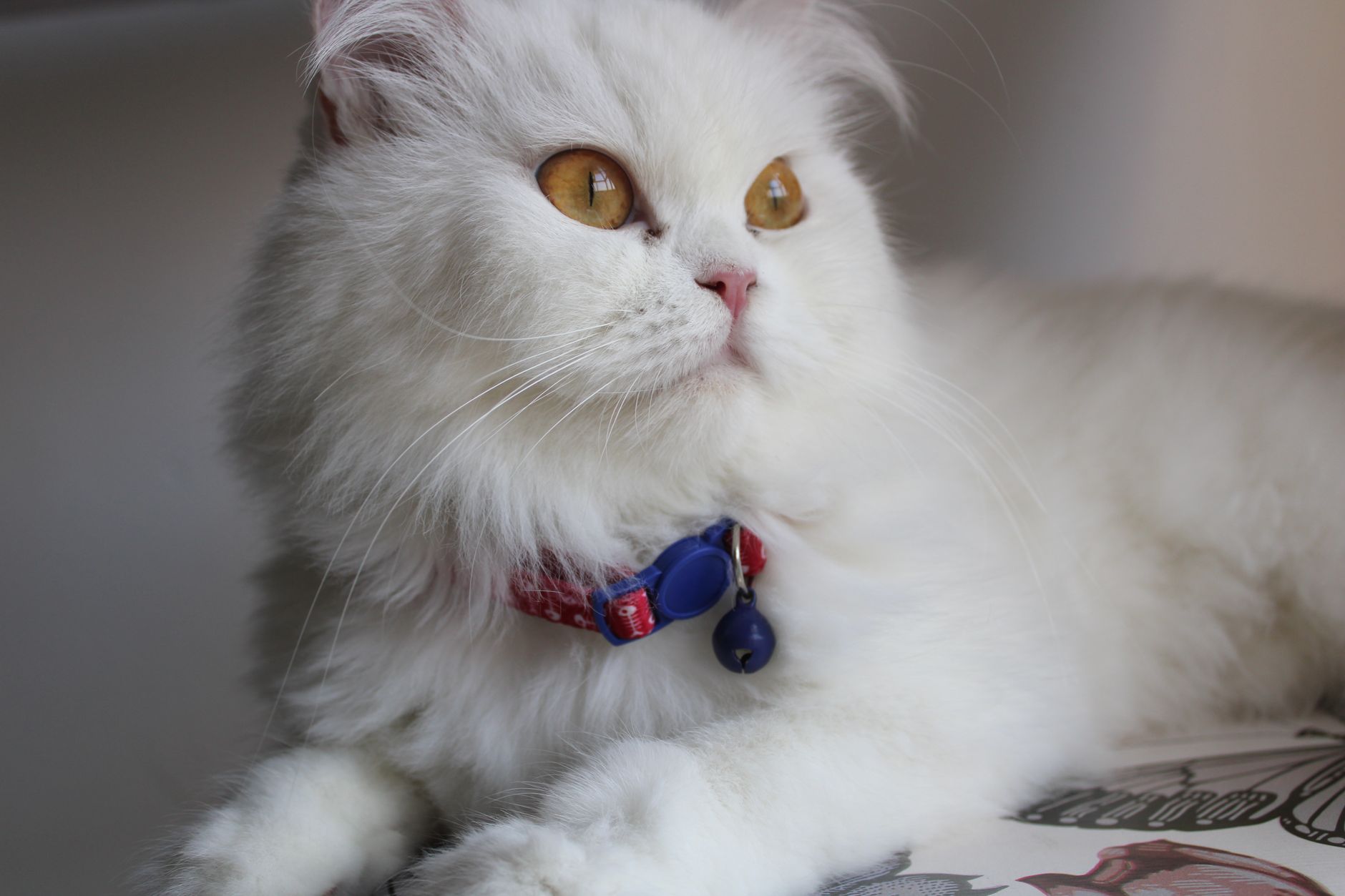
Maine Coons are built to survive harsh winters, possessing a heavy, shaggy double coat. This coat features a soft undercoat protected by longer, water-repellent guard hairs.
What I see most often in practice is matting around the ‘britches’ (the long fur on the hind legs) and the collar ruff.
Because they are massive cats, they can struggle to groom their lower backs and hindquarters as they age. This leads to a rapid buildup of dead, greasy hair that eventually forms hard, painful mats.
- Focus on the ‘britches’ and abdomen, where friction matting occurs most.
- Use a high-quality slicker brush to remove loose undercoat before combing.
- Keep a close eye on the base of the tail for greasy buildup.
- Consider a professional sanitary trim to keep the rear clean after litter box use.
Managing Stud Tail in Maine Coons
Maine Coons are genetically prone to ‘stud tail,’ a condition where the sebaceous glands at the base of the tail overproduce oils. This causes the fur to look greasy, clumped, and yellowed.
If left untreated, it can lead to blackheads, severe acne, and secondary bacterial infections.
- Wash the tail base with a veterinary-strength degreasing shampoo.
- Use a fine-toothed flea comb to gently remove debris from the hair follicles.
- Consult your vet if you notice redness, swelling, or signs of discomfort.

3. The Ragdoll: Plush, Rabbit-Like Fur with Moderate Needs
Ragdolls are famous for their incredibly soft, plush coats that feel similar to rabbit fur. Unlike Persians, Ragdolls have a single coat with very little undercoat, making them significantly easier to manage.
However, do not let this fool you into thinking they can go weeks without brushing.
Just Try Cat Grass Hairball Treats
- ✓Made with cat grass, salmon and catnip
- ✓Helps pass existing hairballs
- ✓Under 1.3 calories per treat
- Hairball formulas help swallowed fur pass through, so long-haired cats cough up fewer hairballs
Their fine hair can still form tight knots, particularly in high-friction zones like behind the ears and under the armpits. I always tell my clients that a quick, five-minute daily combing session will keep a Ragdoll completely mat-free.
- Utilize a soft slicker brush to gently smooth the coat and remove loose hairs.
- Pay special attention to the areas behind the ears where soft downy fur mats easily.
- Groom in the direction of hair growth to avoid pull-associated pain.
- Inspect the coat weekly for small knots that can be teased apart with your fingers.
4. The Siberian: Navigating the Dense, Triple Coat
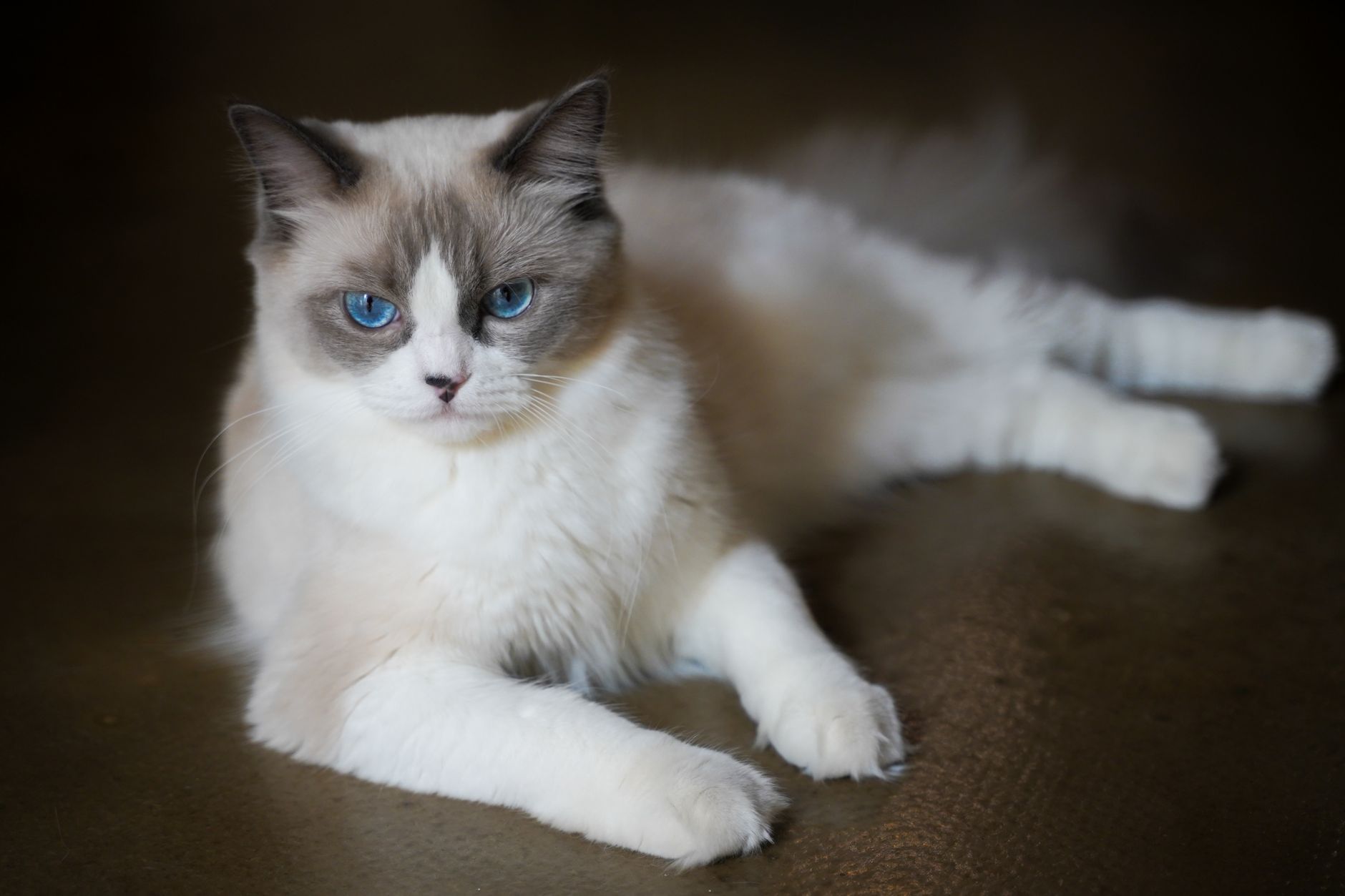
The Siberian cat features a magnificent triple coat designed to withstand extreme sub-zero temperatures. This coat consists of a tight undercoat, a dense middle coat, and a coarse outer coat.
This structure makes their fur incredibly thick and highly prone to massive seasonal shedding.
Twice a year, Siberians will ‘blow’ their coats, releasing an astronomical amount of dead hair in a short period. During these shedding seasons, daily grooming is required to prevent your cat from ingesting massive amounts of loose fur.
- Invest in an undercoat rake to safely pull dead fur out of the dense under-layers.
- Brush daily during the spring and autumn shedding blowouts.
- Bathe the cat during shedding season to help loosen and release the dead undercoat.
- Monitor your Siberian for increased coughing or vomiting, signs of hairball buildup.

5. The Norwegian Forest Cat: The All-Weather Double Coat
Often confused with Maine Coons, the Norwegian Forest Cat (or ‘Wegie’) has a distinct coat structure. They have a dense, woolly undercoat topped by long, glossy, water-repellent guard hairs.
This waterproof topcoat makes bathing a unique challenge, as water literally rolls right off their backs.
In my clinical experience, Wegies require deep combing to reach the woolly undercoat. If you only brush the surface, the undercoat will felt against the skin, creating a hidden layer of painful mats.
- Use a long-pinned slicker brush to penetrate the waterproof outer guard hairs.
- Apply a veterinary-approved grooming spray to reduce static and hair breakage.
- Thoroughly dry the woolly undercoat if the cat ever gets wet to prevent hot spots.
- Focus on the dense ruff around the neck, which catches saliva and debris.

6. The Birman: Silky Elegance with Minimal Undercoat
The Birman is a striking breed with a long, silky coat and distinct white gloves on their paws. Because their coat is single-layered and lacks a dense, insulating undercoat, they are much less prone to heavy matting.
This makes them an excellent choice for owners who want a longhaired cat but have limited grooming time.
Despite this, their coat is incredibly fine and can still tangle around the hindquarters and abdomen. Regular weekly grooming keeps their coat looking pristine and helps distribute natural skin oils.
- Schedule two to three thorough combing sessions per week to maintain the silky texture.
- Check their famous white paws for litter granules trapped in the toe tufts.
- Use a wide-toothed comb to gently work through the soft ruff around the neck.
- Regularly wipe down their coat with a damp cloth to remove environmental dust.

Clinical Advice: The Dangers of Neglected Grooming
When clients ask me why grooming is so critical, I explain the severe medical consequences of neglect. Matting is not just an aesthetic issue; it is a serious welfare concern.
As mats tighten, they pull constantly on the delicate feline skin, causing bruising and severe pain with every step the cat takes.
Underneath these tight mats, moisture and bacteria become trapped. This frequently leads to moist dermatitis, hot spots, and even maggot infestations in severe cases.
Furthermore, cats that ingest excessive dead hair are at a high risk for life-threatening intestinal blockages caused by hairballs.
- Never use scissors to cut out mats; you will easily slice the cat’s paper-thin skin.
- Watch for signs of pain, such as growling, biting, or hiding during grooming sessions.
- Use a clinical dematting tool or seek professional help if a mat is tight against the skin.
- Introduce veterinary hairball laxatives if your longhaired cat frequently hacks up hair.
-
ChomChom Roller Pet Hair RemoverLifts embedded fur in a few quick strokes
-
Veken 95oz Pet Water FountainMoving, filtered water encourages pets to drink more, which supports kidney and urinary health
-
Cumrige Automatic Self-Cleaning Litter BoxAutomatically sifts waste after each visit, keeping the box fresh with far less scooping
Related Cat Guides
Frequently Asked Questions
How often should I bathe my longhaired cat?
Most longhaired cats only need a bath every 8 to 12 weeks, unless they have skin conditions or get particularly dirty. Over-bathing can strip the natural oils from their skin, leading to dryness and increased shedding. Always use a shampoo specifically formulated for felines to maintain their natural skin pH.
Can I use scissors to cut out a severe mat?
As a veterinarian, I strongly advise against using scissors on your cat at home. A cat’s skin is incredibly thin, elastic, and easily pulled up into the base of a mat. I routinely sew up severe lacerations caused by well-meaning owners who accidentally cut their pet’s skin while trying to trim a mat.
Why does my longhaired cat get mats even though I brush daily?
This usually happens because you are using the wrong tool or only brushing the topcoat. If you use a soft bristle brush, it only glides over the surface, leaving the dense undercoat to tangle and felt. You must use a high-quality metal comb that reaches all the way down to the skin level to prevent deep mats.
What is a sanitary trim, and does my cat need one?
A sanitary trim involves shaving or clipping the fur around your cat’s anus, groin, and back legs to keep the area clean. It is highly recommended for longhaired breeds, especially older cats or those with softer stools. It prevents feces and litter from getting trapped in the fur, keeping the cat clean and comfortable.
What should I do if my cat refuses to be brushed?
Start very slowly by pairing the brush with high-value treats and keeping sessions under one minute. Focus on desensitizing them to the sight and smell of the brush before actually touching their skin. If your cat becomes aggressive or highly stressed, consult a professional groomer or your vet about low-stress grooming options or mild sedation.
Sources & Further Reading
- The Cat Fanciers’ Association (CFA)
- Cornell University College of Veterinary Medicine
- Merck Veterinary Manual
- PetMD
Final Thoughts
Caring for a longhaired cat is an incredibly rewarding experience, but it requires a commitment to routine physical maintenance. By matching your grooming tools to your cat’s specific breed characteristics, you can prevent painful mats and serious medical issues.
Daily inspections, the right techniques, and early veterinary intervention when things go wrong are key to keeping your feline companion healthy. I always tell my clients that grooming is not just about vanity; it is a fundamental pillar of feline preventative medicine.
Invest the time in your cat’s coat today, and you will save them from discomfort and preserve their beautiful, vibrant health.