
Scottish Fold vs British Shorthair: Comparing Two Round-Faced Breeds
 Scottish Fold vs British Shorthair: Comparing Two Round-Faced Breeds” loading=”lazy”>
Quick Summary
While both the Scottish Fold and the British Shorthair are beloved, round-faced breeds with calm temperaments, they possess vastly different genetic profiles. British Shorthairs are a robust, ancient breed prone to manageable conditions like obesity and hypertrophic cardiomyopathy, whereas Scottish Folds carry a dominant gene mutation causing osteochondrodysplasia, a painful, degenerative joint disease affecting their skeletal system. Prospective owners must weigh the independent charm of the British Shorthair against the intense care requirements and potential chronic pain management needed for a Scottish Fold.
As an Amazon Associate, we earn from qualifying purchases.
Popular with cat owners: Dog Ear Cleaner · Slicker Brush · Cat Tree
As a practicing veterinarian who spends her days looking at round, expressive feline faces, I am often asked to compare the Scottish Fold and the British Shorthair.
At a glance, their chubby cheeks, plush coats, and wide eyes make them look like close cousins from the same whimsical fairy tale.
However, beneath those adorable exteriors lie vastly different genetic realities, skeletal health profiles, and lifelong care requirements that every prospective owner must understand before making a commitment.
Key Takeaways
- Scottish Folds and British Shorthairs share a common breeding history but have entirely different physical and genetic profiles.
- The folded ears of the Scottish Fold are caused by a systemic cartilage defect called osteochondrodysplasia, which affects their entire skeleton.
- British Shorthairs are structurally robust but require strict weight management and regular cardiac screening for hypertrophic cardiomyopathy (HCM).
- In terms of temperament, British Shorthairs are typically more independent, while Scottish Folds tend to be highly attached ‘Velcro’ cats.
- Veterinary care for a Scottish Fold often involves lifelong arthritis management, joint supplements, and advanced pain control.
- Prospective owners should carefully consider the ethical implications and potential medical costs associated with breeding and owning Scottish Folds.
In This Article
- The Shared Heritage and the Genetic Split
- Physical Differences: Ears, Eyes, and Body Structure
- The Elephant in the Exam Room: Scottish Fold Osteochondrodysplasia (SFOC)
- British Shorthair Health: Hypertrophic Cardiomyopathy and Obesity
- Temperament and Household Fit: Independent vs. Velcro
- Grooming and Maintenance Requirements
- The Ethics of Breeding Scottish Folds
- Dr. Heller’s Veterinary Decision Checklist
The Shared Heritage and the Genetic Split
To truly understand these round-faced breeds, we have to look back at their history, which is deeply intertwined yet genetically distinct. The British Shorthair is an ancient breed, descended from the physical Roman cats brought to Great Britain, prized for their hunting prowess and robust health.
In contrast, the Scottish Fold traces its entire lineage back to a single white barn cat named Susie, discovered in Scotland in 1961. Susie possessed a natural genetic mutation that caused her ears to fold forward and flat against her skull.
While early breeders crossed Folds with British Shorthairs to diversify the gene pool and establish the breed, they are now treated as entirely separate entities in my clinic. Today, they present completely unique clinical profiles that require different preventative care plans.
Virbac Epi-Otic Advanced Ear Cleanser
- ✓Gentle ear cleanser for dogs and cats
- ✓Helps loosen wax and debris
- ✓Easy-squeeze bottle for at-home cleaning
- Routine ear cleaning helps prevent infections in floppy- or hairy-eared breeds
- Keeps ears clean between vet visits
Physical Differences: Ears, Eyes, and Body Structure
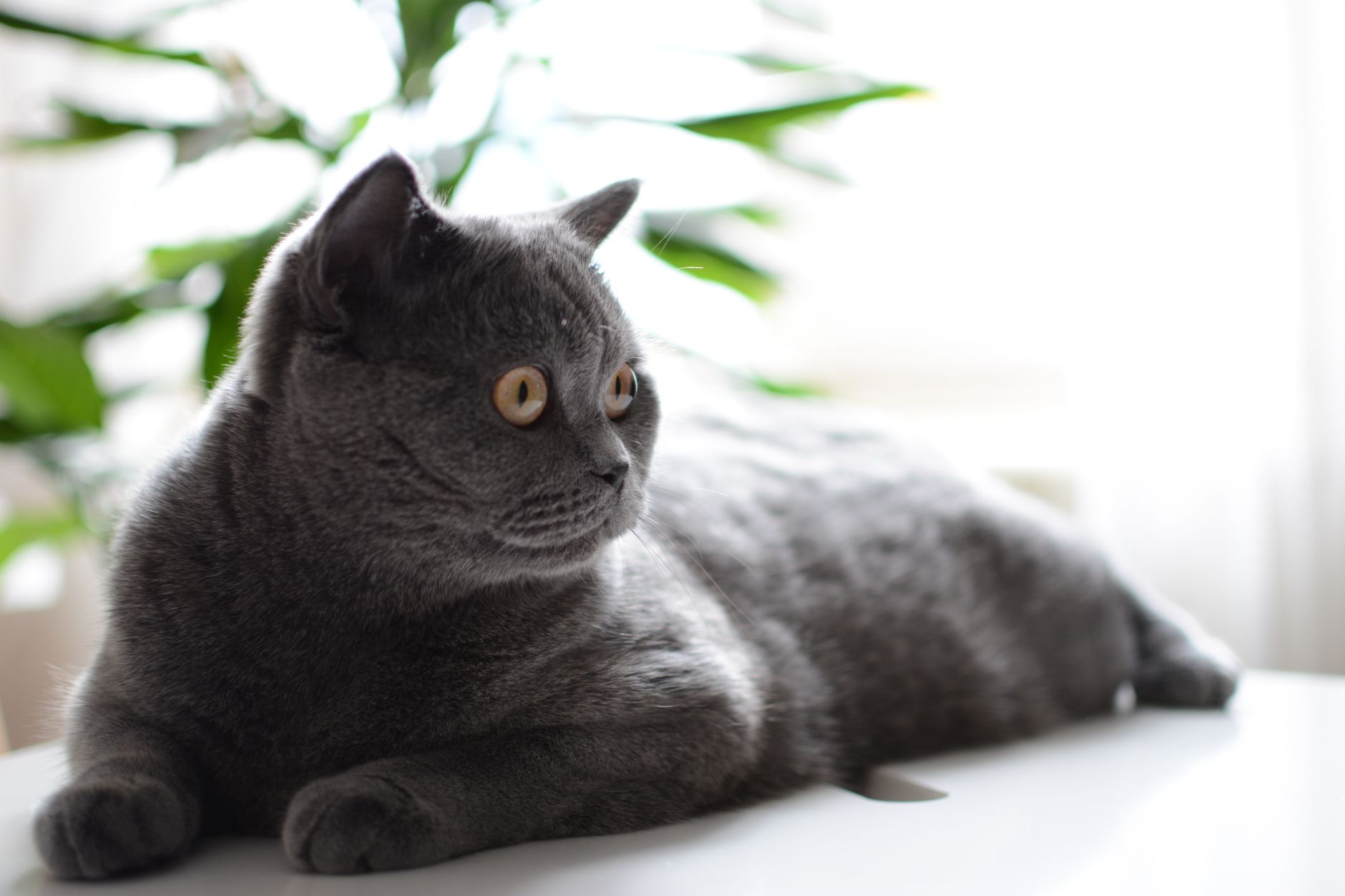
While both breeds are famous for their round, ‘teddy bear’ faces, their physical structures diverge significantly once you look past the initial silhouette. In my practice, I use precise anatomical markers to distinguish their breed standards and evaluate their overall skeletal health.
The British Shorthair is a cobby, powerful cat with a broad chest, strong legs, and a dense, crisp coat that feels like plush velvet. The Scottish Fold, while also round-bodied, is generally medium-sized and less massive, presenting a softer, more rounded overall appearance.
- Ear Structure: British Shorthairs have medium-sized, erect ears that sit wide apart. Scottish Folds have ears that fold forward and down, ranging from a single loose fold to a tight triple fold flush against the skull.
- Eye Shape and Expression: British Shorthairs have large, round eyes, typically a striking copper or gold. Scottish Folds have slightly larger, intensely round eyes that give them a perpetual look of surprise.
- Muzzle and Jowl Development: Adult male British Shorthairs develop prominent, heavy jowls that give them a very wide, square-jawed look. Folds maintain a softer, rounder muzzle outline.
- Tail Length and Flexibility: A British Shorthair’s tail is thick and medium-length. A Scottish Fold’s tail must be handled with extreme care, as it can be prone to stiffness due to genetic joint issues.

The Elephant in the Exam Room: Scottish Fold Osteochondrodysplasia (SFOC)
I must be entirely candid about the primary medical concern for Scottish Folds. Every single cat with folded ears carries the genetic mutation for Osteochondrodysplasia, a progressive and painful degenerative joint disease.
This genetic mutation does not just affect the cartilage in the ears; it impacts the cartilage throughout their entire skeletal system, particularly in the distal limbs and tail vertebrae.
In my clinic, I frequently diagnose progressive, crippling arthritis in Folds as young as six months old. This requires lifelong pain management, environmental modifications, and close veterinary supervision.
- Stiffness, limping, or a reluctance to jump, run, or climb stairs.
- A short, thick, or completely inflexible tail that is highly painful to the touch.
- Abnormally short, misshapen, or thickened feet and splayed toes.
- An unusual, stiff-legged gait or ‘bunny-hopping’ when trying to move quickly.
- Chronic pain behaviors, including unexplained hiding, lethargy, or sudden aggression when handled.
Veterinary Formula Ear Therapy Cleaner
- ✓Breaks down buildup that causes odor and itching
- ✓Alcohol-free, non-irritating formula
- ✓For dogs and cats
- Regular ear cleaning helps prevent infections, especially in breeds with floppy or hairy ears
The Genetics of folding
The fold gene (Fd) is an autosomal dominant trait. Breeding two folded-eared cats (homozygous) results in severe, rapid-onset crippling disease, which is why ethical breeders only cross Folds with straight-eared cats.

British Shorthair Health: Hypertrophic Cardiomyopathy and Obesity
While the British Shorthair does not carry a systemic cartilage defect, they are not without their own genetic and lifestyle-related predispositions. In my years treating this breed, weight management is almost always the biggest challenge.
Their laid-back, sedentary nature combined with a robust appetite makes them highly prone to obesity. This excess weight puts intense strain on their joints and increases their risk of feline diabetes.
Furthermore, we must screen British Shorthairs regularly for Hypertrophic Cardiomyopathy (HCM), a primary heart muscle disease that can lead to sudden heart failure if left undiagnosed.
- Inability to easily feel the ribs under their dense, plush double coat.
- Loss of a visible waistline when viewed from directly above.
- A noticeable abdominal fat pad or saggy belly that swings when they walk.
- Reluctance to engage in daily self-grooming, especially around the lower back and hindquarters.
- Subtle lethargy or increased sleeping hours that owners mistake for ‘normal aging’.

Temperament and Household Fit: Independent vs. Velcro
When clients ask me which breed fits their lifestyle, I always dive into the distinct personality profiles of these two round-faced breeds. British Shorthairs are the quiet aristocrats of the feline world, known for their independent and easygoing nature.
They are highly affectionate but prefer to sit near you rather than on you, making them excellent companions for busy professionals who work away from home.
Scottish Folds, by contrast, tend to be much more demanding of human interaction. They thrive on physical closeness, often following their owners from room to room and sitting in a comical ‘Buddha position’ to observe their household.
Grooming and Maintenance Requirements
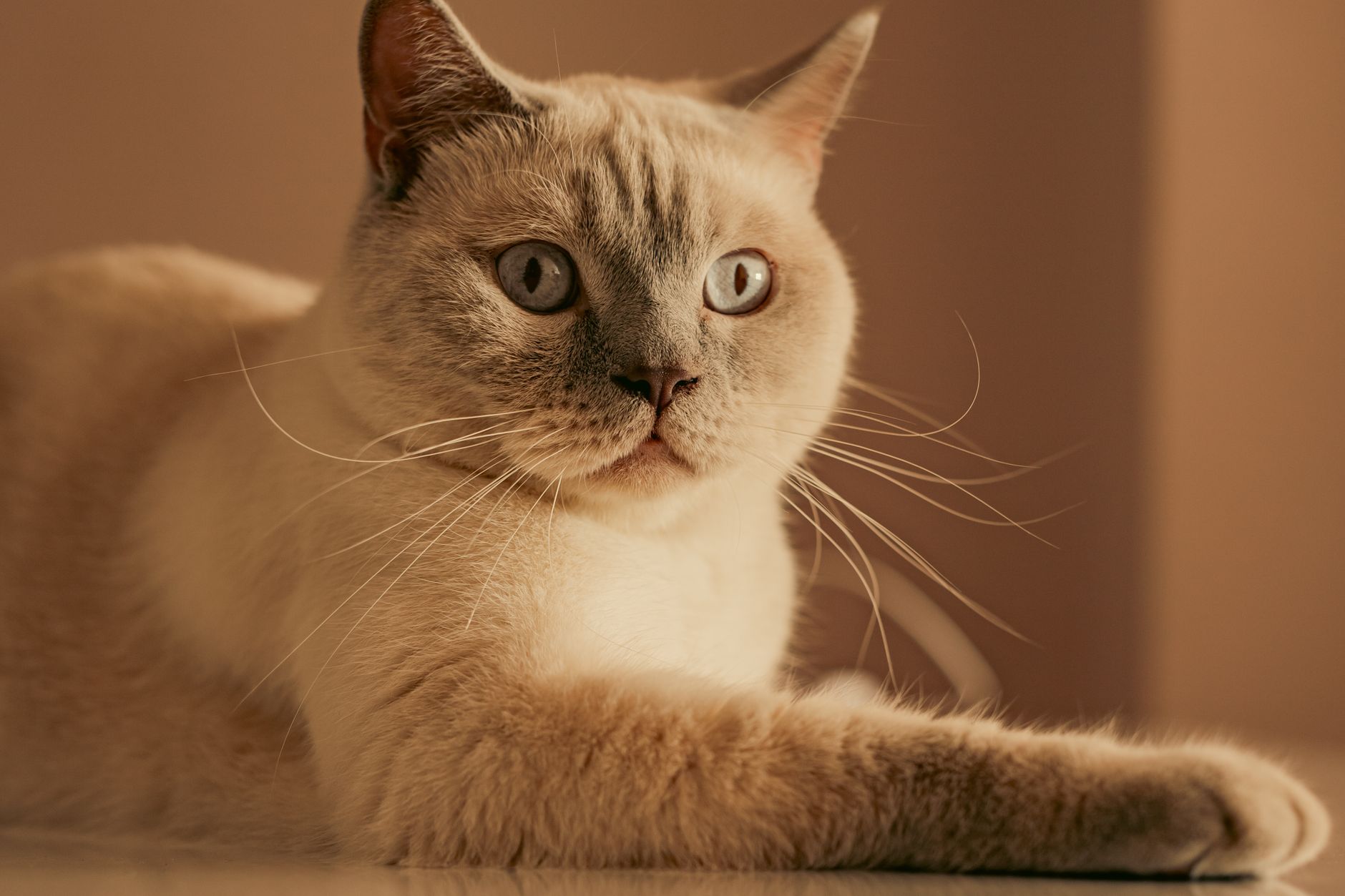
Do not let the short hair of these breeds fool you into thinking they are maintenance-free. Both require consistent, targeted care to keep their skin, coat, and ears healthy.
The British Shorthair’s coat is famously dense, possessing more hairs per square inch than almost any other breed. This density means they shed heavily, particularly during seasonal changes, requiring deep brushing to prevent painful hairballs and matting.
- Weekly brushing with a high-quality slicker brush or undercoat rake to remove dead undercoat.
- Bi-weekly ear inspections for Scottish Folds, gently cleaning wax and debris with a vet-approved, non-irritating ear flush.
- Regular dental brushings, as both breeds are genetically predisposed to early-onset gingivitis and periodontal disease.
- Routine nail trims every 2-3 weeks, paying extra attention to the rear claws of Folds for signs of abnormal growth.
The Ethics of Breeding Scottish Folds
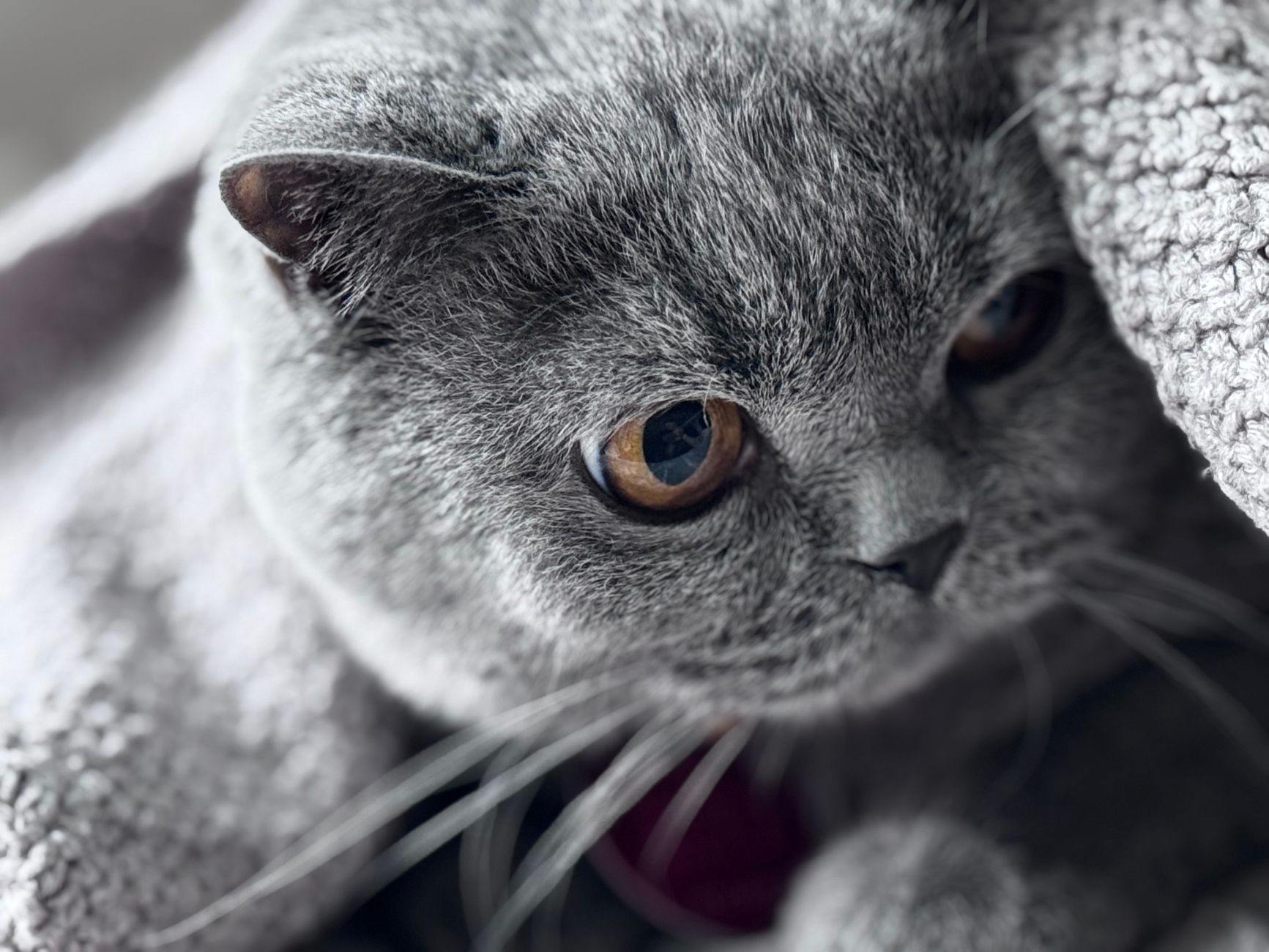
As a veterinary professional, I cannot discuss the Scottish Fold without addressing the ethical controversy surrounding their breeding. Major veterinary organizations worldwide, including the British Veterinary Association, have called for a ban on breeding Folds.
The argument is simple: breeding a cat for a physical trait that is inherently linked to a painful, lifelong skeletal deformity raises serious animal welfare concerns.
If you choose to bring a Scottish Fold into your life, I highly recommend looking into breed-specific rescues first, or ensuring you work with a breeder who performs rigorous genetic testing and outcrossing.
Dr. Heller’s Veterinary Decision Checklist
Before you make your final decision between these two lovely round-faced breeds, please review this clinical checklist. Your home environment, budget, and willingness to manage chronic health issues must align with the breed you choose.
Remember that a cat is a 15-to-20-year commitment, and their health needs will change as they age. Make your choice based on long-term compatibility, not just aesthetic appeal.
- Are you financially prepared for potential lifelong joint supplement and pain medication costs? (Higher risk for Scottish Folds)
- Do you work long hours away from home? (British Shorthairs tolerate alone time much better than Folds)
- Are you committed to strict portion-controlled feeding and active play sessions to combat obesity? (Critical for British Shorthairs)
- Are you comfortable performing routine ear cleanings to prevent chronic otitis? (Required for folded-ear Folds)
- Do you have access to a local veterinarian comfortable managing complex feline orthopedic and cardiac cases?
-
Swihauk Self-Cleaning Slicker BrushFine wire pins lift loose undercoat and work out small tangles before they turn into mats
-
Globlazer F70 Pro Heavy Duty Cat TreeGives cats vertical space to climb, scratch and nap, which reduces stress and keeps them off your shelves
-
EGETOTA 5-Way Cat Tunnel with Play BallA crinkly play tunnel gives cats somewhere to hide, pounce and race through
Related Cat Guides
Frequently Asked Questions
Do all Scottish Folds have folded ears?
No, not all Scottish Folds have folded ears. All kittens are born with straight ears, and if they carry the folded gene, their ears will begin to fold around 3 to 4 weeks of age. Those whose ears remain straight are known as Scottish Straights, and they do not develop the painful skeletal issues associated with the fold gene.
Are British Shorthairs cuddly lap cats?
While they are incredibly affectionate and loyal, British Shorthairs generally prefer to lounge next to you rather than sit directly on your lap. They value their personal space but love being in the same room as their human companions, making them excellent, low-pressure pets.
How can I tell if my Scottish Fold is in pain?
Cats are masters at hiding pain, but signs of discomfort in Folds include a stiff or rigid tail, a limping or ‘bunny-hopping’ gait, a reluctance to jump onto high surfaces, and overall lethargy. If you notice any of these signs, consult your vet for an orthopedic exam and diagnostic X-rays.
What is the lifespan of these two breeds?
Both breeds can live long, fulfilling lives if properly cared for. A British Shorthair typically lives between 12 to 20 years, while a Scottish Fold has a lifespan of 11 to 15 years, though their senior years may require intensive, daily arthritis management.
Which breed is better for families with young children?
The British Shorthair’s patient, easygoing, and sturdy nature makes them exceptionally well-suited for households with respectful children. Scottish Folds can also do well, but their delicate, potentially painful joints mean they must be handled very gently to avoid causing them distress.
Sources & Further Reading
- American Veterinary Medical Association (AVMA)
- The Cat Fanciers’ Association (CFA)
- International Cat Care
- PetMD
Final Thoughts
Choosing between a Scottish Fold and a British Shorthair goes far beyond selecting a cute, round-faced pet. If you desire a robust, independent companion and are committed to strict weight management and cardiac screenings, the British Shorthair is an outstanding choice.
However, if you are drawn to the affectionate, sweet nature of the Scottish Fold, you must be prepared for the veterinary realities of managing a lifelong skeletal disorder. Whichever breed you choose, establish a relationship with a trusted veterinarian early to ensure your round-faced companion lives a comfortable, healthy, and happy life.