
Ragdoll Cat Feeding Guide: How Much to Feed a Slow-Maturing Breed
 Ragdoll Cat Feeding Guide: How Much to Feed a Slow-Maturing Breed” loading=”lazy”>
Quick Summary
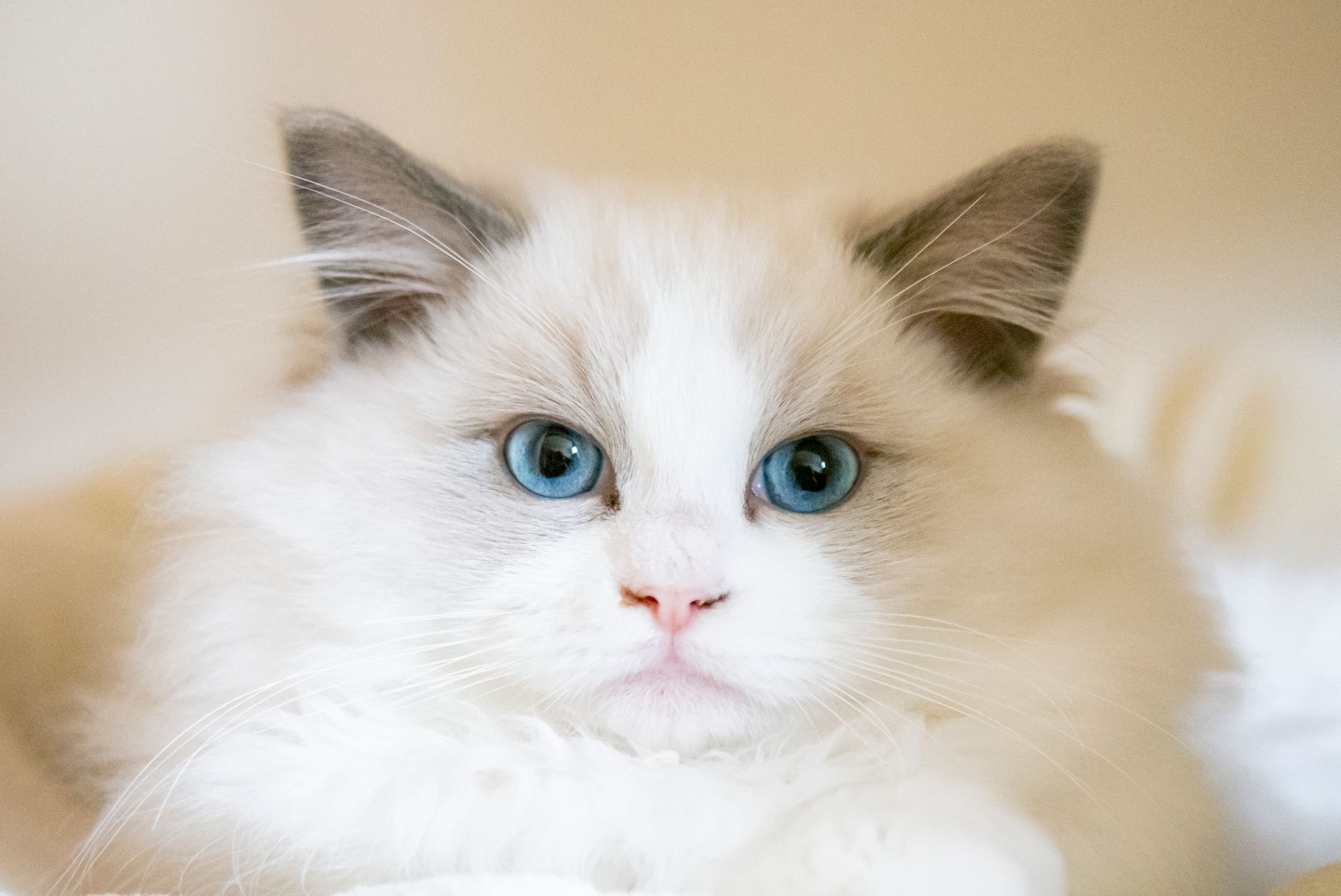
Ragdoll cats are slow-maturing giants that take up to four years to reach full structural skeletal size and muscle mass. Managing their diet requires high-protein, calorie-dense nutrition during their prolonged kittenhood, followed by strict portion control in adulthood to prevent obesity. Balancing wet and dry food while monitoring their unique primordial pouch ensures they stay lean, healthy, and properly fueled.
As an Amazon Associate, we earn from qualifying purchases.
Popular with cat owners: Cat Food · Cat Tunnel · Slicker Brush
In my clinical practice, I see many new Ragdoll owners who are completely caught off guard by just how long these gentle giants continue to grow. Unlike typical domestic cats that reach their adult size by twelve months, Ragdolls are a slow-maturing breed that undergoes growth spurts for up to four years.
Feeding them correctly during this extended developmental window is a delicate balancing act. You must fuel their massive bone and muscle growth without letting them slip into early-onset obesity.
Let’s look at the science-backed, clinical approach to feeding your Ragdoll cat.
Key Takeaways
- Ragdolls require high-calorie kitten food for up to 12-18 months to support prolonged skeletal growth.
- Full skeletal and muscle maturity is not reached until 3 to 4 years of age.
- Obesity is a major risk; learn to distinguish between a healthy primordial pouch and excess abdominal fat.
- A diet high in moisture (wet food) is critical to prevent urinary tract issues common in large breeds.
- Measure food by weight (grams) rather than volume (cups) for precise caloric intake.
- Avoid free-feeding dry kibble, as Ragdolls have a relaxed, sedentary nature that predisposes them to weight gain.
In This Article
- The Unique Growth Timeline of a Slow-Maturing Breed
- Caloric Calculations Across Life Stages
- Wet Food vs. Dry Kibble: Striking the Clinical Balance
- Deciphering the Primordial Pouch vs. Feline Obesity
- High-Quality Protein and Essential Nutrients for Muscle Development
- Establishing a Structured Feeding Schedule
- Managing Nutritional Transitions Gently
- Clinical Warning Signs of Malnutrition or Malabsorption
The Unique Growth Timeline of a Slow-Maturing Breed
In my years treating Ragdolls, the most common mistake I see owners make is treating them like standard domestic shorthairs. A standard cat finishes growing by their first birthday, but Ragdolls are a slow-maturing breed that takes three to four years to fully mature.
This prolonged growth phase means their structural skeletal framework and dense muscle mass develop in unpredictable, sudden spurts.
During these growth spurts, a Ragdoll’s energy requirements will skyrocket, sometimes requiring double the calories of a normal adult cat. However, when the spurt pauses, their metabolism slows down, making them prone to rapid fat deposition if their diet isn’t adjusted.
Understanding this timeline is the foundation of proper Ragdoll nutrition.
I always advise clients to keep a detailed weight log during the first three years of life. This helps us distinguish between a healthy, active growth spurt and unwanted weight gain.
- 0 to 12 months: Rapid, intense skeletal and muscle growth requiring high-calorie kitten formulas.
- 12 to 24 months: Continued steady growth where skeletal framework stabilizes and muscle mass fills out.
- 24 to 48 months: The final filling-out phase where the chest widens and adult weight is fully established.
- 5 years and beyond: Mature maintenance phase where caloric needs drop significantly to prevent obesity.
Blue Buffalo Indoor Adult Cat Food, Chicken & Brown Rice
- ✓Real chicken is the first ingredient
- ✓Formulated for indoor adult cats
- ✓Supports digestive care and coat health
- Balanced nutrition for less active indoor cats
- Helps with hairball and weight control

Caloric Calculations Across Life Stages
I always tell my clients that guessing portion sizes is the fastest way to end up with an overweight Ragdoll. Because their weight can range from 10 to over 20 pounds, you must calculate calories based on their exact weight and growth phase.
A growing kitten needs significantly more kilocalories (kcal) per pound of body weight than a sedentary adult.
Using the metabolic energy requirements established by veterinary nutritionists, we can map out a general guide. Remember that these are starting points, and individual metabolisms vary.
We must adjust these numbers based on regular body condition scoring in the clinic.
Using a kitchen scale to weigh food in grams is far more accurate than using standard measuring cups. Small differences in daily volume can lead to significant weight changes over a year.
- Kittens (under 6 months): Require roughly 60-80 kcal per pound of body weight daily to sustain rapid growth.
- Junior Ragdolls (6-12 months): Require roughly 40-50 kcal per pound as the initial growth peak begins to stabilize.
- Young Adults (1-3 years): Require roughly 30-35 kcal per pound to support ongoing muscle development and active play.
- Mature Adults (4+ years): Require roughly 20-25 kcal per pound to maintain weight, depending highly on their activity level.

Wet Food vs. Dry Kibble: Striking the Clinical Balance
What I see most often in practice is a heavy reliance on dry kibble because of its convenience. While high-quality dry food has its place, a diet consisting solely of dry kibble can be highly detrimental to a Ragdoll.
These cats are prone to lower urinary tract diseases and dehydration because cats naturally have a low thirst drive.
Wet food provides critical hydration that keeps the kidneys flushed and urine diluted, which is vital for large-breed male cats. I advocate for a hybrid feeding model that combines the dental benefits of kibble with the high-protein, moisture-rich benefits of canned food.
This combination keeps their coat glossy and their kidneys healthy.
Additionally, wet food is less calorically dense than dry food, allowing your cat to eat a larger volume and feel satisfied without consuming excess calories.
- Choose wet foods with at least 75% moisture content to protect renal health.
- Look for high-protein canned options where the first three ingredients are real meats, not meat by-products.
- Limit dry kibble to specific, measured training treats or a single small scheduled meal.
- Ensure dry kibble contains active ingredients that help reduce tartar and plaque buildup on large molars.

Deciphering the Primordial Pouch vs. Feline Obesity
During physical exams, I frequently have owners ask me about the loose flap of skin on their Ragdoll’s belly. This is the primordial pouch, a completely normal anatomical feature that protects their organs and allows them to stretch fully.
Meow Mix Original Choice Dry Cat Food
- ✓Complete and balanced for adult cats
- ✓High-quality protein for strong muscles
- ✓Flavors cats love
- A high-protein, complete diet suits cats’ needs as obligate carnivores
It is not a sign of obesity, and you should never starve your cat to make this pouch disappear.
To accurately assess your Ragdoll’s weight, you must feel their ribs and look at them from a bird’s-eye view. A healthy Ragdoll should have a visible waistline behind the ribs, and you should easily feel their ribs under a thin layer of fat.
If you cannot feel the ribs without pressing hard, your cat is overweight, regardless of the size of their pouch.
Learning to evaluate body condition at home is a skill that will save your cat from the joint strain and diabetes associated with feline obesity.
The Rib Test
Gently run your hands along your cat’s rib cage. You should feel individual ribs easily, similar to the back of your hand when your fingers are straight.
The Waist Assessment
Look down at your Ragdoll from directly above while they are standing. There should be a subtle inward curve or tuck behind the ribs, indicating a healthy waistline.

High-Quality Protein and Essential Nutrients for Muscle Development
Because Ragdolls develop such large, heavy frames, their diet must be dense with high-quality animal proteins to support muscle synthesis. Plant-based proteins, like soy or corn gluten meal, do not contain the complete amino acid profile that obligate carnivores require.
When reviewing pet food labels with clients, I look for specific, named animal sources.
Additionally, supporting their joints during their four-year growth phase is critical. Large breeds experience significant strain on their skeletal systems as they gain weight.
Incorporating joint-supporting nutrients early in life can prevent early-onset osteoarthritis and keep them agile.
I also look for added antioxidants and natural fibers to help manage hairballs, which are incredibly common in this dense-coated breed.
- Taurine: An essential amino acid critical for maintaining healthy cardiac muscle function and retinal health.
- Glucosamine and Chondroitin: Essential building blocks for joint cartilage that protect large frames during growth spurts.
- Omega-3 Fatty Acids (DHA/EPA): Found in fish oil, these reduce systemic inflammation and support their dense, plush double coats.
- L-Carnitine: An amino acid cofactor that helps convert fat into energy, aiding in the maintenance of lean muscle mass.
Establishing a Structured Feeding Schedule
Free-feeding—leaving a bowl of dry kibble out all day—is one of the primary drivers of feline obesity. Ragdolls are notoriously laid-back, docile cats, and many prefer lounging over active playing.
If food is constantly available, they will often eat out of sheer boredom rather than actual hunger.
To prevent this, I highly recommend transitioning to a structured, multi-meal feeding schedule. This not only controls their caloric intake but also mimics their natural hunting instincts.
Providing smaller, frequent meals throughout the day keeps their metabolism active and prevents post-meal lethargy.
Using automatic feeders can help regulate portions if you work long hours, ensuring your cat is fed on time without overindulging.
- Kittens (under 6 months): Feed 4 tiny, warm meals per day to maintain stable blood glucose levels.
- Adolescents (6-18 months): Transition to 3 scheduled meals per day to match their changing metabolic demands.
- Adults (18+ months): Feed 2 distinct meals, ideally using puzzle feeders to stimulate mental activity.
- Hydration Stations: Place multiple water bowls or feline fountains away from their food dishes to encourage active drinking.

Managing Nutritional Transitions Gently
Ragdolls can have notoriously sensitive gastrointestinal tracts. Sudden changes in their diet can trigger acute bouts of vomiting, diarrhea, or food aversion.
Whenever you transition your Ragdoll from kitten food to adult food, or switch brands, you must do so gradually over several days.
In my clinic, I recommend a systematic seven-day transition plan. This allows the beneficial microflora in their gut to adapt to the new protein sources and fiber levels.
If your cat shows signs of soft stool or gas during this transition, pause at the current ratio for an extra two days before proceeding.
Adding a veterinary-strength probiotic during any diet change can also help stabilize the microbiome and make the transition much smoother.
- Days 1-2: Mix 75% of the old food with 25% of the new food.
- Days 3-4: Provide a 50/50 blend of the old and new diets.
- Days 5-6: Transition to 25% old food and 75% new food.
- Day 7 and beyond: Feed 100% of the new diet while monitoring stool quality and energy levels.
Clinical Warning Signs of Malnutrition or Malabsorption
Even if you are feeding the highest quality food, some Ragdolls suffer from underlying gastrointestinal conditions that prevent nutrient absorption. Inflammatory bowel disease (IBD) and food allergies are diagnostic realities we frequently manage in this breed.
It is critical to recognize the clinical signs that indicate your cat is not digesting or absorbing their nutrients properly.
A healthy Ragdoll should have a plush, silky coat, bright eyes, and consistent, well-formed stools. If you notice chronic digestive issues or a sudden decline in coat quality, it warrants a veterinary visit.
We can run specific blood panels to check cobalamin and folate levels, which reveal how well the small intestine is functioning.
Never ignore progressive weight loss in a mature Ragdoll; it is often the first subtle sign of an underlying medical issue.
- Chronic loose stools or diarrhea that persists for more than 48 hours.
- Frequent vomiting of undigested food or bile shortly after eating.
- A dry, brittle, or greasy coat with excessive dandruff or shedding.
- Unexplained weight loss despite eating their normal daily caloric ration.
-
Tempcore 3-Way Cat TunnelA crinkly play tunnel gives cats somewhere to hide, pounce and race through
-
Hertzko Self-Cleaning Slicker BrushRemoves loose hair, tangles and dirt before they become mats
-
Stainless Steel Cat Water Fountain, 2.2LMoving, filtered water encourages pets to drink more, which supports kidney and urinary health
Related Cat Guides
Frequently Asked Questions
When should I switch my Ragdoll cat from kitten to adult food?
Unlike standard breeds, Ragdolls benefit from staying on a high-quality kitten formula or an ‘all life stages’ food for up to 12 to 15 months. This supports their prolonged skeletal growth phase. Always consult your veterinarian before making the switch, as we must assess their current body condition score first.
How much should a healthy adult Ragdoll weigh?
A healthy adult male Ragdoll typically weighs between 15 and 20+ pounds, while females usually range from 10 to 15 pounds. However, structure matters more than the scale. We look for a balanced body condition score where ribs are easily felt under a light layer of fat.
Why does my Ragdoll always seem hungry even after eating?
Because of their slow-maturing nature, Ragdolls experience intense, sudden growth spurts where their caloric demands skyrocket. If they are behaving as if they are starving during these phases, they likely need a temporary calorie increase. However, rule out intestinal parasites or metabolic issues with your vet if this behavior is constant.
Can I free-feed my Ragdoll dry kibble?
I strongly advise against free-feeding dry kibble to adult Ragdolls. Their naturally low-energy, docile temperament makes them highly susceptible to overeating out of boredom. Portion-controlled feeding schedules are much safer and prevent obesity.
What should I do if my Ragdoll has a sensitive stomach?
If your Ragdoll experiences frequent digestive upset, switch to a limited-ingredient diet with a novel protein source, like rabbit or venison. Avoid foods with heavy fillers like corn, wheat, or soy. Working with your vet to run a fecal PCR panel can also rule out underlying pathogens.
Do Ragdolls need specific joint supplements in their food?
Yes, because they are a giant breed that grows slowly over four years, their joints experience continuous developmental stress. Feeding diets enriched with Omega-3 fatty acids, glucosamine, and chondroitin helps protect their joint cartilage and prevents early arthritis.
Sources & Further Reading
Final Thoughts
Feeding your slow-maturing Ragdoll cat is a dynamic, multi-year journey that requires close monitoring and structural adjustments. By understanding their extended growth curve, selecting high-quality moisture-rich foods, and avoiding the trap of free-feeding, you can prevent obesity while supporting their massive frame.
Remember, every Ragdoll has a unique metabolism, and what works for one may not work for another. I highly encourage you to schedule regular checkups so we can track your cat’s growth, adjust their caloric intake, and ensure they remain a vibrant, healthy companion for years to come.