
Vizsla Exercise and Diet: Fueling a Velcro Dog With Endless Energy
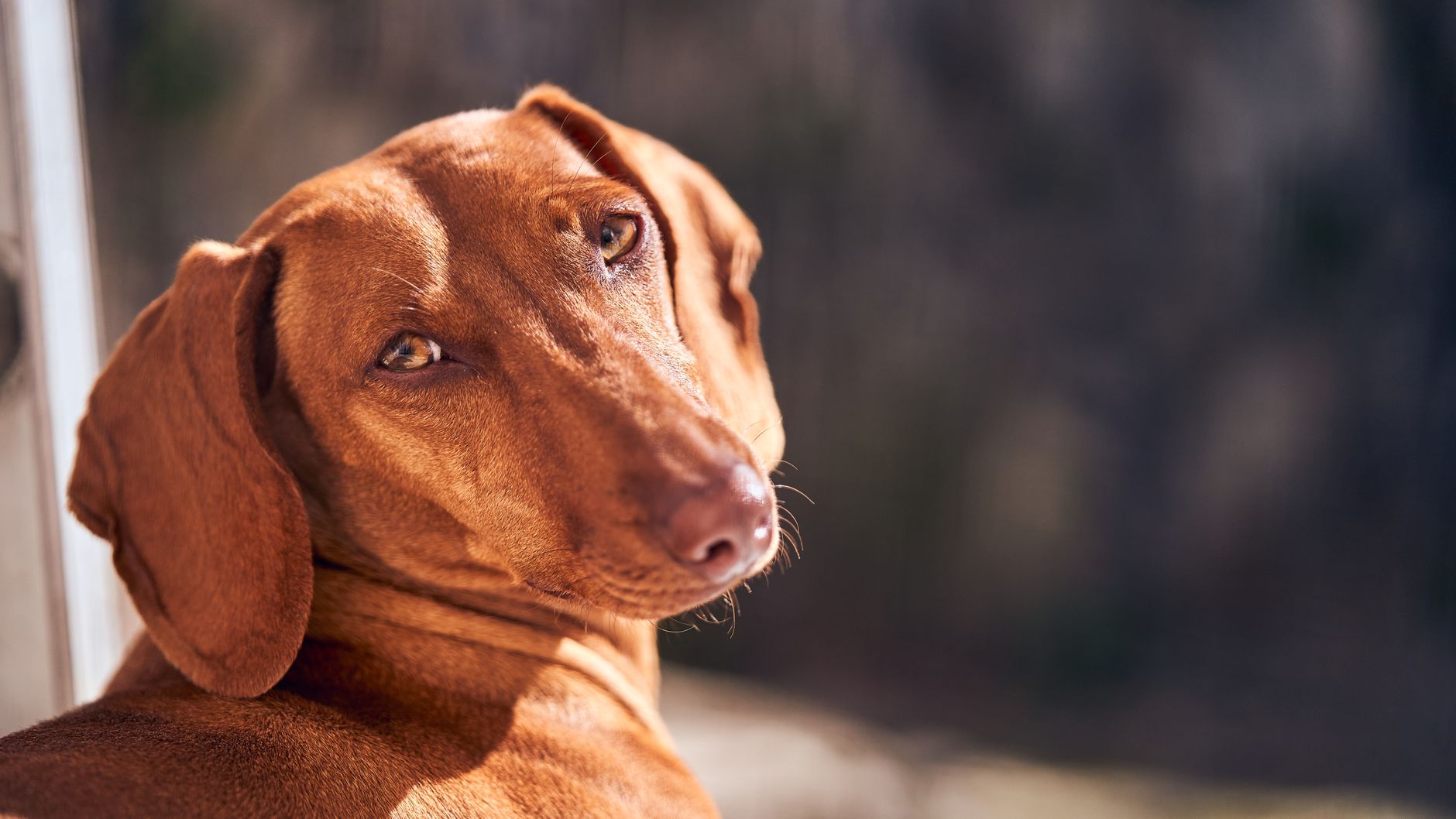 Vizsla Exercise and Diet: Fueling a Velcro Dog With Endless Energy” loading=”lazy”>
Quick Summary
To keep a high-energy Vizsla healthy, you must balance intensive physical exercise with an energy-dense, high-protein diet. Because of their deep chests and rapid metabolic rates, they require specific feeding schedules to prevent life-threatening bloat (GDV) alongside proactive joint support. This comprehensive guide details veterinary-approved strategies to fuel and protect your active canine athlete.
As an Amazon Associate, we earn from qualifying purchases.
Popular with dog owners: Slow Feeder Bowl · Dog Leash · Dog Food
In my fifteen years as a practicing veterinarian, few breeds have captivated—and thoroughly exhausted—me quite like the Hungarian Vizsla. These sleek, rust-colored pointers are marvels of evolutionary canine engineering, built for sustained speed, endurance, and intense human companionship.
But that famous “Velcro dog” reputation means their mental state is tied directly to their physical output. If you fail to drain their massive energy reservoir daily, their anxiety and destructive behaviors will quickly take over your home.
In my clinic, I frequently see the physical and behavioral fallout of under-exercised or improperly fed Vizslas. Today, I want to share the exact clinical advice I give to my Vizsla clients to help them safely fuel and manage these incredible canine athletes.
Key Takeaways
- Vizslas require a minimum of 60 to 90 minutes of vigorous daily exercise, blending physical exertion with mental stimulation.
- Their high metabolic rate demands an energy-dense diet with 26% to 30% protein and 16% to 20% fat.
- Due to their deep chests, Vizslas are at high risk for Gastric Dilatation-Volvulus (GDV); never exercise them near meal times.
- Proactive joint supplementation should begin around age two or three to combat the high-impact stress of their lifestyle.
- Under-stimulated Vizslas develop clinical signs of anxiety, including compulsive licking, pacing, and destructive chewing.
- Their lack of an undercoat makes them highly susceptible to rapid overheating in summer and hypothermia in winter.
In This Article
- The Physiology of an Elite Canine Athlete
- Designing the Ultimate Vizsla Exercise Regimen
- Age-Appropriate Exercise Milestones
- Caloric Demands and Macronutrient Balance
- The Critical Risk of Bloat (GDV) in Vizslas
- Joint Support and Preventive Supplements
- Recognizing the Signs of Under-Stimulation
- Hydration and Heat Safety on the Trail
The Physiology of an Elite Canine Athlete
When I examine a Vizsla on my clinic table, the first thing I notice is their incredibly low body fat percentage and highly defined musculature. They are built like Olympic decathletes, possessing a deep chest cavity that houses a powerful, highly efficient cardiopulmonary system.
This unique anatomy allows for incredible aerobic capacity, but it also means they have very little natural insulation. They burn through calories rapidly just to maintain their baseline body temperature, even before we factor in active exercise.
Outward Hound Fun Feeder Slo Bowl
- ✓Maze-style ridges slow down eating
- ✓Non-slip base
- ✓Food-safe, BPA-free material
- Slows fast eaters and reduces gulping
- A simple step to lower bloat risk in deep-chested breeds
Understanding this metabolic reality is key to keeping them healthy. Their nutritional and physical demands are vastly different from a typical companion dog, requiring a highly specialized approach to both diet and daily activity.

Designing the Ultimate Vizsla Exercise Regimen
I always tell my clients that a simple leash walk around the block is practically a warm-up for a healthy adult Vizsla. To truly satisfy their physical and mental needs, you must incorporate off-leash running, structured training, and sensory enrichment into their daily routine.
They need at least 60 to 90 minutes of vigorous, heart-pumping exercise every single day. Without this, their brilliant minds turn toward destructive outlets like chewing drywall, digging, or obsessive self-grooming behavior.
- Off-leash running in a safely enclosed field to allow for full-speed sprints
- Agility training or flyball to challenge their cognitive problem-solving skills
- Nose work and scent tracking games that mimic their historical hunting instincts
- Structured swimming sessions, which offer excellent low-impact cardiovascular workouts

Age-Appropriate Exercise Milestones
One of the most common mistakes I see in my practice is owners over-exercising young Vizsla puppies. Their growth plates (physes) do not fully close until they are 12 to 18 months old, making them highly susceptible to long-term joint damage if pushed too hard too early.
We must carefully scale their activity levels as they mature to protect their skeletal development while still burning off puppy energy. Following a strict developmental timeline prevents early-onset osteoarthritis.
Puppies (Under 12 Months)
Stick to the rule of five minutes of structured exercise per month of age, up to twice a day. Avoid high-impact jumping, hard surface running, or forced endurance jogging.
- Keep play sessions self-directed on soft surfaces like grass
- Focus on basic obedience and leash training rather than distance
- Avoid agility equipment or high jumps until growth plates close
Adults (1 to 7 Years)
This is the peak athletic phase where they can handle strenuous hiking, running, and advanced canine sports. Always monitor for signs of acute fatigue, especially in extreme weather conditions.
- Incorporate distance running and off-leash trail hiking
- Introduce advanced agility, dock diving, or field trials
- Maintain a consistent schedule to prevent weekend-warrior injuries
- ✓Classic 1-inch x 6-ft nylon leash
- ✓Easy-to-use bolt snap
- ✓Pairs with Easy Walk harnesses
- A sturdy, comfortable leash is the everyday basic for safe walks and training
Seniors (Over 7 Years)
Transition to low-impact activities like swimming and gentle walking to protect aging joints. Maintain mental enrichment through puzzle toys to keep their minds sharp.
- Replace high-speed sprints with long, sniffing-focused walks
- Utilize hydrotherapy pools for joint-friendly exercise
- Increase mental puzzle games to ward off cognitive decline

Caloric Demands and Macronutrient Balance
Feeding an active Vizsla is not as simple as scooping standard kibble into a bowl. In my clinical experience, a working or highly active Vizsla can require up to 40% more calories than a sedentary dog of the same weight.
Their diet must be energy-dense, featuring high-quality proteins and highly digestible fats to sustain their rapid metabolism. Look for formulas where real, identifiable meat is the first ingredient, avoiding heavy fillers that provide empty calories.
- Protein content of 26% to 30% to support lean muscle repair and retention
- Fat content of 16% to 20% to serve as their primary energy fuel source
- Complex carbohydrates like sweet potatoes or oats for sustained glucose release
- Strict avoidance of artificial preservatives, colors, or excessive wheat and soy fillers

The Critical Risk of Bloat (GDV) in Vizslas
Because Vizslas are a deep-chested breed, they are anatomically predisposed to Gastric Dilatation-Volvulus (GDV), commonly known as bloat. This is a life-threatening medical emergency where the stomach fills with gas and twists on its axis, cutting off blood flow.
In my emergency shifts, I have seen too many cases of GDV that could have been prevented with basic dietary management. It is absolutely crucial to manage how and when your Vizsla eats in relation to their heavy exercise schedules.
- Never exercise your Vizsla for at least one hour before or two hours after a meal
- Utilize slow-feeder bowls or puzzle feeders to prevent rapid air gulping during meals
- Feed two or three smaller meals throughout the day rather than one large portion
- Avoid elevated feeding bowls unless specifically recommended by your primary veterinarian

Joint Support and Preventive Supplements
The sheer velocity and impact of a Vizsla’s movement put immense stress on their musculoskeletal system over time. Even if your dog seems invincible now, proactive joint care should start long before they show signs of stiffness or limping.
In my practice, I recommend starting joint supplements around two to three years of age for high-performance dogs. This helps protect the cartilage matrix and reduces the risk of early-onset osteoarthritis and soft tissue injuries.
- Glucosamine hydrochloride and Chondroitin sulfate to promote healthy joint cartilage repair
- Omega-3 fatty acids (specifically EPA and DHA from wild-caught fish oil) to combat systemic inflammation
- Methylsulfonylmethane (MSM) to support structural connective tissues and reduce muscle soreness
- Green-lipped mussel extract for a natural, highly bio-available source of joint-protecting nutrients

Recognizing the Signs of Under-Stimulation
Many owners come to my clinic complaining about their Vizsla’s sudden ‘behavioral issues.’ They assume the dog is being spiteful, but as a vet, I recognize these behaviors as classic cries for help due to under-stimulation.
A Vizsla who has not worked their mind and body will experience elevated cortisol levels, leading to chronic stress. Learn to spot these clinical warning signs before they escalate into severe anxiety or self-harm.
- Repetitive pacing, whining, or inability to settle down even after a standard walk
- Obsessive licking of their paws or flanks, often leading to acral lick dermatitis
- Destructive chewing focused on exit points like door frames, windows, or gates
- Hyper-reactivity to normal household sounds or sudden changes in their environment
Hydration and Heat Safety on the Trail
Vizslas have a single, short coat with no undercoat, which means they are highly susceptible to temperature extremes. In the heat of summer, they can overheat with terrifying speed during a run because they do not have the cooling benefits of a double coat.
I always counsel owners to prioritize hydration and heat management when exercising outdoors. You must be proactive in offering water, even if your dog seems too focused on playing to stop and drink.
- Carry at least one ounce of fresh water per pound of body weight for your dog on hikes
- Offer small, frequent sips of water every 15 minutes rather than letting them guzzle at the end
- Learn to check skin turgor and gum moisture as immediate indicators of hydration levels
- Avoid outdoor runs entirely when the ambient temperature plus relative humidity exceeds 150
-
Diamond Naturals Skin & Coat Dog Food, Salmon & PotatoA complete, balanced diet matched to your dog’s size and age is the foundation of a healthy coat, gut and energy level
-
Benebone Wishbone Dog Chew Toy for Aggressive ChewersLong-lasting chewing satisfies strong jaws
-
The Green Pet Shop Self-Cooling Pet PadHelps flat-faced and thick-coated pets stay comfortable in the heat
Related Dog Guides
Frequently Asked Questions
How much exercise does a Vizsla puppy need?
Vizsla puppies should follow the five-minutes-per-month rule up to twice daily. For example, a four-month-old puppy needs only 20 minutes of structured, low-impact exercise twice a day to protect their developing growth plates.
Can I take my Vizsla running with me on concrete?
You should avoid running your Vizsla on concrete or asphalt, especially before they reach 18 months of age. Hard surfaces cause repetitive, high-impact stress on their joints, increasing the risk of early joint degradation; seek dirt trails or grass instead.
What are the best protein sources for an active Vizsla?
Look for whole, high-quality animal proteins such as chicken, beef, salmon, or turkey as the first ingredient on the label. These sources provide the essential amino acids necessary for maintaining and repairing lean muscle tissue in active dogs.
How can I tell if my Vizsla is too cold during winter exercise?
Watch for signs like shivering, lifting their paws off the frozen ground, keeping their tail tucked tightly, or seeking shelter. Because they have a single coat and very low body fat, you should invest in a well-fitting fleece or coat for winter walks.
Is a preventive gastropexy recommended for Vizslas?
While gastropexy (surgically tacking the stomach to prevent twisting) is most common in Great Danes, some owners of deep-chested Vizslas elect to perform this procedure during their spay or neuter. It is a highly effective way to prevent the fatal twisting associated with GDV.
Sources & Further Reading
- American Kennel Club (AKC)
- Merck Veterinary Manual
- American Veterinary Medical Association (AVMA)
- PetMD
Final Thoughts
Caring for a Vizsla is both a massive physical responsibility and an incredibly rewarding privilege. By matching their limitless physical energy with tailored, high-quality nutrition and proactive joint support, you can prevent the common orthopedic and metabolic issues I treat daily.
Remember to treat exercise as a non-negotiable daily commitment, not a weekend luxury. Your reward will be a healthy, vibrant, and deeply loyal companion who thrives by your side for years to come.