
 British Shorthair vs American Shorthair: Which Shorthair Suits You?” loading=”lazy”>
Quick Summary
While both the British Shorthair and American Shorthair are beloved pedigree breeds, they differ significantly in their body types, personalities, and medical predispositions. The British Shorthair is a calm, independent, dense companion prone to cardiac issues like hypertrophic cardiomyopathy, whereas the American Shorthair is an active, highly social, and athletic mouser with a longer typical lifespan. Understanding these distinct genetic and behavioral traits is essential for choosing the right companion for your household and preparing for their long-term clinical care.
In my fifteen years of veterinary practice, I have treated thousands of wonderful cats, but few breeds capture the imagination quite like the pedigreed shorthairs. When a client tells me they are looking for a hardy, short-coated companion, the conversation almost always lands on two distinct, iconic options: the British Shorthair and the American Shorthair.
Many prospective owners make the mistake of assuming these breeds are virtually identical, differing only by their country of origin. This is a significant clinical misconception that can affect your home environment and your wallet.
As a veterinarian, I see firsthand how their genetic heritages shape not just their physical builds, but their unique health risks, behavioral quirks, and long-term care requirements.
Key Takeaways
- British Shorthairs are stockier, rounder, and have a dense, plush double coat, while American Shorthairs are athletic, muscular, and built like working mousers.
- British Shorthairs are independent, quiet, and calm, making them perfect for busy working professionals who need a self-sufficient pet.
- American Shorthairs are highly social, playful, and retain a strong prey drive and active curiosity well into their senior years.
- Health-wise, British Shorthairs are genetically predisposed to hypertrophic cardiomyopathy (HCM) and polycystic kidney disease (PKD).
- American Shorthairs are exceptionally hardy but require regular screening for hip dysplasia and dental disease.
- Diet control is critical for both breeds, but the sedentary nature of the British Shorthair makes them much easier to overfeed, leading to obesity.
In This Article
- The Historical Blueprint: Working Mousers vs. Imperial Companions
- Physical Distinctions: The Teddy Bear vs. The Athlete
- Temperament and Household Vibe
- Clinical Health Profiles: What to Watch For
- The Feline Obesity Trap: Metabolic Differences
- Grooming and Maintenance Requirements
- dogs-and-multi-pet-homes”>Social Dynamics: Kids, Dogs, and Multi-Pet Homes
- Financial Commitment and Lifespan expectations
The Historical Blueprint: Working Mousers vs. Imperial Companions
To truly understand these cats, we have to look at what they were bred to do over the centuries. The American Shorthair is the ultimate working-class cat, descending from tough farm cats that came over on the Mayflower to protect cargo and grain stores from rodents.
They are built for endurance, agility, and survival in harsh environments.
In contrast, the British Shorthair boasts an ancient lineage going back to the Roman Empire, where they were imported as physical guards and companions. They were later refined in the 19th century specifically for their beauty, round features, and calm demeanor, becoming a staple of early feline exhibition.
When these cats walk into my clinic, their historical roles are still written clearly in their skeletal structures. The American Shorthair has a utilitarian, muscular frame built for leaping, while the British Shorthair looks like a heavy-boned, stocky teddy bear designed for peaceful indoor lounging.
Physical Distinctions: The Teddy Bear vs. The Athlete
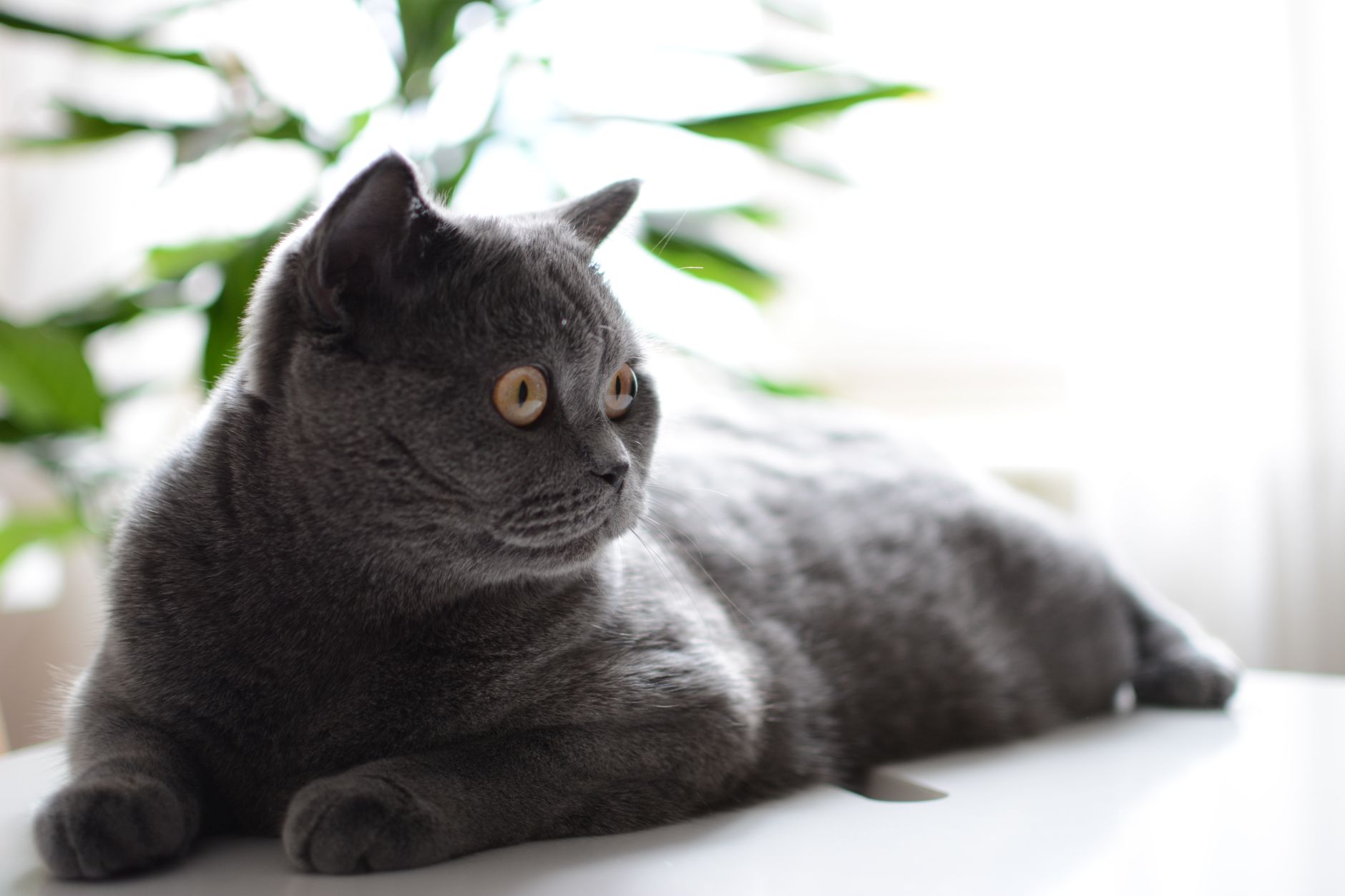
At a glance, the untrained eye might confuse these two, but their structural differences are clinically profound. In my exam room, lifting a British Shorthair is like picking up a dense block of marble.
They have a ‘cobby’ build, meaning they are compact, low to the ground, with a broad chest, short legs, and round paws.
The American Shorthair is longer, leaner, and built for athletic movement. Their face is slightly less round, featuring a sweet, open expression with a medium-length muzzle rather than the perpetual ‘smiling’ chubby cheeks and short, broad nose of the British Shorthair.
- British Shorthair Coat: Exceptionally dense, plush, and crisp to the touch, requiring a steel comb to penetrate the thick undercoat.
- American Shorthair Coat: Shorter, harder in texture, and single-layered, designed historically to repel rain and resist brambles.
- Weight Profile: British males easily reach 12 to 20 pounds of dense bone, while American males typically top out at 11 to 15 pounds.
- Facial Structure: British Shorthairs have distinct, massive jowls (especially unneutered males) and round, wide-set eyes.
Temperament and Household Vibe
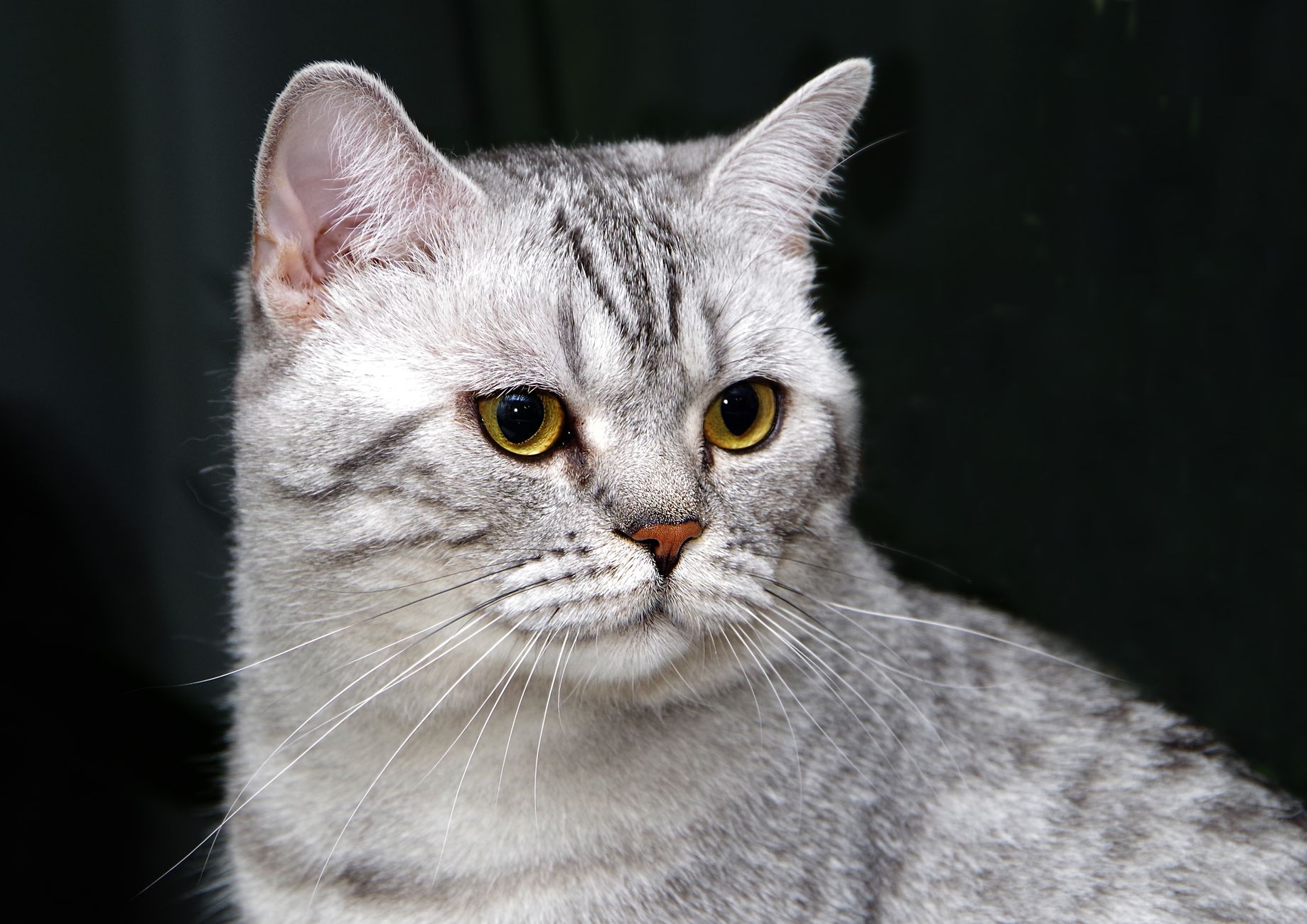
I always tell my clients that choosing a cat based solely on physical appearance is a recipe for behavioral frustration. You must match the cat’s natural energy levels to your household’s daily rhythm.
British Shorthairs are the introverts of the feline world. They love their human families deeply, but they show it by sitting near you rather than on top of you.
They are quiet, rarely vocalizing, and are perfectly content to sleep in a sunbeam while you work a long shift.
American Shorthairs, on the other hand, want to be right in the middle of the household action. They are highly adaptable, intensely curious, and retain a playful, kitten-like attitude well into their double-digit years.
- Lap Cat Status: British Shorthairs generally dislike being picked up or carried; American Shorthairs are much more tolerant of physical handling.
- Vocalizing: British Shorthairs have a tiny, quiet squeak of a purr; American Shorthairs will chirp and trill to communicate.
- Independence: British Shorthairs excel in quiet, low-traffic households with working professionals.
- Play Style: American Shorthairs require interactive toys and puzzle feeders to satisfy their active hunting instincts.
Clinical Health Profiles: What to Watch For
From a veterinary standpoint, this is the most critical comparison for any prospective pet parent. Every pedigree breed has its genetic Achilles’ heel, and these two are no exception.
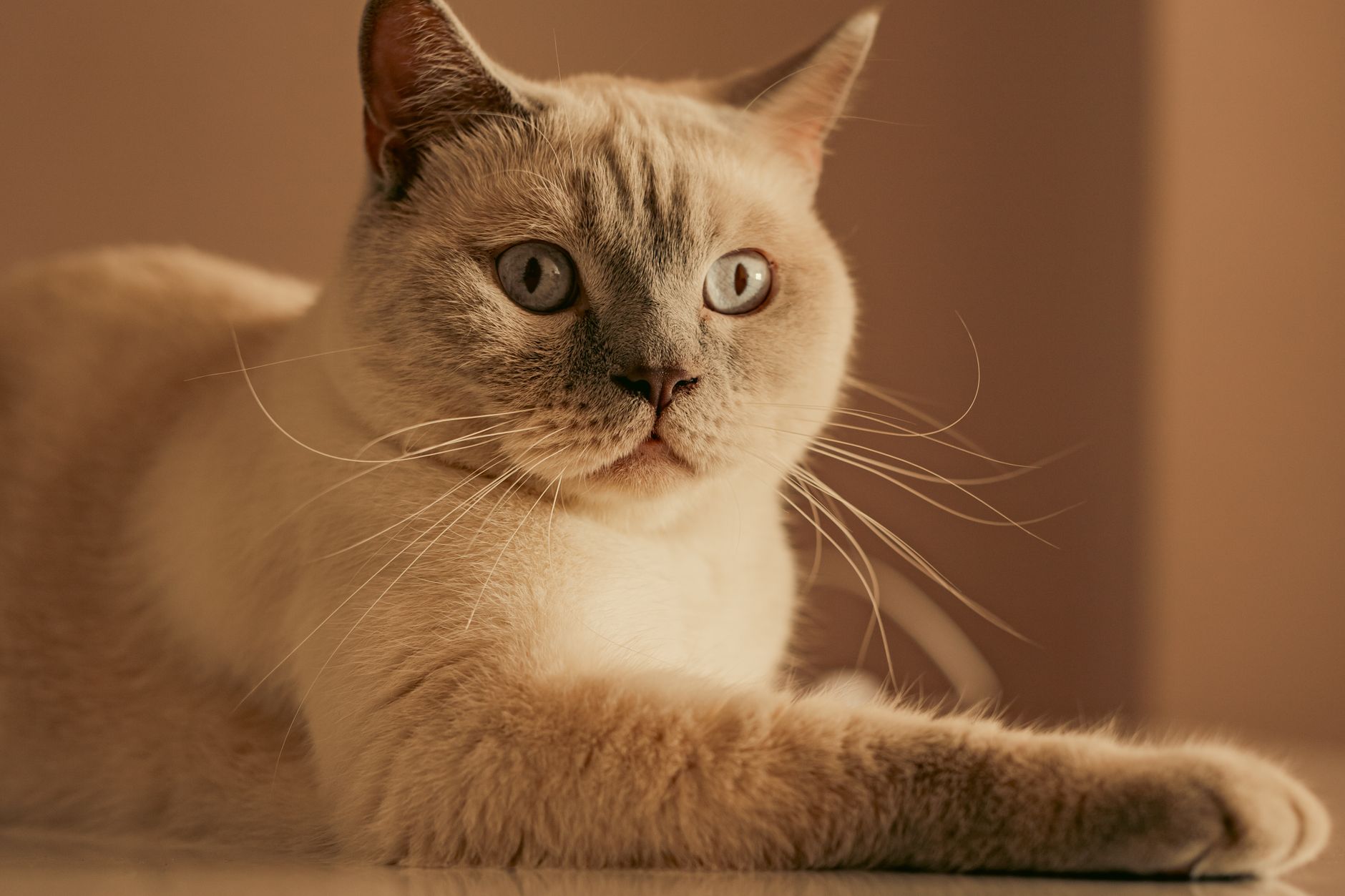
In my practice, I screen British Shorthairs closely for cardiac and renal issues. They are genetically prone to hypertrophic cardiomyopathy (HCM), a silent killer where the heart muscle thickens over time, eventually causing heart failure.
American Shorthairs are incredibly robust, but their working heritage doesn’t make them completely immune to health issues. We frequently monitor them for joint issues and progressive dental disease as they age.
- HCM Screening: British Shorthairs should have annual veterinary auscultations and, ideally, echocardiograms from a veterinary cardiologist.
- Polycystic Kidney Disease (PKD): A genetic condition causing fluid-filled cysts in the kidneys of British Shorthairs; DNA testing of parents is essential.
- Hip Dysplasia: More common in the muscular, heavy-framed American Shorthair; watch for stiff gaits or hesitation when jumping.
- Gingivitis and Periodontitis: Both breeds can develop dental disease, but the crowded jaw structure of the British Shorthair puts them at higher risk.

The Feline Obesity Trap: Metabolic Differences
I cannot write a comparative guide about these breeds without emphasizing weight management. Both breeds are prone to obesity, but the clinical pathway to weight gain is slightly different for each.
Because British Shorthairs are naturally sedentary, they do not burn calories efficiently once they reach adulthood. Their metabolism slows down dramatically by age two, and they are happy to sleep up to twenty hours a day.
American Shorthairs have a higher basal metabolic rate due to their active muscle mass. However, if they are kept in a small apartment without environmental enrichment, they will eat out of sheer boredom and pack on dangerous visceral fat.
The Body Condition Score (BCS)
In clinic, we use a 1-to-9 scale to evaluate body fat. British Shorthairs are often misdiagnosed as obese because of their natural roundness, but a vet must palpate the ribs to distinguish bone and muscle from excess fat.

Grooming and Maintenance Requirements
Many owners assume that ‘shorthair’ is synonymous with ‘zero grooming.’ This is a major misconception that keeps professional groomers very busy.
The British Shorthair has more hair follicles per square inch than almost any other cat breed. Their dense double coat undergoes a massive seasonal shedding event twice a year, during which they can easily develop painful hairballs.
The American Shorthair is much easier to maintain, but their stiff, short hairs will still cling to your furniture and clothing if they are not brushed regularly.
- British Shorthair Brush Routine: Requires thorough brushing at least three times a week with a slicker brush and a metal greyhound comb.
- American Shorthair Brush Routine: A weekly quick session with a rubber grooming mitt is usually sufficient to control loose hair.
- Nail Trimming: Both breeds need their claws clipped every two to three weeks, especially indoor-only cats.
- Ear Cleaning: British Shorthairs have smaller, tightly set ears that can occasionally trap wax and require gentle cleaning with a vet-approved solution.
Social Dynamics: Kids, Dogs, and Multi-Pet Homes
If you have a busy home with toddlers, teenagers, or dogs, breed selection becomes a safety and wellness issue. Cats that are easily stressed do not thrive in chaotic environments.
In my clinical experience, the American Shorthair is an absolute champion in active, multi-pet households. Their confident, laid-back nature means they rarely startle at loud noises, dog barks, or sudden running children.
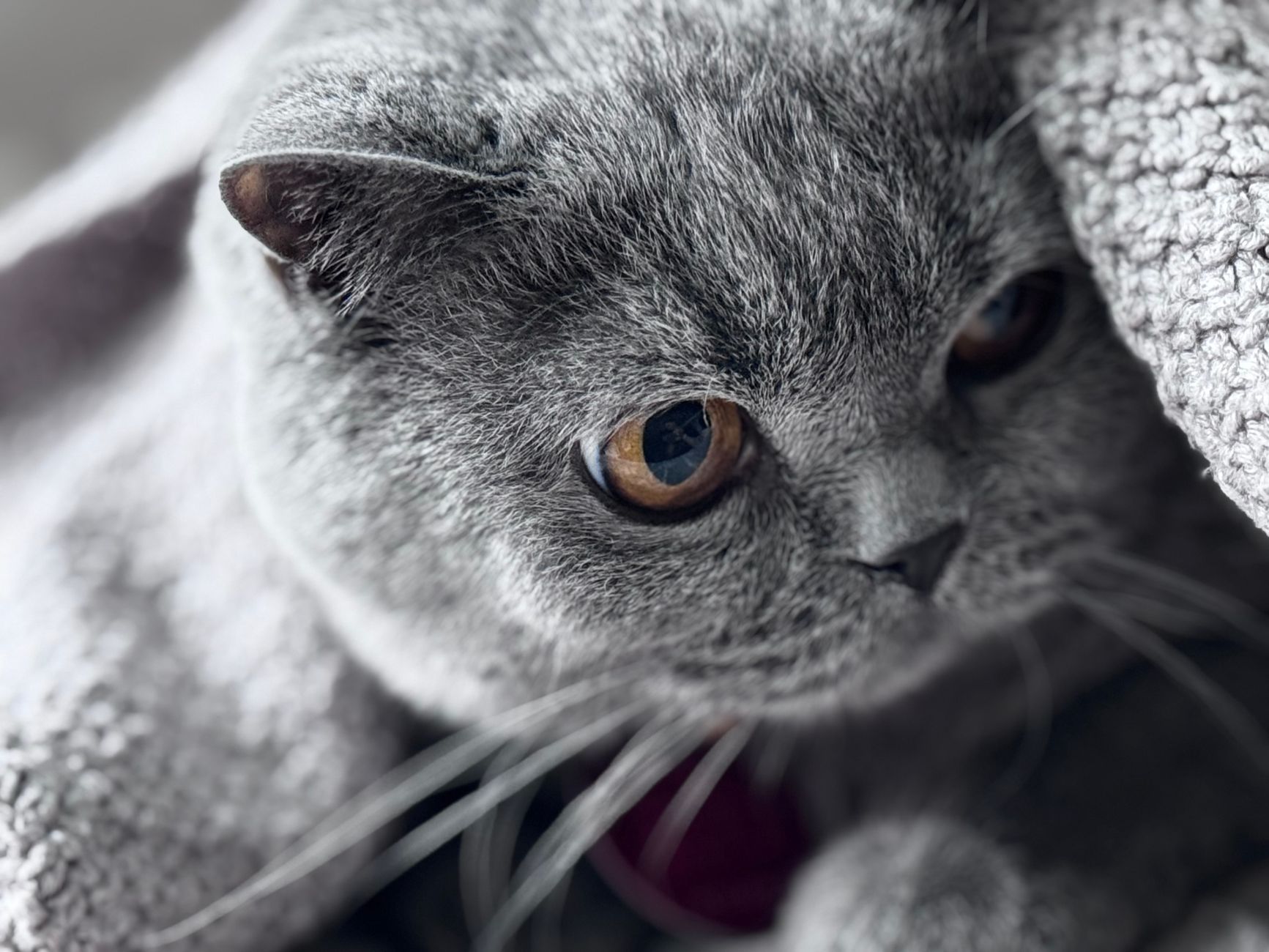
British Shorthairs can tolerate children and dogs, but they require a designated ‘safe zone’ where they can retreat when the house gets too loud. If cornered, a British Shorthair will rarely scratch; instead, they will simply freeze, internalize their stress, and hide for hours.
The Dog-Cat Dynamic
American Shorthairs often form close, active bonds with cat-friendly dogs, even initiating play. British Shorthairs prefer a peaceful coexistence, observing the family dog from a safe, elevated cat tree.
Introduction Protocols
For both breeds, I recommend utilizing synthetic pheromone diffusers and keeping new pets separated for at least two weeks to allow safe, scent-based introductions.
Financial Commitment and Lifespan expectations
Owning a pedigreed cat is a long-term financial commitment. I always urge my clients to look past the initial kitten purchase price and calculate the lifetime veterinary and dietary costs.
The American Shorthair is one of the longest-lived breeds in existence, frequently reaching 15 to 20 years with proper care. Their medical costs are often lower over their lifespan due to their robust genetic diversity.
British Shorthairs have a respectable lifespan of 12 to 15 years, but their potential medical bills can be higher due to specialized cardiac diagnostics, renal screening, and specialized high-protein senior diets.
- Initial Cost: British Shorthairs from reputable breeders cost $1,500 to $3,500; American Shorthairs typically range from $1,000 to $2,000.
- Pet Insurance: I strongly advise insuring both breeds during kittenhood, specifically seeking a policy that covers genetic and hereditary conditions like HCM.
- Senior Care: Plan for biannual veterinary visits and comprehensive blood chemistry panels once either breed reaches eight years of age.
Frequently Asked Questions
Are British Shorthairs lap cats?
Generally, no. While they are incredibly affectionate and loyal, they prefer to show companionship by sitting next to you on the sofa or curling up at your feet rather than being held on your lap.
Do American Shorthairs shed a lot?
Yes, they do shed regularly, but their coat is single-layered and easy to manage with weekly brushing. They do not experience the heavy, dense undercoat shedding of the British Shorthair.
Which breed is better for allergy sufferers?
Neither breed is hypoallergenic. In fact, the dense double coat of the British Shorthair can trap and spread dander around your home more readily than the American Shorthair.
How can I prevent obesity in my British Shorthair?
Use a digital gram scale to weigh their food precisely, avoid free-feeding dry kibble, and feed a high-protein, low-carbohydrate wet diet while scheduling daily interactive play sessions.
Are American Shorthairs good with dogs?
Yes, American Shorthairs are highly confident and adaptable, often making them excellent companions for cat-friendly dogs when introduced slowly and properly.
How often should I test my British Shorthair’s heart?
I recommend having your veterinarian perform a thorough cardiac auscultation at every annual exam, and ideally, an echocardiogram every 1 to 2 years starting at age two if they come from lines with a history of HCM.
Sources & Further Reading
- The Cat Fanciers’ Association (CFA)
- Cornell University College of Veterinary Medicine
- PetMD
- International Cat Care
Final Thoughts
Choosing between a British Shorthair and an American Shorthair ultimately comes down to your personal lifestyle and what you expect from a feline companion. If you want a calm, independent, and quiet presence to share your peaceful home, the British Shorthair is an outstanding and regal choice.
If you prefer an active, playful, and highly social family member who will hunt down toys and interact with house guests, the American Shorthair will fit perfectly. Whichever you choose, remember that routine veterinary care, a controlled diet, and plenty of mental stimulation are the true keys to a long, healthy life.
Please consult with a reputable breeder who performs genetic health screenings before making your decision.