
 Dogs” loading=”lazy”>
Quick Summary
Sharing your home with both a dog and a cat is highly achievable when you select the right feline breed. Felines with confident, low-arousal, and highly social temperaments naturally de-escalate canine excitement and prevent dangerous chase instincts. Selecting breeds like the Maine Coon, Abyssinian, or Ragdoll, combined with a veterinary-approved slow introduction protocol, ensures a safe and harmonious multi-pet household.
As an Amazon Associate, we earn from qualifying purchases.
Popular with cat owners: Puzzle Toys · Cat Tree · Cat Treats
Over my fifteen years in clinical veterinary practice, I have heard one question more than almost any other: ‘Dr. Heller, can I actually get a cat if I already have a dog?’ The short answer is a resounding yes, but success hinges on two critical factors: proper introduction protocols and breed genetics.
While every feline is an individual, certain breeds possess innate behavioral traits that make them far more resilient and adaptable to a multi-species household. Choosing a breed with a confident, social temperament reduces chronic stress and prevents territorial anxiety in both your pets.
Key Takeaways
- A cat’s confidence level is the single most important factor in preventing a dog’s predatory chase instinct.
- Larger, robust cat breeds like the Maine Coon are physically safer and less easily intimidated by canine housemates.
- Laid-back breeds like Ragdolls excel with gentle dogs, while high-energy Abyssinians and Bengals suit active canine companions.
- Chronic stress in cats often manifests as urinary issues (FIC) or hiding behaviors, which can be avoided with the right breed match.
- Regardless of breed, a systematic, scent-based introduction protocol spanning several weeks is vital for safety.
- Never allow a dog to chase a cat, as this can trigger dangerous ‘predatory drift’ even in friendly dogs.
In This Article
- 1. The Maine Coon: The Canine-Like Giant
- 2. The Abyssinian: The High-Energy Companion
- 3. The Ragdoll: The Serene and Laid-Back Companion
- 4. The American Shorthair: The Adaptable All-Rounder
- bengal-the-bold-and-athletic-explorer”>5. The Bengal: The Bold and Athletic Explorer
- birman-the-gentle-and-affectionate-peacekeeper”>6. The Birman: The Gentle and Affectionate Peacekeeper
- 7. Dr. Heller’s Clinical Introduction Protocol
1. The Maine Coon: The Canine-Like Giant
Over my years in veterinary medicine, I have treated countless cats for stress-induced illnesses like Feline Idiopathic Cystitis (FIC). Almost always, these cases stem from environmental tension, often involving a canine housemate.
That is why I highly recommend the Maine Coon for multi-pet homes.
These cats are famously referred to as the ‘dogs of the cat world’ due to their highly social and outgoing personalities. They do not scare easily, which is crucial because a running cat triggers a dog’s predatory instinct.
YVE LIFE Automatic Cat Laser Toy
- ✓Random laser patterns keep cats guessing
- ✓Motion sensor starts play automatically
- ✓3 speed modes
- Food puzzles turn mealtime into a brain game, burning mental energy in clever, easily bored pets
By standing their ground with relaxed confidence, Maine Coons naturally de-escalate canine excitement.
- Robust physical size (often weighing 15 to 25 pounds) prevents accidental injury during play.
- Naturally curious and social disposition reduces the urge to hide away from the family.
- Highly trainable nature, allowing you to teach them household boundaries alongside your dog.
- Slow maturation rate (up to four years) keeps them playful and energetic for longer.
The Role of Size in Feline Confidence
In my clinic, I rarely see a Maine Coon intimidated by a dog. Their physical presence commands respect, and they are large enough to handle a clumsy paw or a playful nudge without getting hurt.

2. The Abyssinian: The High-Energy Companion
If you own an active, high-energy dog breed like a Boxer, Retriever, or Aussie, you need a cat that can match that tempo. Enter the Abyssinian, a breed that is constantly in motion and possesses a fearless zest for life.
Abyssinians are highly athletic and intelligent, meaning they prefer to join in on the action rather than watch from afar. They are known for forming strong bonds with dogs and will often engage in games of chase and tag.
Their quick reflexes and high energy ensure they never become easy targets.
- High-level problem-solving skills make them great candidates for puzzle toys alongside your dog.
- Extreme agility allows them to easily leap to safety if a dog gets too boisterous.
- Strong social drive means they seek companionship rather than isolation.
Managing the High-Energy Dynamic
Because Abyssinians are so active, you must provide plenty of vertical climbing spaces. I advise my clients to install cat trees and wall shelves to let these cats navigate the room above the dog’s reach.
3. The Ragdoll: The Serene and Laid-Back Companion
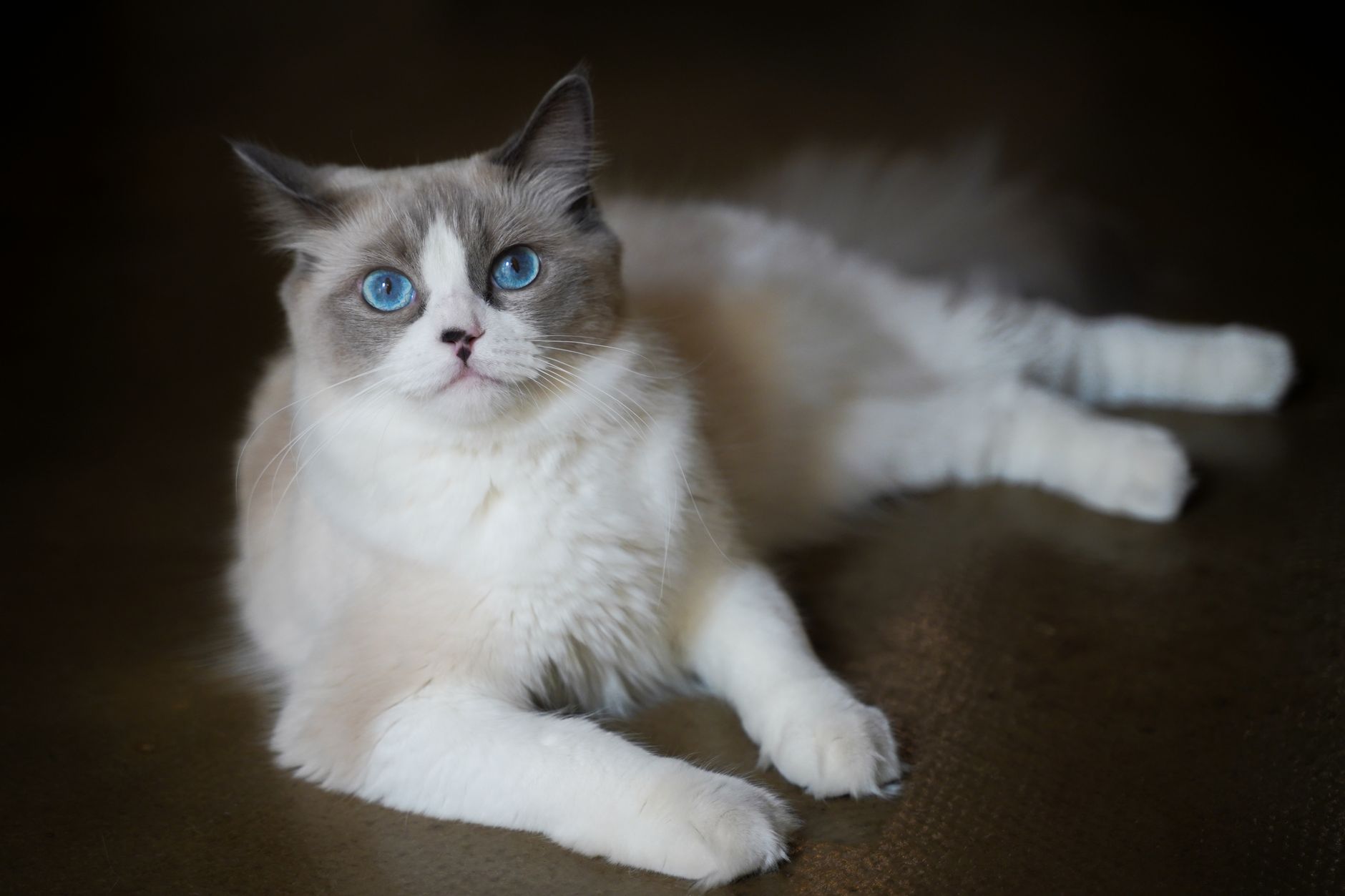
On the opposite end of the energy spectrum is the Ragdoll. These gentle giants are famous for going completely limp when held, reflecting their deeply trusting and relaxed nature.
For households with calm, older dogs or gentle breeds like Great Danes or Cavaliers, the Ragdoll is an absolute dream companion. They do not possess a dominant or aggressive bone in their body, choosing instead to diffuse tension with pure, unadulterated serenity.
Globlazer F70 Pro Heavy Duty Cat Tree
- ✓Spacious square hammock and condo
- ✓4 scratching posts plus a scratch board
- ✓For large adult cats
- Gives cats vertical space to climb, scratch and nap, which reduces stress and keeps them off your shelves
They will happily share a sunny spot on the rug or cuddle up in the dog’s bed.
- Extremely low prey drive and low startle response, preventing sudden running behaviors.
- Affectionate and placid temperament makes them highly tolerant of canine sniffing.
- They prefer low-ground lounging, making them highly accessible for calm dog socializing.
A Veterinary Warning for Trusting Breeds
I always caution my clients that Ragdolls lack defensive instincts. If your dog has a high prey drive or plays too roughly, a Ragdoll will not fight back or flee effectively, making careful supervision mandatory.
4. The American Shorthair: The Adaptable All-Rounder
The American Shorthair is the unsung hero of the multi-pet household. They are structurally robust, incredibly patient, and known for their even-tempered approach to life.
In my clinical experience, these cats are exceptionally resilient to environmental changes. They do not startle easily and are highly adaptable to the chaotic energy of a home with children and dogs.
They are the perfect ‘middle-of-the-road’ cat—playful when prompted, but perfectly content to lounge quietly when the dog is resting.

5. The Bengal: The Bold and Athletic Explorer
If you have a large, confident dog and want a cat that will not only coexist but actively rule the roost, the Bengal is an incredible choice. These miniature leopards are incredibly bold, confident, and highly athletic.
Bengals possess an adventurous spirit that matches well with friendly, active dogs. They are known to walk on leashes, play fetch, and even splash in water bowls.
Because they lack the typical fear response of domestic cats, dogs quickly learn to treat them as equals rather than prey.
- Love for interactive play, including fetching toys and learning tricks.
- Highly vocal communication style keeps dogs engaged and aware of their presence.
- Intense curiosity prevents them from hiding or showing vulnerable submissive behaviors.
Environmental Enrichment is Crucial
A bored Bengal can become destructive or pick fights with your dog out of sheer frustration. I tell my clients to invest heavily in interactive toys, scratching posts, and daily structured play sessions to burn off their high energy.

6. The Birman: The Gentle and Affectionate Peacekeeper
Birmans are striking, color-pointed cats with distinct white paws and a heart of absolute gold. They are exceptionally sweet-natured and thrive on the companionship of both humans and other animals.
If you have a lonely dog that needs a gentle, loving friend, a Birman is an outstanding option. They are soft-spoken but incredibly outgoing, preferring to be in the same room as their family.
They will often shadow your dog around the house, offering quiet companionship and grooming sessions.

7. Dr. Heller’s Clinical Introduction Protocol
No matter which breed you choose, the secret to a peaceful multi-pet home lies in how you introduce them. In my practice, I see terrible injuries resulting from owners simply throwing a new cat and dog together to ‘let them figure it out.’
This approach is a recipe for disaster and can ruin their relationship permanently. You must approach the introduction systematically, focusing on positive reinforcement and controlled exposure.
By moving slowly, you build a foundation of safety and mutual trust.
- Scent Swapping: Rub a towel on your cat and place it under your dog’s food bowl, and vice versa, to build positive scent associations.
- Visual Barriers: Use a sturdy baby gate to allow them to see each other without physical contact during feeding times.
- Controlled Leash Training: Keep your dog on a short leash during their first face-to-face meetings to prevent sudden chasing.
- Reward Calm Behavior: Shower both pets with high-value treats when they remain relaxed in each other’s presence.
- Never Force Interaction: Let the cat set the pace; they should always have an open escape route to a dog-free zone.
Feline Stress Red Flags
Watch your cat closely for subtle signs of chronic anxiety. If you notice dilated pupils, a twitching tail, over-grooming, or urinating outside the litter box, you must immediately scale back the introduction process.
-
Temptations MixUps Crunchy and Soft Cat TreatsA tasty treat makes training, grooming and vet-carrier practice far easier
-
Just Try Cat Grass Hairball TreatsHairball formulas help swallowed fur pass through, so long-haired cats cough up fewer hairballs
-
PETLIBRO Dockstream 2 Stainless Steel Cat Water FountainMoving, filtered water encourages pets to drink more, which supports kidney and urinary health
Related Cat Guides
Frequently Asked Questions
Can a high-prey-drive dog ever safely live with a cat?
As a veterinarian, I must urge extreme caution here. Dogs with intense, genetically driven prey drives—such as certain Sighthounds, Terriers, or Huskies—may never be fully safe around cats. Even with the most confident cat breed, a split-second trigger can cause predatory drift, leading to severe injury. If you have a high-prey-drive dog, they must be kept physically separated at all times.
What is predatory drift, and how do I prevent it?
Predatory drift occurs when a dog’s predatory sequence (search, stalk, chase, grab, bite) is suddenly triggered by a small animal’s movements, even if they are friends. A cat running, squeaking, or playing can instantly flip a switch in a dog’s brain from ‘playmate’ to ‘prey.’ To prevent this, always supervise interactions, keep dogs on a leash during initial phases, and never allow chasing behaviors of any kind.
How do I know if my cat is chronically stressed by my dog?
Cats are masters at hiding chronic stress, but look for physical and behavioral clues. Symptoms include hiding for hours, localized hair loss from over-grooming, changes in appetite, or defecating right outside the litter box. If you see your cat constantly scanning the room or moving only along high furniture, they are living in a state of high alert that requires immediate intervention.
Should I feed my cat and dog in the same room?
I strongly advise against feeding them together, especially early on. Food is a high-value resource that can easily trigger resource guarding and sudden aggression. Always feed your cat on an elevated surface like a counter or sturdy cat tree where the dog cannot reach. This keeps your cat relaxed enough to digest their food properly without feeling vulnerable.
Do male or female cats get along better with dogs?
In my clinical experience, the sex of the cat matters far less than their individual temperament and socialization history. Neutered males and spayed females perform equally well with dogs. What truly matters is that the cat was exposed to friendly dogs during their critical socialization window (between 2 and 7 weeks of age), which builds lifelong confidence.
What is the single most common mistake owners make?
The most common mistake is rushing the introduction process out of impatience. Owners often assume that because a dog is friendly, the cat will feel safe immediately. This rushed exposure floods the cat’s nervous system with adrenaline, creating a deep-seated fear response that can take months or even years of intensive behavior modification to reverse.
Sources & Further Reading
- American Veterinary Medical Association (AVMA)
- The Cat Fanciers’ Association (CFA)
- Cornell University College of Veterinary Medicine
- PetMD
Final Thoughts
Building a peaceful multi-pet home is one of the most rewarding journeys you can undertake as a pet owner. When a dog and a cat form a genuine bond, it provides them with incredible mental enrichment and companionship.
By choosing a confident breed like a Maine Coon, Abyssinian, or Ragdoll, you tilt the odds of success heavily in your favor. Remember to prioritize safety, go slow, and always respect each animal’s unique emotional boundaries.
If you ever feel overwhelmed or notice signs of severe anxiety, do not hesitate to reach out to your veterinarian or a certified veterinary behaviorist for tailored guidance.