

Quick Summary
While high canine intelligence is often sought after, the easiest dogs to train are those that combine cognitive sharpness with ‘biddability’—a strong innate desire to cooperate with human handlers. Breeds like the Border Collie, Poodle, and Golden Retriever lead this category because they thrive on structured learning and positive reinforcement. As a clinical veterinarian, I advise matching a breed’s cognitive capacity with your daily commitment to mental and physical enrichment to prevent boredom-induced behavioral issues.
As an Amazon Associate, we earn from qualifying purchases.
Popular with dog owners: Training Treats · Puzzle Toys · Calming Chews
In my fifteen years of veterinary practice, I have had countless clients sit in my exam rooms asking for a dog that is ‘easy to train.’ They almost always assume that choosing a highly intelligent breed is a simple shortcut to perfect behavior.
However, I always tell them that canine intelligence is a double-edged sword. A smart dog can learn desirable behaviors in three repetitions, but they can learn undesirable ones just as fast if left to their own devices.
Today, we are going to look at eight brilliant breeds that offer the perfect blend of high intelligence and biddability. These are the dogs that are not just smart, but genuinely eager to work alongside you to build a peaceful, cooperative household.
Key Takeaways
- Canine intelligence requires active guidance, or it can manifest as destructive behavior.
- Biddability—the desire to cooperate with humans—is the secret ingredient to easy training.
- Mental stimulation is just as physically exhausting for a smart dog as a long run.
- Positive reinforcement is the most effective clinical training method for sensitive, intelligent breeds.
- Consistent rules must be established by all family members to prevent smart dogs from finding loopholes.
- Under-stimulated smart dogs are highly prone to clinical anxiety and self-soothing obsessive behaviors.
In This Article
- collie-the-mastermind”>1. The Border Collie (The Mastermind)
- 2. The Standard Poodle (The Elegant Intellectual)
- 3. The German Shepherd Dog (The Focused Protector)
- 4. The Golden Retriever (The Ultimate Crowd-Pleaser)
- 5. The Doberman Pinscher (The Alert Guardian)
- 6. The Shetland Sheepdog (The Attentive Scholar)
- 7. The Labrador Retriever (The Enthusiastic Partner)
- papillon-the-pint-sized-genius”>8. The Papillon (The Pint-Sized Genius)
- 9. The Reality of Training High-Intelligence Breeds
1. The Border Collie (The Mastermind)
In my clinic, I have seen Border Collies figure out how to slide open kennel latches and unzip duffel bags containing treats. They possess an intense, laser-like focus that is completely unmatched in the canine world.
This breed thrives on having a complex job to do. Without physical and mental outlets, that brilliant brain will quickly redirect toward herding your children, your cats, or even the household vacuum cleaner.
For owners willing to invest the time, their rate of learning is astonishing. They can grasp complex, multi-step chains of commands in a single afternoon when paired with positive, reward-based training.
- Provide at least 60 to 90 minutes of vigorous daily exercise.
- Incorporate advanced interactive puzzle toys to challenge their problem-solving skills.
- Engage in structured dog sports like agility, flyball, or scent work.
- Use herding ball games (Treibball) to channel their natural instincts safely.
Blue Buffalo Bits Chicken Training Treats
- ✓Soft, moist bite-size treats
- ✓Made with real chicken
- ✓Enhanced with DHA
- Small, soft treats are quick to eat, so you can reward the right moment and keep training sessions moving
The Risk of Obsessive Behaviors
When under-stimulated, Border Collies can develop obsessive-compulsive habits like shadow chasing, tail spinning, or flank sucking. I regularly treat these self-soothing behaviors in my practice, and they are highly preventable through proper daily mental enrichment.

2. The Standard Poodle (The Elegant Intellectual)
Do not let the fancy show clips fool you. Standard Poodles are rugged, athletic water retrievers with historical roots in deep hunting and retrieving work.
In my experience, they are exceptionally intuitive and highly sensitive to human emotions. They excel as therapy and service dogs because they can read a room and adapt their energy levels instantly.
Poodles are highly biddable, meaning they genuinely want to cooperate with their handlers. This makes them a joy to train, even for first-time dog owners who are willing to keep training sessions engaging.
- Keep training sessions short, fast-paced, and varied to prevent boredom.
- Incorporate water-based retrieval games to honor their genetic water-dog heritage.
- Expose them early to professional grooming environments to build a positive association.
- Utilize positive reinforcement, as they are highly sensitive to harsh corrections.

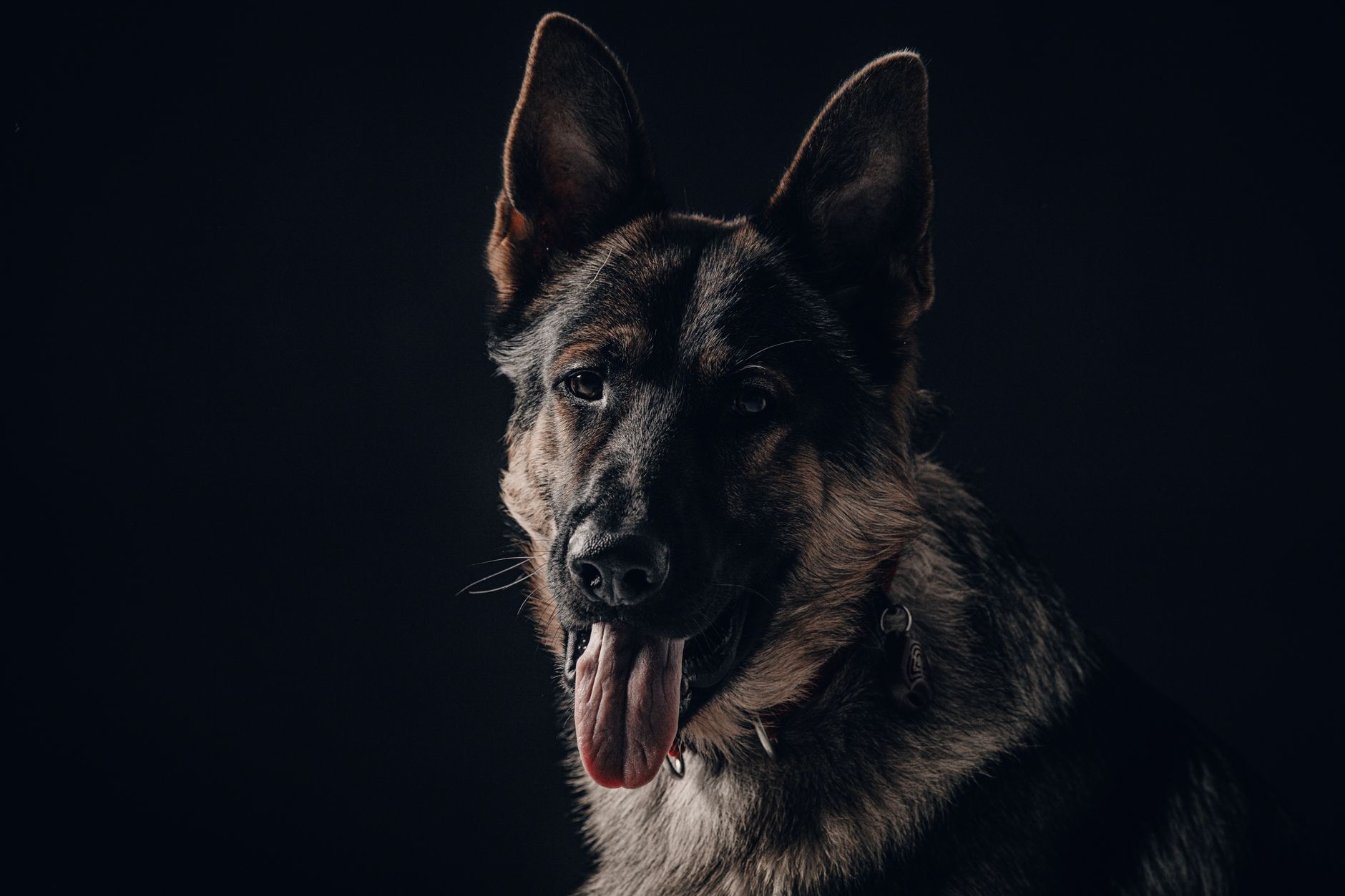
3. The German Shepherd Dog (The Focused Protector)
German Shepherds are the backbone of police, military, and search-and-rescue units worldwide for good reason. They possess a rare combination of physical strength, high intelligence, and unwavering loyalty.
In my practice, I find that a well-trained German Shepherd is one of the most stable and reliable patients I can treat. However, a Shepherd without clear boundaries can become anxious, overprotective, and reactive.
They need a confident leader who uses clear, consistent, and positive training methods. They want to know exactly what is expected of them, and they take their daily household duties very seriously.
- Prioritize heavy socialization during the critical window between 8 and 16 weeks of age.
- Teach a bulletproof ‘place’ command to help them manage their natural guarding instincts.
- Provide high-quality chew toys to satisfy their strong working jaws.
- Avoid fear-based training methods, which can trigger defensive aggression in this powerful breed.
4. The Golden Retriever (The Ultimate Crowd-Pleaser)
There is a reason the Golden Retriever is a constant favorite among service dog organizations. They combine high intelligence with a gentle, forgiving nature and an intense desire to please.
Unlike some of the more intense working breeds, Goldens are highly tolerant of human training mistakes. If you mess up a cue, they will simply wag their tails and try again without getting frustrated.
In the clinic, they are typically social butterflies. This friendly disposition makes training them for public spaces remarkably straightforward, provided you teach them not to greet every single person they see.
PETSTA Treat-Dispensing Dog Puzzle Toy
- ✓Spin, slide and seek-and-hide games
- ✓Squeak button in the middle
- ✓Mental enrichment for bored dogs
- Food puzzles turn mealtime into a brain game, burning mental energy in clever, easily bored pets
- Practice loose-leash walking early to manage their physical strength as they grow.
- Use their natural retrieving instinct as a highly rewarding game during obedience training.
- Train a solid ‘drop it’ command early to manage their tendency to carry items in their mouths.
- Keep training treats healthy, as this breed is highly prone to weight gain and joint issues.

5. The Doberman Pinscher (The Alert Guardian)
Dobermans are incredibly quick learners who thrive on structure and close human companionship. They are often referred to as ‘Velcro dogs’ because they prefer to remain glued to their owner’s side.
I often see Dobermans excel in competitive obedience and protection sports. Their intelligence is highly analytical, meaning they assess situations rapidly and look to their handlers for guidance.
Because they are large, muscular, and powerful, early training is vital. A Doberman that respects boundaries is a magnificent, gentle companion, while an untrained one can be a massive handful in a household.
The Power of Positive Reinforcement
Despite their tough and imposing exterior, Dobermans are highly sensitive dogs. Hard physical corrections can cause them to shut down or become fearful, so I always recommend gentle, reward-based methods for this breed.

6. The Shetland Sheepdog (The Attentive Scholar)
The Shetland Sheepdog, or Sheltie, looks like a miniature Rough Collie and possesses an equally impressive intellect. They are intensely devoted to their families and are highly vocal by nature.
In my clinical experience, Shelties are exceptionally responsive to vocal tones. A simple change in your pitch is often enough to correct an unwanted behavior or offer high praise.
They learn new tricks with ease and frequently dominate agility trials across the country. Their small size makes them highly manageable, but their active minds still require daily stimulation to prevent nuisance barking.
- Train a ‘quiet’ command early to manage their natural herding-related barking.
- Engage them in agility courses, even simple DIY ones built in your backyard.
- Provide plenty of early socialization to prevent them from becoming overly shy or timid.
- Use high-value, small treats to keep them focused during fast-paced training sessions.

7. The Labrador Retriever (The Enthusiastic Partner)
Labradors are the gold standard of canine versatility, excelling as family pets, therapy dogs, and hunting companions. Their intelligence is paired with an unparalleled enthusiasm for life and food.
In my years treating Labs, I have found that food is almost always the key to their hearts and minds. They will happily perform complex tasks for a single piece of standard kibble.
This extreme food motivation makes them incredibly easy to train. However, owners must monitor their daily caloric intake carefully to prevent orthopedic issues related to rapid weight gain.
- Use a portion of their daily kibble meals for training sessions instead of adding extra treats.
- Teach calm behavior around the food bowl and feeding areas from day one.
- Incorporate water retrieval to burn off their abundant puppy energy safely.
- Introduce crate training early to prevent destructive chewing during their prolonged puppy phase.
8. The Papillon (The Pint-Sized Genius)
Do not let their delicate, butterfly-like ears and tiny stature fool you; Papillons are toy-group titans of intelligence. They consistently rank as the smartest of the small toy breeds.
In my practice, I often see owners treat Papillons like helpless lapdogs, which is a major disservice to their active minds. They are actually tiny athletes who love to learn complex tricks and complete obstacle courses.
They are highly biddable and possess a sunny, outgoing disposition. Training them is incredibly fun because they bring immense enthusiasm and speed to every single session.
- Treat them like a big dog when training to avoid the development of ‘Small Dog Syndrome.’
- Use microscopic treats to prevent overfeeding this tiny, lightweight breed.
- Keep them mentally active with miniature puzzle toys designed for small mouths.
- Ensure they are thoroughly socialized to larger dogs in a safe, controlled environment.
9. The Reality of Training High-Intelligence Breeds
As a veterinarian, I must emphasize that a smart dog is not necessarily a ‘low-maintenance’ dog. In fact, the opposite is often true in a busy household.
When highly intelligent breeds do not get enough mental stimulation, they become creative. They will find jobs of their own, which usually involve chewing your baseboards, digging up your flower beds, or learning how to open the pantry doors.
I frequently treat self-induced injuries, anxiety-related conditions, and stress colitis in bored, smart dogs. True success with these breeds requires a lifelong commitment to daily mental enrichment and structured play.
- Ditch the standard food bowl and feed all meals through enrichment toys or training sessions.
- Rotate their toys weekly to keep their environment novel and stimulating.
- Spend 10 to 15 minutes daily on active trick training to tire their brains.
- Look out for excessive licking, pacing, or whining as common clinical signs of mental frustration.
-
Calming Chews for Dogs with Melatonin, 200 CountCalming chews help take the edge off stressful moments like storms, fireworks and car rides
-
TKENPRO 2K Pet Camera with Treat DispenserLets you check in, talk to your pet and spot problems while you’re out
-
Veken 95oz Pet Water FountainMoving, filtered water encourages pets to drink more, which supports kidney and urinary health
Related Dog Guides
Frequently Asked Questions
Are smart dogs actually harder to raise for first-time owners?
Yes, they can be. While they learn commands quickly, they also learn how to manipulate situations, find hidden treats, and exploit inconsistent boundaries. Without structured mental stimulation, their boredom often manifests as severe destructive behavior.
What is biddability, and why does it matter so much in dog training?
Biddability is a dog’s willingness to listen to, cooperate with, and please their human handler. A breed can be highly intelligent but have low biddability (like many hounds or spitz breeds), making them independent thinkers who are much harder to train.
How much daily exercise do these highly intelligent breeds actually need?
Most highly intelligent breeds need at least 60 to 90 minutes of physical exercise daily, paired with active mental enrichment. Simply walking them on a flat collar and leash is rarely enough; they need activities that engage their working instincts.
Can a smart dog be left alone at home for long periods during the day?
Generally, no. Highly intelligent dogs are highly prone to separation anxiety and destructive habits when left alone for more than 4 to 6 hours. If you work long hours, you must provide interactive puzzle toys or consider a professional dog walker.
Is it true that mixed breeds can be just as smart and easy to train?
Absolutely. Many mixed-breed dogs, especially those with herding, retrieving, or working dog ancestry, display incredible intelligence and biddability. Focus on the individual dog’s personality, focus, and food motivation during your training sessions.
What is the absolute best age to start training a smart puppy?
You should start training a puppy the day you bring them home, typically around 8 weeks of age. Early positive reinforcement, gentle boundary-setting, and positive socialization prevent bad habits from taking root in their fast-developing brains.
Sources & Further Reading
Final Thoughts
In my years as a veterinarian, I have watched hundreds of owners build beautiful, lifelong bonds with their dogs through the power of structured training. Choosing one of these intelligent, biddable breeds is a fantastic head start, but remember that the real magic lies in your daily commitment to them.
A smart dog is a lifetime investment in mental enrichment, active play, and consistent household boundaries. When you meet their cognitive needs, they will reward you with a level of partnership and companionship that is truly extraordinary.
Focus on positive reinforcement, keep your training sessions fun, and enjoy the incredible journey of working with a brilliant canine mind.