
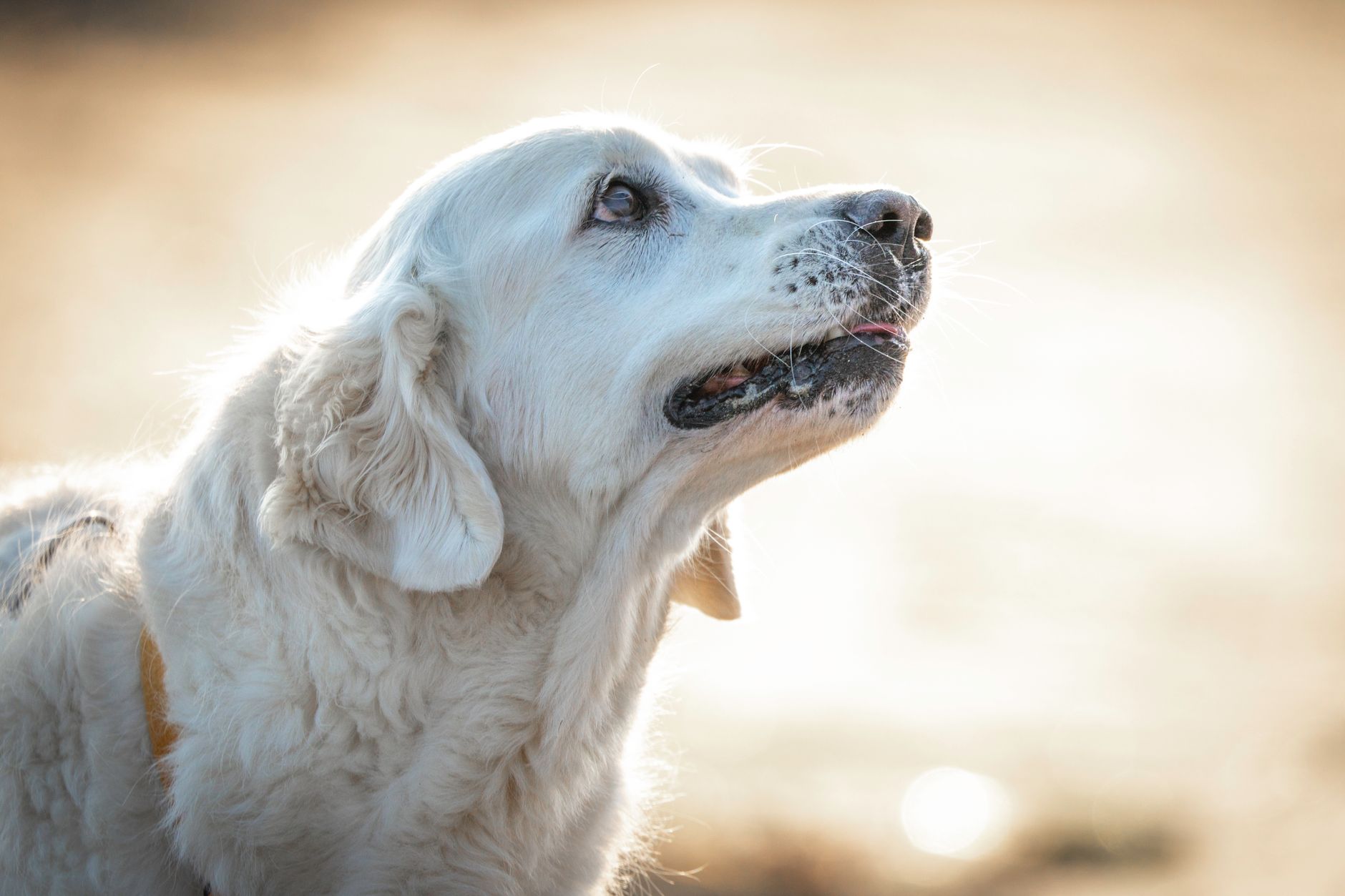
Quick Summary
Choosing the right dog breed during retirement can significantly improve your physical and emotional well-being. The best breeds for seniors are typically low-maintenance, physically manageable, and highly companionable, such as the Cavalier King Charles Spaniel, Bichon Frise, or even the retired Greyhound. As a veterinarian, I recommend evaluating your current mobility, grooming budget, and long-term support network before bringing a new pet into your home.
In my clinic, I regularly witness the incredible, healing power of the human-animal bond, especially among my retired clients. A dog provides structure, companionship, and a powerful reason to get outside and walk every single day.
However, matching your physical capabilities and lifestyle with the right canine breed is absolutely critical. I have seen too many heartbreaking situations where an energetic or overly strong breed accidentally injured a well-meaning senior owner.
Let’s walk through the absolute best dog breeds for retirees, looking at their health, temperament, and practical veterinary needs.
Key Takeaways
- Select a breed whose size you can physically control on a leash, ideally under 20 to 25 pounds, to prevent fall risks.
- Evaluate grooming demands, as some breeds require professional grooming every four to six weeks, which impacts your retirement budget.
- Do not overlook retired racing Greyhounds, who are incredibly calm, low-maintenance, and make excellent ‘couch potato’ companions.
- Consider the lifetime health risks of your chosen breed, such as heart disease in Cavaliers or back issues in short-legged Corgis.
- Adopt an adult or senior dog rather than a puppy to bypass the intense, physically demanding training and teething phases.
- Establish a formal pet guardianship plan early so your dog is fully protected if your health needs change.
In This Article
- 1. The Cavalier King Charles Spaniel: The Ultimate Loving Companion
- bulldog-low-endurance-high-charm-companion”>2. The French Bulldog: Low-Endurance, High-Charm Companion
- 3. The Pembroke Welsh Corgi: For the Active, Outdoor Retiree
- 4. The Bichon Frise: The Low-Allergen Powder Puff
- 5. The Miniature Schnauzer: The Spunky and Alert Protector
- 6. The Greyhound: The Surprising Giant Couch Potato
- 7. The Shih Tzu: The Classic, Easygoing Companion
- 8. Key Vet-Backed Considerations Before You Adopt
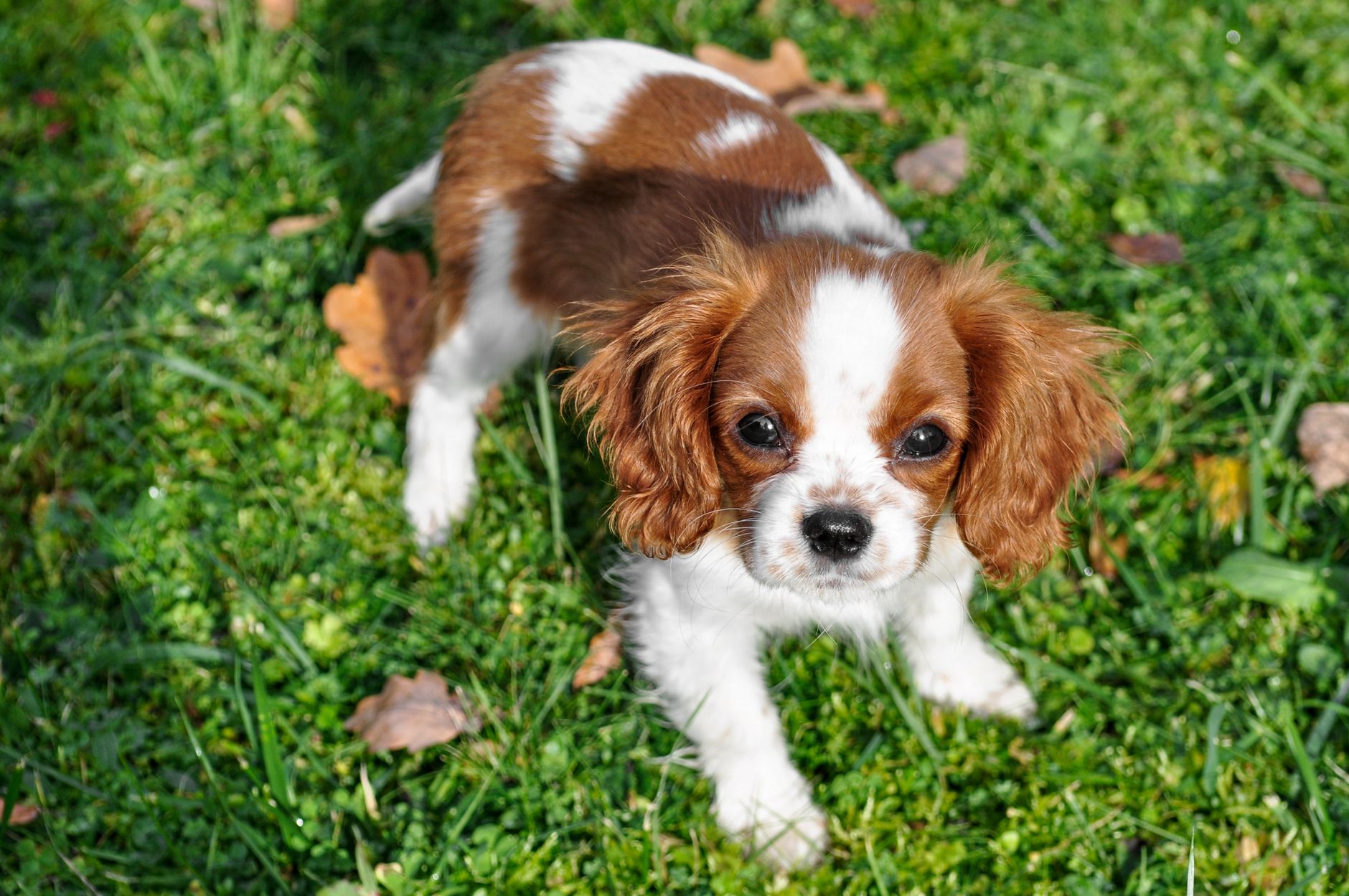
1. The Cavalier King Charles Spaniel: The Ultimate Loving Companion
In my years treating dogs, the Cavalier King Charles Spaniel stands out as the most naturally empathetic companion breed. They seem to possess an intuitive radar for their owner’s emotions, offering quiet snugs exactly when you need them most.
Weighing between 13 to 18 pounds, they are incredibly easy to handle on walks or to lift into the car for veterinary visits. They are highly adaptable and do beautifully in smaller condos or apartments.
- Naturally affectionate and eager to cuddle on your lap
- Moderate exercise needs that are easily satisfied with a short daily stroll
- Highly social and polite with visitors and other neighborhood pets
- Quiet demeanor that rarely results in nuisance barking
Mitral Valve Disease (MVD) Risk
As a vet, I must caution you that Cavaliers are highly prone to heart murmurs and MVD as they age. Annual veterinary cardiac screenings are essential to catch and manage this condition early.
Grooming and Ear Care
Their silky coats require brushing at least three times a week to prevent painful mats. Additionally, their long, floppy ears are prone to moisture trapment, making regular cleanings a must.
2. The French Bulldog: Low-Endurance, High-Charm Companion
For retirees who want a sturdy dog but do not want to spend hours grooming or walking, the French Bulldog is a fantastic candidate. They are hilarious, expressive little clowns who are content to sleep for most of the day.
Because of their muscular, low-slung build, they are highly stable on their feet. This means they are far less likely to trip you or pull you off-balance than a taller, more hyperactive breed.
- Very low grooming needs due to their short, smooth coat
- Rarely bark, making them excellent for quiet retirement communities
- Thrive on short, low-energy walks of 10 to 15 minutes
- Extremely loyal and content to stay close to your side
Brachycephalic Airway Syndrome
Because of their flat faces, French Bulldogs cannot tolerate high heat or humidity. I always advise my senior clients to keep the air conditioning running and avoid walking them during midday heat.
Spine and Joint Health
They are prone to spinal issues like Intervertebral Disc Disease (IVDD). I recommend utilizing small pet ramps to help them access couches or beds safely.

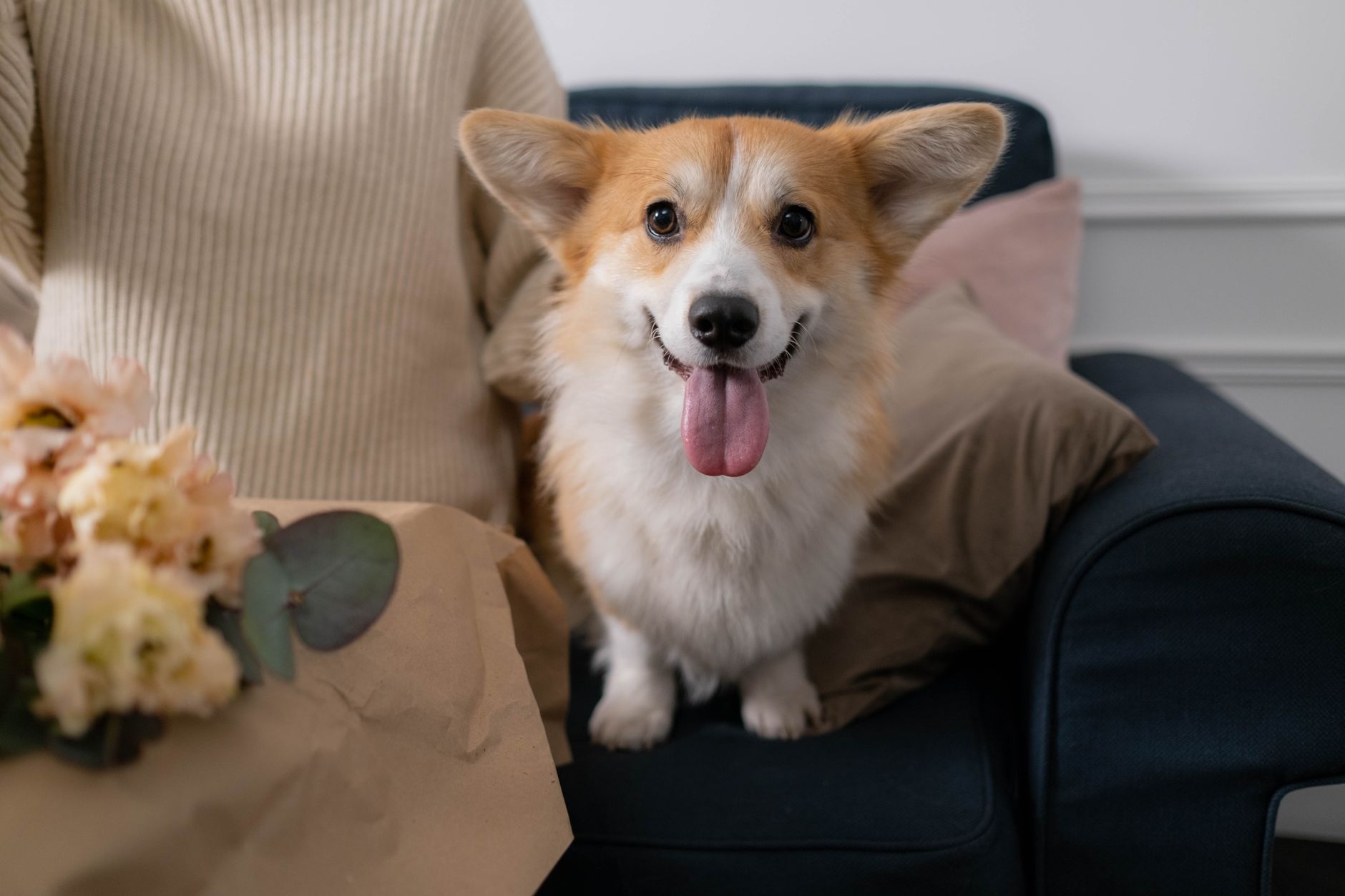
3. The Pembroke Welsh Corgi: For the Active, Outdoor Retiree
If your retirement involves daily gardening, hiking, and staying highly active, the Pembroke Welsh Corgi is your perfect partner. They possess the intelligence and focus of a herding dog but in a much more compact package.
They are incredibly smart, which makes them a joy to train. However, they do require mental stimulation to keep them from getting bored and finding trouble.
- Alert and watchful companions who will notify you of visitors
- Sturdy, athletic build that can handle longer nature walks
- Highly intelligent and quick to learn house rules
- Loyal herding instincts that make them very family-oriented
Spinal Care
Their long backs make them highly vulnerable to back strain. You must discourage them from jumping off high surfaces to protect their delicate spinal columns.
Shedding and Coat Care
Corgis have a dense double coat that sheds heavily twice a year. Frequent brushing is required to keep loose fur under control in your home.
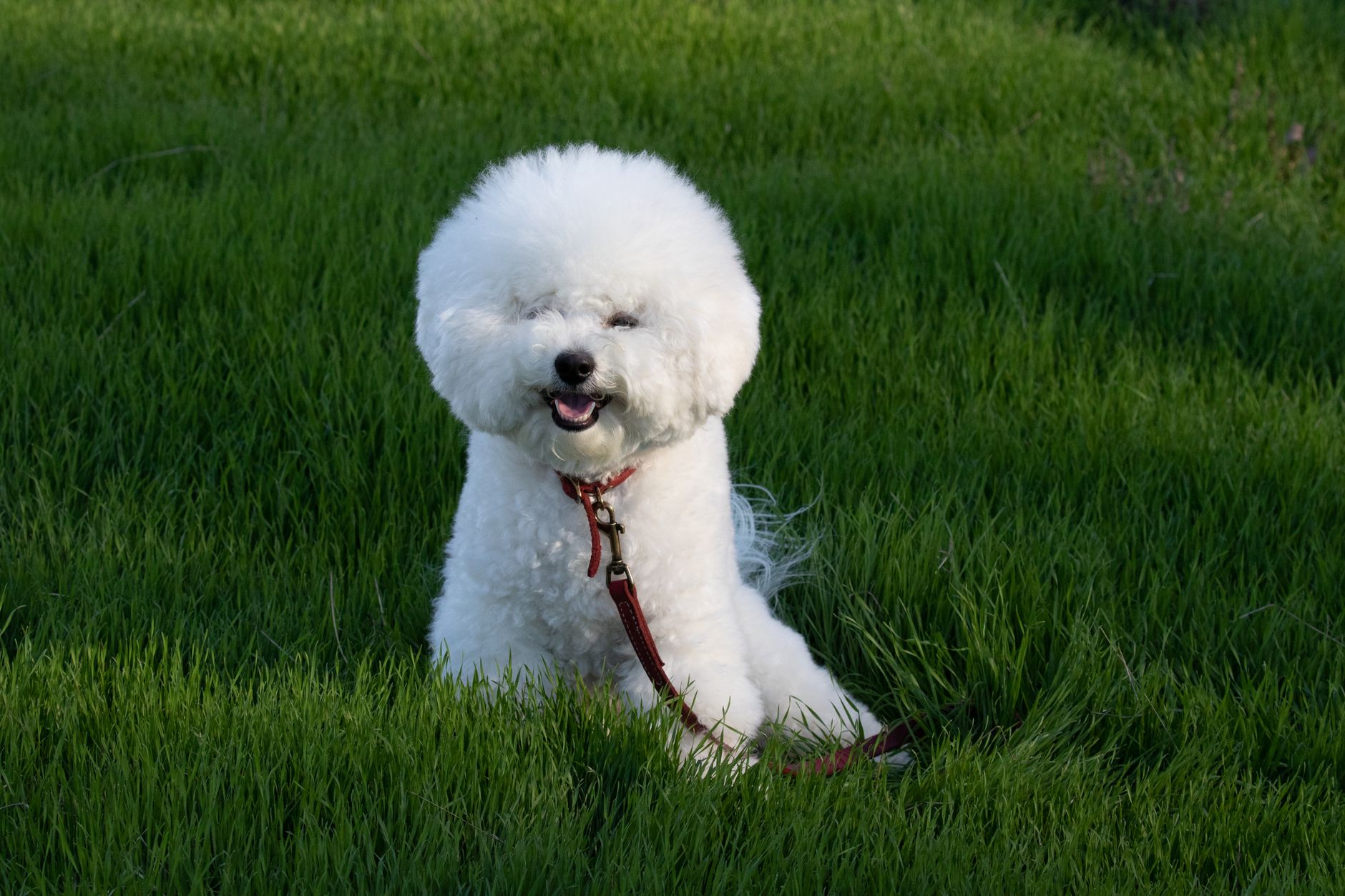
4. The Bichon Frise: The Low-Allergen Powder Puff
If you struggle with mild allergies or pride yourself on a clean home, the Bichon Frise is an absolute gem. These cheerful, bright little dogs are hypoallergenic, meaning they shed virtually no fur.
In my practice, I find that Bichons are incredibly resilient and joyful. They maintain a happy-go-lucky attitude well into their senior years, which can be a wonderful mood booster.
- Hypoallergenic coat that does not shed on furniture or clothing
- Extremely friendly and gentle with grandchildren and visitors
- Lightweight frame (10 to 18 pounds) that is easy to lift and carry
- Very adaptable to both apartments and larger homes
Grooming Maintenance
Though they do not shed, their hair grows continuously. You must plan and budget for professional grooming every 4 to 6 weeks to prevent painful mats.
Dental Health Focus
Like many toy breeds, Bichons are prone to severe periodontal disease. Daily teeth brushing and annual professional cleanings are essential to prevent tooth loss.
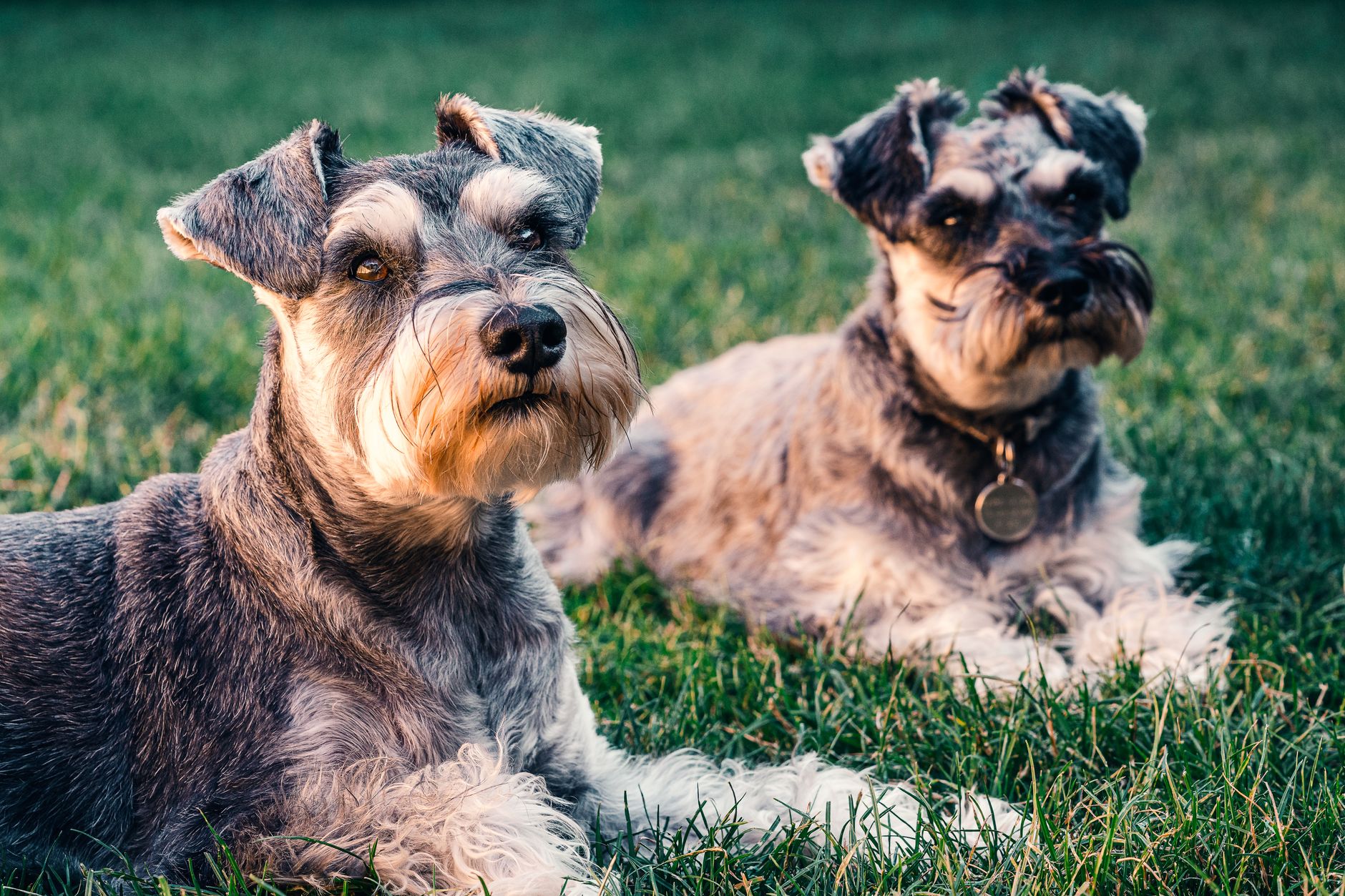
5. The Miniature Schnauzer: The Spunky and Alert Protector
The Miniature Schnauzer is a robust, spirited dog that brings a wonderful energy to a home. They are incredibly devoted to their owners and have a natural watchdog instinct without being overly aggressive.
They have a highly adaptable energy level. They are happy to go on a spirited morning walk but will happily curl up at your feet while you read the afternoon paper.
- Low-shedding coat that is highly tolerated by allergy sufferers
- Very alert watchdogs that provide a great sense of security
- Sturdy enough to play safely with active grandchildren
- Highly responsive to positive reinforcement training
Hyperlipidemia and Pancreatitis
This breed is genetically prone to high blood fat levels and pancreatitis. I always instruct my clients to never feed them fatty table scraps and to stick to a high-quality, low-fat diet.
6. The Greyhound: The Surprising Giant Couch Potato
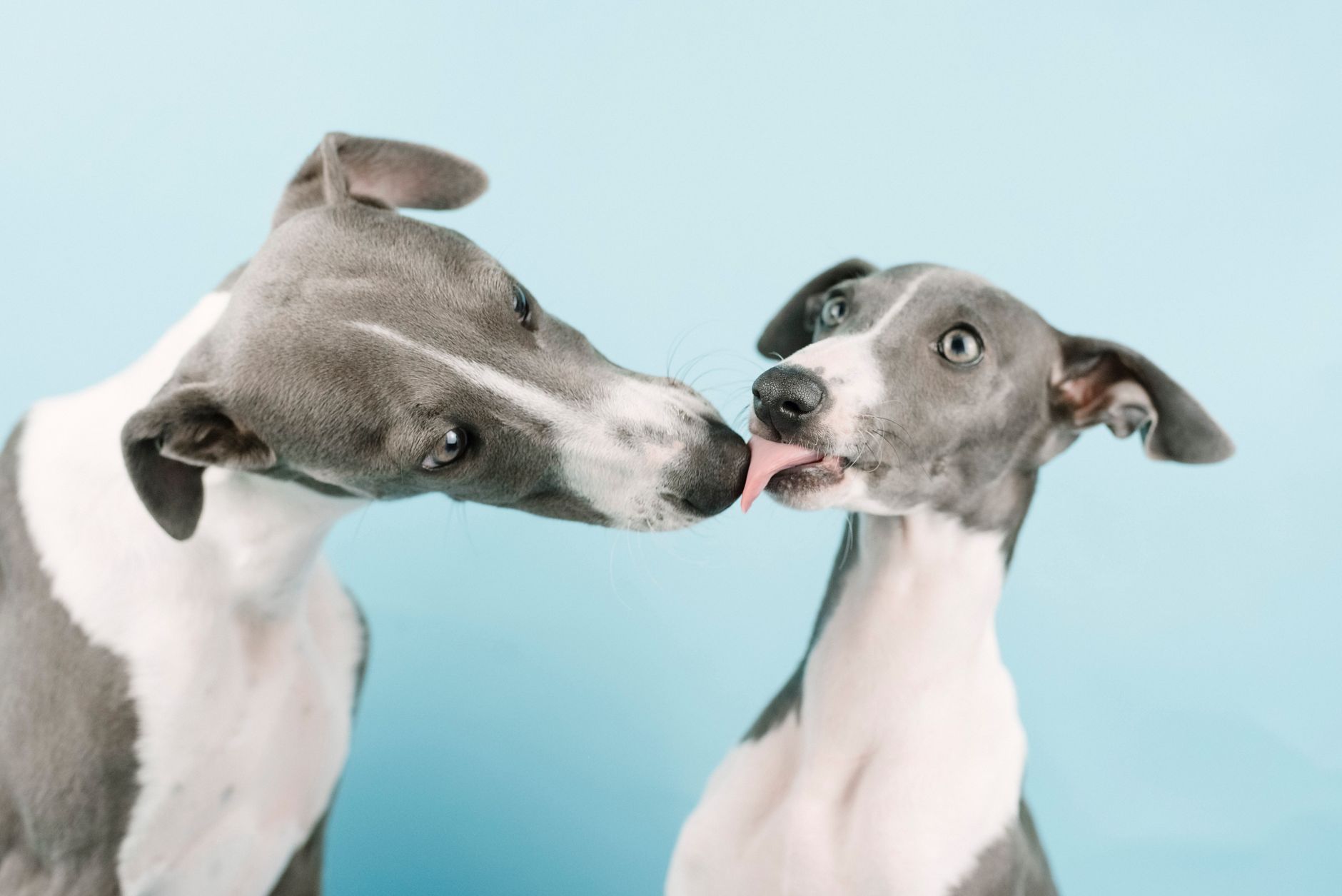
Many seniors are shocked when I suggest a Greyhound, but retired racers make some of the best senior pets on the planet. They are quiet, incredibly polite, and prefer sleeping on a soft bed to running.
They do not require endless running to stay healthy. A standard, leisurely daily walk is plenty to keep them content, after which they will happily sleep for hours.
- Very quiet dogs that rarely bark, whine, or make noise
- Short, odorless coat that is exceptionally easy to maintain
- Gentle, sensitive temperament that fits well in a quiet household
- Tall height means you do not have to bend down to pet them or clip their leash
Thin Skin and Sensitivity to Cold
Greyhounds have paper-thin skin and very little body fat. They require a sweater or coat during cold weather and must have highly padded, supportive dog beds.
Leash Safety
Due to their high prey drive, they must never be let off-leash in unfenced areas. They can spot a rabbit and bolt before you realize what is happening.
7. The Shih Tzu: The Classic, Easygoing Companion
The Shih Tzu was bred for centuries for the sole purpose of being a beloved companion dog. This legacy is clear in their gentle, affectionate, and trusting nature.
They require very little physical exercise to remain healthy and happy. They are completely satisfied with short indoor play sessions and sniffing around the yard.
- Exceedingly friendly with other pets, strangers, and children
- Very low exercise requirements, making them ideal for limited mobility
- Compact size (9 to 16 pounds) makes traveling together effortless
- Highly content to spend the day sitting right next to you
Eye and Facial Care
Their large, prominent eyes are highly vulnerable to corneal scratches and dryness. Daily face wiping and keeping their hair trimmed away from their eyes is crucial.
8. Key Vet-Backed Considerations Before You Adopt
Before bringing any dog home, it is vital to evaluate your personal physical boundaries and financial setup. A pet is a major commitment that requires a realistic, long-term plan.
I always encourage my senior clients to look at adult or senior dogs rather than young puppies. Puppies require intensive physical labor, frequent nighttime potty breaks, and training that can easily overwhelm an owner.
- Physical strength: Ensure you can safely lift the dog in an emergency.
- Finances: Budget for veterinary emergencies, chronic medications, and grooming.
- Support network: Establish a family member or friend who can step in if you are hospitalized.
- Home safety: Eliminate tripping hazards like loose dog toys and long leashes.
Frequently Asked Questions
Is a puppy or an adult dog better for a senior retiree?
In almost all cases, an adult or senior dog is much better for retirees. Puppies require intense physical training, high-energy exercise, and constant supervision, whereas older dogs are already house-trained and have calm, predictable temperaments.
How do I manage the cost of vet care on a fixed retirement income?
I highly recommend securing pet insurance as soon as you adopt your dog to protect against unexpected surgical or medical bills. Alternatively, you can set up a dedicated pet savings account or look for local clinics that offer senior citizen discounts.
What should I do with my dog if I have a medical emergency?
Before adopting, you should establish a formal emergency care plan with a trusted friend, family member, or professional boarding facility. Keep a card in your wallet and a sign on your fridge detailing who to contact to care for your dog.
Are small dogs always the safest option for seniors?
While small dogs are easier to physically control and lift, they can sometimes present a tripping hazard because they easily get underfoot. Larger, calm dogs like retired Greyhounds can occasionally be safer for those with balance issues as they are easier to see.
How often do hypoallergenic breeds need to be groomed?
Breeds like the Bichon Frise or Miniature Schnauzer require professional grooming every four to six weeks. Skipping these appointments can lead to painful skin matting, ear infections, and severe discomfort for your pet.
Sources & Further Reading
Final Thoughts
Welcoming a dog into your retirement can be one of the most rewarding and joyful decisions of your life. By choosing a breed that matches your mobility, energy levels, and financial comfort, you ensure a peaceful and mutually beneficial relationship.
Always remember to prioritize regular veterinary care, keep up with joint and dental maintenance, and enjoy the wonderful companionship your new best friend provides. If you are ever in doubt, reach out to your local vet to help you evaluate a specific dog before making your final decision.