

Quick Summary
As a veterinarian, I highly recommend breeds like the Siberian Husky, Alaskan Malamute, and Bernese Mountain Dog for cold-weather climates due to their specialized double coats and cold-hardy circulatory systems. However, owning these breeds in winter requires proactive clinical care, including specialized paw maintenance, joint protection, and precise metabolic monitoring. Understanding their physiological adaptations is key to keeping these majestic dogs safe and healthy in sub-zero temperatures.
As a veterinarian practicing in a region where winters are harsh and unforgiving, I often have clients ask me which dog breeds actually thrive in the snow. Too often, people mistake a dog’s enthusiasm for the cold with actual physiological safety.
In my clinic, I frequently treat avoidable cold-weather injuries in breeds that simply are not built for freezing temperatures. Selecting a cold-weather companion requires looking beyond a fluffy coat to understand their metabolic adaptations, paw anatomy, and circulatory systems.
Today, I want to share the six dog breeds I highly recommend for cold climates, along with the clinical realities of keeping them safe.
Key Takeaways
- Cold-weather breeds possess specialized double coats consisting of a dense undercoat and protective guard hairs.
- Breeds built for snow have anatomical adaptations like snowshoe-like paws and counter-current heat exchange in their limbs.
- Even cold-tolerant breeds are susceptible to winter hazards like ice melt chemical toxicity, frostbite on extremities, and dehydration.
- A dog’s caloric needs can increase by up to 15 to 25 percent during winter to maintain core body temperature.
- Grooming is a critical safety measure; a matted double coat loses its insulating properties completely.
- Never assume a cold-hardy breed can live outdoors full-time without proper shelter and veterinary monitoring.
In This Article
- 1. The Siberian Husky
- 2. The Alaskan Malamute
- 3. The Bernese Mountain Dog
- 4. The Great Pyrenees
- newfoundland“>5. The Newfoundland
- samoyed“>6. The Samoyed
1. The Siberian Husky
In my practice, the Siberian Husky is the quintessential winter warrior. These dogs possess a highly specialized double coat that acts as a natural thermos, keeping heat in and moisture out.
Their physiological adaptation to cold is nothing short of miraculous, particularly their ability to alter their metabolism to prevent muscle fatigue. However, many owners do not realize that their intense drive to run can lead to hidden cold-weather injuries.
In my clinic, I frequently see Huskies with hidden pad lacerations from running over jagged ice crusts. Their dense undercoat also means they can easily overheat if they are highly active inside overheated homes.
- Inspect paw pads daily for micro-fissures and ice balls.
- Use a high-quality paw wax or booties if running on packed snow.
- Never shave their coat, as this permanently destroys their natural thermoregulation.
- Monitor for zinc-responsive dermatosis, a common breed-specific skin condition that worsens in winter.
Understanding the Husky Metabolism
Huskies can regulate their metabolic rate to conserve glycogen reserves, a trait studied extensively by veterinary researchers. In winter, they may require highly caloric-dense diets if they are working dogs, but companion Huskies must have their portions managed closely to avoid obesity.

2. The Alaskan Malamute
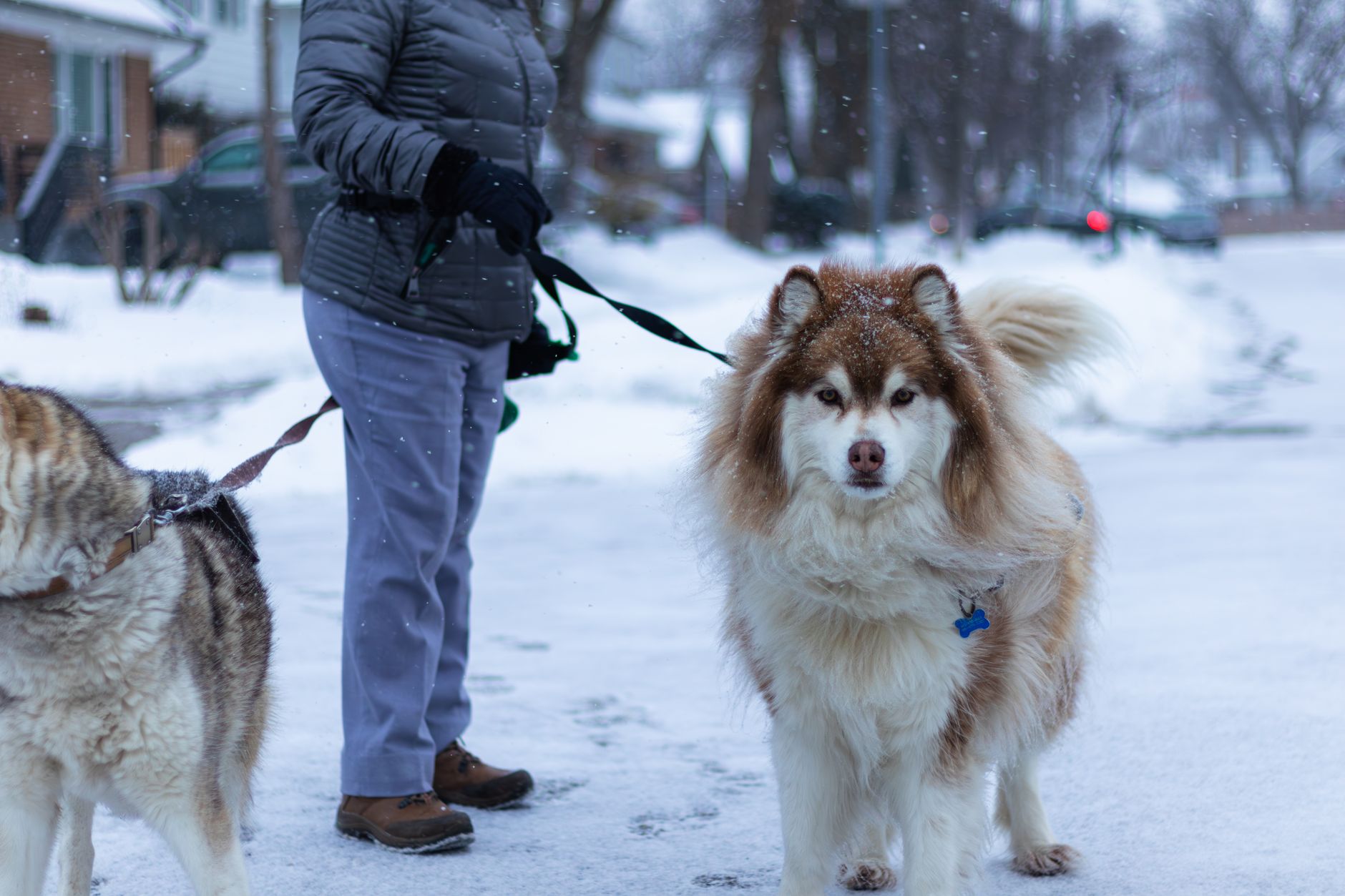
Often confused with the Husky, the Alaskan Malamute is a much heavier, more powerful breed built for pulling heavy freight over long distances. From a veterinary perspective, their sheer mass and thick bone structure help them conserve core heat far better than smaller, leaner breeds.
Their coat is incredibly dense, with a coarse outer guard hair layer that is virtually impervious to wind and rain. Because Malamutes are so heavy, their joints bear a massive load, especially when traversing uneven, icy terrain.
In my years treating this breed, I emphasize joint support starting early in life. Cold weather can exacerbate underlying osteoarthritis, making proper conditioning and joint supplementation critical.
- Provide orthopedic bedding elevated off cold floors to protect large joints.
- Maintain a strict weight management protocol to minimize joint stress.
- Supplement with veterinary-grade Omega-3 fatty acids and glucosamine.
- Watch for signs of stiffness or reluctance to climb stairs during cold snaps.
The Malamute Paw Anatomy
Malamutes have compact, webbed feet with thick, tough pads that act as natural snowshoes. Despite this, they are prone to painful ice accumulation between their toes, which can cause limping and skin infections if not cleared immediately.
3. The Bernese Mountain Dog
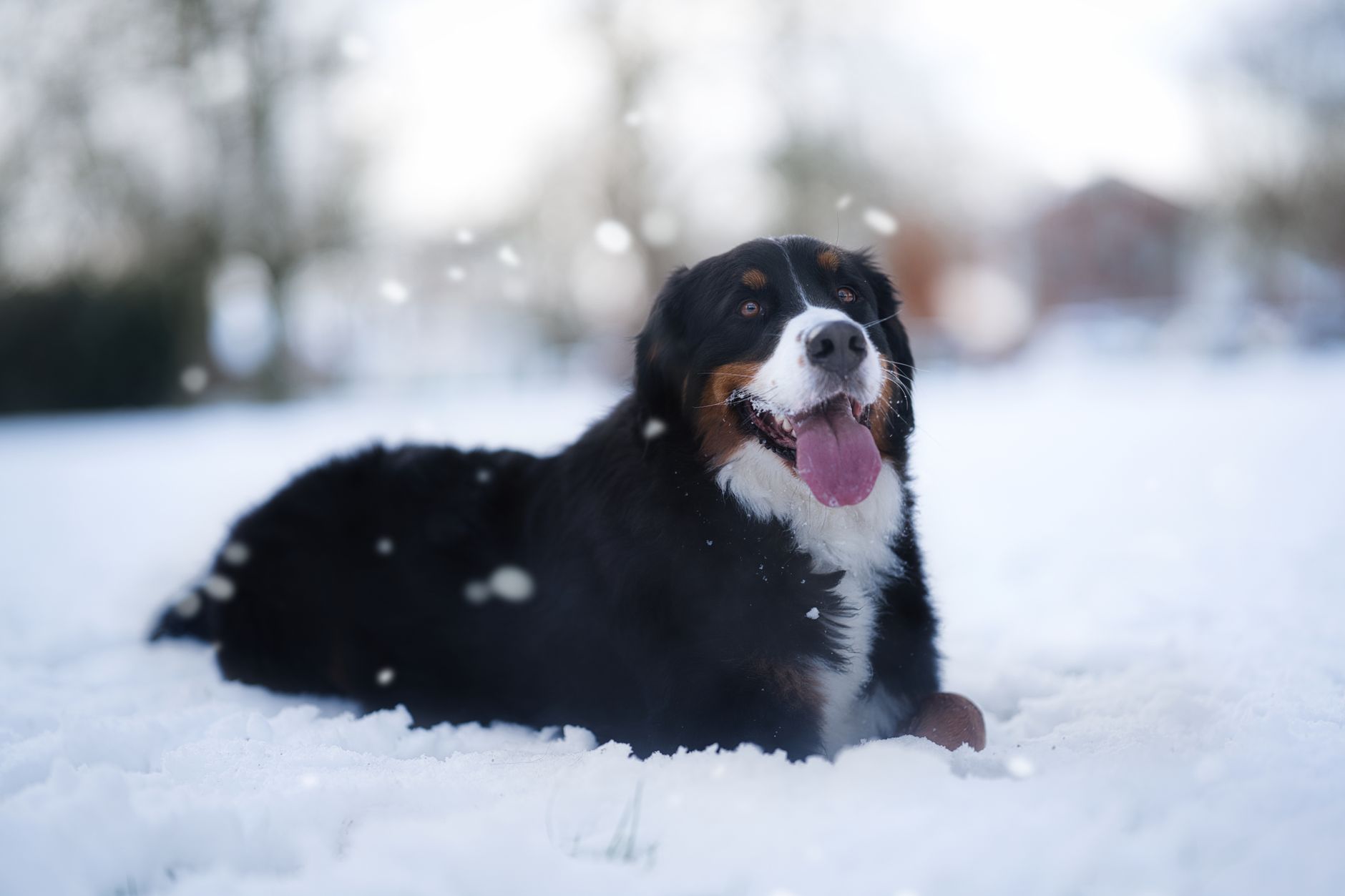
Hailing from the Swiss Alps, the Bernese Mountain Dog is physically and temperamentally suited for snowy peaks. Their jet-black, thick double coat naturally absorbs solar radiation, helping them stay warm on sunny, freezing winter days.
They possess a calm, stoic disposition that makes them wonderful family companions in cold climates. Clinically, however, the Bernese Mountain Dog presents some unique challenges that owners must be aware of.
Their dark coats make them highly susceptible to heat stroke if they overexert themselves in temperatures as low as 60 degrees Fahrenheit. Furthermore, their genetic predisposition to certain cancers and joint issues means their winter exercise must be carefully moderated.
- Limit intense exercise during unseasonably warm winter days.
- Perform regular orthopedic checks to catch early signs of elbow and hip dysplasia.
- Keep winter grooming frequent to prevent mats, which trap moisture against the skin.
- Ensure they have access to cool, shaded areas even during cold, sunny days.
4. The Great Pyrenees
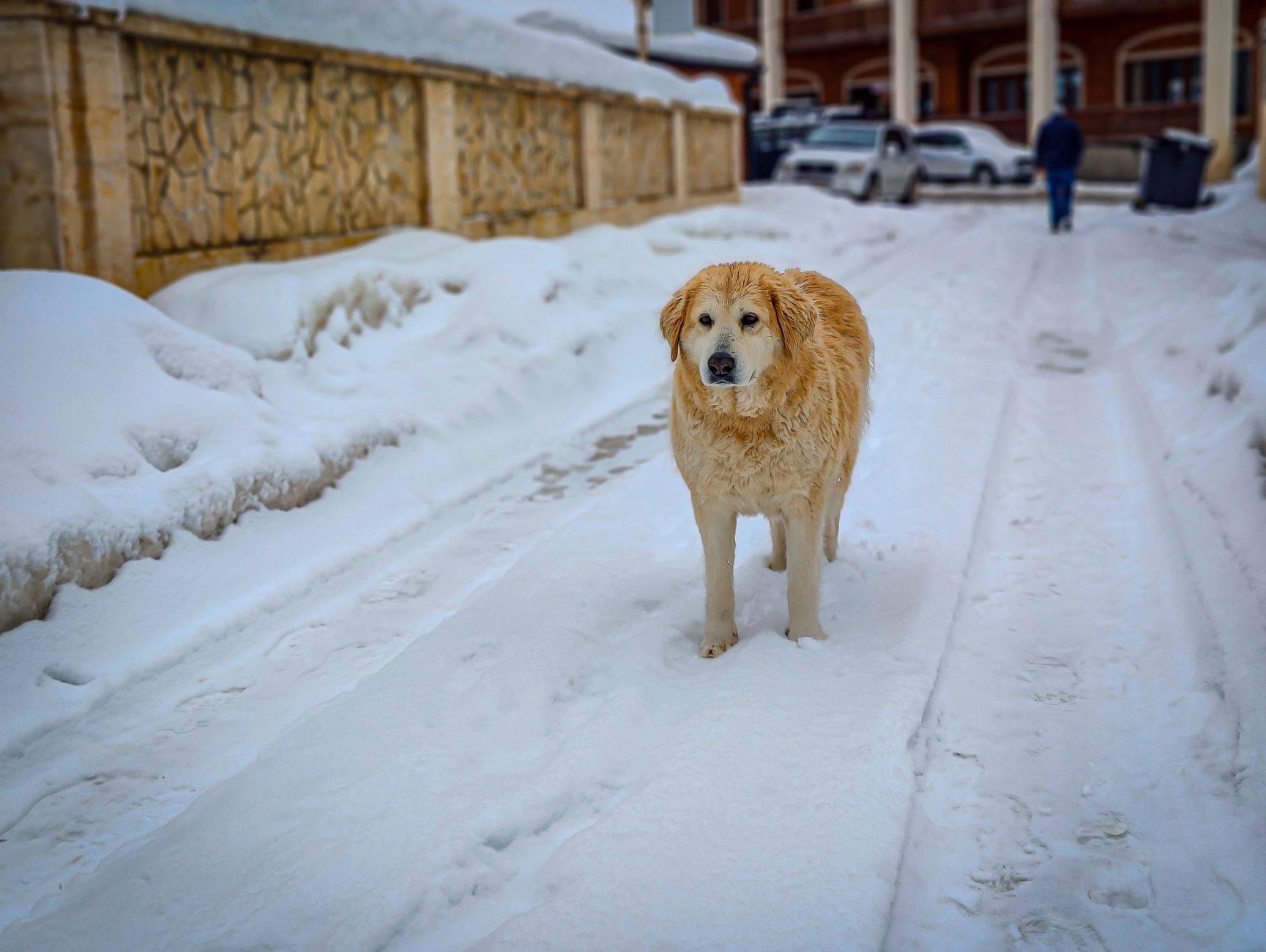
The Great Pyrenees was bred to guard livestock in the freezing Pyrenees Mountains, and their anatomy reflects this demanding job. They possess an incredibly thick, weather-resistant double coat that is famously self-cleaning, shedding dirt and moisture easily.
Their large, majestic frame is designed to withstand sub-zero temperatures for hours while remaining vigilant. In my clinical experience, the primary risk for the Great Pyrenees in winter is neglect due to their perceived invincibility.
Owners often assume these dogs can stay outside indefinitely in extreme blizzards. I always remind my clients that even a Pyrenees can suffer from frostbite on their ears, nose, and scrotum if left without windproof shelter.
- Provide a fully insulated, wind-proof shelter if they spend extended hours outdoors.
- Check their double dewclaws regularly, as they can snag on crusty ice and tear.
- Ensure water bowls are heated so they always have access to liquid, unfrozen water.
- Monitor their skin for hot spots, which can develop under wet, heavy coats.
5. The Newfoundland
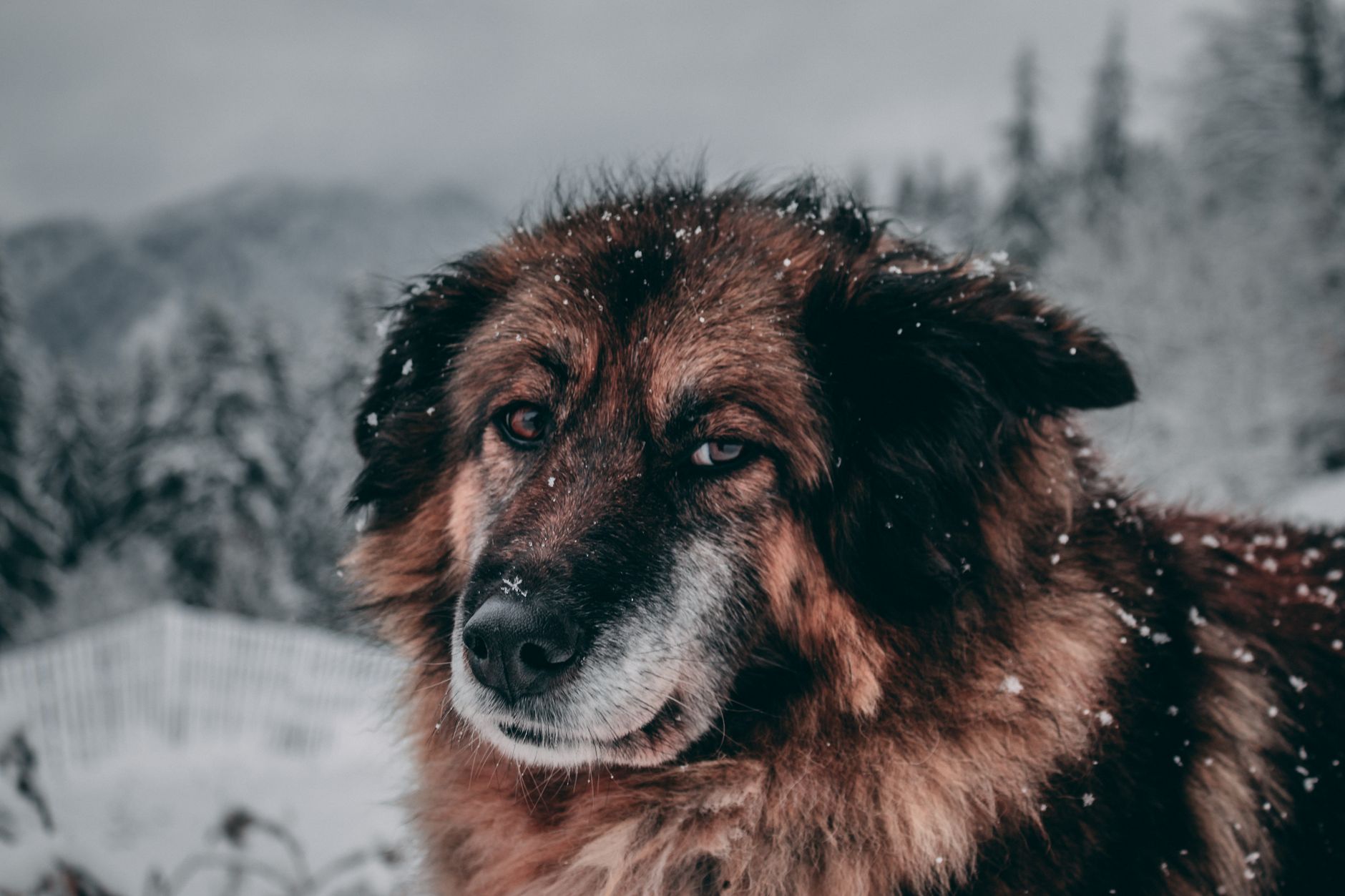
The Newfoundland is a giant breed famous for its life-saving abilities in icy waters. They possess a water-resistant double coat and heavily webbed feet, making them spectacular cold-weather companions.
Their thick layer of subcutaneous fat provides both buoyancy and insulation against freezing water temperatures. However, caring for a Newfoundland in winter requires significant physical effort from the owner.
Their massive coats trap a tremendous amount of snow and ice, which melts indoors and can lead to chronic skin moisture. In my practice, I treat many Newfoundlands for pyotraumatic dermatitis (hot spots) caused by trapped moisture under their heavy winter coats.
- Use a high-velocity dog dryer to dry their undercoat thoroughly after snowy walks.
- Trim the hair on the bottom of their paws flush with the pads to prevent ice ball formation.
- Be vigilant about dilated cardiomyopathy (DCM) screenings, as giant breeds are predisposed.
- Avoid letting them walk on thin ice, as their immense weight can easily cause break-throughs.
Managing Giant Breed Joints in Winter
Newfoundlands can easily slip on ice, leading to devastating cranial cruciate ligament (CCL) tears. I advise owners to salt their walkways with pet-safe ice melt and guide these heavy dogs gently on leashes when traversing slick patches.
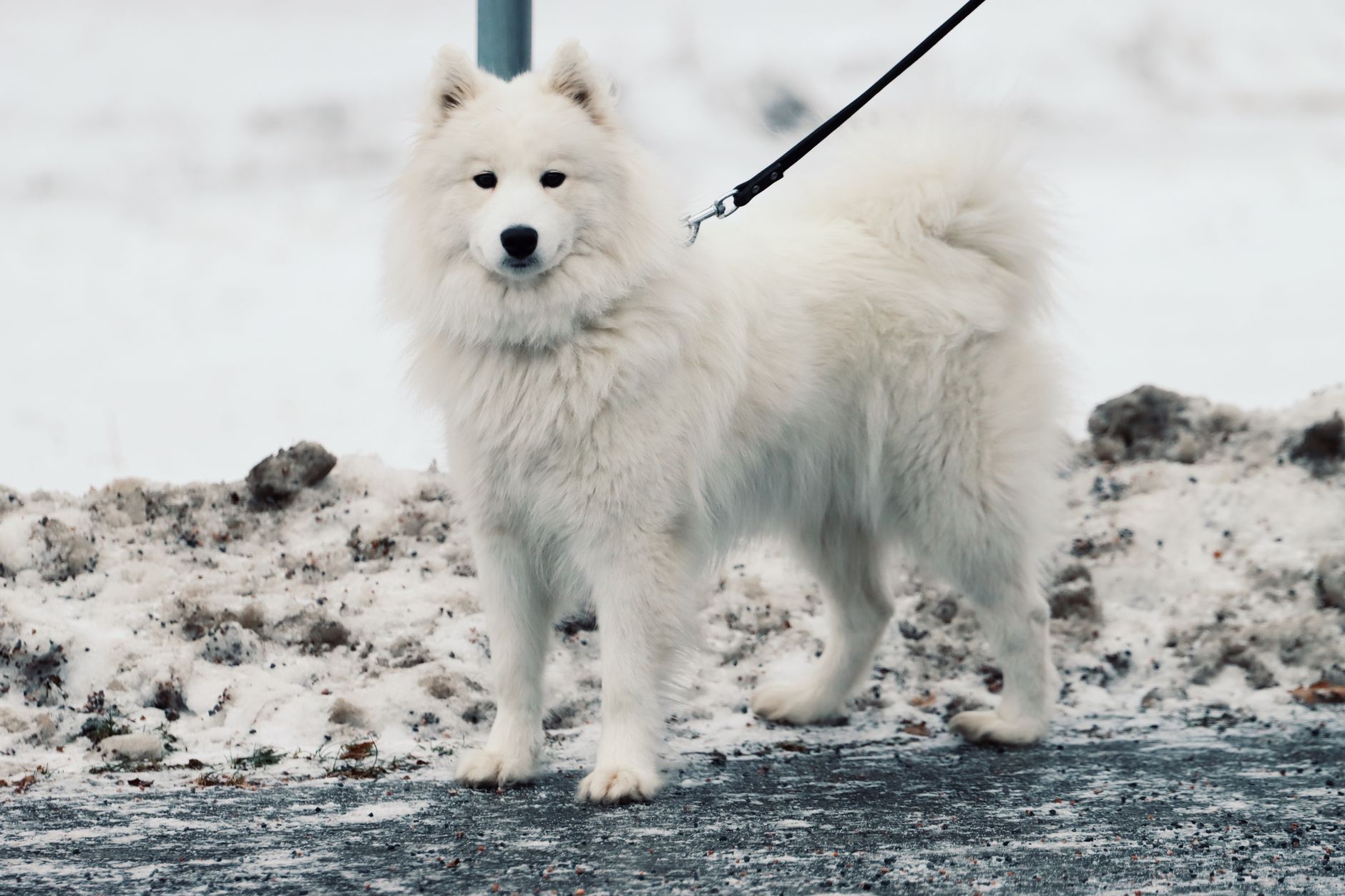
6. The Samoyed
The Samoyed’s famous ‘Samoyed smile’ is actually an evolutionary adaptation to cold. The upturned corners of their mouth prevent drool from dripping and forming icicles on their faces in freezing temperatures.
Originating from Siberia, their glistening white double coat provides supreme insulation against some of the coldest temperatures on earth. From a veterinary standpoint, Samoyeds are generally hardy, but they are prone to specific genetic conditions that cold weather can highlight.
For instance, Samoyed hereditary glomerulopathy can affect kidney function, making proper hydration in winter crucial. Because dogs do not feel as thirsty in the cold, dehydration is a silent but frequent issue I diagnose in these dogs.
- Warm up their drinking water slightly to encourage consistent hydration.
- Clean their white coats using dry shampoo to avoid frequent baths that strip natural oils.
- Protect their sensitive noses from winter sunburn, especially when sun reflects off snow.
- Schedule regular veterinary blood panels to monitor kidney and thyroid function.
Frequently Asked Questions
Do cold-weather dog breeds still need coats or sweaters?
Generally, healthy adult double-coated breeds like Huskies or Malamutes do not need sweaters and can actually overheat in them. However, senior dogs with arthritis or those recovering from illness may benefit from a windproof layer. Always consult your vet to evaluate your specific dog’s clinical health before adding apparel.
How do I protect my cold-weather dog’s paws from salt and chemicals?
Chemical ice melts can cause severe chemical burns and toxicosis if licked off the paws. I advise clients to apply a thick layer of paw wax before walks and thoroughly wash paws with warm water immediately upon returning home. Booties are the gold standard if your dog will tolerate them.
Can double-coated dogs sleep outside during winter nights?
Even the hardiest breeds should not sleep outside in sub-freezing temperatures without professional-grade shelters. Dry, draft-free shelter with insulated bedding (like straw, not blankets which absorb moisture) is mandatory. Ideally, companion dogs should sleep indoors where temperatures are stable.
Why is my dog drinking less water in the winter, and is it dangerous?
Dogs naturally feel less thirsty when it is cold, but dry winter air increases respiratory moisture loss. Dehydration can lead to urinary tract infections and kidney stress. You can encourage drinking by offering warm broth or wetting their food.
How often should I groom my double-coated dog in the winter?
Line brushing should be done at least two to three times a week during the winter. Matting prevents the undercoat from trapping air, which destroys the dog’s ability to self-insulate. Never shave a double coat in winter, as it leaves them completely defenseless against the cold.
Sources & Further Reading
- American Kennel Club (AKC)
- American Veterinary Medical Association (AVMA)
- Merck Veterinary Manual
- PetMD
Final Thoughts
Caring for a cold-weather breed is a deeply rewarding experience, but it comes with unique clinical responsibilities. While these six breeds possess remarkable physiological adaptations to thrive in the snow, they are not immune to the harsh realities of winter.
As their veterinarian, I urge you to look past their majestic appearance and focus on the practical details of their daily care. This means diligent paw care, maintaining a pristine double coat, protecting their joints on slick ice, and monitoring their hydration levels.
By understanding their unique anatomy and clinical needs, you can ensure your winter-loving companion stays safe, healthy, and vibrant all season long. Never hesitate to reach out to your local veterinary clinic to tailor a winter wellness plan specifically for your dog.