
Quick Summary
Selecting the right guard dog requires balancing natural protective instincts with trainability, health management, and owner experience. Dr. Veronica Heller highlights the top seven guardian breeds, emphasizing that proper socialization and veterinary care are vital to ensuring these powerful animals remain safe and effective home protectors.
Throughout my fifteen years in clinical veterinary medicine, clients have routinely walked into my exam rooms asking for breed recommendations that can protect their property while remaining safe, loving family members.
A true guardian dog is not an aggressive, unpredictable animal, but rather a discerning, highly trained partner who knows when to watch and when to relax.
In my practice, I have treated thousands of large working dogs, and I can tell you that the best guard dog breeds require a specific blend of preventative health management, early socialization, and dedicated leadership.
Key Takeaways
- Guardian breeds require early, intensive socialization to help them distinguish between normal human behavior and genuine threats.
- Large and giant breeds come with high veterinary costs, especially regarding joint health, cardiac screenings, and preventative bloat care.
- True guard dogs should never be trained using harsh punishment, which increases the risk of fear-based aggression.
- Breeds like the Belgian Malinois and Giant Schnauzer demand hours of daily physical and mental exercise to prevent severe destructive behaviors.
- Before selecting a guardian breed, ensure your home environment can accommodate their size, physical exercise requirements, and potential vocalizations.
In This Article
- rottweiler-loyal-and-discerning-guardian”>1. The Rottweiler: Loyal and Discerning Guardian
- 2. The German Shepherd Dog: The Ultimate Working Partner
- 3. The Doberman Pinscher: Sleek, Intelligent Protector
- 4. The Bullmastiff: The Silent, Powerful Deterrent
- 5. The Giant Schnauzer: The Energetic and Dominant Guard
- 6. The Belgian Malinois: For Experienced Handlers Only
- 7. The Great Pyrenees: The Independent Livestock Guardian
- Dr. Heller’s Clinical Guide to Guard Dog Health and Safety
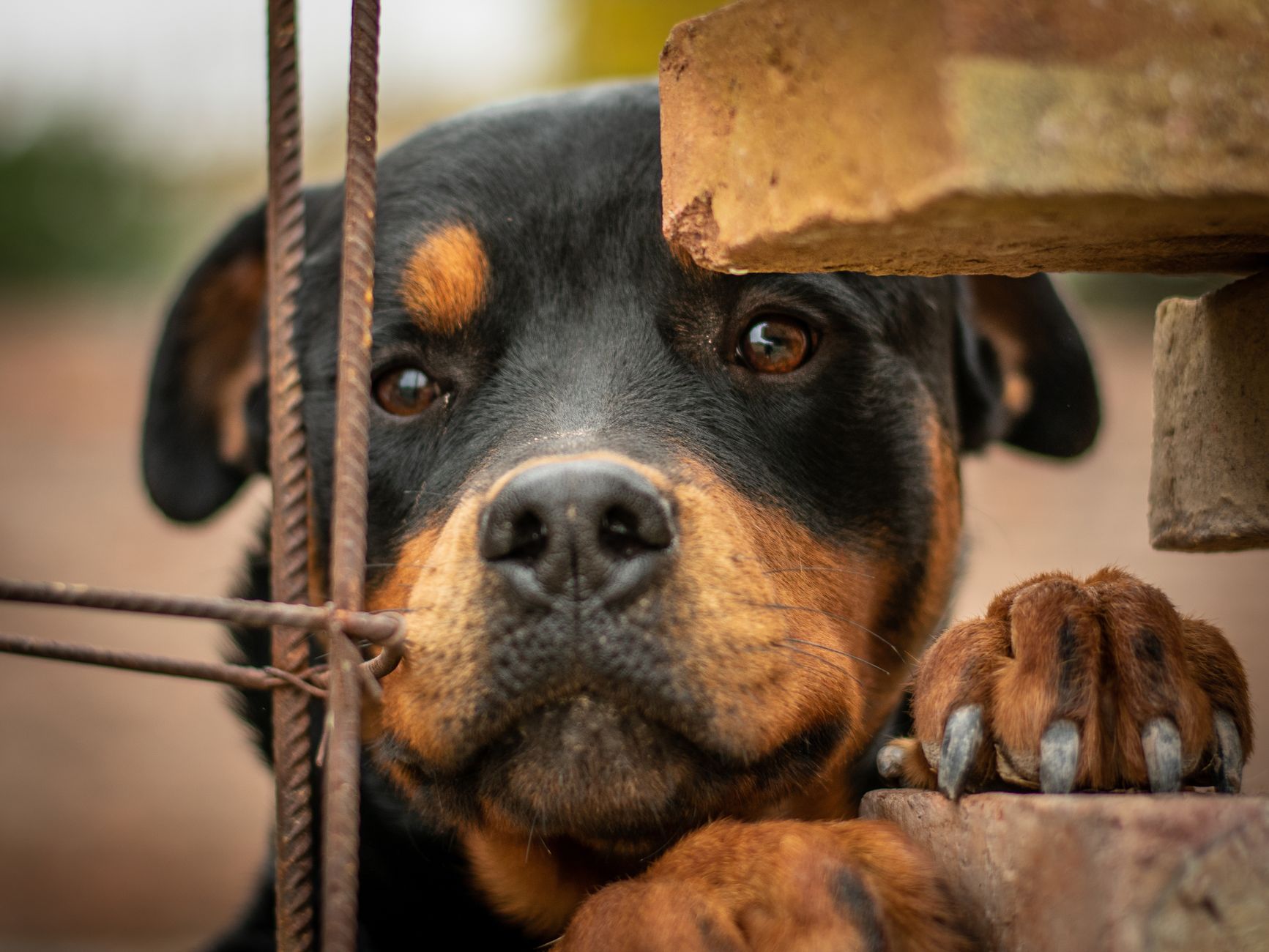
1. The Rottweiler: Loyal and Discerning Guardian
The Rottweiler is often deeply misunderstood due to negative media depictions, but in my clinic, they are some of the most cooperative and affectionate patients I treat when properly trained. Historically bred to drive cattle and pull heavy carts, they possess immense physical strength and an inherent protective instinct that demands an experienced owner.
I always advise my clients that a Rottweiler’s guard instincts must be shaped early through systematic positive-reinforcement training. Without structured socialization, their natural wariness of strangers can quickly morph into dangerous territorial reactivity.
- High risk of hip and elbow dysplasia; always request orthopedic clearance (OFA) certificates from any breeder.
- Prone to cranial cruciate ligament (CCL) tears in their knees, often requiring costly orthopedic surgeries.
- Highly susceptible to canine parvovirus; strict adherence to early puppy vaccination protocols is life-saving.
- Requires at least 2 hours of daily physical exercise and structured mental stimulation to prevent destructive boredom.
2. The German Shepherd Dog: The Ultimate Working Partner
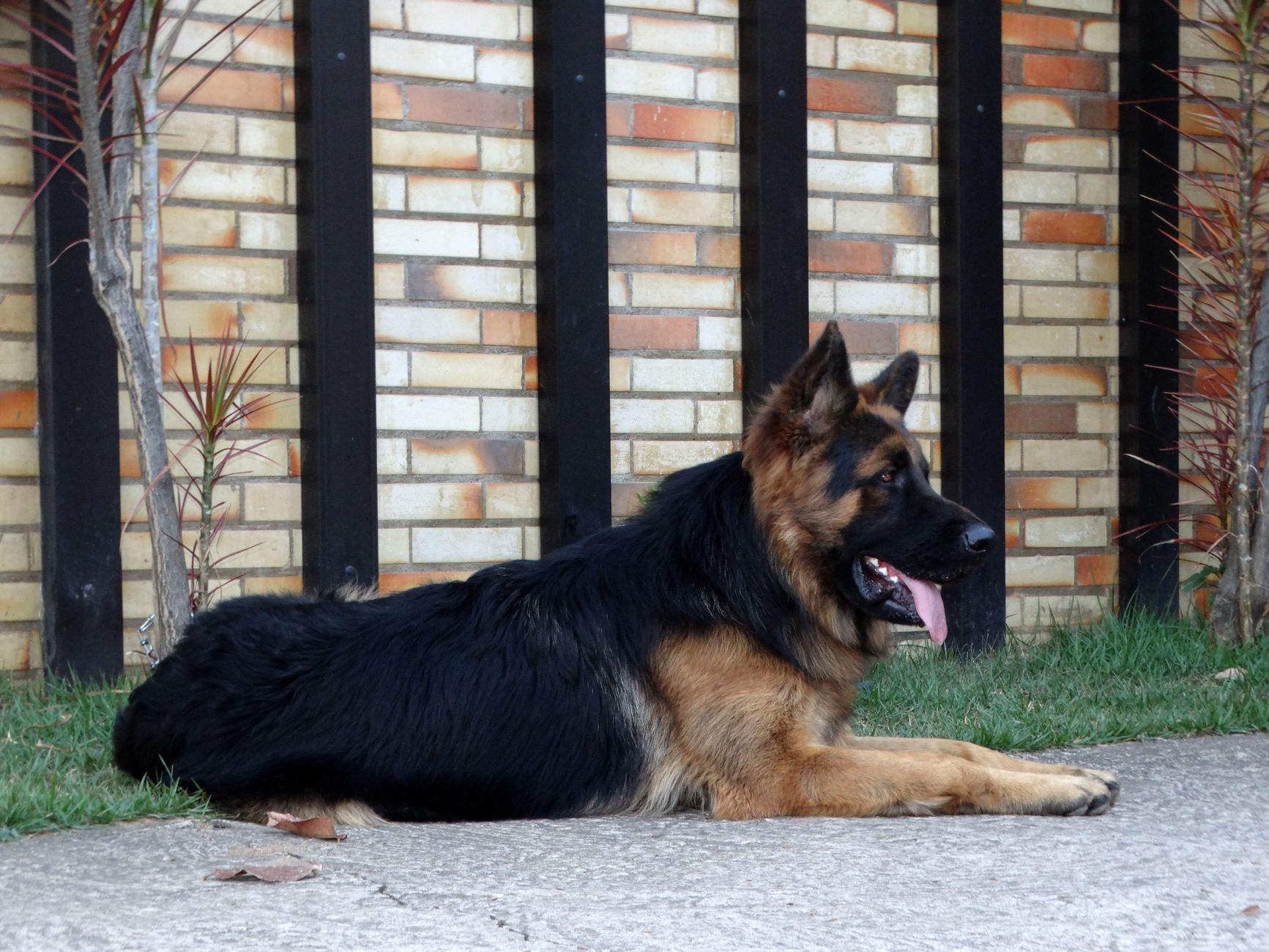
German Shepherds are the gold standard for versatility in the canine world, which is why they are favored by law enforcement and search-and-rescue teams globally. In my clinical experience, their intelligence is almost unmatched, but this sharp mind is a double-edged sword that demands constant mental employment.
A bored German Shepherd will quickly find a job you do not like, such as chewing your baseboards or pacing the fence line anxiously. They do not just live in your home; they actively patrol it and protect their human pack with intense devotion.
- High risk of Gastric Dilatation-Volvulus (GDV or bloat); use slow-feeder bowls and avoid vigorous exercise for one hour after meals.
- Degenerative Myelopathy (DM) is a progressive, incurable spinal cord disease common in this breed; always check genetic screens.
- Thrive on structured task-oriented training, such as nose work, agility, or advanced obedience courses.
- Heavy year-round shedders, requiring daily brushing with an undercoat rake to prevent painful matting and hotspots.
3. The Doberman Pinscher: Sleek, Intelligent Protector
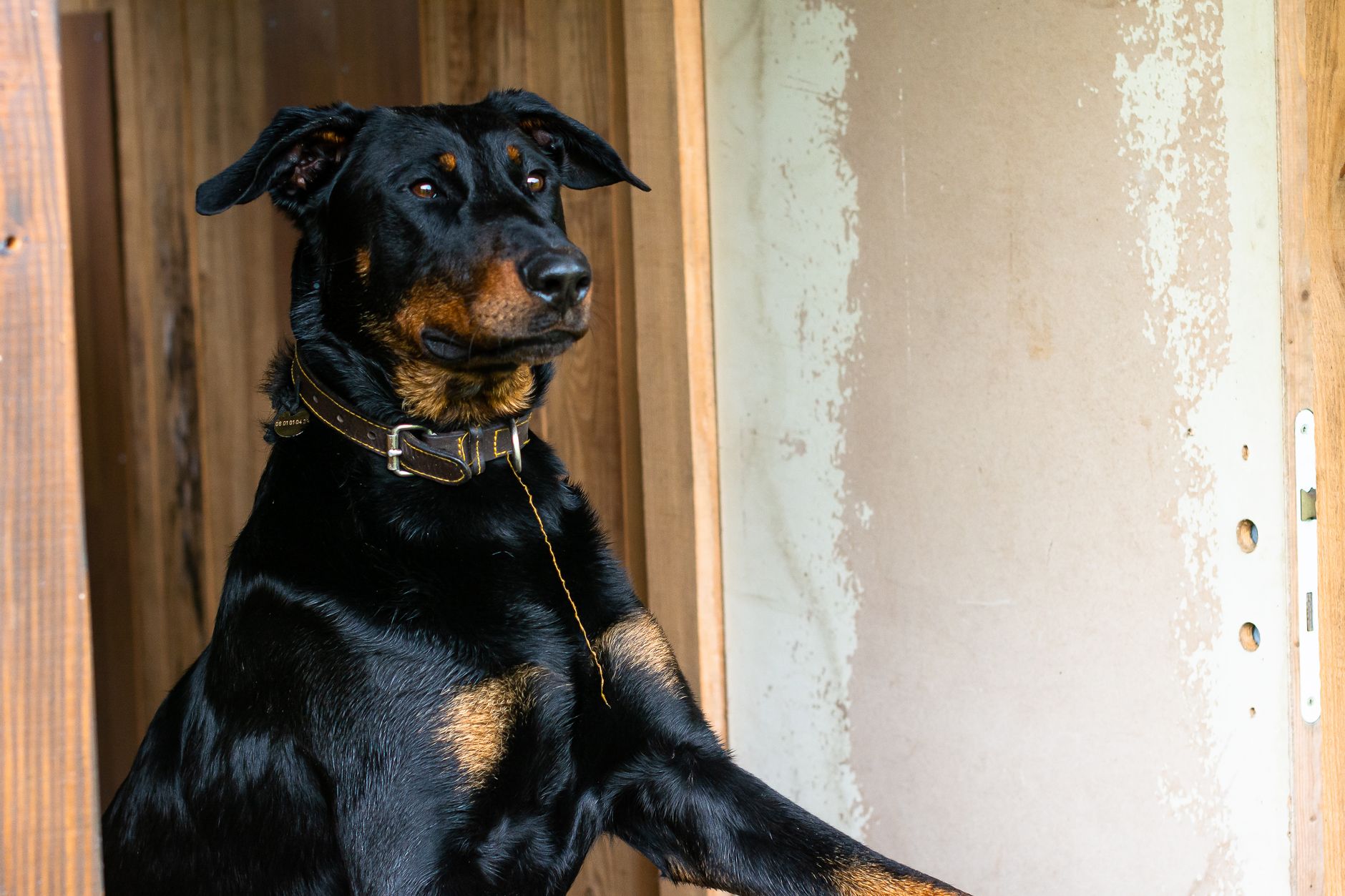
Dobermans are the elite personal protection dogs of the canine world, combining blistering speed with intuitive loyalty. In my examination room, well-bred Dobermans are incredibly sensitive, velcro-like dogs that bond fiercely to their primary handlers.
They are highly territorial by nature, meaning they naturally comprehend the boundaries of your property without training. However, their sleek single coats mean they cannot tolerate extreme cold weather, meaning they must live indoors with their human pack.
- Highly prone to Dilated Cardiomyopathy (DCM), a serious heart muscle disease requiring annual screening via echocardiogram.
- Von Willebrand’s Disease (a genetic blood clotting disorder) is prevalent; always screen them before any elective surgeries.
- Require consistent, positive-reinforcement training; harsh physical discipline will break their sensitive, cooperative spirits.
- Need early, controlled exposure to different sights, sounds, and people to prevent fear-based reactivity.
4. The Bullmastiff: The Silent, Powerful Deterrent
If you want a dog that acts as a massive physical deterrent without constant barking, the Bullmastiff is an outstanding choice. Originally bred by 19th-century English gamekeepers to track down and pin poachers without biting, this breed is naturally quiet, observant, and incredibly brave.
In my practice, I find Bullmastiffs to be gentle, low-energy giants at home, but their sheer mass means obedience training is non-negotiable. You simply cannot physically restrain an untrained 130-pound dog if they decide to charge a perceived threat.
- Extreme risk of heatstroke due to their brachycephalic facial structure; keep them indoors with air conditioning during hot summer days.
- Prone to rapid skeletal growth; feed a high-quality, large-breed puppy food with controlled calcium levels to prevent bone diseases.
- Shorter lifespan (typically 7 to 9 years) due to their giant size and predisposition to aggressive cancers like osteosarcoma.
- Generally low energy indoors, but they require daily moderate leash walks to maintain muscle tone and protect their joints.

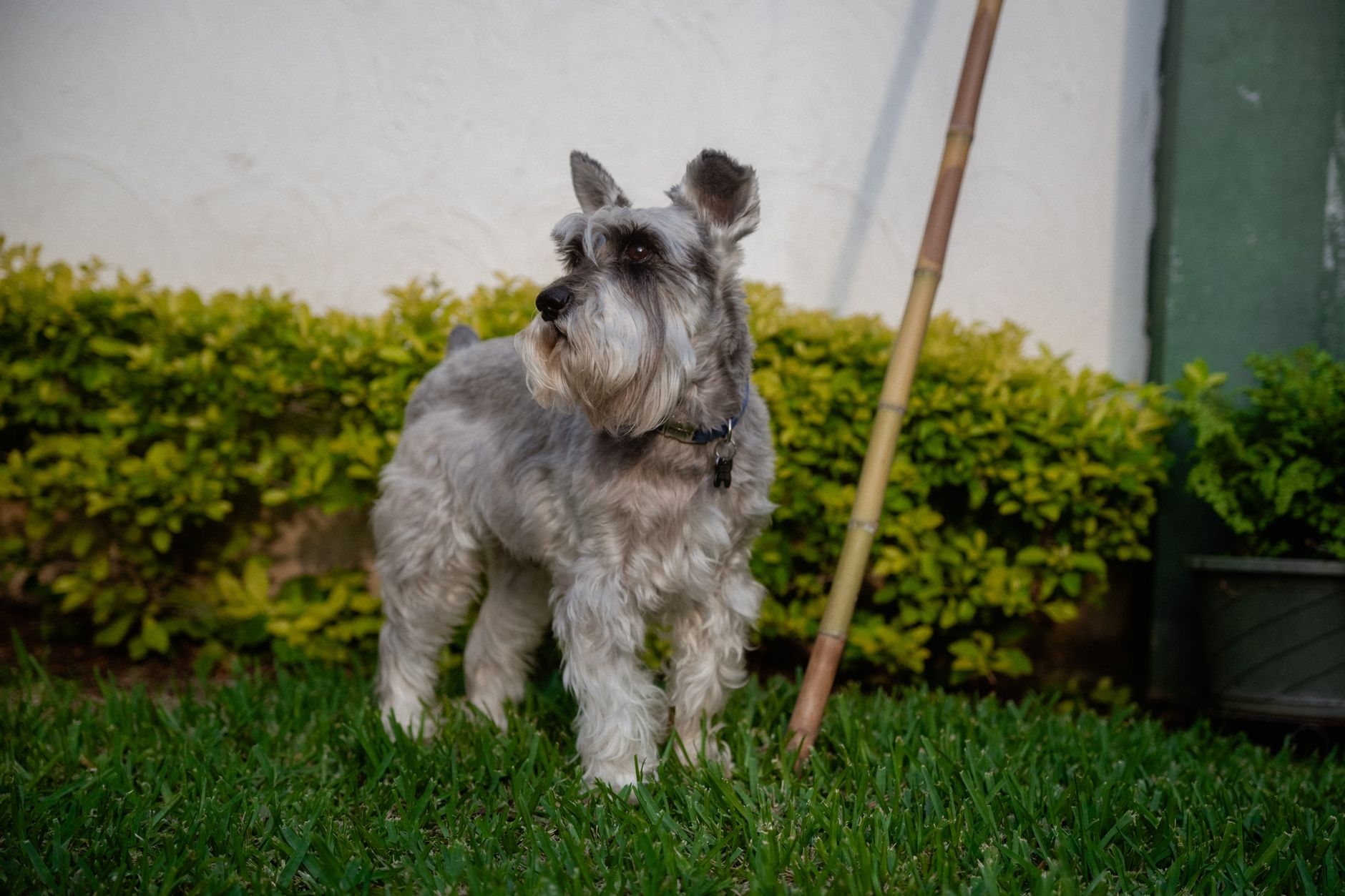
5. The Giant Schnauzer: The Energetic and Dominant Guard
Do not mistake the Giant Schnauzer for a larger version of the companion Miniature Schnauzer; they are powerhouse working dogs with a dominant streak. They require a confident owner who can establish clear, consistent boundaries from day one.
I often see Giant Schnauzers in my clinic that are under-stimulated, which leads to high-strung, anxious behaviors like tail chasing. They are intensely protective of their territory and will be highly suspicious of any strangers entering your home.
- Require professional grooming and hand-stripping or clipping every 6 to 8 weeks to prevent painful coat matting.
- High risk of bloat (GDV) and hip dysplasia; monitor their growth rates and avoid overfeeding to prevent obesity.
- Must have a securely fenced yard; their athletic jumping ability allows them to scale standard obstacles easily.
- Excel in demanding dog sports like Schutzhund, agility, and advanced tracking trials.
6. The Belgian Malinois: For Experienced Handlers Only
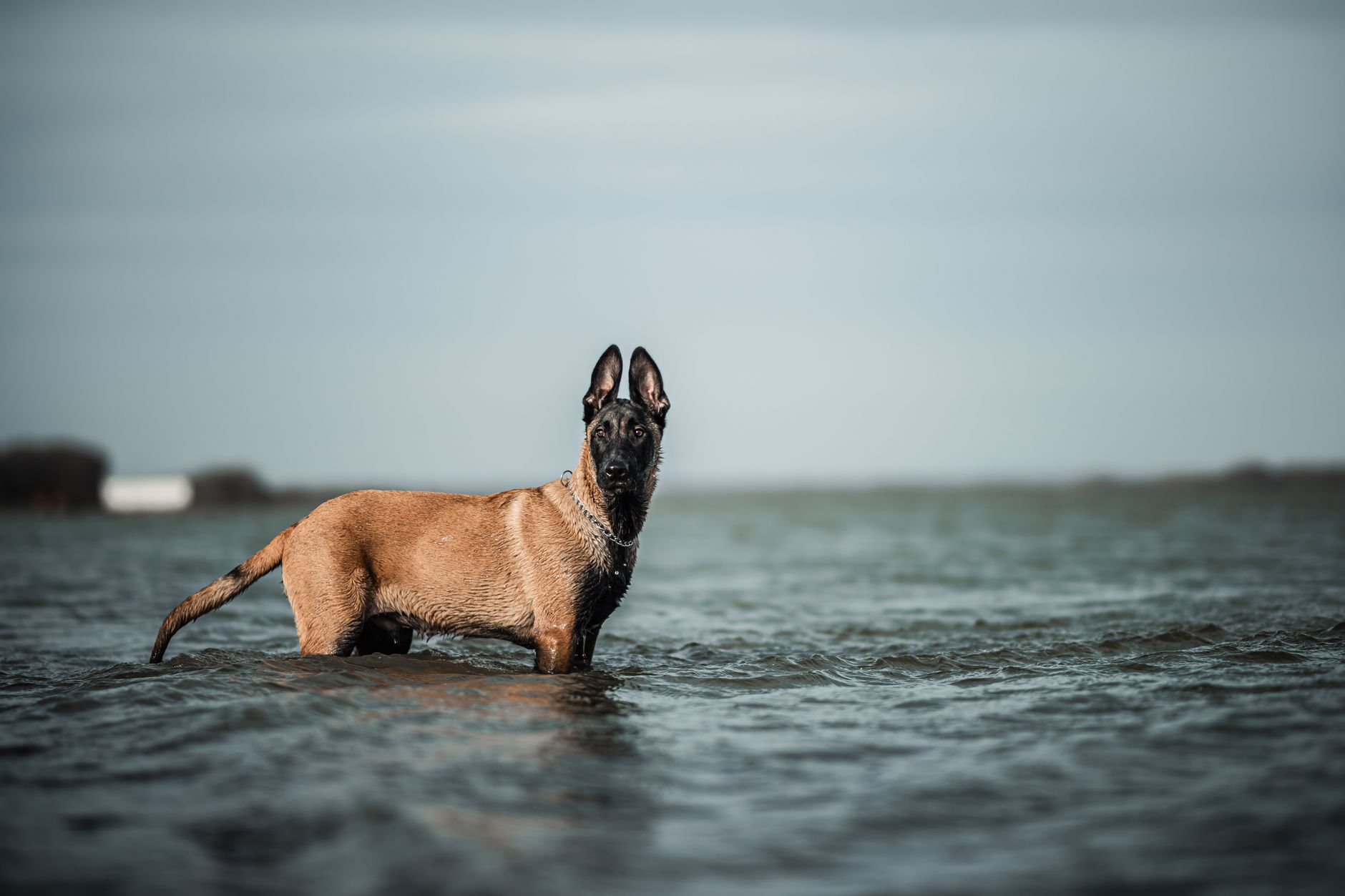
I must issue a strong clinical warning here: the Belgian Malinois is not a pet for the average suburban homeowner. They are often called ‘Maligators’ in the veterinary world due to their intense, unrelenting prey drive and near-infinite energy reserves.
In the right hands—typically military handlers, police officers, or professional trainers—they are the ultimate security assets. In the wrong hands, their frustration manifests as severe obsessive-compulsive behaviors, destructive chewing, and dangerous redirect aggression.
- Expect to spend at least 3 to 4 hours daily on high-intensity physical exercise and complex mental training puzzles.
- They possess an extremely high pain tolerance, meaning they will ignore injuries; owners must perform daily body checks.
- Excellent joint health compared to other large breeds, but hip dysplasia and progressive retinal atrophy (PRA) still occur.
- Requires a handler who deeply understands operant conditioning and can provide structured, daily ‘jobs’ for the dog.
7. The Great Pyrenees: The Independent Livestock Guardian
The Great Pyrenees represents a completely different style of home security: the independent flock guardian. Originally bred to protect sheep from wolves in the Pyrenees Mountains, these dogs are calm, patient, and highly independent thinkers.
They do not wait for your commands to protect their home; they assess threats on their own terms. I always warn my clients that this breed is highly nocturnal and will bark loudly at any night-time sounds, which can upset close neighbors.
- Possess unique double dewclaws on their rear legs, which must be kept trimmed to prevent them from catching and tearing painfully.
- Dense, weather-resistant double coat sheds heavily twice a year, requiring hours of line-brushing to prevent painful hot spots.
- Highly resistant to typical obedience training methods; they are not eager-to-please and will ignore commands they deem unnecessary.
- Prone to bone cancers (osteosarcoma) and elbow dysplasia; maintain a lean body weight to protect their joints.
Dr. Heller’s Clinical Guide to Guard Dog Health and Safety
Before you bring any guardian breed into your home, you must look past the romanticized idea of protection. From a medical and behavioral standpoint, owning these breeds is a major financial, physical, and emotional commitment.
I frequently treat large-breed dogs with preventable joint issues and behavioral anxiety simply because their owners did not realize the sheer scope of work required. You must budget for high-quality nutrition, specialized orthopedic care, and professional training.
The High Cost of Giant Breed Veterinary Care
Large guardian dogs cost significantly more to maintain than standard companion breeds. From double-strength heartworm preventatives to expensive joint supplements like glucosamine and chondroitin, their medical care scales up directly with their body weight.
An orthopedic surgery that costs $1,500 for a small dog can easily exceed $5,000 for a giant breed.
The Critical Socialization Window
Socialization must occur during the critical developmental window between 3 and 16 weeks of age. If you fail to expose your guardian puppy to hundreds of novel sights, sounds, and friendly humans during this time, their protective instinct will morph into dangerous, generalized fear-aggression.
Frequently Asked Questions
Are guard dogs safe around young children?
Yes, but only with strict supervision and proper socialization. Many guardian breeds are incredibly gentle and protective of their own children, but they can easily misinterpret rough play between your child and their friends as a genuine physical attack.
What is the difference between a watchdog and a guard dog?
A watchdog is bred to sound an alarm by barking when someone approaches your property, warning the household of a presence. A guard dog is capable of physically intervening to stop an intruder if a genuine threat presents itself.
Should I get professional protection training for my guard dog?
I strongly advise against average pet owners seeking personal protection training. Without professional, daily handler maintenance, protection-trained dogs can become highly dangerous liabilities in suburban environments.
Which guard dog breed sheds the least?
The Giant Schnauzer is the lowest-shedding guard breed on this list, making them a viable option for allergy sufferers. However, their coats require rigorous daily brushing and professional clipping every 6 to 8 weeks.
How do I prevent bloat (GDV) in my large guard dog?
To prevent bloat, feed your dog using slow-feeder bowls, split their daily food into two or three smaller meals, and strictly prohibit vigorous exercise or running for at least one hour before and after eating.
How long do giant guardian breeds typically live?
Giant breeds like the Bullmastiff and Great Pyrenees typically have shorter lifespans, averaging 7 to 10 years. Keeping them at a lean, healthy weight can significantly extend their lives and protect their joints.
Sources & Further Reading
Final Thoughts
Selecting a guard dog for your family is a decision that extends far beyond picking a breed from a list. In my clinical work, the happiest households are those where the owners fully embrace the active lifestyle, financial commitment, and mental stimulation these magnificent animals require.
A well-bred, properly socialized guardian dog is not a weapon; they are a loyal protector who brings immense peace of mind.
Please consult with a veterinary professional and reputable, health-testing breeders to find the perfect protector for your home.