
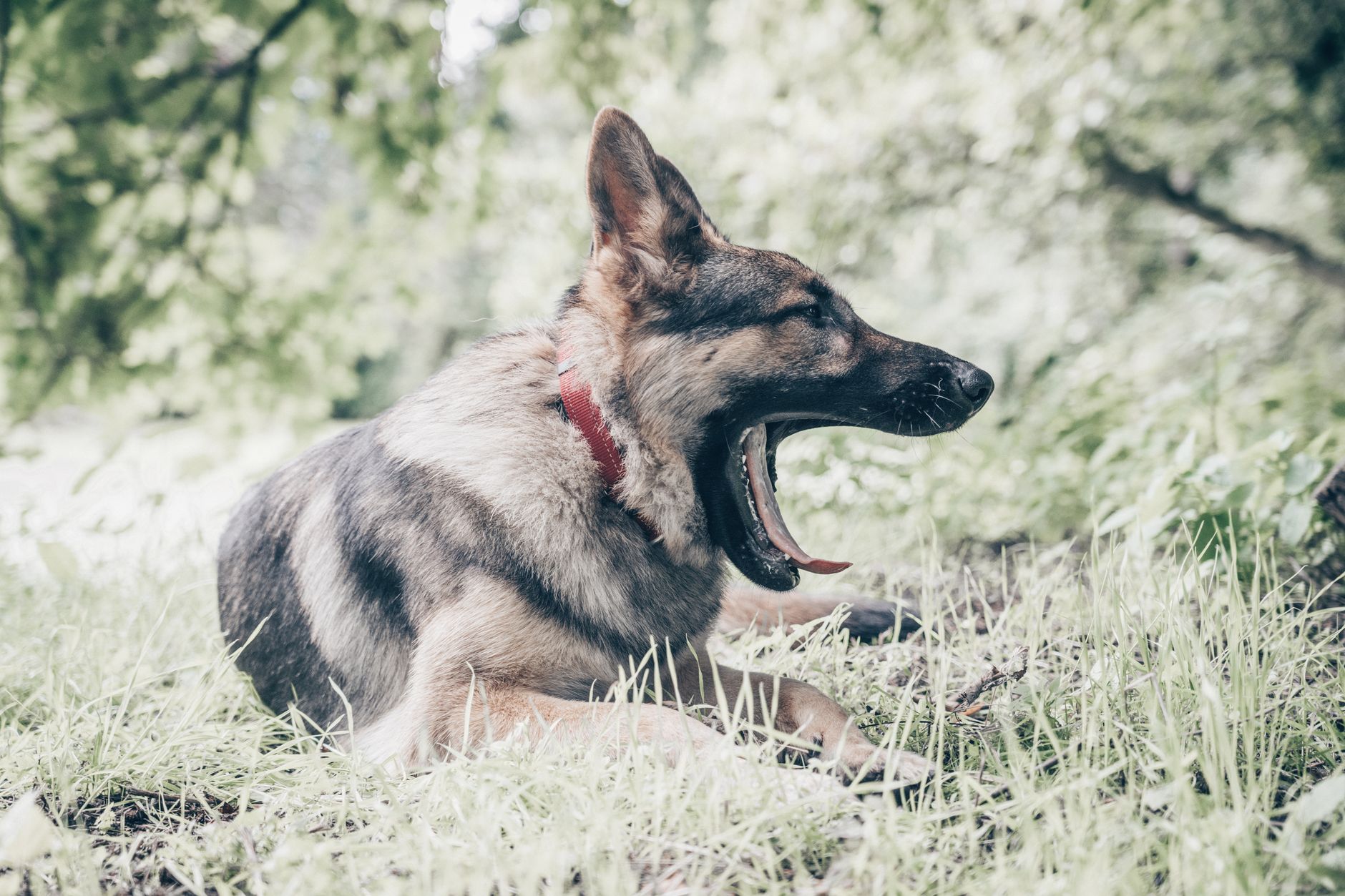
 German Shepherd Training Tips for First-Time Owners” loading=”lazy”>
Quick Summary
As a veterinarian, I advise first-time German Shepherd owners to prioritize early structured socialization, mental enrichment, and joint-safe training exercises. Understanding their herding drive, teething habits, and developmental timelines is crucial to raising a well-adjusted, healthy companion. Consistent training boundaries must be paired with careful physical management to protect their growing joints.
In my twenty years of veterinary practice, I have seen hundreds of first-time owners bring in German Shepherd puppies with high hopes, only to return months later feeling completely overwhelmed. These are incredibly intelligent, high-drive working dogs that do not thrive on passive ownership.
Training a German Shepherd is not about dominance; it is about clear communication, structure, and understanding their unique developmental timelines.
With the right clinical approach to their behavior and physical health, you can shape your puppy into a stable, loyal companion.
Key Takeaways
- The critical socialization window closes around 16 weeks of age, making early positive exposures vital.
- German Shepherds require mental enrichment, not just physical exercise, to prevent destructive behaviors.
- Bite inhibition training must begin immediately to curb their natural herding instincts.
- Consistency in verbal cues and household rules prevents anxiety and boundary-testing.
- Protect their developing joints by avoiding high-impact activities until growth plates close at 12-18 months.
- Desensitize your puppy to veterinary exams and grooming early to prevent fear-based reactivity later.
In This Article
- The Critical Socialization Window
- Curbing the ‘Land Shark’ Phase
- The Power of a Structured Routine and Crate Training
- Balancing Mental Stimulation with Physical Safety
- Mastering Recall and Managing the Prey Drive
- Establishing Leadership Through Predictability
- Desensitizing Your Dog to Handling and Grooming
The Critical Socialization Window
Many first-time owners mistake socialization for letting their puppy play with every dog they see. In my clinic, I emphasize that proper socialization means creating neutral, positive associations with the world.
Your German Shepherd puppy needs to learn how to ignore distractions and remain calm in diverse environments. Between 8 and 16 weeks of age, their brains are like sponges, registering experiences that will dictate their lifelong temperament.
- Expose your puppy to 10-15 different surfaces, including gravel, wet grass, metal grates, and slick clinic floors.
- Introduce them to people of all ages, sizes, ethnicities, and outfits, such as hats, umbrellas, and high-visibility gear.
- Play sounds of thunderstorms, fireworks, and heavy traffic at a low volume while rewarding them with high-value treats.
- Keep all introductions controlled and positive; one traumatic experience during this phase can create lifelong fear reactivity.

Curbing the ‘Land Shark’ Phase
German Shepherd puppies are notoriously mouthy. Owners often come to my office with scratched, bruised forearms, jokingly calling their pets “land sharks.”
This behavior is rooted in their herding heritage. They use their mouths to explore and control their environment, but you must teach them bite inhibition early.
- Never use physical punishment, as hitting or squeezing the muzzle will only increase their arousal and defensive drive.
- Yelp or say “Ouch!” in a calm, clear tone when teeth touch your skin, then immediately redirect them to an appropriate chew toy.
- If the biting continues, silently stand up and walk away, removing your attention for 30 seconds to teach them that biting ends the fun.
- Provide safe, veterinary-approved chew toys like rubber Kongs stuffed with frozen wet food to soothe teething discomfort.
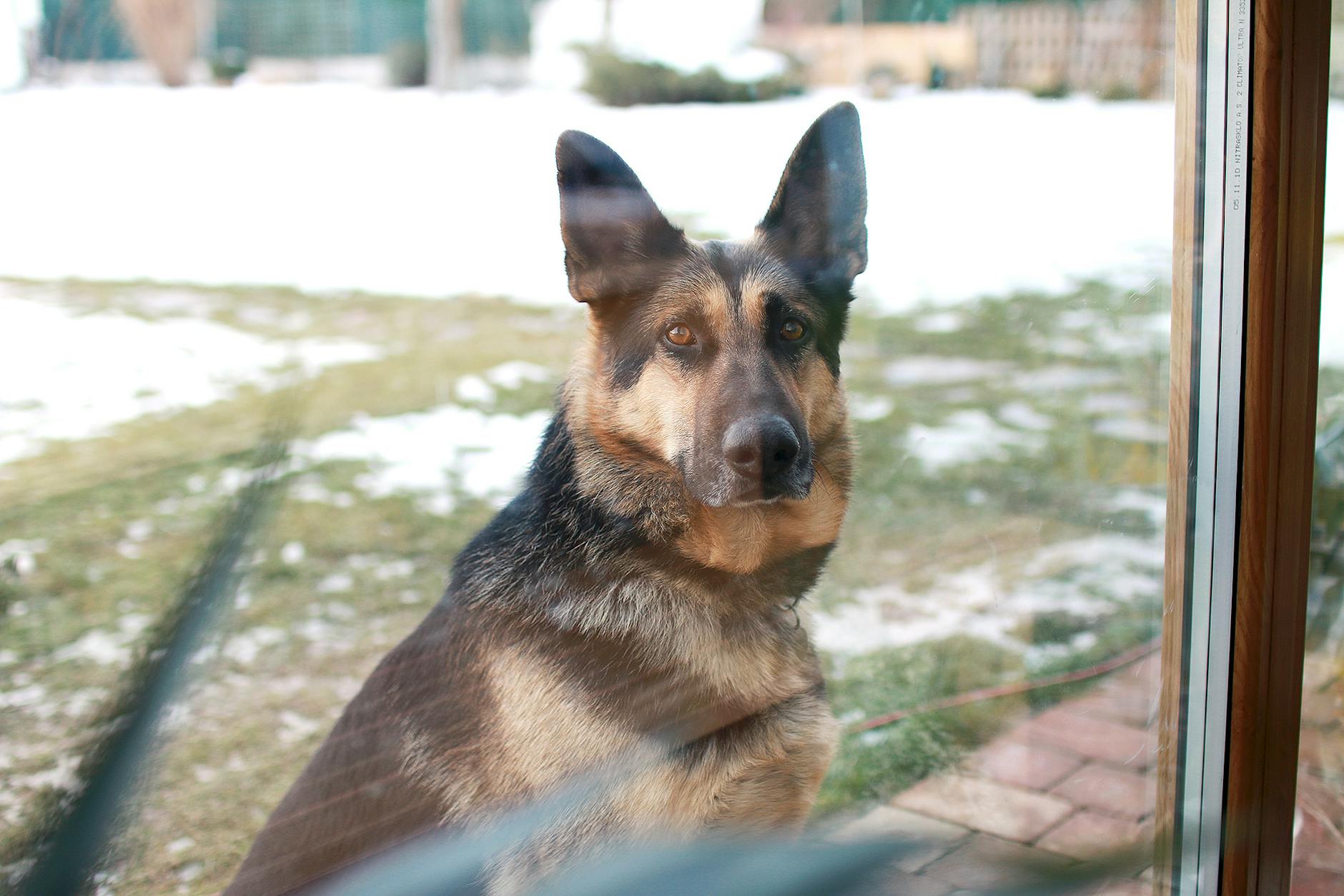
The Power of a Structured Routine and Crate Training
German Shepherds are prone to separation anxiety if they are not taught how to be alone. I frequently treat adult dogs who have broken teeth or torn claws trying to escape during a panic attack.
Preventing this starts on day one with a secure crate. A crate is not a punishment; it is a clinical tool that provides safety, aids in housebreaking, and teaches emotional self-regulation.
- Feed all meals inside the crate to build a positive association with the space.
- Keep the crate in a quiet, low-traffic area of your home to allow for uninterrupted rest.
- Practice short crating sessions while you are still in the house, gradually increasing the duration.
- Never let a puppy out of the crate while they are actively whining or barking, or you will reinforce that behavior.
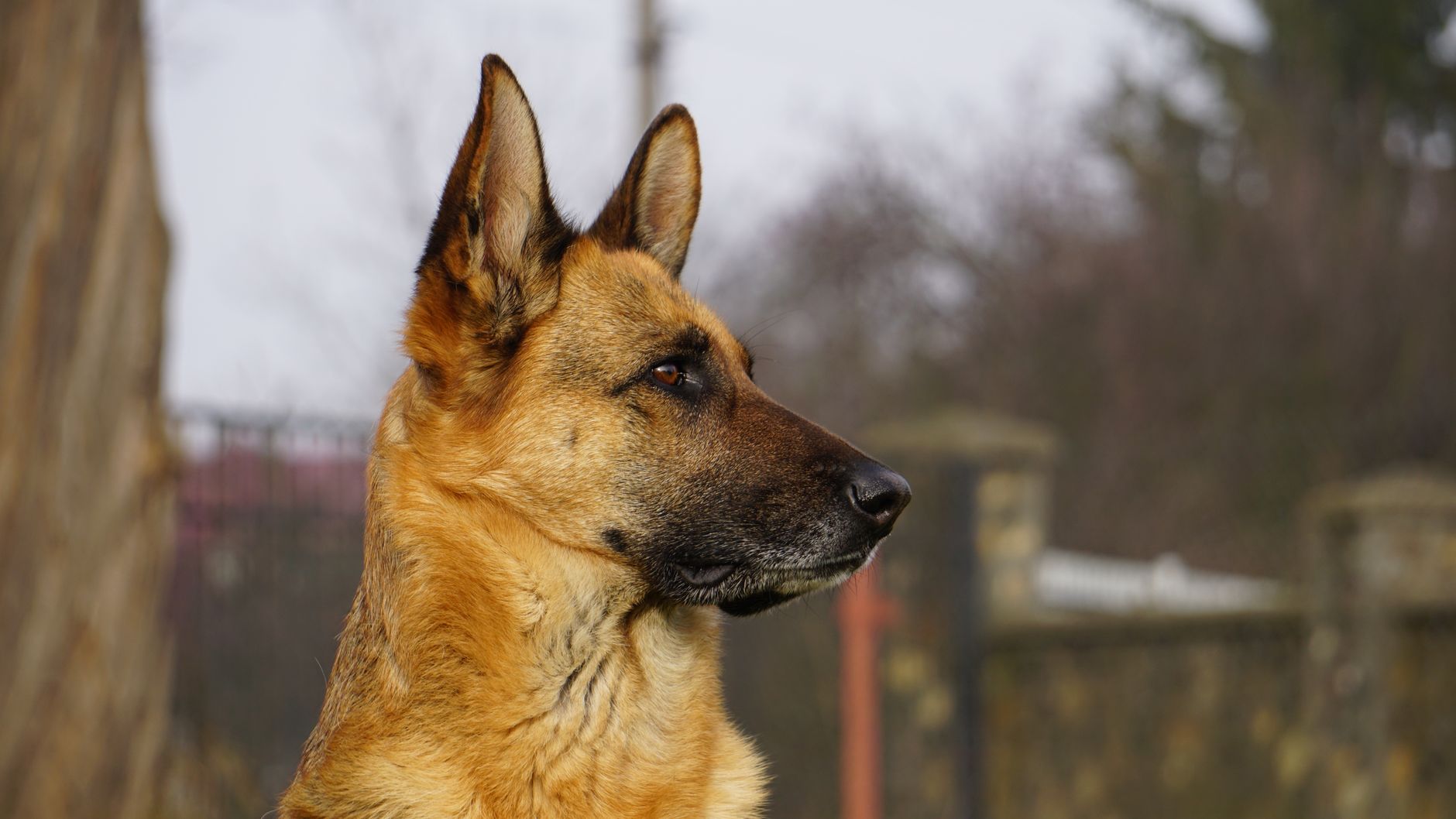
Balancing Mental Stimulation with Physical Safety
I often see owners trying to tire out their German Shepherds with miles of running or intense fetch sessions. This is a double-edged sword: you are building an elite athlete with a high stamina requirement, and you risk damaging their developing joints.
These dogs are bred to work. To truly tire them out, you must engage their massive brains through scent work, problem-solving, and obedience training.
The Danger of Early Impact Exercises
A German Shepherd’s skeletal system is highly vulnerable. Their growth plates do not fully close until they are 12 to 18 months old.
High-impact jumping, running on concrete, or repetitive catching of Frisbees can lead to early-onset arthritis or exacerbate hip dysplasia.
Safe Mental Enrichment Activities
Instead of endless running, focus on structured mental games that tap into their natural instincts.
- Use puzzle feeders and snuffle mats for their daily meals instead of a standard bowl.
- Hide high-value treats around the house and use the “find it” command to engage their nose.
- Incorporate short, 5-minute training sessions throughout the day to keep their minds sharp.
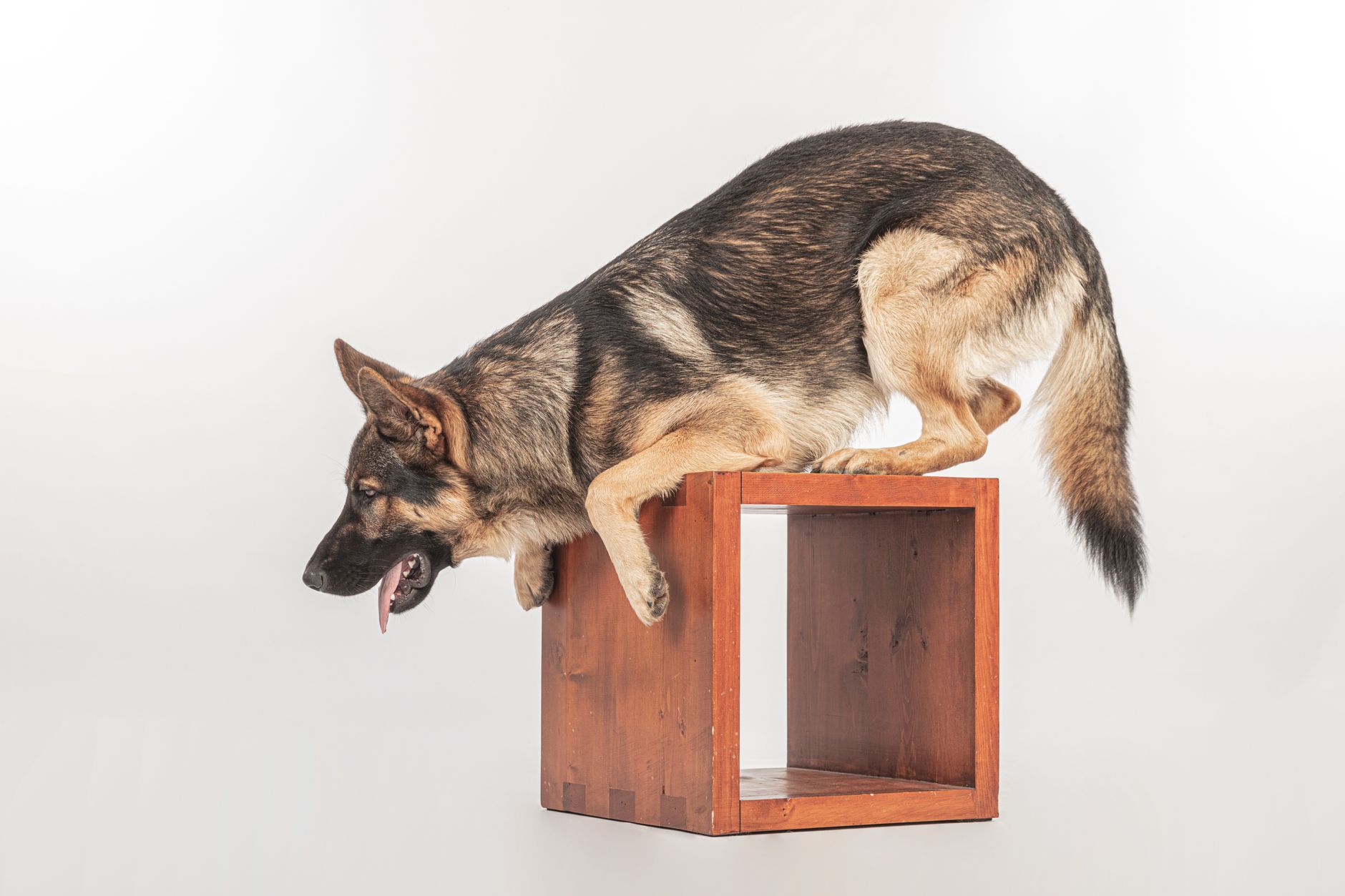
Mastering Recall and Managing the Prey Drive
German Shepherds have an inherently strong prey drive. In the wild, chasing fast-moving objects is a survival mechanism; in your neighborhood, it can be a safety hazard.
Building a reliable recall is the single most important safety command you can teach. It requires consistent practice and a reward system that is highly motivating to your dog.
- Use a long line (15 to 30 feet) during training to maintain control without tension on the neck.
- Never call your dog to you to do something they dislike, such as giving medication, bathing, or leaving the dog park.
- Use a distinct, enthusiastic recall word like “Here!” or “Come!” and reserve your absolute highest-value treats exclusively for this cue.
- If your dog ignores the command, do not repeat it; gently use the long line to guide them to you, then reward them.
Establishing Leadership Through Predictability
First-time owners often worry about being the “alpha” or dominating their dog. Modern veterinary behavior science has thoroughly debunked the alpha myth.
German Shepherds do not want a dictator; they want a predictable, reliable leader. If your rules change daily, your dog will become anxious and try to make their own decisions.
- Set firm boundaries and stick to them; if the dog is not allowed on the sofa, they must never be allowed on it.
- Require your dog to offer a behavior, like sitting, before they get access to resources like food, toys, or outdoor play.
- Train every family member to use the exact same verbal cues and hand signals to avoid confusing the dog.

Desensitizing Your Dog to Handling and Grooming
As a vet, there is nothing more challenging than trying to treat an aggressive, 90-pound German Shepherd who is terrified of having their paws touched.
You must prepare your puppy for a lifetime of veterinary exams, nail trims, and grooming while they are still small and manageable.
Start this desensitization process during your very first week home.
- Gently handle your puppy’s paws, ears, tail, and muzzle daily, rewarding them with small treats during the process.
- Introduce nail clippers or a dremel by simply letting them sniff the tool while receiving treats, before ever trimming a nail.
- Get them comfortable with the heavy brushing required to manage their double coat, focusing on the sensitive hindquarters and underbelly.
Frequently Asked Questions
How much exercise does a German Shepherd puppy need daily?
Are German Shepherds good for first-time owners?
How do I stop my German Shepherd puppy from biting my ankles?
When should I spay or neuter my German Shepherd?
Why is my German Shepherd puppy suddenly fearful or reactive?
Can German Shepherds be left alone for 8 hours?
Final Thoughts
Training a German Shepherd is a marathon, not a sprint, and it requires a deep understanding of their unique behavioral and physiological needs.
By focusing on early socialization, consistent structure, and safe mental enrichment, you will raise a confident, balanced companion.
Remember to protect their growing joints and never hesitate to consult a professional behaviorist or your veterinarian if you encounter obstacles.
Your dedication now will be rewarded with a lifetime of unmatched loyalty and partnership. Keep training positive, stay patient, and enjoy the journey with your new best friend.