

Quick Summary
Canine loyalty is rooted in both genetic breed history and evolutionary biochemistry. Breeds like the German Shepherd, Akita, and Labrador Retriever are genetically predisposed to form exceptionally strong bonds with their human handlers. However, managing this intense loyalty requires proper socialization, mental stimulation, and regular veterinary care to prevent separation anxiety and protective behaviors.
As an Amazon Associate, we earn from qualifying purchases.
Popular with dog owners: Hip & Joint Supplement · Orthopedic Dog Bed · Training Treats
Over my twenty years in veterinary practice, I have witnessed the incredible depth of the canine-human bond. Clients often ask me which breeds are truly the most loyal when looking to adopt.
While every dog is an individual shaped by training, certain breeds have genetic predispositions toward deep devotion. Let’s look at the science and clinical realities behind the seven most loyal dog breeds I see in my clinic.
Key Takeaways
- Loyalty is biologically driven by oxytocin surges and selective breed history.
- Highly loyal breeds often require proactive socialization to prevent overprotection.
- Working breeds like German Shepherds and Akitas need structured daily tasks.
- Some loyal breeds express their devotion through subtle, quiet observation rather than constant affection.
- Proactive veterinary care is vital because loyal dogs often hide physical pain to please their owners.
In This Article
- The Anatomy of a Loyal Companion
- 1. The German Shepherd: Unwavering Duty and Focus
- 2. The Akita: A Legendary Bond of Absolute Solitude
- 3. The Labrador Retriever: Devotion Through Joy
- chihuahua-tiny-frame-massive-heart”>4. The Chihuahua: Tiny Frame, Massive Heart
- 5. The Golden Retriever: Intuitive Emotional Devotion
- rottweiler-powerful-loyalty-and-calm-confidence”>6. The Rottweiler: Powerful Loyalty and Calm Confidence
- 7. The Great Pyrenees: Autonomous Devotion
The Anatomy of a Loyal Companion
Loyalty isn’t just a poetic concept; it has a profound biological basis. In my clinic, I regularly observe the hormonal and behavioral markers that define the canine-human bond.
When a dog gazes into their owner’s eyes, both experience a massive surge of oxytocin, the bonding hormone.
This devotion often manifests as ‘velcro’ behavior, where a dog shadow-tracks your every move through the house. While beautiful, this intense bonding requires proactive steps to prevent severe separation anxiety.
I often see highly loyal dogs suffer from stress-induced behaviors when their owners travel.
In my practice, I treat this using behavioral modification and, when necessary, pheromone therapy or short-term medications. Understanding that loyalty has a psychological cost is the first step in raising a balanced, happy dog.
- Oxytocin spikes during eye contact with owners
- Consistent routine reduces bonding-related anxiety
- Early socialization prevents overprotectiveness

1. The German Shepherd: Unwavering Duty and Focus
I have worked with dozens of working police and service German Shepherds over my career. Their loyalty is unmatched, but it is driven by a deep genetic need for a clear job and structured leadership.
Without proper physical and mental outlets, this loyalty can quickly morph into obsessive behaviors.
VetIQ Glucosamine Hip & Joint Chews
- ✓Soft chews dogs take like a treat
- ✓Glucosamine to support mobility
- ✓Good for senior dogs
- Glucosamine and chondroitin chews support cartilage and mobility, especially in large, senior and dysplasia-prone dogs
In the exam room, a German Shepherd will almost always place themselves directly between me and their owner. This natural protective instinct is a testament to their devotion, but it requires firm socialization from puppyhood to keep it safe.
I always tell my clients that a protective dog must still be a manageable dog.
Physically, their intense desire to please means they will push through severe pain without showing signs of distress. I often diagnose advanced hip dysplasia in these dogs because they refuse to stop fetching or running for their owners.
Early veterinary intervention and proactive joint health management are absolutely critical for this breed.
- Prone to hip and elbow dysplasia
- Requires at least 2 hours of physical and mental stimulation daily
- Can develop extreme protective aggression if unsocialized
- Exemplary working dogs for search and rescue or service roles
Managing Hip Dysplasia
German Shepherds are prone to genetic joint issues. I recommend starting joint supplements containing glucosamine, chondroitin, and omega-3 fatty acids as early as one year of age.

2. The Akita: A Legendary Bond of Absolute Solitude
The legendary story of Hachiko, the Akita who waited for years at a train station for his deceased owner, is the perfect representation of this breed’s quiet dignity. In my practice, I find Akitas to be highly independent yet intensely, singularly devoted to their family unit.
They do not hand out their affection freely to strangers or veterinary staff. When I examine an Akita, I always ask the owner to remain close and maintain a calm, confident demeanor.
These dogs take their cues entirely from their chosen person and will stand watch over them in any situation.
Their loyalty is silent but fierce, making them exceptional watchdogs but challenging patients if they aren’t socialized early in life. They require an experienced owner who respects their independent nature and does not expect them to act like a highly social retriever.

3. The Labrador Retriever: Devotion Through Joy
While some view loyalty as a serious, protective trait, Labrador Retrievers show us that loyalty can be joyful, outgoing, and inclusive. They are deeply devoted to their entire family unit, including children and even other household pets.
Their primary drive is to participate in whatever their human pack is doing.
In my clinic, a Lab’s loyalty is expressed through enthusiastic tail wags and a desperate desire to please, even when they are feeling extremely ill. They want nothing more than to be in the same room as you, often leaning their heavy bodies against your legs.
CWAWZ Orthopedic Cooling Gel Memory Foam Dog Bed, XL
- ✓3-inch orthopedic foam with cooling gel layer
- ✓Waterproof TPU lining; washable cover
- ✓CertiPUR-US foam, non-slip bottom
- Supportive foam cushions hips and joints, ideal for large, senior or dysplasia-prone dogs
This desire to please makes them incredibly trainable and responsive to positive reinforcement. However, their highly social nature means they can easily develop separation distress if left isolated for long stretches of the day.
They thrive on active inclusion in daily life.
- High risk of obesity and related joint stress
- Excellent family dogs with natural tolerance for children
- Prone to otitis externa (ear infections) due to swimming habits
- Need early training to control enthusiastic jumping
Preventing Lab Obesity
Labradors will eat almost anything, which easily leads to joint-stressing obesity. I advise measuring every meal using a standard measuring cup and limiting high-calorie treats.
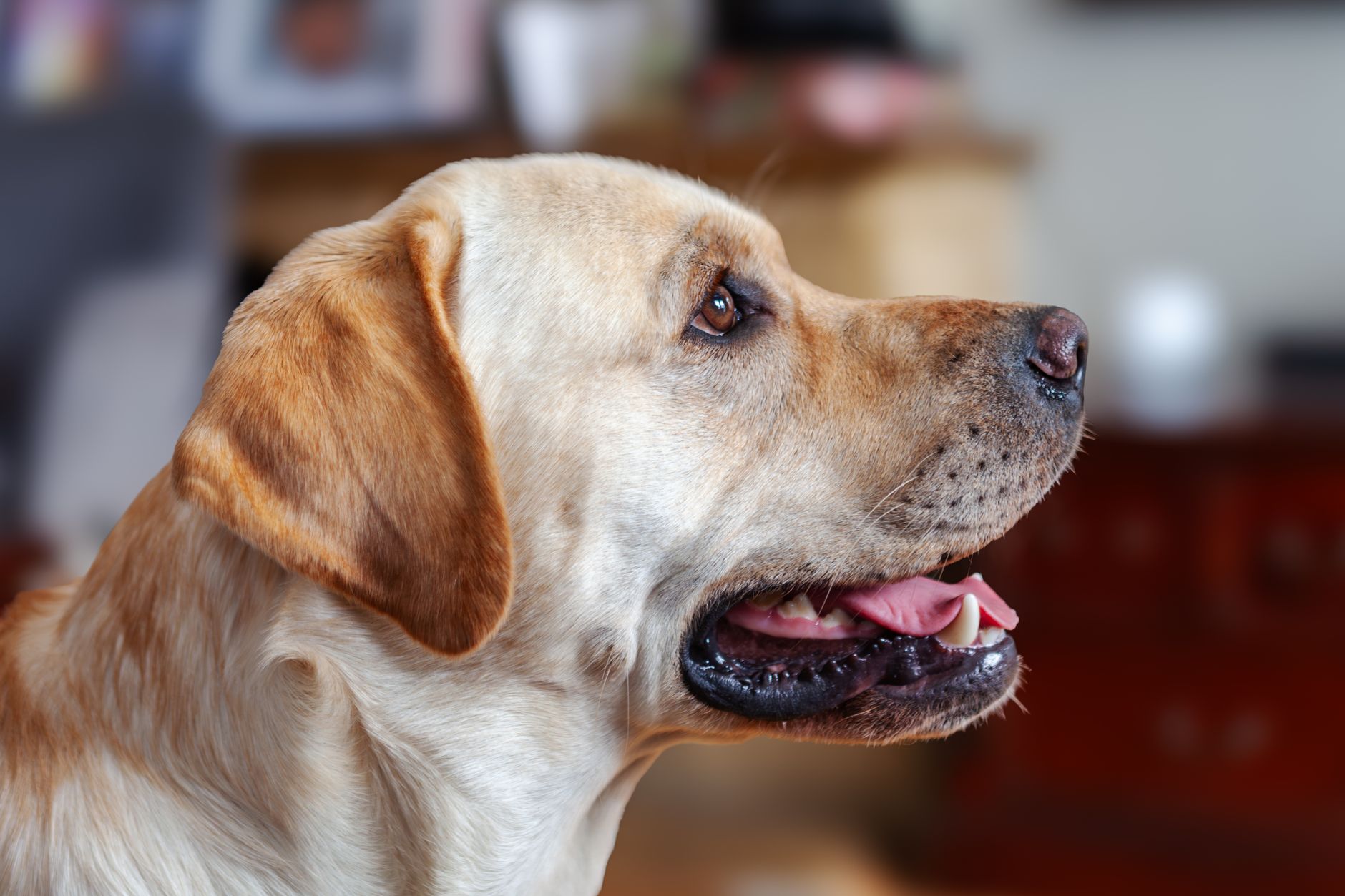
4. The Chihuahua: Tiny Frame, Massive Heart
Many people are surprised to find this tiny breed on a list of loyal dogs, but Chihuahuas possess some of the most fiercely loyal hearts in the canine world. They often select one primary person within a household and form an intense, lifelong bond with them.
In the exam room, a Chihuahua will often growl from their owner’s lap to protect them from my stethoscope. I always advise clients not to accommodate or laugh at this protective behavior, as it can lead to severe anxiety and aggressive tendencies.
It is vital to teach them that you can protect yourself.
Their loyalty means they want constant physical contact, often sleeping under the covers next to you. While this close bond is incredibly comforting, establishing structured boundaries is essential to ensure they remain confident and well-adjusted when you are away.

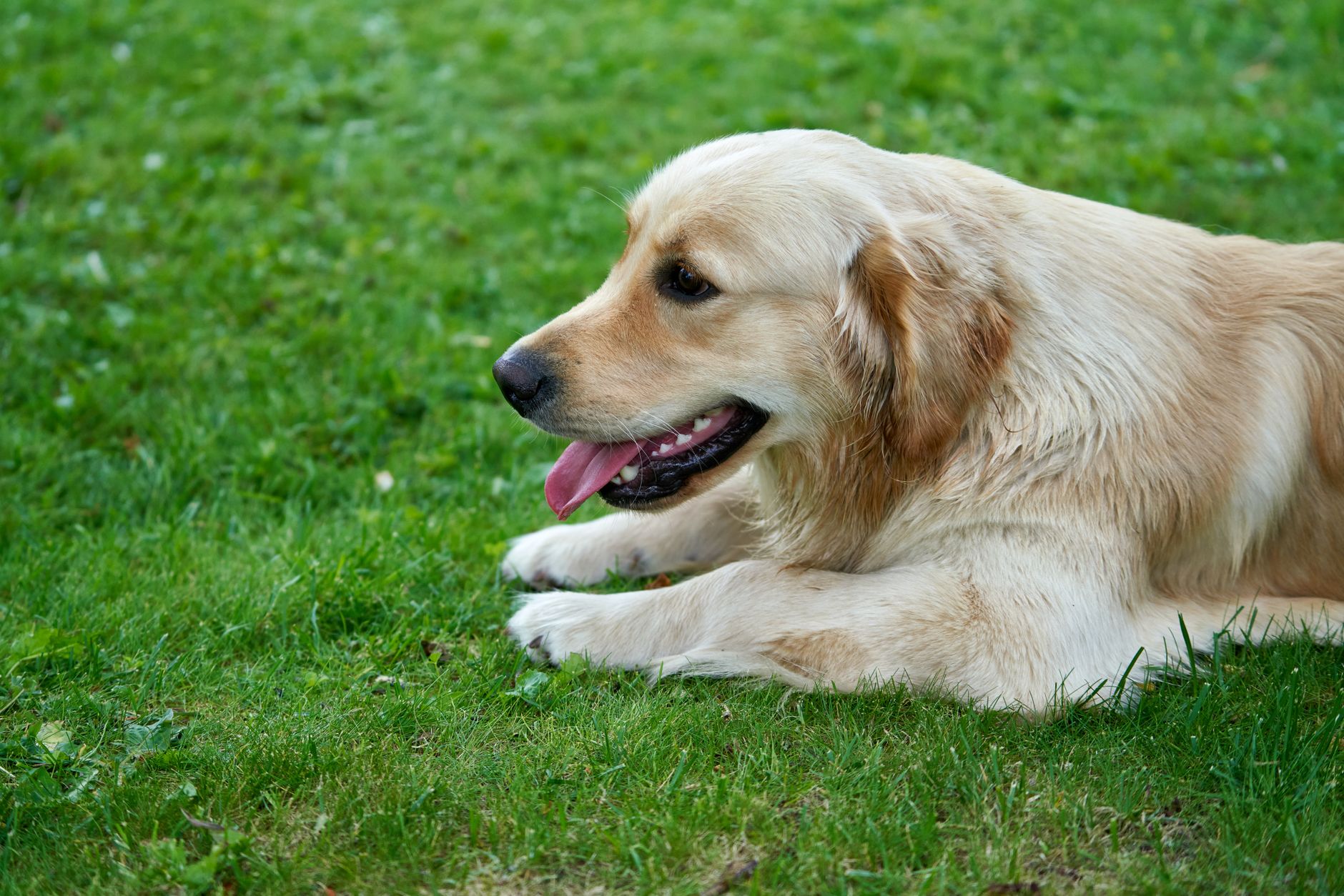
5. The Golden Retriever: Intuitive Emotional Devotion
Golden Retrievers possess an almost psychic ability to sense their owner’s emotional state. In my years of clinical practice, I have watched Golden Retrievers lean heavily against their owners during difficult discussions in the exam room, offering quiet, physical comfort.
This breed’s loyalty is gentle, social, and highly intuitive, which is why they excel as therapy and emotional support animals. They thrive on physical touch and constant human companionship, making them highly vulnerable to loneliness if left alone in a backyard.
Because they are so eager to please, they will often hide serious injuries or illnesses just to keep playing or working. I always instruct my clients to watch for very subtle signs of lethargy or decreased appetite, as these dogs will work through significant discomfort to keep their owners happy.
- Highly prone to certain cancers like hemangiosarcoma and lymphoma
- Require daily brushing to prevent painful matting in their double coat
- Excel in obedience and agility due to their eager-to-please nature
- Need early cardiovascular screening as they are prone to subaortic stenosis
6. The Rottweiler: Powerful Loyalty and Calm Confidence
Rottweilers are often unfairly maligned due to media stereotypes, but they are among the most loyal and gentle family protectors I treat in my clinic. They form a deep, protective shield around their immediate family and are incredibly affectionate behind closed doors.
Unlike more reactive guarding breeds, a well-bred Rottweiler is typically a quiet observer. They assess situations calmly and will only step in if they perceive a genuine, active threat to their loved ones.
This calm confidence requires a dedicated owner who can provide consistent, positive training.
From a clinical perspective, Rottweilers are prone to rapid growth issues during puppyhood. I closely monitor their developmental diet to protect their joints, ensuring their massive physical strength is supported by a healthy skeletal system as they grow.
7. The Great Pyrenees: Autonomous Devotion
The Great Pyrenees represents a unique style of loyalty: independent, protective, and autonomous. Bred to guard sheep in the mountains without human supervision, they love their families deeply but do not demand constant attention or validation.
Their loyalty is expressed through vigilant watching over their home, yard, and family. In my clinic, these dogs are gentle giants, but they retain a strong protective instinct that must be respected by visitors and veterinary staff alike.
Their thick, beautiful double coat requires significant maintenance to prevent painful hot spots and matting. Because of their giant size and deep chests, they are also highly prone to bloat, which is a life-threatening veterinary emergency that all Pyrenees owners must understand.
- Extremely high grooming requirements to prevent hot spots
- Independent nature means they may not always recall when called
- High risk of Gastric Dilatation-Volvulus (GDV/Bloat)
- Require secure fencing due to natural roaming instincts
Recognizing Bloat (GDV)
Bloat is a rapid, life-threatening condition in deep-chested breeds. Knowing the warning signs can save your dog’s life before it is too late.
- Unproductive retching or attempts to vomit
- A swollen or hard, distended abdomen
- Pacing, restlessness, and obvious distress
- Rapid breathing and pale gums
-
Zuke’s Mini Naturals Training Treats, Peanut Butter & OatsSmall, soft treats are quick to eat, so you can reward the right moment and keep training sessions moving
-
ChefAide Lick Mat for Dogs, 2 PackLicking is naturally calming, so a lick mat with spread-on food helps during baths, nail trims and storms
-
Swihauk Self-Cleaning Slicker BrushFine wire pins lift loose undercoat and work out small tangles before they turn into mats
Related Dog Guides
Frequently Asked Questions
Which dog breed is considered the single most loyal?
While loyalty is subjective, the German Shepherd is widely regarded as the most loyal working breed due to its history of protective duty. The Akita is also celebrated as the most loyal single-owner companion.
Can loyal dog breeds develop separation anxiety more easily?
Yes, highly loyal or ‘velcro’ breeds are statistically more prone to separation anxiety. Because they bond so intensely, they can become highly stressed when separated from their primary handlers.
How do I prevent my loyal dog from becoming overly protective?
Early and continuous socialization is key. Introduce your puppy to diverse people, animals, and environments so they learn to evaluate threats calmly rather than reacting defensively to everything.
Do loyal dogs hide pain more than other breeds?
Yes, working and eager-to-please loyal breeds often suppress signs of pain to continue working or playing. Owners must look for subtle clues like changes in sleep patterns or slight hesitations when climbing stairs.
Are female or male dogs of these breeds more loyal?
There is no scientific proof that one sex is more loyal than the other. Individual temperament, early socialization, and the specific home environment have a far greater impact on a dog’s devotion.
Sources & Further Reading
Final Thoughts
Choosing a loyal dog breed is only the first step in a beautiful, lifelong journey. True loyalty is a two-way street that must be nurtured through consistent training, physical exercise, and regular veterinary care.
As a veterinarian, my goal is to help you maintain that bond by keeping your devoted companion healthy and pain-free. If you are ready to put in the work, these breeds will reward you with a lifetime of unconditional love.