
7 Best Dog Breeds for Therapy and Emotional Support Work
Quick Summary
Selecting the ideal breed for therapy or emotional support involves matching a dog’s genetic temperament with the specific therapeutic goals. Breeds like Golden Retrievers, Cavalier King Charles Spaniels, and Standard Poodles stand out due to their exceptional emotional intelligence, low reactivity, and predictable stress thresholds. As a veterinarian, I stress that while breed characteristics offer a foundation, physical health screenings and specialized training are vital for safe, long-term working partnerships.
As an Amazon Associate, we earn from qualifying purchases.
Popular with dog owners: Puppy Food · Orthopedic Dog Bed · Slicker Brush
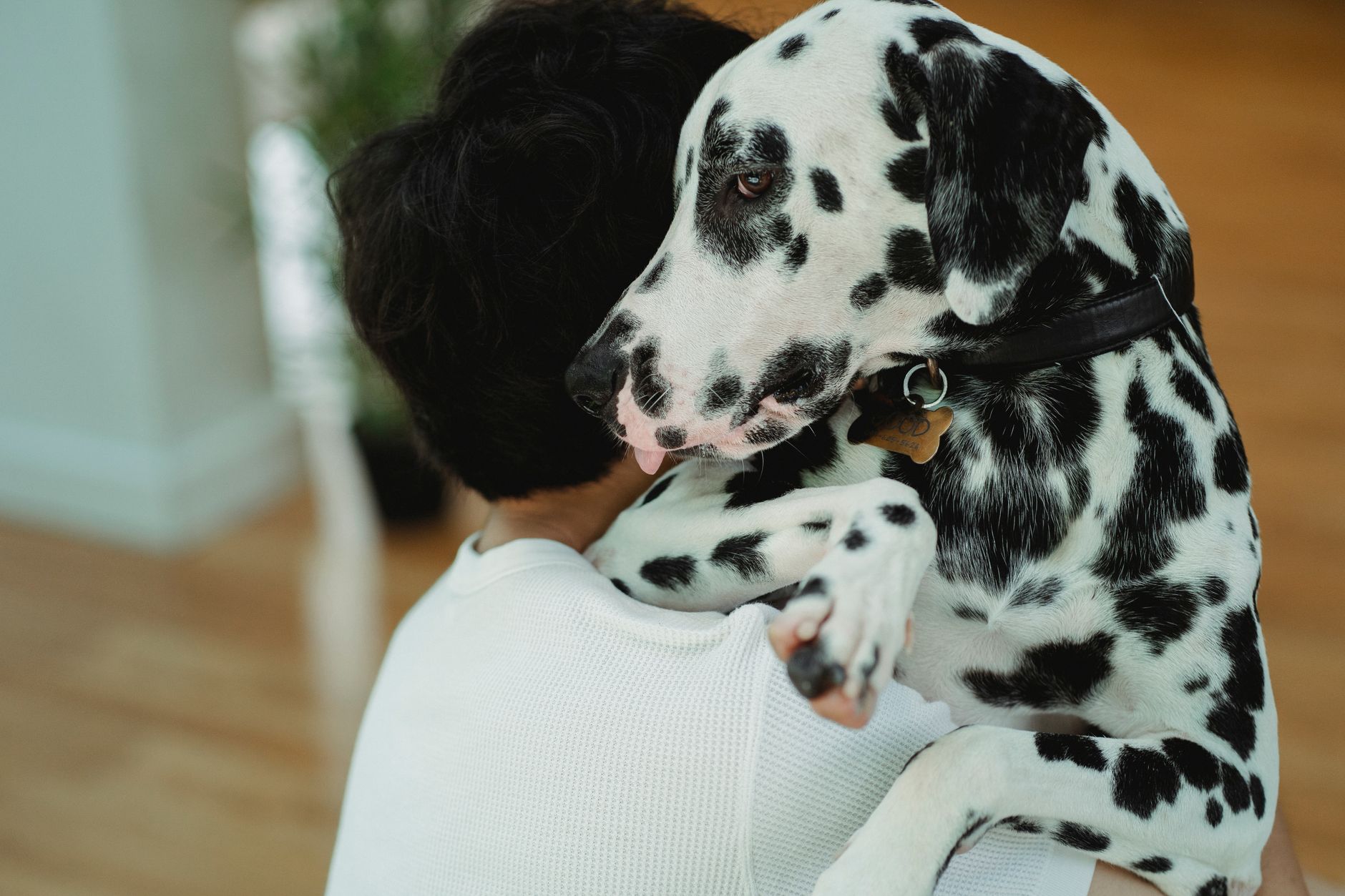
In my fifteen years of running a veterinary practice, I have witnessed dogs perform genuine medical miracles. I am not talking about service dogs performing physical tasks, but the profound physiological impact of a dog gently resting its head on a clinical patient’s lap.
Patients often ask me in the exam room which breeds are truly suited for this intense, highly empathetic work. The truth is that while individual temperament is everything, genetics lay the essential biological foundation.
Today, let’s look at the science of canine empathy and the breeds that consistently stand out in my clinic as exceptional candidates for therapy and emotional support.
Key Takeaways
- Therapy dogs require formal certification to work in public facilities, whereas Emotional Support Animals (ESAs) support a single owner at home.
- Ideal therapy breeds possess high biddability, low arousal levels, and an innate desire for human physical contact.
- Large breeds like Golden Retrievers and Great Danes offer excellent deep pressure therapy (DPT) for psychiatric support.
- Toy breeds like Cavalier King Charles Spaniels are perfect for bedside visits and handlers with limited physical mobility.
- Standard Poodles provide a highly trainable, low-dander option for allergen-sensitive environments.
- Orthopedic and cardiac clearances are vital before initiating any rigorous therapeutic training program.
In This Article
- The Clinical Difference: Therapy vs. Emotional Support
- 1. The Golden Retriever: The Instinctive Consoler
- 2. The Labrador Retriever: The Adaptable Pillar
- 3. The Cavalier King Charles Spaniel: The Ultimate Lap Companion
- poodle-the-intuitive-intellectual”>4. The Standard Poodle: The Intuitive Intellectual
- 5. The Pembroke Welsh Corgi: The Engaging Motivator
- 6. The Great Dane: The Serene Giant
- pomeranian-the-portable-powerhouse-of-joy”>7. The Pomeranian: The Portable Powerhouse of Joy
The Clinical Difference: Therapy vs. Emotional Support
Before diving into the breeds, we must clarify a common point of confusion in my exam rooms. Many clients use the terms ‘therapy dog’ and ’emotional support animal’ interchangeably, but clinically and legally, they are vastly different.
Therapy dogs are trained to provide comfort to many people in institutional settings like hospitals, schools, and disaster zones. They must possess a rock-solid, unflappable temperament to handle unpredictable environments.
Emotional Support Animals (ESAs), on the other hand, provide dedicated comfort to a single handler with a diagnosed mental health condition. They do not require specialized public access training, but they must still be highly stable, well-behaved companions.
- Therapy Dogs: Trained to interact with strangers, require formal testing/certification, have no automatic public access rights.
- Emotional Support Animals: Support one specific owner, require a prescription letter from a licensed mental health professional, are protected under housing laws.
- Service Dogs: Individually trained to perform specific tasks for a disability, protected under the ADA with full public access rights.
Pedigree Puppy Dry Dog Food, Chicken & Vegetable
- ✓Made with 36 vitamins, minerals and amino acids
- ✓High-quality protein for muscle development
- ✓Complete and balanced nutrition for puppies
- Extra protein, DHA and balanced minerals support a puppy’s rapid growth through the first year

1. The Golden Retriever: The Instinctive Consoler
There is a reason Golden Retrievers are the classic choice for therapeutic work. In my clinical experience, they possess an incredibly high threshold for stress and an unmatched capacity to absorb human emotion.
When I watch a Golden in a therapy setting, I see a dog that actively seeks out the person in the room who needs comfort most. Their oxytocin levels—the hormone linked to bonding and trust—spike significantly during positive human interactions.
However, as a vet, I must warn you about their orthopedic health. Before committing a Golden to active therapy work, which involves walking on hard hospital floors, you must ensure their joints are sound.
- Excellent for: Deep pressure therapy, pediatric wards, and stress relief in high-anxiety environments.
- Pros: Extremely forgiving temperament, highly biddable, physically sturdy enough for gentle leaning.
- Cons: Heavy shedding requires meticulous grooming before visits, prone to hip and elbow dysplasia.
- Clinical Tip: Always request OFA (Orthopedic Foundation for Animals) hip and elbow clearances from your breeder.

2. The Labrador Retriever: The Adaptable Pillar
If Goldens are the emotional softies, Labradors are the rock-solid pillars of the therapy world. I love Labs for their sheer adaptability and predictable, stable temperaments under pressure.
In my practice, I find that Labs handle the chaotic stimuli of hospitals—dropping food trays, squeaking medical carts, beeping monitors—better than almost any other breed. They have an incredible work ethic and view every therapeutic task as an exciting game.
Keep in mind that young Labs can be overly enthusiastic. They need structured training to channel that famous puppy energy into calm, controlled therapeutic behavior.
- Excellent for: Physical rehabilitation support, veteran centers, and active emotional support roles.
- Pros: High food motivation makes them incredibly easy to train, short coat is easy to keep sanitary.
- Cons: Can be mouthy during youth, highly prone to obesity which stresses their joints.
- Clinical Tip: Monitor their weight closely; an overweight therapy dog cannot safely perform active physical assistance tasks.

3. The Cavalier King Charles Spaniel: The Ultimate Lap Companion
For bedridden patients, elderly individuals, or those living in small apartments, the Cavalier King Charles Spaniel is unmatched. I often refer to them as professional, biological heating pads.
CWAWZ Orthopedic Cooling Gel Memory Foam Dog Bed, XL
- ✓3-inch orthopedic foam with cooling gel layer
- ✓Waterproof TPU lining; washable cover
- ✓CertiPUR-US foam, non-slip bottom
- Supportive foam cushions hips and joints, ideal for large, senior or dysplasia-prone dogs
These dogs were literally bred for close human companionship, and it shows in their gentle, melting expressions. They do not just tolerate lap time; they actively crave it, making them perfect for passive emotional support.
Clinically, however, this breed is prone to genetic health issues. If you are considering a Cavalier, you must be extremely diligent about cardiac and neurological screening.
- Excellent for: Nursing homes, hospice care, and individuals seeking low-energy emotional support.
- Pros: Naturally gentle, perfect size for resting directly on hospital beds, highly affectionate with strangers.
- Cons: Highly susceptible to Mitral Valve Disease (MVD) and Syringomyelia.
- Clinical Tip: Ensure any Cavalier candidate undergoes annual echocardiograms by a board-certified veterinary cardiologist.

4. The Standard Poodle: The Intuitive Intellectual
Do not let their fancy haircuts fool you; Poodles are elite working dogs. I highly recommend Standard Poodles for therapy work because of their staggering intelligence and hypoallergenic coats.
Poodles possess an almost telepathic sensitivity to their owner’s emotional shifts. In my clinic, Poodles are often the first to notice when a handler’s breathing changes or when they begin to hyperventilate.
Their low-shedding curly coat is a massive asset. Many hospitals and schools have strict allergen policies, and a well-groomed Poodle can easily bypass these environmental hurdles.
- Excellent for: Allergen-sensitive environments, complex psychiatric support tasks, and school reading programs.
- Pros: Minimal dander shedding, highly logical minds that learn complex tasks quickly, athletic and sturdy.
- Cons: Require professional grooming every 4-6 weeks to prevent painful coat matting.
- Clinical Tip: Keep their ear canals clean and dry; Poodles are highly prone to chronic otitis externa (ear infections).

5. The Pembroke Welsh Corgi: The Engaging Motivator
Corgis might seem like an unconventional choice for therapy work, but they are phenomenally effective. In my practice, I have seen Corgis work wonders in pediatric clinics and speech therapy sessions.
Their bright, expressive faces and comical proportions naturally break the ice. They are highly engaging, which is perfect for motivating patients who are reluctant to participate in physical or occupational therapy.
Because they are a herding breed, they have a natural drive to control movement. This means early socialization is critical to prevent any instinctual heel-nipping behaviors.
- Excellent for: Child therapy sessions, physical rehab motivation, and active emotional support.
- Pros: Highly intelligent, charismatic, incredibly sturdy despite their short stature.
- Cons: Can be vocal and bossy if not given clear boundaries, prone to intervertebral disc disease (IVDD).
- Clinical Tip: Keep their weight lean to protect their long spines from debilitating disc herniations.

6. The Great Dane: The Serene Giant
It may surprise you to see a giant breed on this list, but Great Danes are spectacular therapy animals. Often called ‘gentle giants,’ their calm, slow-moving demeanor is incredibly grounding for individuals dealing with severe trauma.
For patients suffering from PTSD, a Great Dane provides a literal physical barrier of safety. Their height allows wheelchair-bound patients or bedridden individuals to easily pet them without having to bend over.
The clinical downside to giant breeds is their shorter lifespan and susceptibility to joint issues and bloat. You must manage their growth very carefully during their first two years of life.
- Excellent for: PTSD support, wheelchair-bound patients, and deep pressure stimulation.
- Pros: Unmatched calming presence, perfect height for standing physical contact, generally low energy indoors.
- Cons: Short lifespan (typically 6-8 years), high food and medication costs, drooling.
- Clinical Tip: Keep a clean towel handy during visits to manage drool and maintain clinical hygiene standards.
Managing Giant Breed Orthopedics
Great Danes grow at an astronomical rate, which puts immense stress on their developing skeletal system. I always recommend slow-growth diets with precise calcium-to-phosphorus ratios.
- Feed large or giant breed puppy food for the first 12 to 18 months of life.
- Avoid high-impact jumping and running on slick surfaces during their major growth phases.
- Discuss preventive gastropexy surgery to protect against life-threatening Gastric Dilatation-Volvulus (GDV).
7. The Pomeranian: The Portable Powerhouse of Joy
On the opposite end of the size spectrum, we have the Pomeranian. These tiny dogs pack a massive emotional punch and are outstanding for targeted emotional support.
In my clinic, I often suggest Pomeranians as ESAs for seniors or individuals with limited mobility. Their small size makes them incredibly easy to care for, and their cheerful, spunky attitudes are a natural antidote to depression.
Despite their tiny size, they are highly intelligent and can learn to perform tasks like alerting a handler to a panic attack. However, their fragile bones mean they must be handled with extreme care.
- Excellent for: Senior living facilities, bedside emotional support, and handlers with limited living space.
- Pros: Highly portable, deeply affectionate, require minimal physical exercise to stay happy.
- Cons: Highly fragile skeleton prone to fractures, prone to tracheal collapse and luxating patellas.
- Clinical Tip: Always walk a Pomeranian on a harness rather than a collar to prevent permanent damage to their delicate trachea.
-
Pecute Skin-Friendly Self-Cleaning Slicker BrushFine wire pins lift loose undercoat and work out small tangles before they turn into mats
-
Nutramax Cosequin Joint Supplement for DogsGlucosamine and chondroitin chews support cartilage and mobility, especially in large, senior and dysplasia-prone dogs
-
Blue Buffalo Bits Chicken Training TreatsSmall, soft treats are quick to eat, so you can reward the right moment and keep training sessions moving
Related Dog Guides
Frequently Asked Questions
Can any breed become a certified therapy dog?
Technically, yes, any breed or mixed breed can become a therapy dog if they possess the right temperament. However, the dog must pass strict behavioral assessments showing they are not reactive to loud noises, medical equipment, or unexpected physical contact.
What is the best age to start training a dog for therapy work?
While you can start basic obedience and socialization at 8 weeks, most therapy organizations require dogs to be at least one year old to undergo certification. This ensures their temperament has matured and is stable enough for high-stress environments.
How do I get my dog certified for therapy work?
You will need to complete basic obedience training, pass the Canine Good Citizen (CGC) test, and then register with a recognized therapy organization like Alliance of Therapy Dogs or Pet Partners. They will conduct field evaluations in real therapy settings.
Is an emotional support animal legally allowed in hospitals?
No, Emotional Support Animals (ESAs) do not have the public access rights that Service Dogs do. ESAs are primarily protected under housing laws and generally cannot accompany you into hospitals, restaurants, or stores unless specifically permitted.
How can I tell if my dog is too stressed during therapy visits?
Watch for physiological signs of stress such as excessive yawning, lip licking, panting when it is not hot, holding their tail low, or avoiding eye contact. If you see these signs, it is your duty as a handler to end the session immediately.
Do therapy dogs need specific health clearances?
Yes, most professional therapy organizations require up-to-date vaccinations, annual veterinary wellness exams, negative fecal tests, and clean skin and coat health. This is vital to protect vulnerable populations in healthcare facilities.
Sources & Further Reading
Final Thoughts
Choosing a breed for therapy or emotional support is a decision that must balance heart and science. In my clinic, I have watched the right dog transform a patient’s entire recovery trajectory, bringing peace where medicine fell short.
Whether you opt for the intuitive warmth of a Golden Retriever, the hypoallergenic brilliant mind of a Poodle, or the serene grounding of a Great Dane, prioritize their physical and psychological well-being above all else. Remember that therapy work is a true partnership; your dog can only support others if they are fully supported by you.
Keep up with their veterinary care, listen to their subtle stress cues, and cherish the profound gift of their companionship.