

Quick Summary
While working full-time presents unique challenges for dog ownership, selecting independent, lower-energy breeds like Greyhounds, Basset Hounds, or Boston Terriers can lead to a highly successful partnership. Success depends on matching the dog’s biological sleep-wake cycle with your work hours and establishing a structured morning routine. Always consult your veterinarian to customize a safe physical and mental care plan tailored to your dog’s specific anatomy and lifestyle.
As an Amazon Associate, we earn from qualifying purchases.
Popular with dog owners: Cat Bed · Calming Chews · Pet Camera
As a veterinarian, I hear the same anxious question every single week in my exam room: ‘Dr. Heller, is it fair for me to get a dog when I work a 40-hour week?’ My answer is always a nuanced ‘yes, but only if you choose the right breed and set them up for success.’
Many people make the mistake of choosing a high-drive working breed like a Border Collie or Australian Shepherd, only to end up back in my office treating stress-induced tail chewing or destructive anxiety.
The key to a successful working-owner dynamic is selecting a breed whose biological sleep-wake cycle and energy levels naturally align with your office hours.
Key Takeaways
- Choose breeds with low-drive, sprinter-style energy levels rather than high-endurance working breeds.
- Understand that adult dogs can comfortable manage six to eight hours of alone time if their environment is enriched.
- Prioritize physical and mental stimulation in the morning before you head out the door for work.
- Be highly aware of breed-specific anatomical risks, such as overheating in brachycephalic dogs left in warm homes.
- Utilize professional dog walkers or interactive puzzle toys to break up long stretches of isolation.
- Establish a consistent, predictable daily routine to minimize cortisol spikes and prevent separation anxiety.
In This Article
- The Clinical Reality of the 9-to-5 Dog
- greyhound-the-45-mph-couch-potato”>The Greyhound (The 45-MPH Couch Potato)
- The Basset Hound (The Low-Gear Lounge Expert)
- bulldog-the-climate-controlled-companion”>The French Bulldog (The Climate-Controlled Companion)
- whippet-the-quiet-and-gentle-lounger”>The Whippet (The Quiet and Gentle Lounger)
- The Boston Terrier (The Adaptable Gentleman)
- The Miniature Schnauzer (The Alert and Independent Partner)
- Dr. Heller’s Clinical Guide to Workday Setup
The Clinical Reality of the 9-to-5 Dog
In my years treating dogs, I have seen firsthand how isolation affects different breeds. Some dogs handle solitude with graceful slumber, while others develop severe physiological stress that manifests as digestive issues, obsessive grooming, or panic-induced escape attempts.
Before you bring any dog into a home where they will be alone for eight to nine hours, you must understand their physiological limits. A dog’s bladder capacity, cognitive need for stimulation, and natural sleep patterns must be factored into your daily routine.
I always tell my clients that a successful working-owner relationship relies on realistic expectations. You cannot expect a high-energy dog to happily wait for you all day without suffering behavioral or physical consequences.
- Bladder capacity: Adult dogs can physically hold their urine for up to eight hours, but six hours is the comfortable clinical recommendation.
- Sleep cycles: Most adult dogs naturally sleep between 12 to 14 hours a day, which aligns well with a workday if structured correctly.
- Stress indicators: Watch out for hot spots, thinned fur on paws from licking, or localized hair loss, which often signal isolation anxiety.
Hoewina Calming Donut Bed for Cats & Small Dogs, 20 in
- ✓Raised edges for a secure, cosy feel
- ✓Waterproof, anti-slip bottom
- ✓Soft plush with PP cotton filling
- A soft, warm bed gives your cat a favourite napping spot of their own
The Age Factor
Puppies under six months old cannot physically manage a full workday alone. Their renal systems are undeveloped, and they require potty breaks every few hours.

The Greyhound (The 45-MPH Couch Potato)
Many of my clients are shocked when I recommend Greyhounds for apartment living and full-time workers. They see a racing dog and assume these animals require miles of running every single day to stay healthy.
In reality, Greyhounds are sprinters, not endurance athletes. Once they have completed a brief morning walk, their biological drive is to curl up on a soft surface and sleep for the next six to eight hours.
From a clinical perspective, Greyhounds have remarkably quiet temperaments and rarely suffer from the high-strung vocalizations common in other large breeds. They are incredibly gentle, polite, and perfectly content to wait for your return.
- Exercise requirement: A simple 20-to-30 minute walk in the morning and evening is usually more than enough.
- Grooming needs: Extremely low-maintenance, short coats that do not trap odors or require frequent professional grooming.
- Space efficiency: Despite their tall frame, they fold up tightly and are exceptionally quiet, making them ideal for apartments.
Anesthesia Sensitivity
As a clinical note, Greyhounds have unique liver metabolism. They require specific anesthesia protocols during any veterinary surgery.

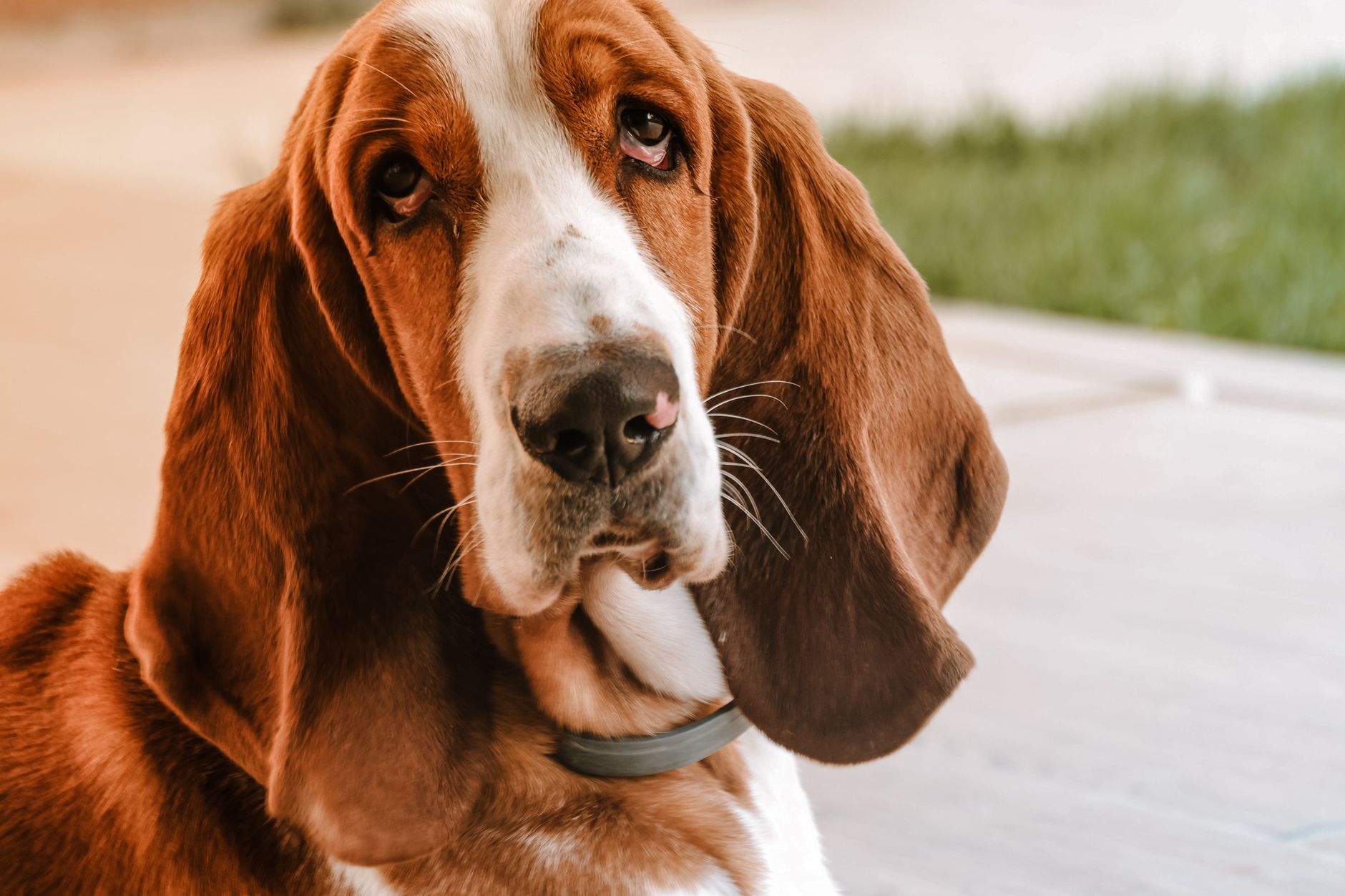
The Basset Hound (The Low-Gear Lounge Expert)
If you want a dog that views your absence as a golden opportunity to sleep, the Basset Hound is an outstanding clinical candidate. These dogs operate in low gear and possess a naturally calm, independent disposition.
In my practice, I rarely see Basset Hounds presenting with acute separation anxiety. They are highly independent and historically bred to hunt in packs, meaning they are generally laid-back and self-soothing when left alone.
However, their long, low anatomy means you must be proactive about their physical health. Because they are prone to joint strain and obesity, their diet must be carefully regulated if they are sedentary during the day.
- Weight management: Since they will be sleeping while you work, you must strictly measure their kibble to prevent obesity-induced joint stress.
- Ear care: Their long ears trap moisture easily, requiring weekly cleaning to prevent painful yeast and bacterial infections.
- Spinal health: Avoid homes with multiple flights of steep stairs, as their long backs are prone to Intervertebral Disc Disease (IVDD).
Ear Cleaning Technique
To clean a Basset’s ears, always use a vet-approved drying solution. Squirt the cleaner into the canal, massage the base of the ear, and gently wipe away debris.
The French Bulldog (The Climate-Controlled Companion)
French Bulldogs have exploded in popularity, and for working professionals, their appeal is highly obvious. They are compact, exceptionally affectionate, and require very little physical exercise to remain healthy.
What I see most often in practice is that Frenchies are expert daytime sleepers. They are perfectly happy to lounge on the sofa for hours, provided they are kept in a comfortable, climate-controlled environment.
Love’s Cabin Round Donut Cat and Dog Bed
- ✓Nest-like walls for a sense of security
- ✓Raised rim to rest the head
- ✓OEKO-TEX Standard 100 certified
- A soft, warm bed gives your cat a favourite napping spot of their own
As a veterinarian, I must emphasize that their flat-faced anatomy makes them highly vulnerable to heat. You must never leave them in a warm house without active air conditioning, as they cannot cool themselves efficiently through panting.
- Temperature control: Always keep your thermostat set to a cool temperature (under 72 degrees Fahrenheit) while you are away.
- Facial hygiene: Their deep facial wrinkles must be wiped clean daily to prevent painful skin fold dermatitis.
- Activity limits: Avoid vigorous exercise during the heat of the day; schedule short walks only in the cool mornings and evenings.
Brachycephalic Airway Syndrome
Many French Bulldogs suffer from stenotic nares and elongated soft palates. This limits their airflow, making cool, quiet environments a clinical necessity.

The Whippet (The Quiet and Gentle Lounger)
Think of the Whippet as a smaller, highly refined cousin of the Greyhound. They possess the same sweet, low-energy indoor temperament but in a much more compact twenty-pound package.
Whippets are incredibly clean, odor-free, and notoriously quiet dogs. They rarely bark, which will keep your neighbors happy while you are away at the office all day.
In my clinical experience, Whippets are highly sensitive to cold temperatures due to their lack of body fat. You will need to provide them with warm, cozy bedding or even a fleece jacket during the colder winter months.
- Bedding needs: They require deep, orthopedic beds to protect their prominent bony pressure points from developing sores.
- Anxiety prevention: They are highly bonded to their owners, so crate training should be introduced slowly and positively from day one.
- Leash safety: Due to their high prey drive, they must always be kept on a leash or within a securely fenced area when outdoors.
Skin Care
Whippets have very thin skin with minimal fat padding. They tear their skin easily on low branches or sharp corners, so inspect them daily.

The Boston Terrier (The Adaptable Gentleman)
Boston Terriers are often called the ‘American Gentlemen’ because of their dapper tuxedo coats and polite, even-tempered personalities. They are highly adaptable dogs that fit perfectly into a busy professional’s lifestyle.
These dogs are highly self-contained and intelligent, allowing them to entertain themselves with puzzle toys while you are out. They do not demand constant attention, yet they are incredibly affectionate when you return home.
I frequently recommend Boston Terriers because they strike a perfect balance between a companion that is happy to snuggle and a pet that can handle a standard workday with ease.
- Mental enrichment: Leave them with safe, durable rubber toys stuffed with frozen peanut butter to keep their minds active.
- Eye protection: Because of their prominent eyes, check them daily for any signs of redness, squinting, or discharge.
- Nocturnal habits: They are notorious snorers and deep sleepers, meaning they will spend the majority of your workday in a deep slumber.
Eye Care Advice
Boston Terriers have prominent eyes prone to corneal ulcers. Keep your home free of sharp, protruding low-level hazards.

The Miniature Schnauzer (The Alert and Independent Partner)
For professionals who prefer a highly intelligent, hypoallergenic breed, the Miniature Schnauzer is an exceptional choice. They possess a sturdy, independent spirit that makes them highly resilient to being alone.
Unlike softer toy breeds that may panic when left behind, Schnauzers are naturally brave and confident. They will happily patrol the house, look out the window, and sleep peacefully until you return.
From a health perspective, they are low-shedding, which means you won’t return home to a house covered in pet dander. However, they do require regular professional grooming to prevent painful mats in their wiry coats.
- Grooming schedule: Expect to take your Schnauzer to a professional groomer every six to eight weeks to maintain their coat.
- Barking management: Because they are natural watchdogs, early training is essential to prevent them from barking at corridor noises.
- Dietary care: This breed is highly prone to pancreatitis, so you must strictly avoid feeding them table scraps or high-fat treats.
Pancreatitis Risk
Schnauzers struggle with fat metabolism, which can trigger acute pancreatitis. Ensure their daily kibble is low-fat and highly digestible.
Dr. Heller’s Clinical Guide to Workday Setup
Choosing the right breed is only half the battle; how you structure your dog’s day is what guarantees success. Even the most independent breed will develop behavioral issues if they are left in a sterile, boring environment.
I always tell my clients to focus on environmental enrichment and a structured morning routine. A tired dog is a quiet dog, so waking up thirty minutes earlier to provide physical and mental exercise is non-negotiable.
Additionally, utilizing modern technology can dramatically reduce both your anxiety and your pet’s. Simple tools like pet cameras and interactive feeders can bridge the gap between your departure and your evening return.
- Morning exercise: Dedicate at least twenty minutes to active sniffing walks, which burns more mental energy than a fast run.
- Safe confinement: Use a spacious exercise pen rather than a tight crate if your dog will be alone for the full eight hours.
- Midday visits: If your budget allows, hire a professional dog walker to break up the day, especially during the dog’s senior years.
Using Pet Cameras
Set up a camera with two-way audio to check on your dog. If you notice pacing or excessive whining, it is time to adjust their routine.
-
Purina Pro Plan Calming Care Dog SupplementCalming chews help take the edge off stressful moments like storms, fireworks and car rides
-
Furbo 360° Dog Camera with Treat TossCheck in and comfort your pet while you’re out
-
Amazon Basics Poop Bags with Dispenser & Leash ClipLeak-proof poop bags with a leash dispenser are the everyday basic for clean, considerate walks
Related Dog Guides
Frequently Asked Questions
How long can an adult dog realistically be left alone?
Physically, healthy adult dogs can hold their bladders for up to 8 hours, but clinically I recommend a maximum of 6 hours for comfort. If you must be gone longer, consider arranging a dog walker or a neighbor to provide a quick midday relief break.
Can I leave a puppy alone while I work full-time?
No, puppies under six months cannot handle a full workday alone due to their undeveloped bladders and critical socialization needs. If you adopt a puppy, you must hire a pet sitter or utilize doggy daycare until they reach physical maturity.
Are older, senior dogs better for full-time workers?
Often, yes. Senior dogs sleep significantly more than younger adults and generally have lower exercise requirements. However, they may require more frequent veterinary care and more predictable bathroom breaks due to aging kidneys.
What is the best way to prevent separation anxiety?
The key is building independence from day one by practicing short departures and rewarding calm behavior. Never make a big production out of leaving or returning home, as this signals to your dog that your departure is a stressful event.
Should I get a second dog to keep my first dog company?
I always advise against getting a second dog solely to entertain the first. If both dogs develop separation anxiety, you will have twice the behavioral challenges; only get a second dog if you personally want and can afford another pet.
Is crate training necessary if I am gone for eight hours?
Keeping a dog locked in a tight crate for eight consecutive hours is too restrictive and can lead to joint stiffness and psychological distress. I recommend using a spacious exercise pen or puppy-proofing a safe, dedicated room instead.
Sources & Further Reading
- American Kennel Club (AKC)
- American Veterinary Medical Association (AVMA)
- Merck Veterinary Manual
- PetMD
Final Thoughts
In my clinical experience, any of these breeds can live a safe, happy, and fully enriched life with a dedicated full-time worker. The secret lies in respecting their biological limits and prioritizing quality of time over sheer quantity.
Waking up earlier to provide a rich, sniffing walk makes a massive difference in their daily stress levels. Remember to monitor your pet for any subtle signs of separation distress, like excessive paw licking or destructive chewing.
Always consult with your local veterinarian to tailor a health and wellness plan that suits both your career and your dog’s unique physiology.