
Great Pyrenees vs Anatolian Shepherd: Which Livestock Guardian Fits Your Farm?
 Great Pyrenees vs Anatolian Shepherd: Which Livestock Guardian Fits Your Farm?” loading=”lazy”>
Quick Summary
Choosing between a Great Pyrenees and an Anatolian Shepherd depends on your climate, neighbor proximity, and predator intensity. While the Great Pyrenees excels at vocal, boundaries-based deterrence in cold climates, the athletic Anatolian Shepherd offers a silent, swift, and highly assertive defense style best suited for vast, arid acreages facing apex predators.
As an Amazon Associate, we earn from qualifying purchases.
Popular with dog owners: Puppy Food · Slicker Brush · Dog Coat
As a veterinarian practicing in a rural valley, I consult with homesteaders every week who are struggling to protect their livestock. Choosing a livestock guardian dog (LGD) is not like choosing a family pet.
It is a critical decision that affects the lives of your stock, the safety of your family, and your relationships with your neighbors.
In my clinic, I frequently treat both Great Pyrenees and Anatolian Shepherds. While both are elite guardians, they possess fundamentally different temperaments, physical needs, and defense strategies.
Understanding these breed-specific differences is crucial before bringing one of these giants onto your land. Let us examine how these two magnificent breeds compare under the microscope of clinical practice and real farm life.
Key Takeaways
- Great Pyrenees rely on vocal deterrence and boundary barking, which can cause issues with close neighbors.
- Anatolian Shepherds are silent patrollers that react with explosive speed and a formidable 743 psi bite force.
- The Great Pyrenees requires intensive grooming and is prone to hot spots, while the Anatolian has a low-maintenance short coat.
- Anatolian Shepherds possess a genetic sensitivity to certain veterinary anesthetics and sedatives.
- Both breeds require secure, high-quality fencing as they have a natural biological drive to expand their territory and roam.
- Early socialization and structured bonding with stock between 8 and 16 weeks of age are non-negotiable for success.
In This Article
- Origins and Anatomy: Built for Different Terrains
- The Defense Strategy: Vocal Deterrence vs. Active Intervention
- Clinical Profiles: Common Health Issues and Lifespan
- Fencing and Containment: Preventing the Roaming Instinct
- The Socialization Window: Managing Independence and Human Interaction
- Bonding to Stock: The Crucial Steps for Livestock Success
- Dietary Science: Feeding Giant Working Breeds
- The Decision Matrix: Choosing the Right Breed for Your Farm
Origins and Anatomy: Built for Different Terrains
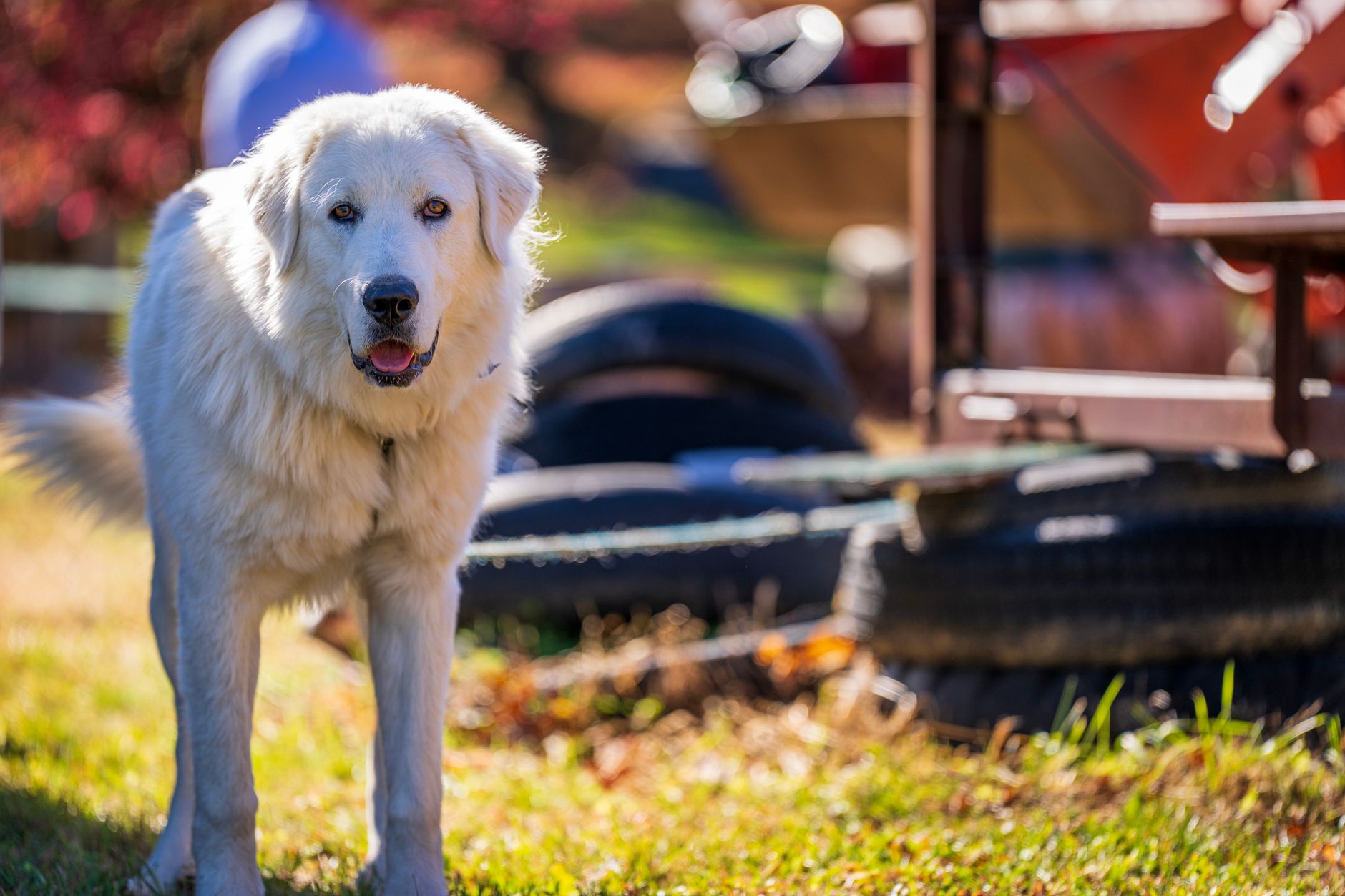
The Great Pyrenees was bred to guard flocks in the snowy Pyrenees Mountains between France and Spain. Their thick, white double coat is highly weather-resistant, designed to shed water and keep them warm in sub-zero temperatures.
In my clinic, I often have to remind owners that this heavy white coat also protects them from sunburn in the summer.
Conversely, the Anatolian Shepherd hails from the rugged, arid Anatolian Plateau of Turkey. They were developed to run long distances across hot, dry terrain to fend off swift wolves and cheetahs.
Their short, dense coat is much easier to maintain, but it offers less protection against extreme, damp cold.
Physically, Anatolians are taller, more muscular, and significantly faster than the Pyrenees. A Pyrenees relies on sheer bulk and presence, whereas an Anatolian relies on speed, agility, and athletic dominance.
- Great Pyrenees: Double-coated, white or badger-marked, weighing 85 to 140+ pounds.
- Anatolian Shepherd: Short-coated, fawn with a black mask, weighing 80 to 150 pounds.
- Pyrenees physical trait: Unique double rear dewclaws that must never be surgically removed unless medically necessary.
- Anatolian physical trait: High-set ears and a deep, athletic chest resembling a mastiff-sighthound cross.
Purina ONE Plus Healthy Puppy Food, Chicken
- ✓Real chicken is the first ingredient
- ✓DHA, found in mother’s milk, for vision and brain development
- ✓Crunchy bites plus tender meaty morsels
- Extra protein, DHA and balanced minerals support a puppy’s rapid growth through the first year
The Dewclaw Distinction
I frequently see new owners asking if they should remove the double rear dewclaws of their Pyrenees. As a veterinarian, I advise against this unless there is a severe medical issue.
These dewclaws are skeletal structures attached by bone, helping them grip uneven, snowy terrain when working.
The Defense Strategy: Vocal Deterrence vs. Active Intervention
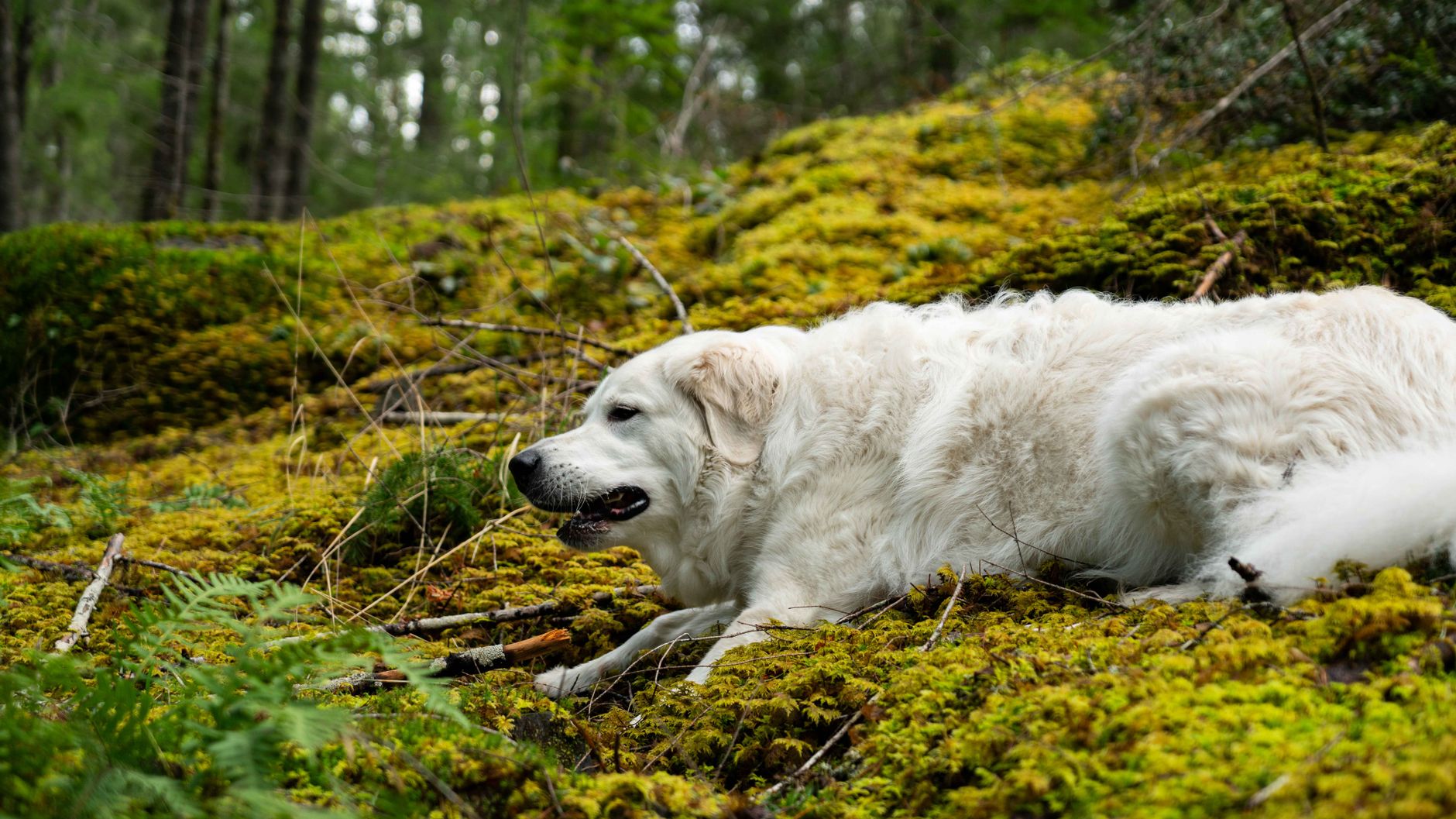
In my years treating working dogs, I have noticed a stark difference in how these breeds handle threats. The Great Pyrenees is primarily a vocal deterrer.
They patrol boundaries and bark loudly, especially at night, to warn predators to stay away before a physical conflict occurs.
An Anatolian Shepherd, however, is a silent patroller. They prefer to conserve their energy and observe quietly from a high vantage point on your property.
When they perceive a threat, they do not rely on warning barks; they charge with explosive speed.
If you have close neighbors, the nocturnal barking of a Great Pyrenees can quickly cause community tension. An Anatolian is quieter but requires a highly experienced handler who can manage their intense, proactive defense drive.
- Pyrenees style: Boundary barking, posturing, nocturnal vigilance, and slow, deliberate escalation.
- Anatolian style: Silent observation, rapid acceleration, early physical engagement, and high territorial drive.
- Neighbor consideration: Pyrenees are often too loud for suburban or semi-rural small tracts of land.
- Predator type: Pyrenees excel against coyotes and birds of prey; Anatolians are better suited for large predators like cougars or wolves.

Clinical Profiles: Common Health Issues and Lifespan
Both of these breeds are giant dogs, which brings specific orthopedic and systemic health considerations. In my clinical experience, Great Pyrenees are highly prone to orthopedic issues like hip dysplasia and patellar luxation.
Their heavy coats also mask skin infections, hot spots, and external parasites if not groomed weekly.
Anatolian Shepherds are incredibly hardy, but they possess a highly sensitive nervous system. Crucially, they are highly sensitive to certain veterinary anesthetics and sedatives, much like sighthounds.
I always adjust my anesthetic protocols down when a working Anatolian comes into my surgical suite.
Both breeds are deep-chested and at risk for Gastric Dilatation-Volvulus (GDV), commonly known as bloat. This is a life-threatening emergency where the stomach twists on itself, requiring immediate surgical intervention.
- Anesthetic Sensitivity: Anatolians require careful dosing of drugs like Acepromazine and barbiturates.
- Double Dewclaw Injuries: Pyrenees dewclaws can snag on thick brush and rip, requiring prompt veterinary care.
- Skin Hot Spots: Pyrenees suffer from moist dermatitis under their thick undercoat during humid summer months.
- Hip and Elbow Dysplasia: Both breeds must be screened via PennHIP or OFA clearance before being bred.
Pedigree Puppy Dry Dog Food, Chicken & Vegetable
- ✓Made with 36 vitamins, minerals and amino acids
- ✓High-quality protein for muscle development
- ✓Complete and balanced nutrition for puppies
- Extra protein, DHA and balanced minerals support a puppy’s rapid growth through the first year

Fencing and Containment: Preventing the Roaming Instinct
LGDs have a biological drive to expand their territory to keep predators at a distance. I tell my clients that to a Great Pyrenees, ‘if they can see it, they own it.’ They are notorious roamers who will happily wander miles away if not properly contained.
Anatolians are equally challenging to contain but for a different reason: they are incredibly athletic. They can easily clear a four-foot fence from a standstill when motivated.
They are also powerful diggers who can excavate under standard fence lines in minutes.
Traditional agricultural fencing, like standard hog wire, is rarely sufficient for either breed. You must design your containment with their specific physical capabilities in mind to prevent escapes.
- Fencing Height: A minimum of five to six feet is required to contain an active Anatolian Shepherd.
- Dig Deterrents: Burying aprons of hardware cloth or running a hot wire near the ground prevents digging.
- Boundary Training: Electric containment systems (invisible fences) rarely work on these high-pain-tolerance breeds.
- Gate Security: Anatolians are highly intelligent and often learn to manipulate simple gate latches with their paws.

The Socialization Window: Managing Independence and Human Interaction
I cannot overstate how critical early socialization is for these guardian breeds. They are not Golden Retrievers; they do not look to humans for permission to act.
They were bred to make independent decisions in the absence of a shepherd.
If you do not socialize an LGD puppy to veterinary handling, farm visitors, and strange vehicles, you will end up with an unmanageable 130-pound liability. I have had to treat unsocialized LGDs in the back of pickup trucks because they were too dangerous to bring inside the clinic.
The goal is not to make them friendly to everyone, but to teach them to tolerate normal human activities without reacting aggressively.
- Critical Window: The most important socialization phase occurs between 3 and 16 weeks of age.
- Veterinary Handling: Practice touching their paws, opening their mouths, and checking their ears from puppyhood.
- Neutral Exposure: Expose them to delivery trucks, farm equipment, and visitors without allowing them to guard or attack.
- Professional Guidance: If you see signs of resource guarding or unwarranted aggression, seek professional help immediately.

Bonding to Stock: The Crucial Steps for Livestock Success
A common mistake I see clients make is treating an LGD puppy like a house pet for the first year, then expecting them to guard sheep. A working LGD must be bonded to their stock from a young age.
This process requires patience, supervision, and structured environments.
Puppies should be placed with calm, maternal stock that will teach them boundaries without injuring them. A protective ewe or doe will quickly correct a puppy that tries to play too roughly.
During the adolescent phase—usually between 6 and 18 months—these dogs will test boundaries. This is when I see the most injuries to stock from playful or frustrated young dogs.
- Safe Transition: Place 8-week-old puppies in a secure pen adjacent to the stock, allowing sensory contact without physical danger.
- Calm Mentors: Pair your puppy with an experienced, mature LGD who can model appropriate guardian behavior.
- No Unsupervised Play: Never leave an adolescent dog alone with fragile stock like lambs or kid goats.
- Corrective Action: Use drag lines or separation pens to immediately halt any chasing or playful nipping behaviors.

Dietary Science: Feeding Giant Working Breeds
Proper nutrition is vital to prevent rapid growth, which can lead to severe developmental orthopedic diseases. In my practice, I recommend feeding large-breed-specific puppy food with a carefully balanced calcium-to-phosphorus ratio.
This ensures their bones grow at a slow, controlled rate.
Working LGDs also have vastly different caloric needs depending on the season. A Great Pyrenees patrolling in sub-zero winter temperatures requires up to 50% more calories than they do during the summer.
Anatolian Shepherds are highly efficient keepers and can easily become overweight if fed a standard high-calorie working diet without the physical output to match. Obesity in a giant breed severely accelerates osteoarthritis.
- Calcium-to-Phosphorus Ratio: Keep this ratio between 1.1:1 and 1.3:1 during the critical first 12 months.
- Slow Growth: Aim for a lean body condition score of 4 out of 9 during their growing phases.
- Seasonal Adjustments: Increase fat and protein content in winter for outdoor-dwelling Pyrenees.
- Preventing Bloat: Feed smaller, twice-daily meals rather than one large meal, and restrict heavy exercise after eating.
The Decision Matrix: Choosing the Right Breed for Your Farm
Deciding between these two incredible guardians comes down to your specific farm layout, climate, and predator pressure. If you live in a colder, wetter climate with nearby neighbors, a Great Pyrenees is often the better fit, provided you manage their barking.
If you have a vast acreage in a hot, dry climate with high-level predators like mountain lions or wolves, the athletic Anatolian is unmatched. They are highly independent and capable of covering immense territory quickly.
Remember that both breeds require an experienced handler who understands the independent, non-servile nature of livestock guardians. They are partners on the farm, not tools.
- Choose Pyrenees if: You have cold winters, close neighbors, standard predators (coyotes, foxes), and want a slightly softer temperament.
- Choose Anatolian if: You have vast, open land, hot summers, apex predators, and have extensive dog training experience.
- Avoid Pyrenees if: You cannot tolerate loud, repetitive nighttime barking or do not want to groom a thick double coat.
- Avoid Anatolian if: You have high foot traffic, frequent strangers on the farm, or lack high-security fencing.
-
Pecute Skin-Friendly Self-Cleaning Slicker BrushFine wire pins lift loose undercoat and work out small tangles before they turn into mats
-
Waterproof Dog Winter Coat with Built-In HarnessKeeps short-coated, slim and small dogs warm on cold or wet walks
-
Rywell Dog Cooling Mat 2.0, 44 x 32 inPressure-activated cooling helps dogs that struggle in the heat stay comfortable on warm days
Related Dog Guides
Frequently Asked Questions
Are Great Pyrenees or Anatolian Shepherds good with children?
Yes, both can be exceptionally gentle with their family’s children when raised with them. However, because of their massive size and intense guardian instinct, they should always be closely supervised around visiting children, whom they may perceive as intruders.
Can these breeds live as indoor pets?
While they can adapt to indoor life, it is generally not recommended for working-line LGDs. They have a deep-seated biological drive to patrol and bark, which often leads to severe anxiety and destructive behavior when confined inside a house.
How long does it take for an LGD to become fully reliable with livestock?
In my experience, most LGDs do not reach full mental and behavioral maturity until they are 2 to 3 years old. Until that point, they require regular supervision and active training to prevent adolescent mishaps with the stock.
Do Anatolian Shepherds shed as much as Great Pyrenees?
Anatolians shed much less on a daily basis due to their short coat, but they will still ‘blow’ their undercoat twice a year. Great Pyrenees shed continuously year-round and require intensive weekly brushing to prevent painful mats and hot spots.
Can you keep a male and female LGD together?
Yes, keeping a male and female pair of opposite sexes is often the ideal configuration for predator defense. They tend to work together seamlessly, and opposite-sex pairings rarely suffer from the same-sex aggression common in these dominant breeds.
Which breed has a higher bite force?
Anatolian Shepherds have one of the strongest bite forces of any dog breed, measured at approximately 743 psi. This is significantly higher than the Great Pyrenees, reflecting their physical design for direct conflict with large predators.
Sources & Further Reading
- American Kennel Club (AKC)
- Merck Veterinary Manual
- American Veterinary Medical Association (AVMA)
- PetMD
Final Thoughts
Ultimately, integrating a livestock guardian dog into your farm is a long-term commitment that requires patience, clinical awareness, and proper training. As a veterinarian, my goal is always to see healthy, well-adjusted animals that thrive in their working roles.
Both the Great Pyrenees and the Anatolian Shepherd are marvels of canine evolution, each uniquely suited to protect your livelihood. Take the time to evaluate your farm’s physical layout, your local predator profile, and your own experience level before making a decision.
When properly matched and cared for, these dogs will reward you with unparalleled dedication and peace of mind.