
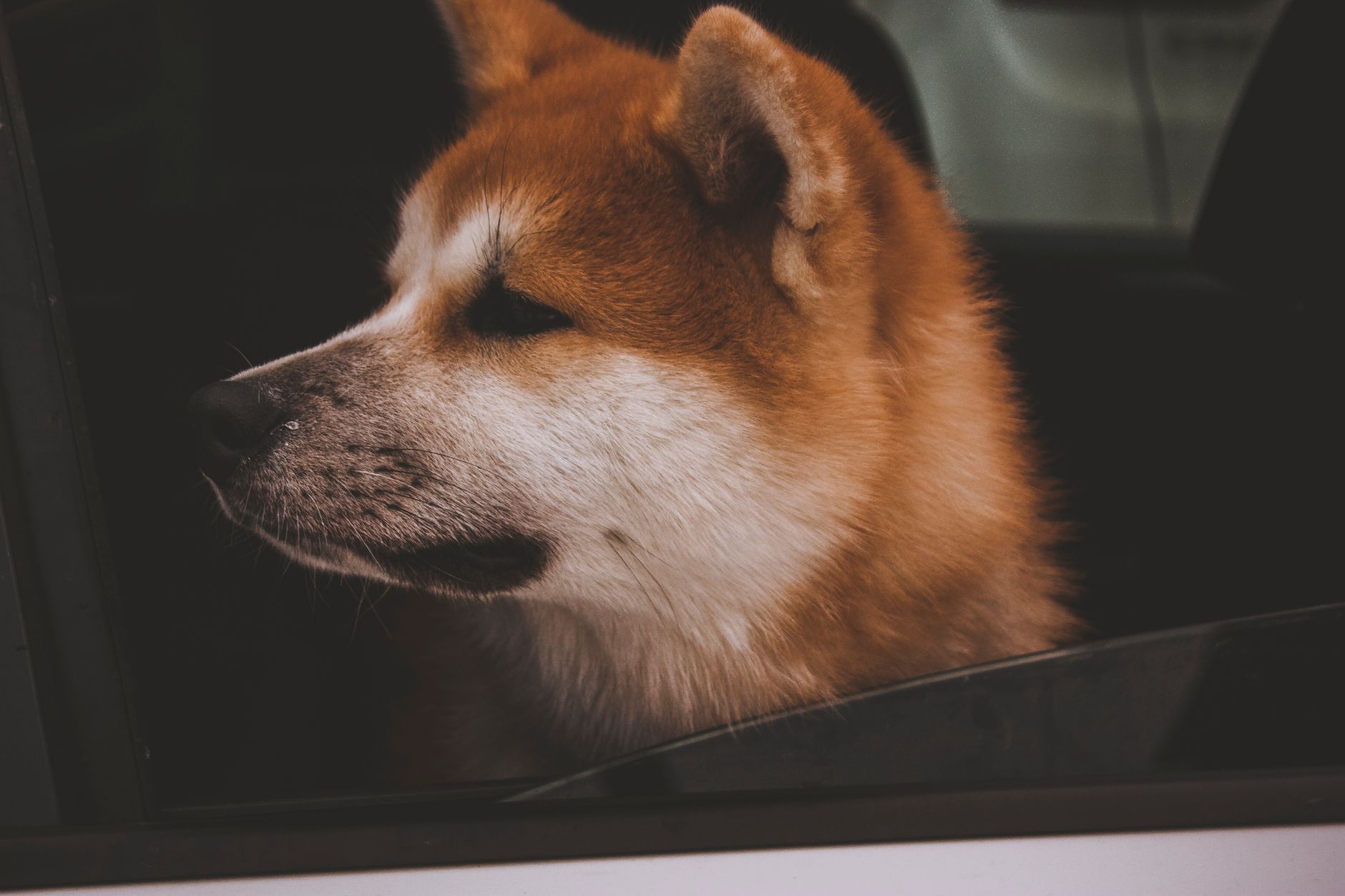
 Shiba Inu vs
Quick Summary
While the Shiba Inu and Akita share a proud Japanese heritage and stunning Spitz features, they are drastically different in size, temperament, and health needs. The compact Shiba is a spirited, independent escape artist, while the massive Akita is a powerful, protective guardian requiring experienced handling. Prospective owners must carefully weigh the Akita’s heavy guarding instincts and giant-breed health risks against the Shiba’s high-strung, cat-like nature and long lifespan.
As an Amazon Associate, we earn from qualifying purchases.
Popular with dog owners: Dog GPS Tracker · Treat Pouch · Orthopedic Dog Bed
In my years treating dogs at my veterinary practice, I have welcomed countless Japanese Spitz breeds through our clinic doors. Owners are inevitably drawn to their fox-like faces, plush double coats, and dignified, clean habits.
However, I often see clients struggle when they fail to recognize the profound differences between the nimble Shiba Inu and the colossal Akita. Choosing between them is not just a matter of selecting “small” or “large”—it is a choice between two completely different lifestyles and medical profiles.
Key Takeaways
- Shibas and Akitas are ancient Japanese Spitz breeds with dense double coats, curled tails, and highly independent, aloof temperaments.
- The physical scale is vastly different, with Shibas weighing under 23 pounds and Akitas easily reaching up to 130 pounds.
- Shibas have an incredibly intense prey drive and are notorious escape artists, requiring secure harnesses and constant supervision.
- Akitas possess deep guarding instincts and must be extensively socialized from puppyhood to prevent dog-on-dog and stranger aggression.
- Health concerns differ drastically: Shibas are prone to allergies and luxating patellas, while Akitas face life-threatening bloat (GDV) and joint dysplasia.
- Grooming demands are high for both, featuring intense ‘blowouts’ of their dense undercoats twice a year.
In This Article
- Ancient Origins: The Hunting and Guarding Heritage
- Physical Differences: Comparing Compact Agility to Giant Power
- Temperament: The Independent Spirit vs. The Loyal Guardian
- Clinical Profiles: Breed-Specific Health Risks
- Shedding and Grooming: Surviving the Double-Coat Blowout
- Training Realities: Managing High-Drive, Independent Breeds
- The Bottom Line: Cost, Space, and Lifestyle Match
Ancient Origins: The Hunting and Guarding Heritage
To truly understand these breeds, we must look at what they were bred to do. Their behaviors in my exam room are direct reflections of their historical working roles in the mountainous regions of Japan.
Both breeds are incredibly ancient, classified as Spitz dogs due to their pointed ears, dense double coats, and curled tails. However, their historical duties could not have been more different.
The Shiba’s Small-Game Past
The Shiba Inu was primarily bred to flush out small game, birds, and wild boar from dense, brushy undergrowth. This history explains their intense, fast prey drive and their remarkable agility.
Tractive Smart Dog GPS Tracker
- ✓Live location updates every 2-3 seconds
- ✓Health monitoring of heart and breathing rates
- ✓Learns your dog’s normal behavior (subscription required)
- Shows your dog’s location on your phone, a real safeguard for escape artists and dogs with a strong prey drive
In my clinic, I see this manifest as a dog that is hyper-aware of its surroundings and lightning-fast to react.
The Akita’s Noble Guarding Legacy
The Akita was developed as a versatile big-game hunter, tracking bears, deer, and wild boars in harsh winter terrain. Eventually, they were prized as royal guardians and status symbols.
This history created a powerful dog with an innate protective drive, making them deeply loyal to their family but naturally suspicious of outsiders.

Physical Differences: Comparing Compact Agility to Giant Power
When an Akita walks into my clinic, it commands the entire room; when a Shiba walks in, it tries to hide under the chairs. The physical scale of these two breeds changes everything from your household space requirements to your veterinary bills.
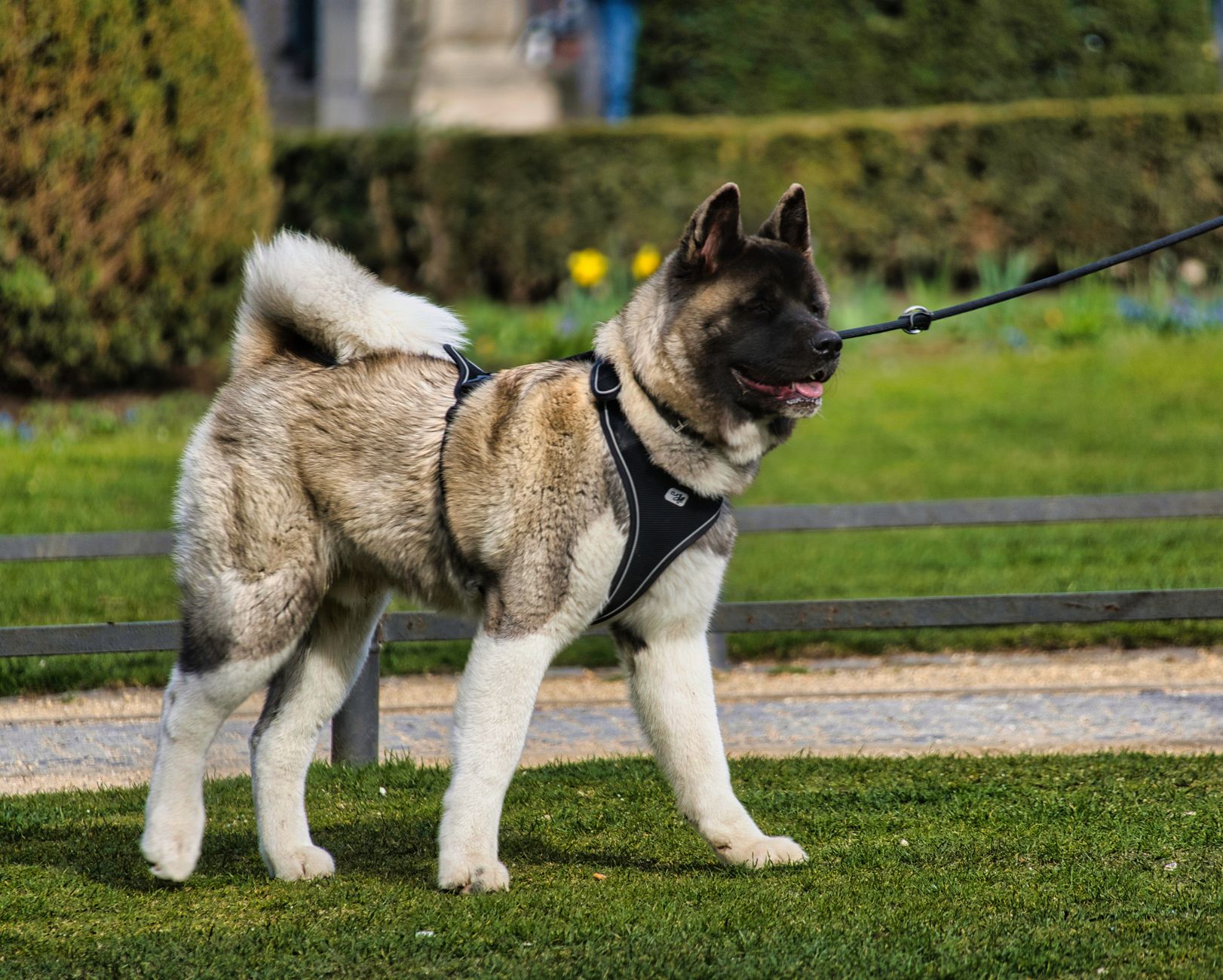
While they look like close cousins in photos, standing next to each other, the Akita is a giant powerhouse, while the Shiba is a compact, fox-like athlete.
- Shiba Inu Weight: Typically ranges from 15 to 23 pounds, making them highly manageable for apartment living.
- Akita Weight: Ranges from 70 to 130 pounds, representing a massive physical presence that requires significant strength to handle.
- Shiba Height: Stands at a compact 13.5 to 16.5 inches at the shoulder.
- Akita Height: Stands at a towering 24 to 28 inches at the shoulder.
- Bone and Muscle Density: Shibas are built for light agility, whereas Akitas possess heavy bones and a broad, deep chest.

Temperament: The Independent Spirit vs. The Loyal Guardian
If you are looking for an eager-to-please dog that hangs on your every word, neither of these breeds will fit the bill. I often tell my clients that Spitz breeds are more like cats than typical dogs.
They are highly independent, fastidiously clean, and often aloof with strangers. However, their reactions to stress and environmental stimuli are vastly different.
- The Shiba Scream: Shibas are incredibly vocal when stressed, emitting a high-pitched, dramatic shriek during nail trims or vaccine injections.
- Akita Stoicism: Akitas are silent, stoic guardians who rarely bark without cause, making them excellent watchdogs but harder to read clinically.
- Prey Drive: Both possess intense prey drives, but the Akita’s sheer size makes their prey drive far more dangerous to neighborhood cats and small dogs.
- Stranger Danger: Shibas will generally ignore strangers, while un-socialized Akitas may perceive strangers as active threats to their family.
- ✓Side pockets for keys, phone or bags
- ✓Adjustable strap or belt clip
- ✓Removable inner bag for easy cleaning
- A clip-on treat pouch keeps rewards at hand so you can mark good behaviour instantly

Clinical Profiles: Breed-Specific Health Risks
From a veterinary standpoint, these breeds present entirely different medical files in my practice. Shibas are generally hardy, long-lived dogs that suffer from orthopedic and dermatological issues.
Akitas, as a giant breed, face life-threatening emergencies that require immediate intervention.
As a veterinarian, I cannot stress enough the importance of genetic screening before purchasing either breed. Knowing these risks allows us to implement preventative care plans early in your dog’s life.
- Shiba Patellar Luxation: The kneecaps can slip out of alignment, which I frequently diagnose during routine adolescent physical exams.
- Shiba Allergies (Atopic Dermatitis): Shibas are notorious for chronic skin allergies, leading to paw-chewing, ear infections, and hair loss.
- Shiba Glaucoma: A painful buildup of fluid pressure in the eye that can lead to sudden blindness if left untreated.
The Serious Medical Risks of the Akita
Akitas are prone to several severe, sometimes life-threatening, hereditary conditions that every owner must watch for closely.
- Gastric Dilation-Volvulus (GDV or Bloat): A critical emergency where the deep-chested stomach fills with gas and twists, cutting off blood supply.
- Hip Dysplasia: A painful joint malformation that leads to severe, debilitating arthritis in their senior years.
- Sebaceous Adenitis: An autoimmune condition where the immune system destroys the skin’s oil glands, causing scaly skin and severe hair loss.
- Uveodermatologic Syndrome: A rare autoimmune disease causing painful inflammation inside the eyes and loss of pigment on the nose and lips.
Shedding and Grooming: Surviving the Double-Coat Blowout
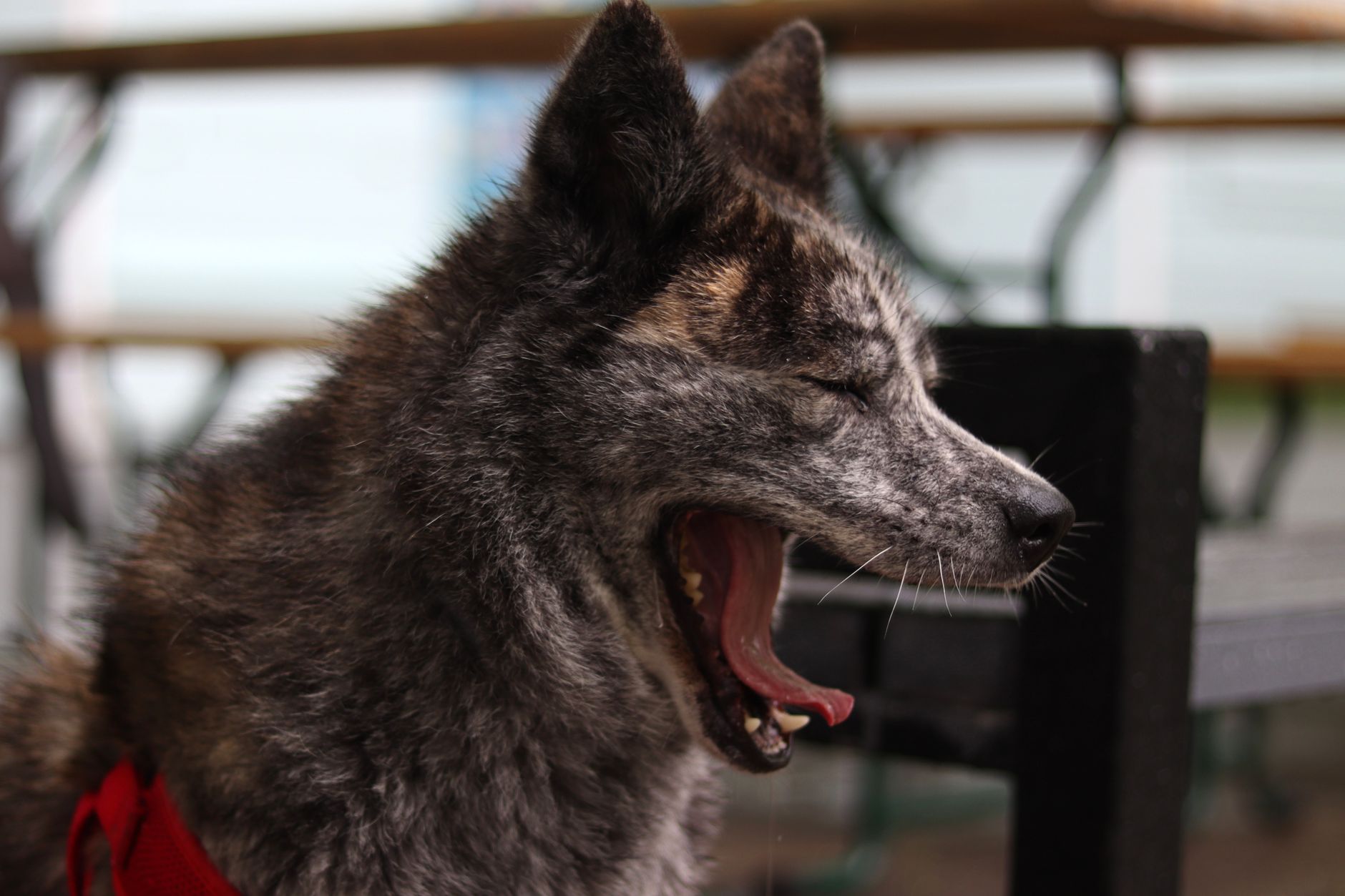
Do not let their clean habits fool you; both breeds shed an astronomical amount of fur. They have a dense, soft undercoat protected by a harsher outer coat.
Twice a year, these breeds undergo ‘coat blowing,’ where the undercoat sheds in massive clumps over a period of several weeks. During this time, daily grooming is non-negotiable to prevent matting and manage the fur in your home.
- Undercoat Rake: Your primary weapon to gently pull out dead, loose undercoat from deep within the fur.
- Slicker Brush: Essential for daily brushing to smooth the topcoat and distribute natural skin oils.
- High-Velocity Blowdryer: I highly recommend investing in one of these to safely blast loose fur out of the coat after baths.
- No Shaving: Never shave a Shiba or Akita, as their double coat acts as insulation against both heat and cold; shaving can permanently damage the coat.
Training Realities: Managing High-Drive, Independent Breeds
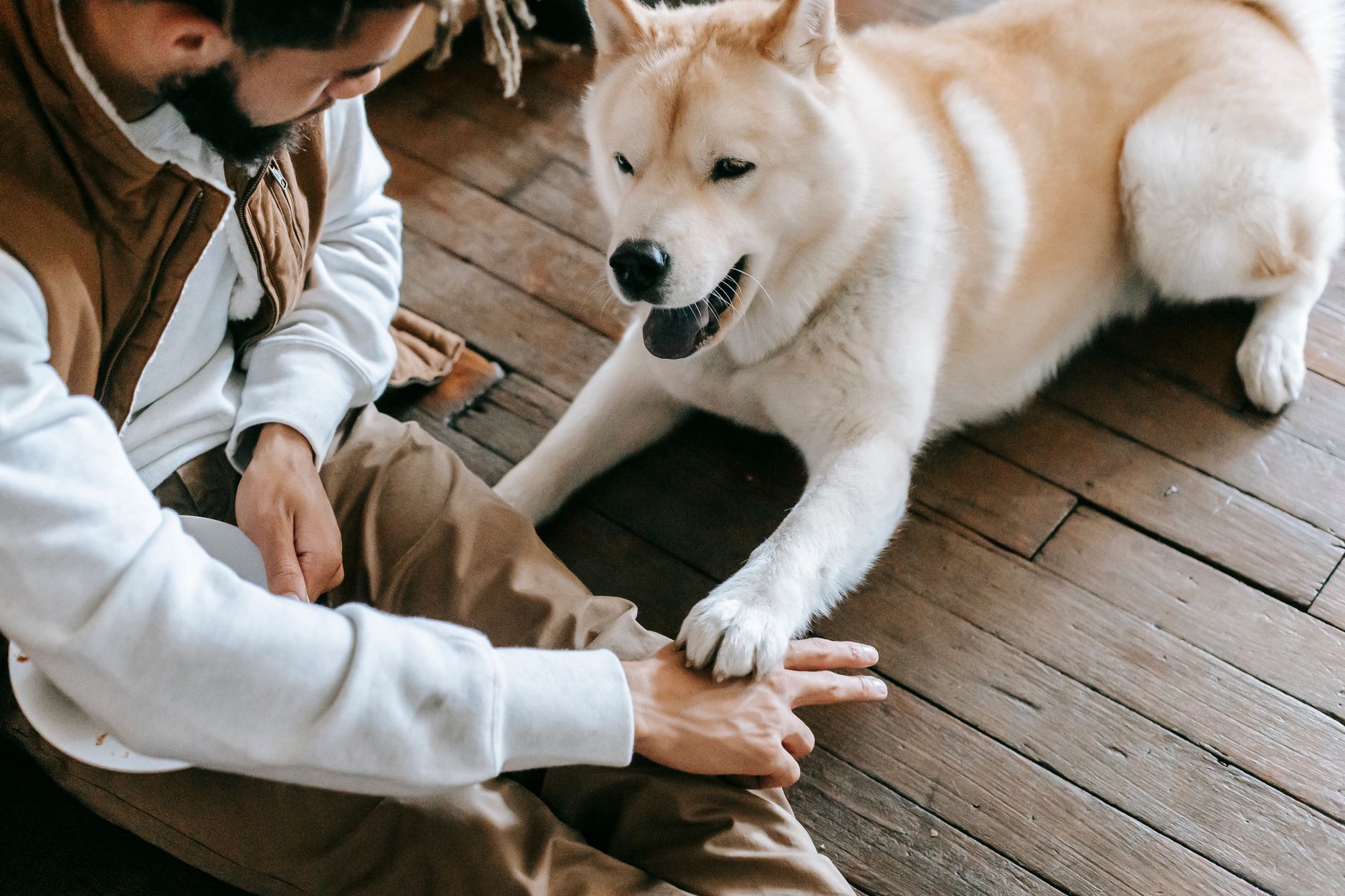
In my clinic, I can instantly tell which owners invested time in early socialization and training. Neither the Shiba nor the Akita is a ‘plug-and-play’ dog; they require active, experienced guidance.
They are highly intelligent but lack the innate desire to please humans that breeds like Labradors possess. Training must be consistent, positive, and started from puppyhood.
Socializing and Training the Powerful Akita
Because of their massive size and guarding instincts, training an Akita is a safety requirement, not an optional hobby.
- Early and Continuous Socialization: Expose your Akita puppy to diverse people, dogs, and environments in a controlled, positive manner.
- Avoid Dog Parks: Akitas are naturally prone to dog-on-dog aggression, particularly with dogs of the same sex, making public dog parks risky.
- Strong Leadership and Positive Reinforcement: Focus on reward-based training to build trust, as harsh physical corrections can trigger defensive aggression.
Handling the Stubborn Shiba Inu
Shibas are free thinkers who will constantly test boundaries and look for escape opportunities.
- Secure Harnesses: Shibas are notorious ‘escape artists’ who can slip out of standard collars; always use a well-fitted, escape-proof harness.
- Leash Rules: Never trust a Shiba off-leash, as their high prey drive means they will bolt after small animals regardless of your commands.
- Short, Engaging Sessions: Keep training sessions under ten minutes and use high-value treats to keep their independent minds focused.
-
Bedsure Orthopedic Dog Bed, Egg-Crate FoamCushions hips and joints in large, senior or dysplasia-prone dogs
-
MIU COLOR Pet Deshedding BrushReaches through the topcoat to remove loose undercoat, cutting down the hair on your floors and furniture
-
VetIQ Glucosamine Hip & Joint ChewsGlucosamine and chondroitin chews support cartilage and mobility, especially in large, senior and dysplasia-prone dogs
The Bottom Line: Cost, Space, and Lifestyle Match
Choosing a dog is a long-term commitment that impacts both your lifestyle and your wallet. As a vet, I always encourage clients to look at the lifetime operational costs of their chosen breed.
An Akita represents a much larger financial footprint than a Shiba, while a Shiba demands more patience for their high-strung, escape-artist behaviors.
- Lifespan Differences: Shibas typically live 13 to 16 years, while Akitas have a shorter lifespan of 10 to 13 years.
- Food Expenses: An Akita can easily consume 4 to 5 cups of high-quality kibble daily, while a Shiba requires only about 1 to 1.5 cups.
- Veterinary Medication Costs: Preventative medications for heartworm, fleas, and ticks, as well as pain relief, are priced by weight, making Akita care four times more expensive.
- Boarding and Grooming: Professional groomers and boarding facilities charge significantly higher rates for giant breeds like the Akita.
Related Dog Guides
Frequently Asked Questions
Is a Shiba Inu or Akita better for a first-time dog owner?
Neither breed is recommended for novice owners due to their independent, strong-willed temperaments. However, if you must choose, a Shiba Inu is slightly more manageable purely due to its smaller, safer size.
Do Shibas and Akitas get along with cats?
Generally, no, unless they are raised with them from early puppyhood under close supervision. Both breeds possess high prey drives, and the Akita’s size makes any predatory instinct highly dangerous to a cat.
Can an Akita live in an apartment?
While Akitas are relatively quiet and inactive indoors, their massive size makes apartment living difficult. A Shiba Inu is much better suited to apartment life, provided they receive daily mental stimulation and exercise.
How do I stop my Shiba from screaming?
Desensitization is key to managing the notorious Shiba scream. Start by touching their paws, ears, and tail gently from puppyhood, pairing these touches with high-value treats to build positive associations.
Are Akitas aggressive dogs?
Akitas are not inherently aggressive, but they are natural guardians with a strong protective instinct. Without rigorous, early socialization and experienced training, this protective drive can easily manifest as stranger or dog aggression.
Why can’t I shave my Japanese Spitz breed in the summer?
Shaving a double-coated breed like a Shiba or Akita ruins their natural thermal regulation. Their undercoat insulates them from heat as well as cold, and shaving also exposes their sensitive skin to sunburn.
Sources & Further Reading
Final Thoughts
Ultimately, deciding between a Shiba Inu and an Akita comes down to assessing your lifestyle, physical capability, and budget honestly. If you want a small, high-energy, fox-like companion with a quirky personality and can manage a high flight risk, the Shiba Inu is a brilliant choice.
If you have the space, physical strength, and financial means to support a giant breed, and desire a deeply loyal, stoic guardian, the Akita can be an incredibly rewarding companion. Whichever breed you choose, committing to early socialization, positive training, and routine veterinary care is the key to a happy, healthy life together.