
Great Pyrenees Care Guide: Barking, Roaming and Coat Maintenance

Quick Summary
The Great Pyrenees is a majestic livestock guardian dog with highly specialized needs, including a powerful drive to bark at night and an innate urge to patrol vast territories. Successfully caring for them requires secure physical fencing, specialized double-coat grooming techniques, and an understanding of their independent working heritage. To keep them healthy, owners must prioritize joint care, bloat prevention, and positive reinforcement training tailored to their autonomous mindset.
As an Amazon Associate, we earn from qualifying purchases.
Popular with dog owners: Slicker Brush · Pet Camera · Orthopedic Dog Bed
In my twenty years of veterinary practice, few breeds command as much quiet respect in my exam room as the Great Pyrenees. These majestic, white giants are not just oversized golden retrievers; they are ancient, highly specialized working dogs designed to guard livestock in harsh mountain terrains.
I often see well-meaning owners struggle because they underestimated the sheer power of the breed’s hardwired instincts. To live harmoniously with a Pyrenees, you must learn to navigate their relationship with barking, roaming, and their magnificent double coat.
Key Takeaways
- Great Pyrenees bark by instinct to deter predators, meaning nocturnal barking is a natural protective behavior that cannot be completely trained away.
- They possess an innate drive to patrol vast territories, making secure physical fencing at least five to six feet high an absolute necessity.
- Shaving a Great Pyrenees’ double coat ruins their natural thermoregulation, dramatically increasing their risk of heatstroke and skin cancer.
- Daily line-brushing with an undercoat rake is essential, especially during the heavy biannual shedding seasons.
- Their independent nature means traditional obedience training must adapt to their self-governing guardian mindset.
- They are prone to serious giant-breed health conditions like hip dysplasia, osteosarcoma, and gastric dilatation-volvulus (bloat).
In This Article
- The Ancient Sentinel Instinct
- Managing the Pyrenean Bark
- The Wanderlust Gene and Fencing Realities
- The Double Coat and the Golden No-Shave Rule
- Essential Grooming Protocols and Tools
- Clinical Insights into Pyrenean Health Concerns
- Socialization and Training Realities
- Nutritional and Weight Management Strategies
The Ancient Sentinel Instinct
When a Great Pyrenees enters my clinic, I immediately recognize the calm, watchful gaze of a dog born to work. For thousands of years, these dogs were bred to live independently with flocks of sheep in the Pyrenees Mountains.
They did not rely on human commands to do their jobs; they made their own decisions about threat assessment.
This historical context is crucial for anyone bringing a Pyrenees into a modern suburban home. They do not view themselves as your subordinates, but rather as your co-partners in home security.
This independent streak is why they can seem aloof or stubborn during standard training sessions.
Understanding the Guardian Mindset
This breed treats your entire neighborhood as their personal pasture. If they see a mail carrier or a stray cat, they view it as a potential threat to their flock—which is you.
Pecute Skin-Friendly Self-Cleaning Slicker Brush
- ✓Instant hair-ejection button
- ✓Made for heavy shedders and sensitive skin
- ✓Works on cats and dogs
- Fine wire pins lift loose undercoat and work out small tangles before they turn into mats
Recognizing that their behavior comes from a place of deep devotion is the first step to successful ownership.
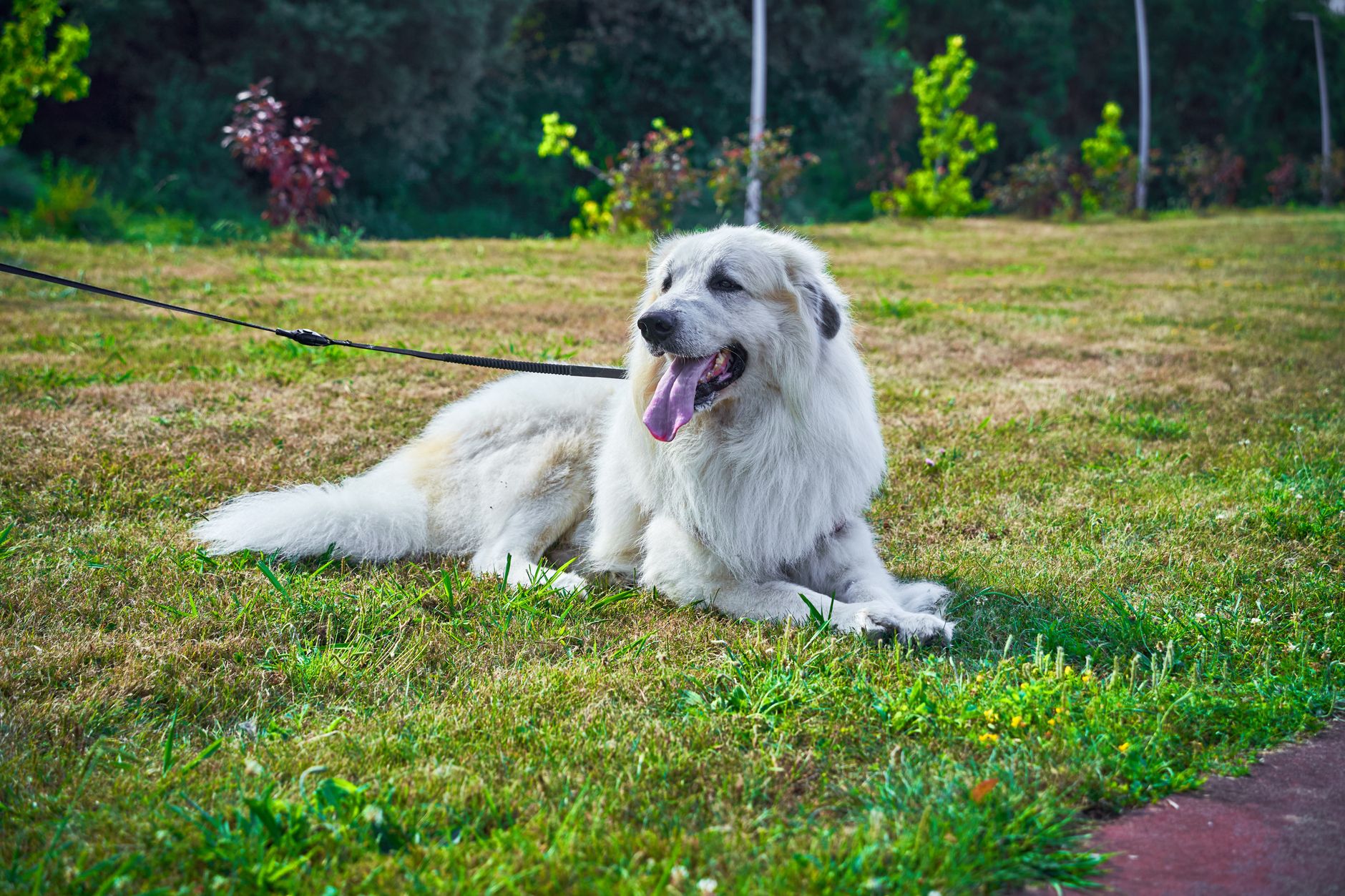
Managing the Pyrenean Bark
‘Dr. Heller, how do I get my Pyrenees to stop barking at night?’ This is one of the most common questions I hear from exhausted owners.
The honest clinical answer is that you cannot completely train this behavior out of them, nor should you expect to.
To a Pyrenees, barking is their primary tool of defense. Long before they resort to physical conflict, they use a deep, booming bark to warn predators to stay away.
Because they are historically nocturnal guardians, this behavior naturally intensifies as soon as the sun goes down.
- Bring the dog indoors before dusk to minimize visual and auditory triggers from the neighborhood.
- Use white noise machines or fans in their sleeping area to drown out distant nocturnal sounds.
- Install heavy blackout curtains to block shadows and movement outside windows.
- Acknowledge the bark once with a calm command like ‘Thank you, I see it,’ then redirect them to a high-value treat.
- Never use punitive measures like shock collars, which only increase their anxiety and protective aggression.

The Wanderlust Gene and Fencing Realities
In my practice, I have treated far too many Great Pyrenees who were hit by cars after escaping their yards. These dogs are natural roamers with a massive home-range instinct that can span miles.
They do not respect property lines, and they will actively seek out weak spots in your boundaries.
If you leave a Great Pyrenees off-leash in an unsecured area, they will eventually wander off. They are not running away from you; they are simply expanding their patrol perimeter to keep the area safe.
- A physical wooden or chain-link fence that stands at least five to six feet tall is non-negotiable.
- Underground electronic invisible fences are highly ineffective because their high pain tolerance allows them to blast right through the boundary.
- Fences must be secured at the bottom, as these dogs are proficient diggers who will readily excavate an escape tunnel.
- Gates must feature secure, dog-proof latches, as many Pyrenees quickly learn how to manipulate simple lever systems.
Furbo 360° Dog Camera with Treat Toss
- ✓360° rotating view with two-way audio
- ✓Toss treats from your phone
- ✓Barking alerts (core features work without a subscription)
- Check in and comfort your pet while you’re out
- Spot separation anxiety and barking early

The Double Coat and the Golden No-Shave Rule
Clients often bring their matted Pyrenees to me in July, asking if they should shave them to keep them cool. My answer is always an emphatic, immediate no.
The Great Pyrenees possesses a sophisticated double coat consisting of a dense, woolly undercoat and a longer, weather-resistant outer coat. This coat acts like high-tech insulation, trapping cool air close to the skin in summer and keeping them warm in winter.
Shaving them strips away this natural climate control system, leaving them highly vulnerable to heatstroke and severe sunburn.
The Danger of Post-Shaving Coat Damage
Once shaved, the soft undercoat often grows back faster than the guard hairs, leading to permanent coat damage. This altered texture mats even faster, creating a vicious cycle of matting and shaving that ruins their skin health.

Essential Grooming Protocols and Tools
To manage the sheer volume of hair a Pyrenees produces, you must establish a strict weekly grooming routine. During the spring and autumn ‘blowouts,’ this routine must become daily to prevent severe matting.
I always advise clients to invest in high-quality professional-grade tools rather than cheap pet store brushes. Using the wrong brush will only scratch their skin while leaving the dense, dead undercoat completely untouched.
- An undercoat rake with long, rotating metal pins to reach deep through the guard hairs to the skin.
- A high-velocity professional pet dryer to blow out loose dander, dirt, and moisture after baths or wet walks.
- A sturdy slicker brush with protective tips to smooth out the top coat and remove surface debris.
- A steel greyhound comb to check your work and locate hidden mats behind the ears and in the flank areas.
- A quality dematting spray to lubricate dry hair shafts and ease out stubborn tangles without pulling the skin.

Clinical Insights into Pyrenean Health Concerns
As deep-chested, giant-breed dogs, Great Pyrenees face several specific medical vulnerabilities. In my clinical experience, proactive screening and lifestyle adjustments can dramatically extend their lifespan.
We must monitor their growth closely during their first two years of life to protect their developing joints. Feeding a high-quality large-breed puppy formula is essential to prevent them from growing too quickly, which can damage their growth plates.
Preventing Gastric Dilatation-Volvulus (GDV)
Commonly known as bloat, GDV is a life-threatening emergency where the stomach fills with gas and twists. I highly recommend discussing a preventive gastropexy surgery during their spay or neuter procedure.
- Feed two or three smaller meals per day instead of one large portion.
- Use slow-feeder bowls to prevent rapid gulping of food and air.
- Restrict vigorous exercise for at least one hour before and after meals.
- Keep a close eye out for unproductive retching, a swollen abdomen, or sudden restlessness.

Socialization and Training Realities
Training a Great Pyrenees is unlike training a Labrador; they do not live to please you. They are critical thinkers who evaluate whether your command makes sense in their current environment.
Early socialization is absolutely vital to ensure their protective instincts do not morph into dangerous aggression. Between 8 and 16 weeks of age, they must be exposed to a wide variety of people, sights, and sounds in a controlled, positive manner.
- Focus on consistency and positive reinforcement rather than repetitive, boring drills.
- Introduce them to friendly strangers of all shapes, sizes, and outfits during their key development phases.
- Practice handling their paws, ears, and mouth early to make veterinary visits and grooming sessions stress-free.
- Teach a rock-solid ‘leave it’ command to help manage their natural impulse to guard resources or territory.
Nutritional and Weight Management Strategies
In my orthopedic exams, I frequently see Pyrenees suffering from painful arthritis worsened by excess weight. Because they are a low-energy breed designed to conserve calories while watching over flocks, they can become overweight surprisingly fast.
Keeping your Pyrenees lean is the single best thing you can do for their joints and overall longevity. You should always be able to feel their ribs under that thick double coat without having to press hard.
- Use a measuring cup to ration their daily food intake, rather than free-feeding.
- Deduct the calories of any training treats from their overall daily food allowance.
- Incorporate high-quality joint supplements containing glucosamine and chondroitin early in their adult life.
- Provide low-impact exercise, such as long, slow walks, rather than high-impact running on hard pavement.
-
CWAWZ Orthopedic Cooling Gel Memory Foam Dog Bed, XLSupportive foam cushions hips and joints, ideal for large, senior or dysplasia-prone dogs
-
VetIQ Glucosamine Hip & Joint ChewsGlucosamine and chondroitin chews support cartilage and mobility, especially in large, senior and dysplasia-prone dogs
-
Gobeigo 2-Cup Magnetic Treat Pouch with ClickerA clip-on treat pouch keeps rewards at hand so you can mark good behaviour instantly
Related Dog Guides
Frequently Asked Questions
How often should I bathe a Great Pyrenees?
They only need a bath every 8 to 12 weeks, as their double coat naturally repels dirt and mud once it dries. Bathing them too frequently strips their skin of natural protective oils, leading to dry, itchy skin and increased shedding.
Do Great Pyrenees drool a lot?
Yes, they have loose, heavy jowls that naturally collect saliva, especially after drinking water, when they are hot, or when they smell food. I recommend keeping a drool rag handy in high-traffic areas of your home.
Are they good with children and other household pets?
They are famous for their gentle nature with family members, including children and smaller pets, whom they instinctively view as part of their flock. However, they must still be properly socialized and supervised, especially given their massive size.
At what age is a Great Pyrenees fully grown?
They are a slow-maturing giant breed that does not reach full skeletal and mental maturity until they are about two to three years old. Their weight and bone structure will continue to fill out long after they reach their full height.
Can a Great Pyrenees live comfortably in an apartment?
Generally, no, because of their deep-seated need to patrol territory and their booming nocturnal barking, which will quickly distress neighbors. They thrive best in homes with a spacious, securely fenced yard where they can fulfill their guardian instincts.
Why does my Great Pyrenees dig so many holes?
Digging is a natural behavior they use to excavate cool earth to lie in during warm weather. If your dog is digging excessively, it may indicate they are seeking relief from the heat or experiencing boredom, requiring you to check their ambient temperature.
Sources & Further Reading
- American Kennel Club (AKC)
- Merck Veterinary Manual
- American Veterinary Medical Association (AVMA)
- PetMD
Final Thoughts
Caring for a Great Pyrenees is a unique veterinary journey that requires embracing their ancient, independent guardian heritage rather than working against it. They are not a low-maintenance breed; they demand dedicated grooming, robust physical fencing, and a deep understanding of their instinctual behaviors.
However, for those who appreciate their noble loyalty, watchful protection, and gentle souls, there is simply no other breed like them. If you commit to providing the structured environment they need, you will have a magnificent, devoted companion for years to come.