

Quick Summary
Selecting the right first dog involves balancing a breed’s genetic temperament with your personal lifestyle and medical care capabilities. From the highly trainable Golden Retriever to the surprisingly low-energy Greyhound, picking a breed with predictable behavior and manageable health needs ensures a successful partnership. Working closely with your veterinarian early on is key to navigating your new pet’s specific nutritional, grooming, and preventative health requirements.
In my fifteen years as a practicing veterinarian, I have seen thousands of new dog owners walk through my clinic doors. Some are beaming with joy, while others look completely overwhelmed by a high-needs puppy they were not prepared to handle.
Choosing your first dog is a massive lifestyle decision, and matching your routine to a breed’s genetic traits is the secret to a happy bond. I always tell my clients that picking the wrong breed for your lifestyle is the number one cause of pet-owner burnout.
Key Takeaways
- Assess a breed’s training biddability and energy levels before their appearance.
- Be prepared for breed-specific medical conditions by choosing ethical, health-tested breeders.
- Budget for long-term grooming and dental expenses, especially for non-shedding breeds.
- Understand that low-energy breeds like Greyhounds can make exceptional apartment companions.
- Establish a consistent preventative care routine with your veterinarian from day one.
In This Article
What Makes a Breed “Beginner-Friendly”?
When clients ask me for breed recommendations, I look past the cute faces and evaluate three critical clinical factors. These are biddability (how easily they train), emotional resilience, and overall medical maintenance.
A beginner-friendly dog should have a forgiving temperament that handles training mistakes without becoming anxious or reactive. They should also possess a predictable health baseline that won’t overwhelm a novice owner’s budget.
- Low to moderate arousal levels
- High food motivation for easy training
- Predictable genetic health baselines
- Forgiving temperament during socialization gaps
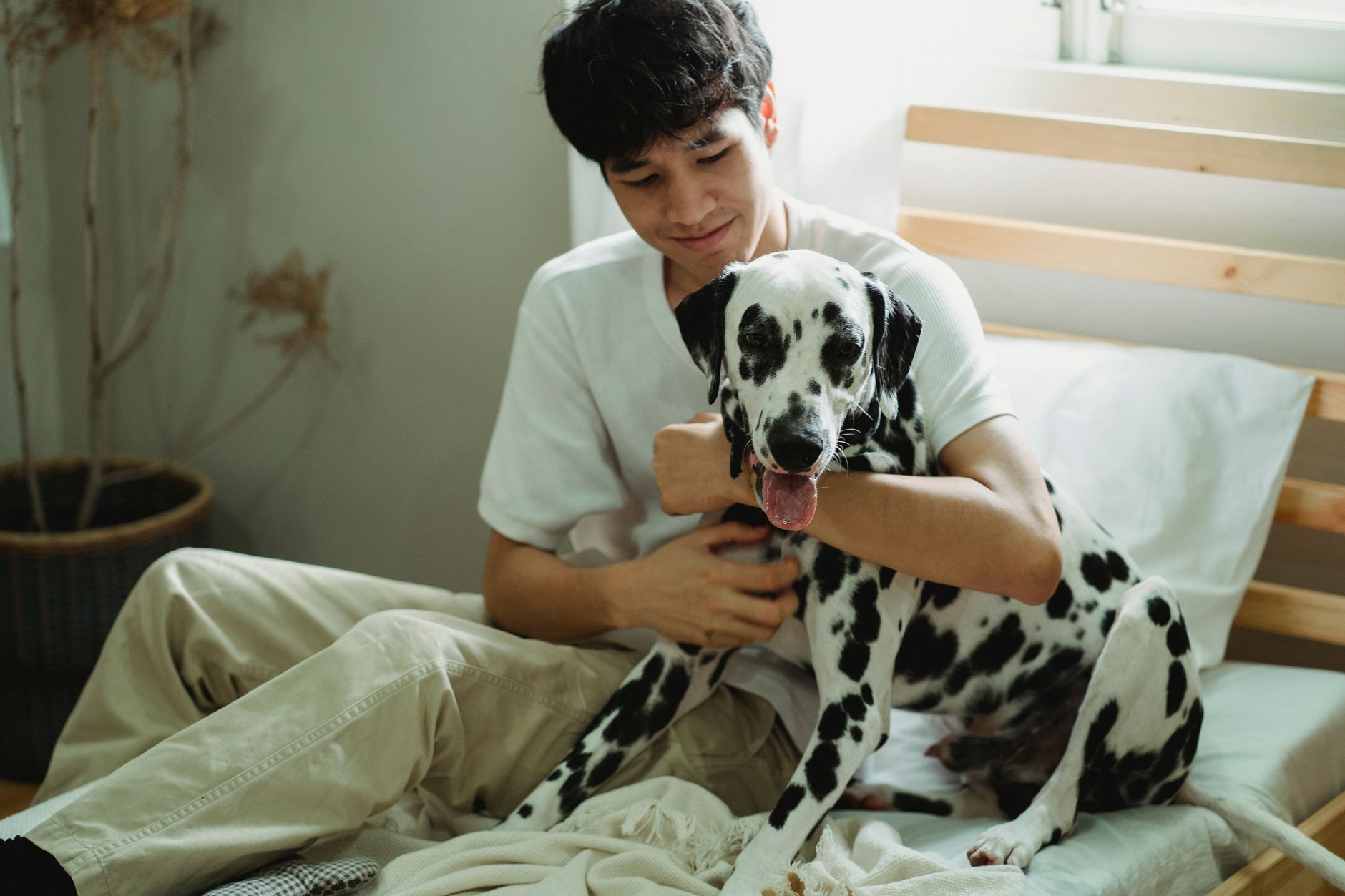
1. The Cavalier King Charles Spaniel
The Cavalier is one of the most gentle, affectionate toy breeds I treat in my practice. They adapt beautifully to apartment living and intuitively match their owner’s daily energy levels.
However, their sweet nature comes with specific medical realities that first-time owners must understand. From a clinical standpoint, Cavaliers are highly predisposed to Mitral Valve Disease (MVD), a progressive heart condition.
I advise my clients to screen these dogs for heart murmurs annually starting at age one.
- Prone to Mitral Valve Disease (MVD) and Syringomyelia
- Requires regular professional dental cleanings due to crowded mouths
- Coat requires brushing 3-4 times a week to prevent painful mats
- Extremely food-motivated, making positive reinforcement training a breeze

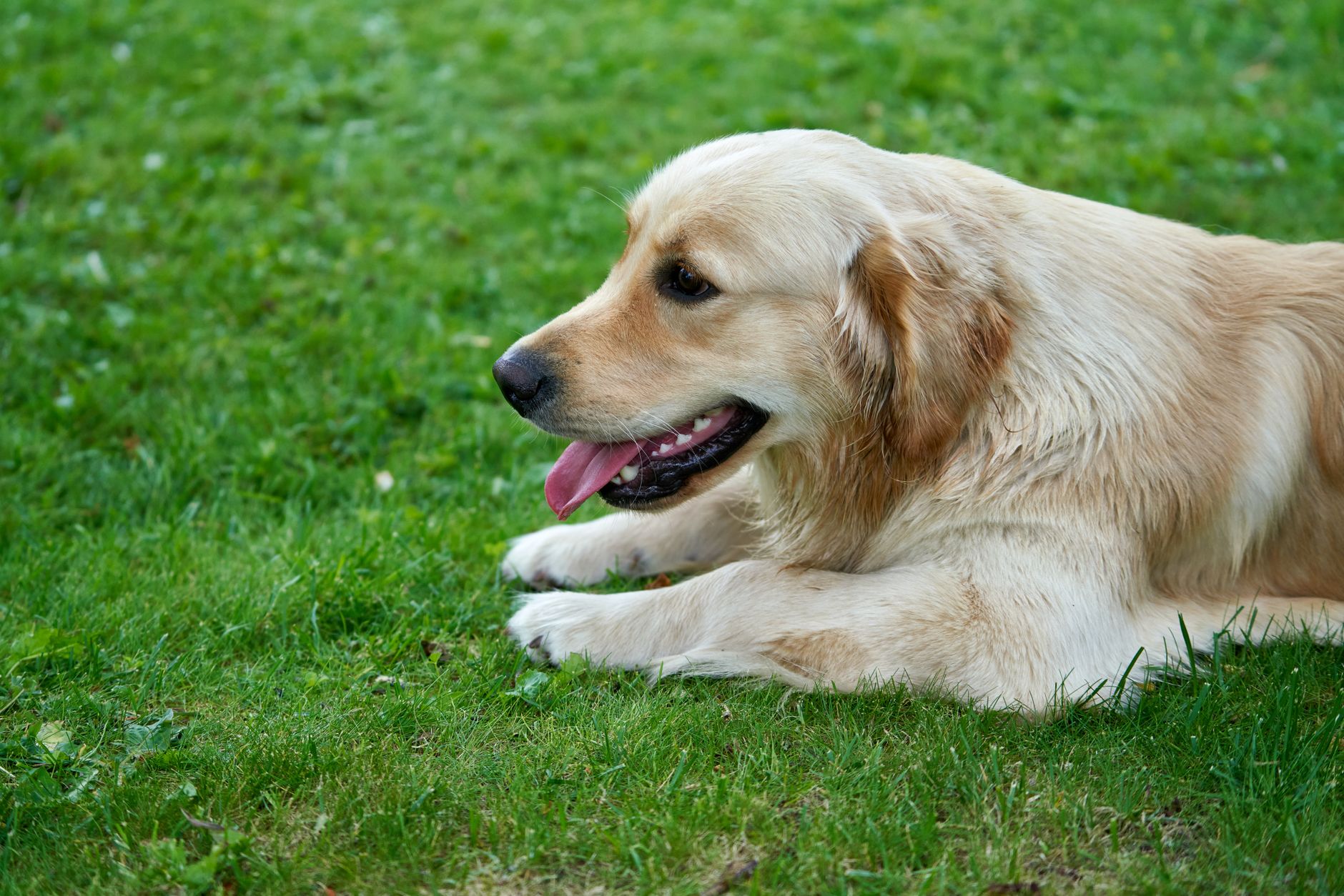
2. The Golden Retriever
There is a reason the Golden Retriever remains a classic recommendation for first-time owners. Their biddability is exceptionally high, meaning they genuinely want to work with you and please you.
In my clinic, Goldens are typically my most cooperative patients because they handle novel veterinary stimuli with remarkable grace.
However, owners must prepare for their high exercise needs and heavy shedding. A bored Golden can easily become a destructive chewer during their first two years of puppyhood.
- Requires 60-90 minutes of daily physical and mental exercise
- High incidence of hip and elbow dysplasia; look for OFA-cleared parents
- Heavy double coat that sheds year-round and blows twice a year
- Prone to hot spots (acute moist dermatitis) if not dried thoroughly after swimming
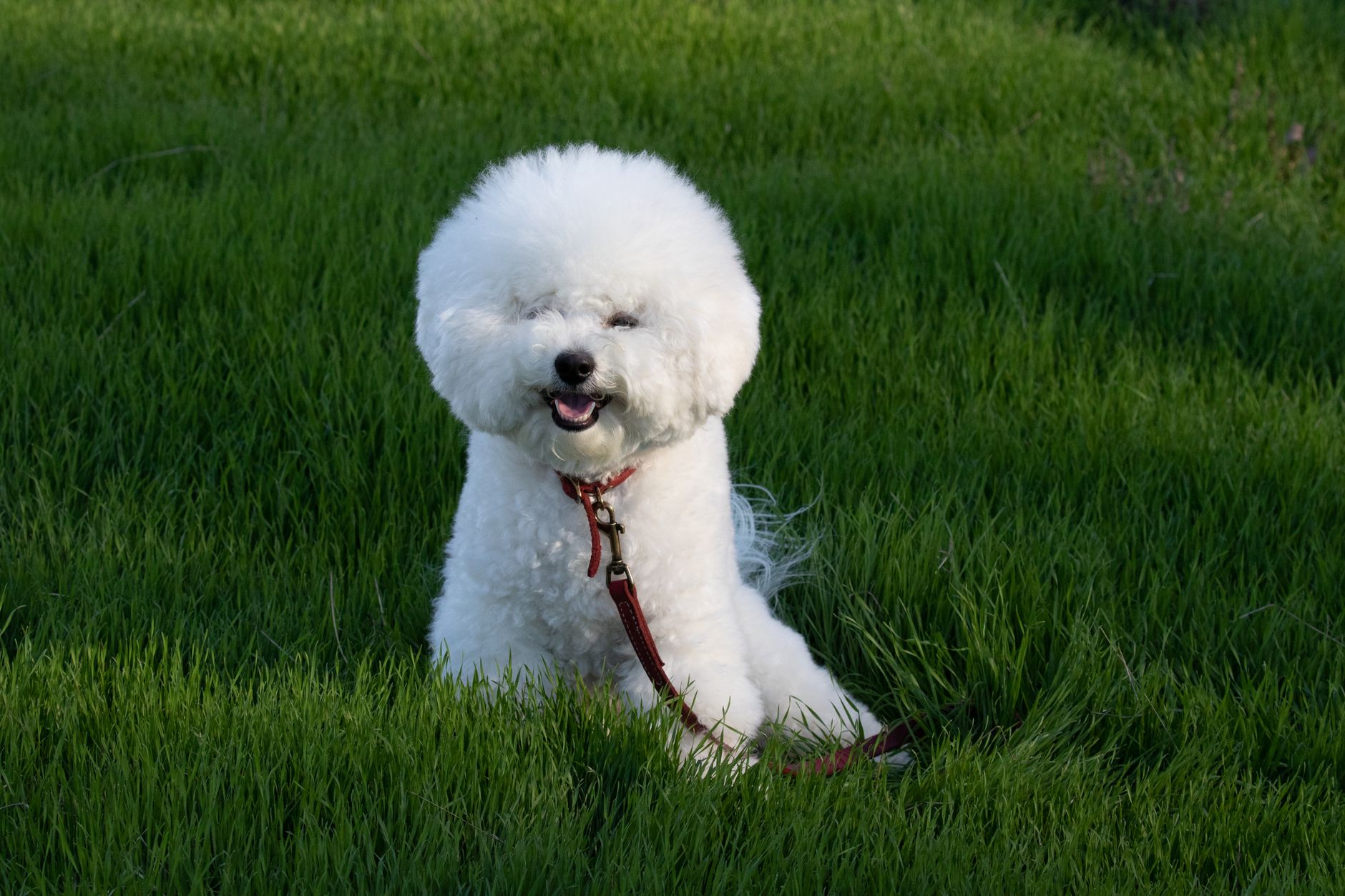
3. The Bichon Frise
If you suffer from mild allergies or live in a smaller space, the Bichon Frise is an exceptional first dog. They are cheerful, highly adaptable, and incredibly affectionate with family members.
Because they do not shed like double-coated breeds, they are often tolerated well by sensitive owners.
But do not let the lack of shedding fool you into thinking they are low maintenance. Their curly white hair grows continuously, meaning professional grooming is a non-negotiable expense every four to six weeks.
- Requires professional grooming every 4-6 weeks to prevent severe matting
- High predisposition to bladder stones (uroliths), requiring strict diet monitoring
- Prone to periodontal disease; daily tooth brushing is highly recommended
- Excellent lapdogs that can occasionally struggle with separation anxiety
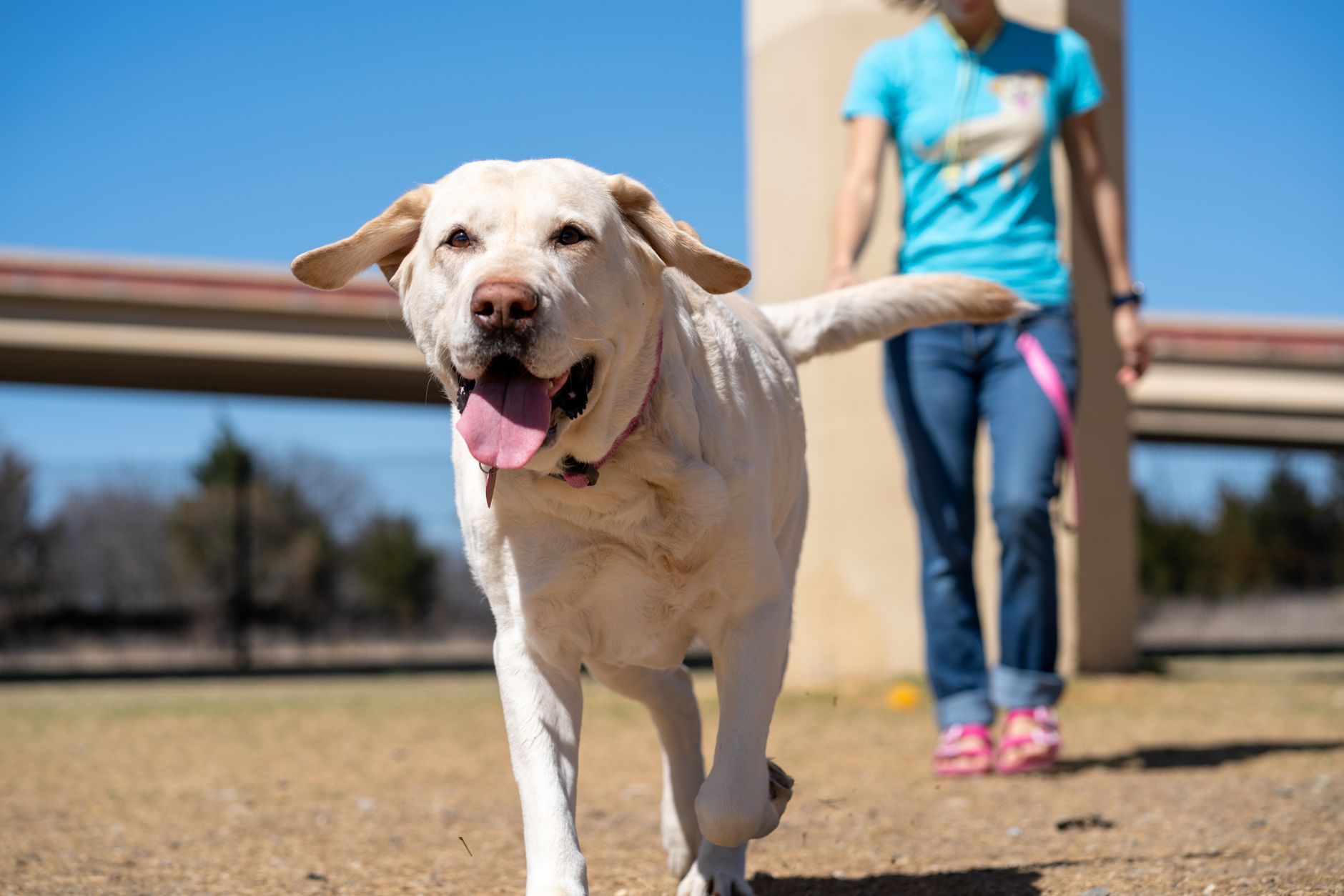
4. The Labrador Retriever
Labradors are incredibly resilient, forgiving, and social dogs. They bounce back quickly from training mistakes and love everyone they meet, making early socialization much easier for beginners.
My primary clinical concern with Labs is their insatiable appetite. They lack a genetic ‘off switch’ for hunger, which often leads to severe obesity if food is not strictly measured.
I always recommend using a digital scale to weigh their kibble rather than relying on a standard measuring cup.
- Prone to rapid weight gain; food must be measured using a scale
- High puppy energy that persists until about age three
- Loves water, which increases the risk of ear infections (otitis externa)
- Excellent candidates for crate training and food-dispensing puzzles
5. The Greyhound
Many of my clients are shocked when I suggest a retired racing Greyhound for their first dog. While they are built for extreme speed, their day-to-day temperament is closer to a giant cat.
They are incredibly quiet, clean, and happy to sleep on a soft bed for twenty hours a day.
Because they have very little body fat and paper-thin skin, they do require special physical protection. They feel the cold acutely and can easily tear their skin on sharp brush or fences.
- Requires a coat or sweater in temperatures below 50 degrees Fahrenheit
- Has a very high prey drive; must never be let off-leash in unfenced areas
- Prone to severe dental disease; require proactive home dental care
- Highly sensitive to anesthesia; choose a vet familiar with sighthound physiology

6. The Papillon
If you want a small dog but do not want a sleepy lapdog, the Papillon is a spectacular choice. These tiny dogs have the brains of a working breed packed into an eight-pound frame.
They excel at agility, learn tricks in minutes, and are incredibly engaging companions.
Because they are so smart, they need interactive toys to prevent nuisance barking. They are small, but they are not fragile toys, though you must guard them against jumping from high surfaces.
- Prone to patellar luxation (slipping kneecaps); avoid letting them jump off high beds
- Highly trainable and thrives on interactive puzzle toys
- Silky single coat that is surprisingly easy to maintain with weekly brushing
- Can develop ‘small dog syndrome’ if owners do not set firm boundaries
7. The Boston Terrier
Boston Terriers are compact, friendly, and endlessly entertaining. Their short coats require minimal grooming, and they adapt beautifully to busy city living.
I love treating Bostons because they have a unique, comical charm that brightens any exam room.
As a brachycephalic (flat-faced) breed, they do have airway challenges. You must protect them from extreme heat and avoid strenuous exercise during humid summer days.
- Prone to corneal ulcers due to their prominent, expressive eyes
- Sensitive to heat stroke; limit outdoor activity on hot days
- Flat-faced structure means they can snore, snort, and occasionally pass gas
- Requires a harness rather than a collar to protect their delicate trachea
8. The Pug
Pugs are bred purely for companionship, and it shows in their loving, easygoing temperaments. They do not have an aggressive bone in their bodies and are remarkably patient with children.
For an owner looking for a low-energy cuddle buddy, the Pug is hard to beat.
However, first-time owners must understand the maintenance of their facial wrinkles. Dirt and moisture trap easily in these folds, leading to painful skin infections if not cleaned daily.
- Requires daily cleaning of facial wrinkles with pet-safe antiseptic wipes
- Highly prone to eye injuries and corneal ulcers
- Extremely prone to obesity; weight must be managed with strict portion control
- Prone to Stenotic Nares (pinched nostrils) and Elongated Soft Palate
Frequently Asked Questions
Are shelter dogs or mixed breeds good for first-time owners?
Absolutely, but you must look for adult dogs with established, evaluated personalities. Avoid high-energy working mixes like Border Collie or Husky blends, as their intense physical and mental needs can easily overwhelm a beginner.
How much exercise does a beginner-friendly dog actually need?
Most moderate-energy beginner breeds require 30 to 60 minutes of daily physical exercise combined with mental stimulation. This should be a mix of structured walking and interactive play or puzzle toys to keep their minds active.
What is the biggest mistake first-time dog owners make?
The most common mistake I see is underestimating the lifetime cost of grooming and preventative veterinary medicine. First-time owners often budget for food but forget about dental cleanings, heartworm preventatives, and professional grooming.
Is a male or female dog better for a beginner?
Temperament is highly individual rather than gender-dependent, so there is no universally better choice. However, intact male dogs are more prone to marking behaviors, while females can sometimes be slightly more independent.
How do I prevent my new dog from developing separation anxiety?
Establish a structured routine early, practice short departures from day one, and avoid making your departures and arrivals high-excitement events. Crate training and offering high-value puzzle toys when you leave can also build positive associations with being alone.
Should I get a puppy or an adult dog as my first pet?
Adult dogs are often much easier for beginners because they are typically potty trained and their adult personality is already fully formed. Puppies require around-the-clock supervision, intensive socialization, and housebreaking, which can be a steep learning curve.
Sources & Further Reading
Final Thoughts
Welcoming your first dog into your life is an incredibly rewarding journey, but it requires careful clinical preparation. Remember that no dog is born perfectly behaved; every breed requires consistent positive reinforcement training, patience, and love.
Before you make your final decision, I highly recommend visiting ethical breeders or rescue groups to meet these breeds in person. As a veterinarian, my goal is to see you and your new companion thrive together for many healthy years to come.
Choose with your head as well as your heart, and your pet-ownership journey will be off to a wonderful start.