
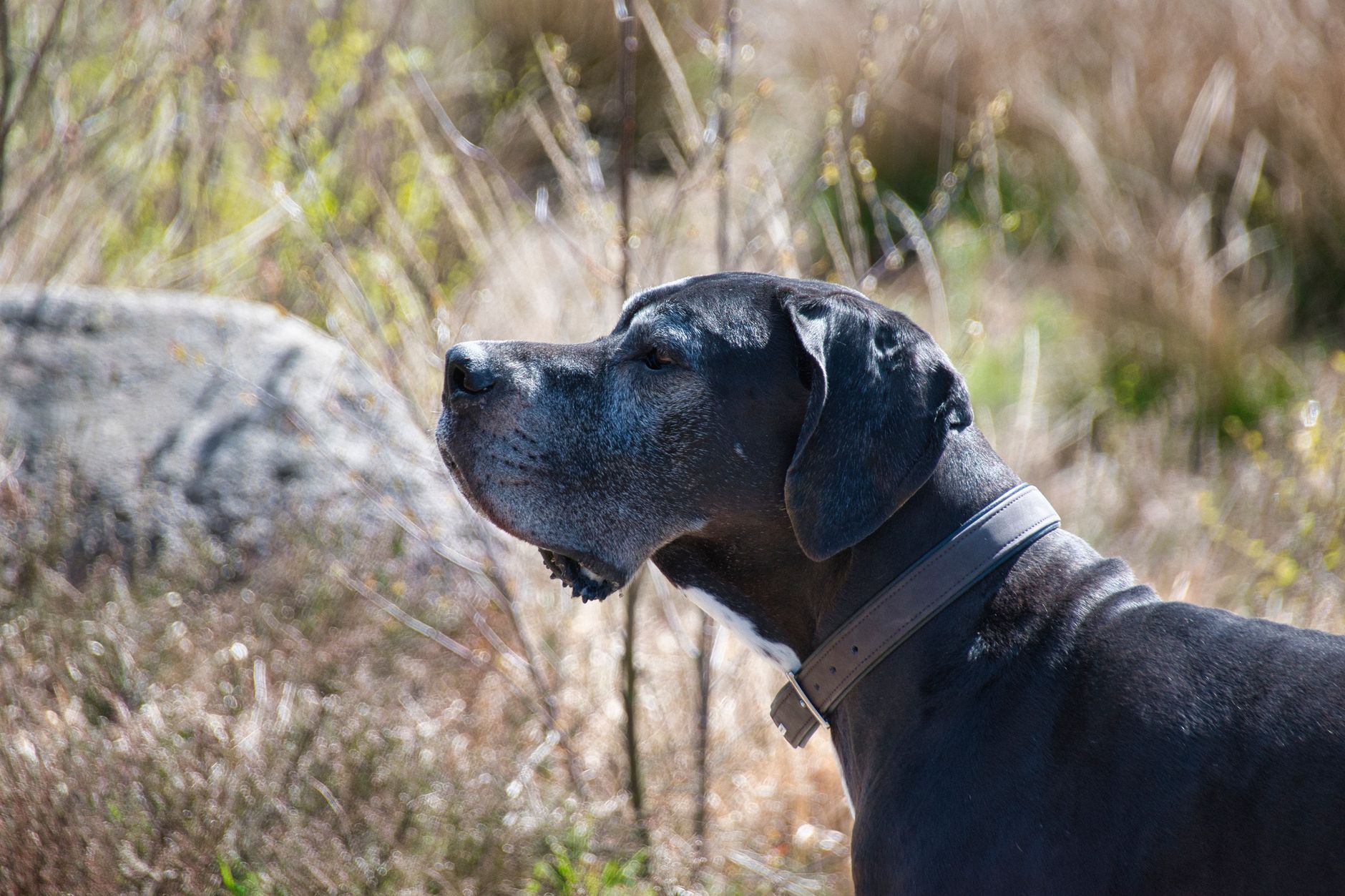
 Mastiff vs Great Dane: Comparing the Giant Dog Breeds” loading=”lazy”>
Quick Summary
Choosing between a Mastiff and a Great Dane involves evaluating two distinct giant-breed profiles: the heavy-set, protective English Mastiff and the tall, athletic, sensitive Great Dane. While both are incredibly loving companions, they present unique veterinary, dietary, and orthopedic needs that prospective owners must prepare for. As a veterinarian, I emphasize that understanding their differences in growth rates, disease predispositions, and temperaments is crucial for their long-term health and your household’s safety.
In my years treating giant dog breeds, I have noticed a common trend among families looking to adopt. They want a massive, gentle companion, but they often confuse the needs of a Mastiff with those of a Great Dane.
While both are classified as giant breeds, they are radically different animals on my exam table. Choosing between them is not just a matter of aesthetics; it is a long-term medical, financial, and lifestyle commitment that requires careful preparation.
Key Takeaways
- Great Danes are taller and more athletic, whereas English Mastiffs are heavier, blockier, and more muscular.
- Both breeds are highly susceptible to Gastric Dilatation-Volvulus (GDV/bloat), making preventative gastropexy a vital medical discussion point.
- Mastiffs tend to have a stronger guarding instinct, requiring intense early socialization compared to the more naturally social Great Dane.
- Orthopedic care is critical during their rapid growth phases, requiring precise calcium-to-phosphorus ratios in their food to avoid joint issues.
- The financial investment for veterinary care, preventative medications, and high-quality food is significantly higher than for standard breeds.
- Lifespan is short for both, typically ranging from 6 to 10 years, with cardiac issues being a primary concern for aging giants.
In This Article
- Physical Profiles and Growth Trajectories
- Behavioral Differences and Home Suitability
- Orthopedic Hurdles in Giant Breeds
- The Lifesaving Reality of GDV and Bloat
- Cardiovascular Health and Lifespan
- The True Financial Cost of Giant Breed Care
- Training, Socialization, and Handling
- Daily Maintenance, Shedding, and the “Drool Factor”
Physical Profiles and Growth Trajectories
English Mastiffs are dense, powerful tanks. A mature male Mastiff can easily top 220 pounds, though their height is relatively modest compared to their mass.
Great Danes, by contrast, are the “Apollo of dogs,” standing up to 34 inches at the shoulder but rarely exceeding 175 pounds.
In my clinic, the most critical phase for both breeds is the first 18 months. Their bones grow at an astonishing rate, which puts immense stress on their developing musculoskeletal system.
Feeding them incorrectly during this window can lead to permanent, painful structural damage.
- Mastiff Male Weight Range: 160 to 230+ pounds
- Great Dane Male Weight Range: 140 to 175 pounds
- Mastiff Average Shoulder Height: 30 inches
- Great Dane Average Shoulder Height: 32 to 34+ inches
- Growth Plate Closure: Typically occurs between 18 and 24 months of age

Behavioral Differences and Home Suitability
I often tell my clients that Mastiffs are “silent watchers,” while Great Danes are “velcro giants.” Mastiffs possess an innate guarding instinct. They do not usually bark without cause, but their physical presence alone is highly deterrent.
Great Danes tend to be more outwardly social, vocal, and sensitive. They frequently forget their own size, trying to climb into your lap or leaning heavily against your legs.
However, their high sensitivity means they can develop severe separation anxiety if left alone for long periods.
The Mastiff Guarding Instinct
Mastiffs are loyal protectors of their family unit. They require firm, consistent boundary training so their protective nature does not morph into reactivity toward strangers.
The Great Dane’s Social Needs
Great Danes crave human interaction and mental stimulation. They thrive in active households where they can participate in daily family routines rather than being left outdoors.
Orthopedic Hurdles in Giant Breeds
From a veterinary standpoint, carrying this much weight is incredibly taxing on canine joints. I routinely treat both breeds for hip and elbow dysplasia.
However, the way they carry their weight changes their clinical presentations.
Mastiffs suffer heavily from osteoarthritis due to their sheer bulk. Great Danes, being taller and more angular, are highly prone to cruciate ligament tears and hypertrophic osteodystrophy (HOD) during youth.
Managing their weight is the single most important thing you can do.
- Limping or favoring a leg after brief exercise
- Difficulty rising from a sleeping position on slick floors
- An audible clicking sound when walking
- Reluctance to climb stairs or jump into a vehicle
- A “bunny-hopping” gait in the rear legs during play
The Lifesaving Reality of GDV and Bloat
Gastric Dilatation-Volvulus (GDV) is the number one emergency killer of Great Danes. Their deep, barrel-shaped chests create a dangerous anatomical space where the stomach can easily rotate.
Mastiffs are also at high risk, though statistically, Danes lead the charts for this condition.
When GDV occurs, the stomach twists, trapping gas and cutting off blood supply to vital organs. This is a rapid-onset, life-threatening emergency.
I always discuss a preventative surgery called a prophylactic gastropexy during their spay or neuter.
- Unproductive retching or trying to vomit with nothing coming up
- An abdomen that feels tight, hard, or visibly swollen
- Pacing, whining, and inability to get comfortable
- Excessive, thick drool dripping from the mouth
- Pale or muddy-colored gums indicating poor circulation
The Prophylactic Gastropexy
This surgical procedure tacks the stomach wall to the abdominal side wall. It prevents the stomach from twisting, effectively neutralizing the fatal aspect of bloat.
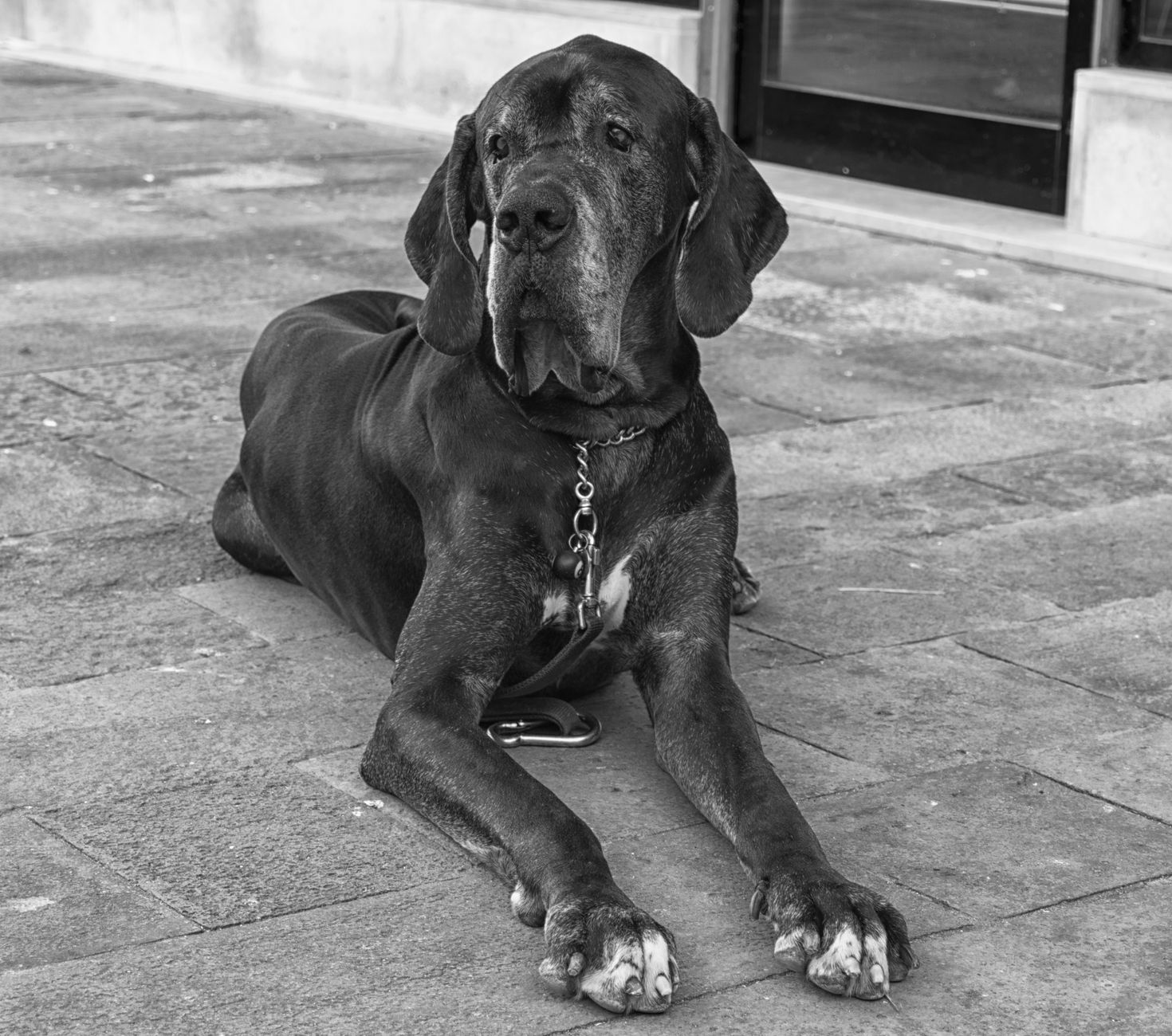
Cardiovascular Health and Lifespan
It breaks my heart to say this, but giant breeds have tragically short lifespans. Great Danes rarely make it past 8 to 10 years, and Mastiffs have a similar window.
Heart disease is a primary culprit for these short lifespans.
In Great Danes, Dilated Cardiomyopathy (DCM) is highly prevalent. The heart muscle becomes thin, weak, and unable to pump blood efficiently.
Mastiffs are more prone to pulmonic stenosis and subaortic stenosis, which are structural heart valve issues.
- Annual echocardiograms starting at age two for Great Danes
- Strict avoidance of grain-free boutique diets unless medically indicated by a cardiologist
- Routine screening for heart murmurs during biannual veterinary exams
- Monitoring for sudden exercise intolerance or coughing at night
The True Financial Cost of Giant Breed Care
I always give my clients a reality check before they bring home a giant puppy. The financial commitment is astronomical compared to a standard-sized dog.
Everything is priced by weight, from anesthesia to routine preventative medications.
A standard dose of pain medication for a 200-pound Mastiff can cost four times as much as it does for a medium-sized dog. Furthermore, high-quality, large-breed puppy food formulated for slow growth is expensive but completely non-negotiable for their skeletal health.
- Monthly food cost: $150 to $300 depending on the formula
- Year-round flea, tick, and heartworm prevention: $60+ per month
- Routine veterinary surgery (like spaying/neutering with gastropexy): $1,500 to $3,000
- Custom orthopedic beds to prevent painful pressure sores: $200+ each
- Emergency GDV surgery cost: $5,000 to $10,000 if complications arise
Training, Socialization, and Handling
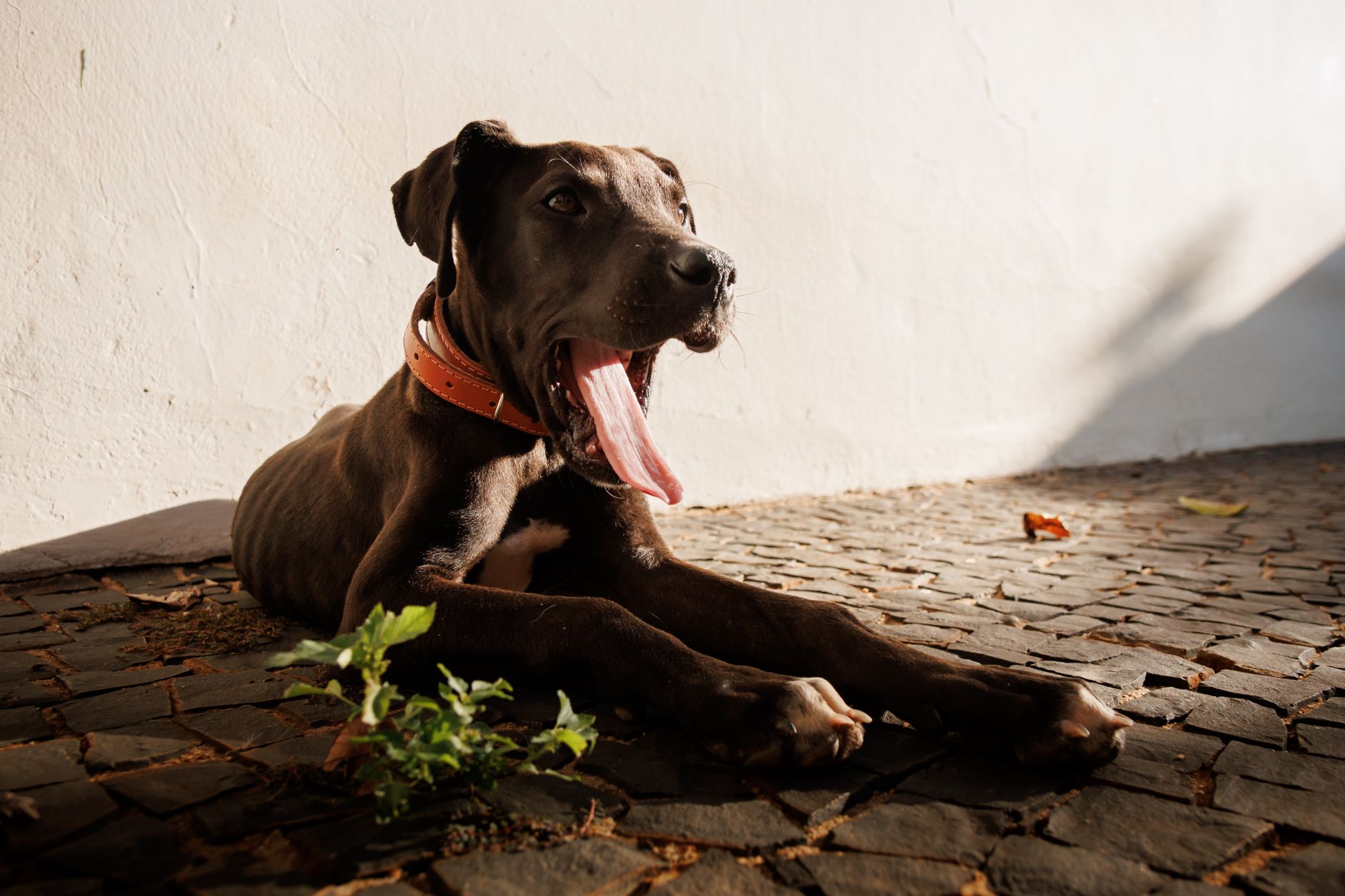
You cannot physically overpower a 180-pound dog that decides to pull on a leash. Training must begin the day you bring your puppy home.
For Mastiffs, early socialization is critical to prevent their protective instincts from turning into over-guarding or reactivity.
Great Danes are highly eager to please, but their sheer size makes basic manners like “no jumping” a matter of safety. A jumping Dane can easily knock over an adult or seriously injure a small child.
Use positive reinforcement, as both breeds are highly sensitive to harsh corrections.
- Expose the puppy to at least 50 different people before 16 weeks of age
- Master loose-leash walking immediately using a front-clip harness
- Teach a solid “place” command to manage their presence in tight rooms
- Desensitize them to paw handling and nail trims early on to avoid vet visit battles
Daily Maintenance, Shedding, and the “Drool Factor”
Let us talk about the mess. If you are fastidious about your home’s cleanliness, neither of these breeds may be a perfect fit.
Mastiffs are legendary droolers due to their loose jowls, and you will find saliva on your walls and ceilings.
Great Danes drool less, but they still produce plenty, especially after drinking water or during meal prep. Both breeds shed short, stiff hairs that weave themselves into upholstery.
Regular grooming is necessary to manage skin folds in Mastiffs and keep their coats healthy.
- Keep “drool rags” strategically placed in every room of the house
- Clean and dry Mastiff facial folds weekly to prevent painful yeast infections
- Use a rubber curry brush daily to remove loose, dead hair from the coat
- Invest in a high-powered vacuum rated for pet hair extraction
Frequently Asked Questions
Which breed lives longer, the Mastiff or the Great Dane?
Generally, English Mastiffs have a slightly longer average lifespan of 8 to 10 years, compared to Great Danes, who typically live 6 to 10 years. However, both are prone to rapid aging and serious genetic health issues.
Do Great Danes need a lot of exercise compared to Mastiffs?
Yes, Great Danes are more athletic and require moderate daily exercise, such as long walks, to stay healthy. Mastiffs are much more low-energy and are often content with short walks followed by long naps on the couch.
Are Mastiffs good with children?
Mastiffs are incredibly patient and gentle with children, earning them the nickname “nanny dogs.” However, due to their massive size, they can easily knock over small kids, so supervision is always required.
What is the best food for a Great Dane or Mastiff puppy?
They must be fed high-quality large or giant-breed puppy food designed to control growth rates. This food has a specific calcium-to-phosphorus ratio to prevent rapid bone growth, which causes severe joint disorders.
Is a gastropexy really necessary for these breeds?
While not legally mandatory, I highly recommend a prophylactic gastropexy for both breeds, especially Great Danes. It is a highly effective, preventative procedure that can save your dog’s life from fatal stomach twisting.
Can these giant breeds live in an apartment?
Surprisingly, yes, because both breeds are relatively low-energy indoors. However, you must have an elevator or ground-floor access, as navigating stairs can be incredibly difficult and painful for an aging giant breed.
Sources & Further Reading
- American Kennel Club (AKC)
- Merck Veterinary Manual
- American Veterinary Medical Association (AVMA)
- PetMD
Final Thoughts
Choosing between a Mastiff and a Great Dane is a decision that will shape your daily life for the next decade. If you prefer a protective, quiet guardian who excels at lounging, the English Mastiff is an incredible choice.
If you want a taller, more athletic, and highly social companion who will join you on active outings, the Great Dane may be your perfect match. Whichever giant you choose, make sure your budget and heart are ready for the unique veterinary responsibilities they require.
As a vet, I can tell you that the love these giants give in return is worth every ounce of effort.