
 Ragdoll Cat Temperament: Why They’re Called ‘Puppy Cats‘” loading=”lazy”>
Quick Summary
Ragdoll cats are widely celebrated for their distinct, puppy-like temperament, characterized by intense devotion to their owners, a calm and trusting demeanor, and a unique tendency to go completely limp when held. As large, slow-maturing felines, they require specific handling, indoor-only protection, and proactive veterinary care to support their gentle nature and prevent hidden health issues. Understanding this breed’s social and physical needs ensures they live long, comfortable lives as true companion animals.
As a veterinarian, I see dozens of unique cat breeds walk through my clinic doors every single week. Yet, few captivate my clinical staff and clients quite like the Ragdoll.
In my years of practice, I have watched these gentle giants completely shatter the classic stereotype of the aloof, independent feline. They do not hide under examination cabinets; instead, they seek out human touch and purr loudly during their physical exams.
There is a very real, biological and behavioral foundation behind why we call them ‘puppy cats.’ Understanding this unique temperament is the first step to providing them with the specialized care they truly deserve.
Key Takeaways
- Ragdolls display dog-like attachment behaviors, including greeting owners at the door and following them from room to room.
- Their name comes from a unique physical tendency to go completely limp and relaxed when picked up by a trusted human.
- They are a slow-maturing breed, taking up to four years to reach their full skeletal size and emotional maturity.
- Due to a lack of self-defense instincts, Ragdolls must be kept strictly as indoor-only pets to ensure their safety.
- Their quiet, non-vocal nature means they often mask physical pain, requiring owners to watch for subtle behavioral shifts.
- Proactive veterinary screenings for genetic conditions like Hypertrophic Cardiomyopathy (HCM) are essential for this breed.
In This Article
- The ‘Puppy Cat’ Phenomenon: What It Means in Daily Practice
- The Musculoskeletal Mystery: Why They Go Limp
- Trainability and Cognitive Engagement
- The Slow Maturation Process: Giant Puppies
- The Silent Communicator: Reading Subtle Behavioral Shifts
- Health and Temperament: The Clinical Connection
- Safe Environments for an Ultra-Trusting Breed
The ‘Puppy Cat’ Phenomenon: What It Means in Daily Practice
When clients ask me what makes a Ragdoll unique, I always point to their dog-like devotion. Unlike many breeds that prefer solitary observation from a high shelf, Ragdolls thrive on direct, active human companionship.
In my clinic, a Ragdoll is often the cat that walks right up to the edge of the examination table to sniff my stethoscope. They do not hiss or retreat; they actively seek out physical contact.
This behavior mimics canine attachment styles, where the human owner is viewed as a secure base of safety. They are highly social animals that require consistent daily interaction to maintain their mental well-being.
- Following family members from room to room like a shadow
- Waiting expectantly by the front door when they hear your keys
- Greeting visitors with a relaxed, upright tail and friendly headbutts
- A strong preference for floor-level interaction over high vertical spaces
The Musculoskeletal Mystery: Why They Go Limp
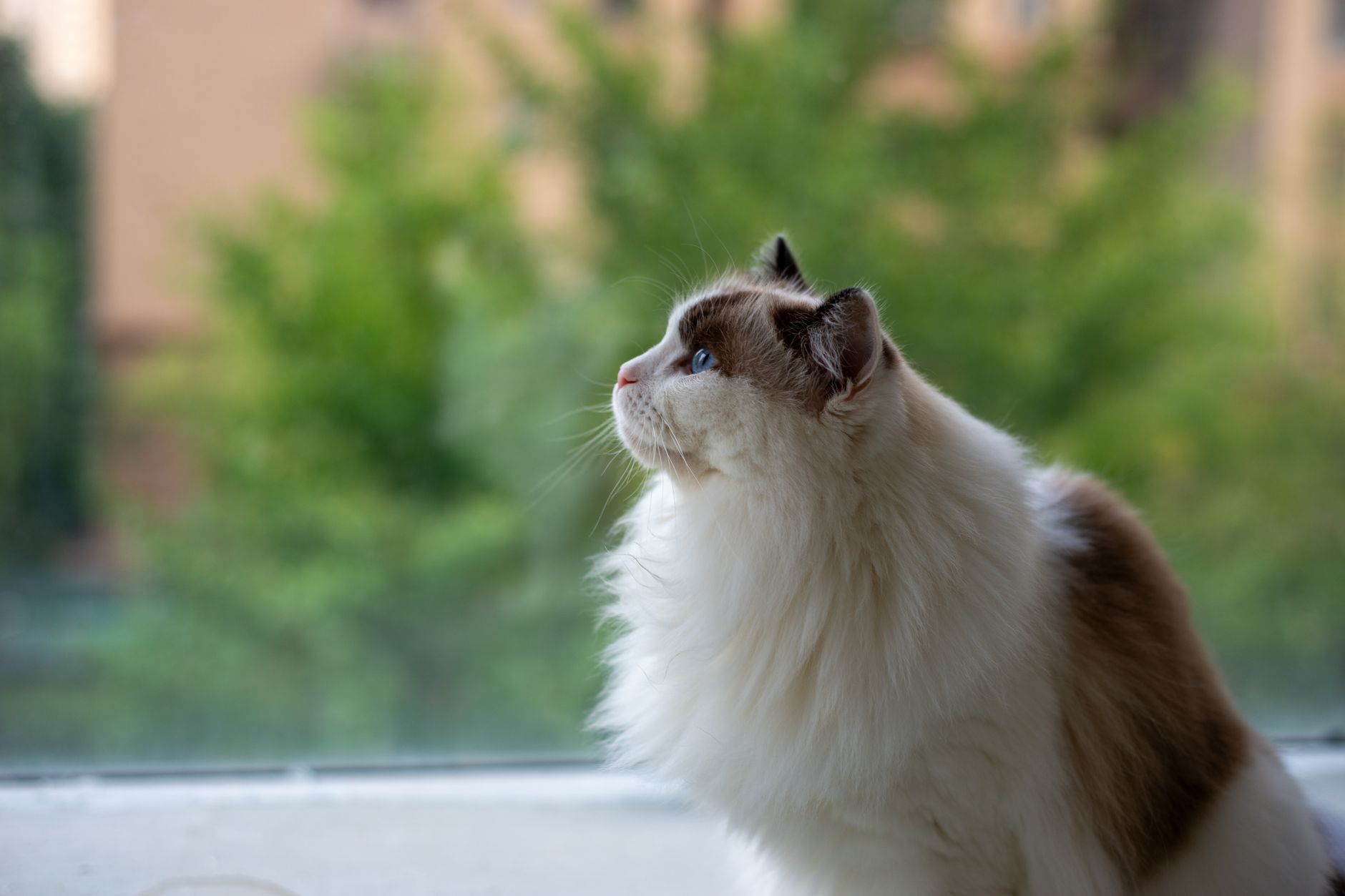
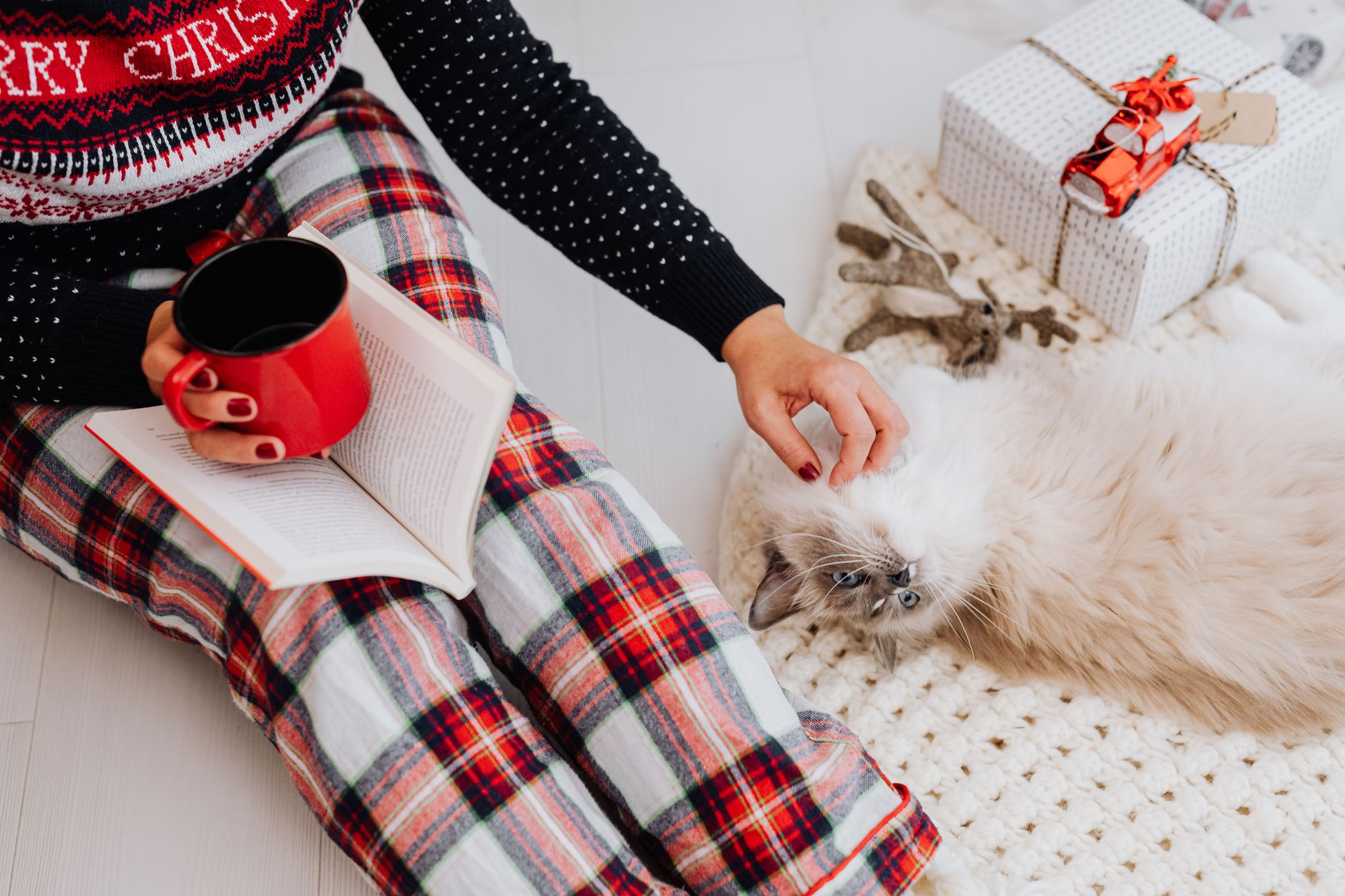
The name ‘Ragdoll’ is not just a clever marketing term. It describes a very real physical response where the cat relaxes its muscles completely when held by someone they trust.
From a veterinary perspective, I often assess this muscle tone during routine physical exams. While some believe this is a genetic defect, it is actually a profound behavioral manifestation of trust and deep muscle relaxation.
However, owners must handle them with care, as their limpness makes them prone to injury if dropped or supported incorrectly. Because they do not tense up to protect themselves, they lack the typical feline self-landing reflex.
- Always cradle the hindquarters with one hand while supporting the chest with the other
- Do not allow young children to carry them unsupervised, as Ragdolls rarely struggle to escape uncomfortable holds
- Watch for signs of joint laxity or abnormal gait during their rapid growth phases
- Ensure soft landing surfaces are available, as they are not as agile as other breeds
Trainability and Cognitive Engagement
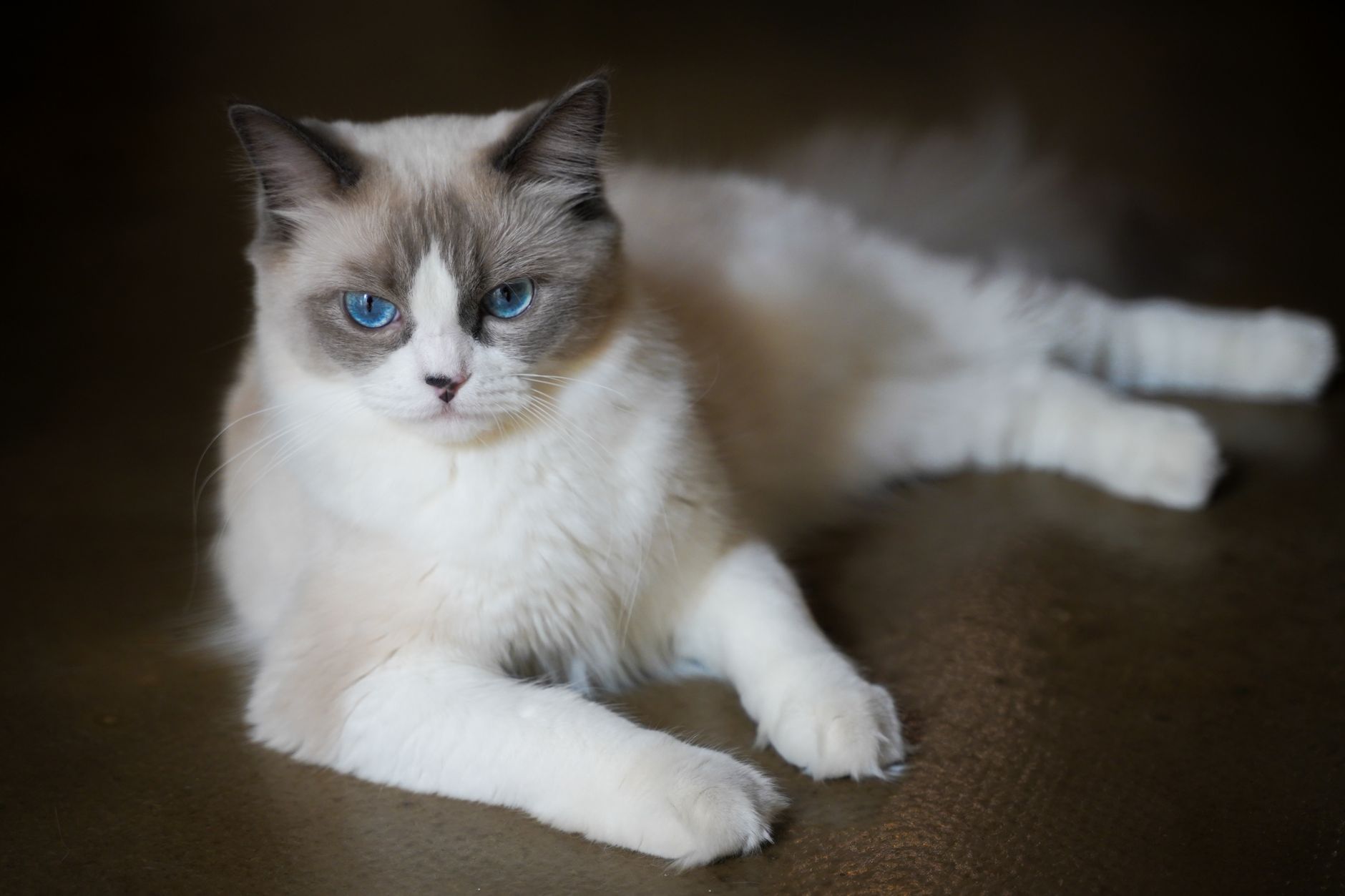
Many of my clients are shocked when I tell them that Ragdolls can be trained just like golden retrievers. Their high level of social motivation makes them excellent candidates for positive reinforcement training.
I always tell my clients that a bored Ragdoll can occasionally develop mild behavioral issues. Engaging their minds keeps them young and prevents stress-induced urinary conditions.
Using high-value treats and a clicker, you can easily teach these cats interactive tricks that satisfy their canine-like intelligence.
- Teaching a reliable ‘fetch’ using lightweight crinkle balls or soft toys
- Leash and harness training for safe, supervised outdoor sensory walks
- Clicker training for basic commands like ‘sit’, ‘stay’, and ‘come’
- Using food puzzle toys designed for dogs to stimulate their problem-solving skills
The Slow Maturation Process: Giant Puppies
One thing I always emphasize in my practice is that Ragdolls are a slow-maturing breed. They do not reach their full size, coat color, or emotional maturity until they are three to four years old.
This means you will have a large, heavy cat who still exhibits the playful, sometimes clumsy behaviors of a kitten. It is a long journey to adulthood that requires patience and careful monitoring.
We must tailor their nutrition and veterinary care to support this prolonged developmental curve, particularly regarding bone and joint health.
Nutritional Needs for Prolonged Growth
Because they grow for up to four years, Ragdolls need consistent, high-quality protein to support muscle development without adding excess fat. I often recommend high-quality wet food diets to maintain lean muscle mass and keep them hydrated.
Monitoring Joint Development
Due to their large frame, Ragdolls can be prone to early joint wear if they carry excess weight. Keep them at a lean body condition score of 5 out of 9 to protect their developing hips and elbows.
The Silent Communicator: Reading Subtle Behavioral Shifts
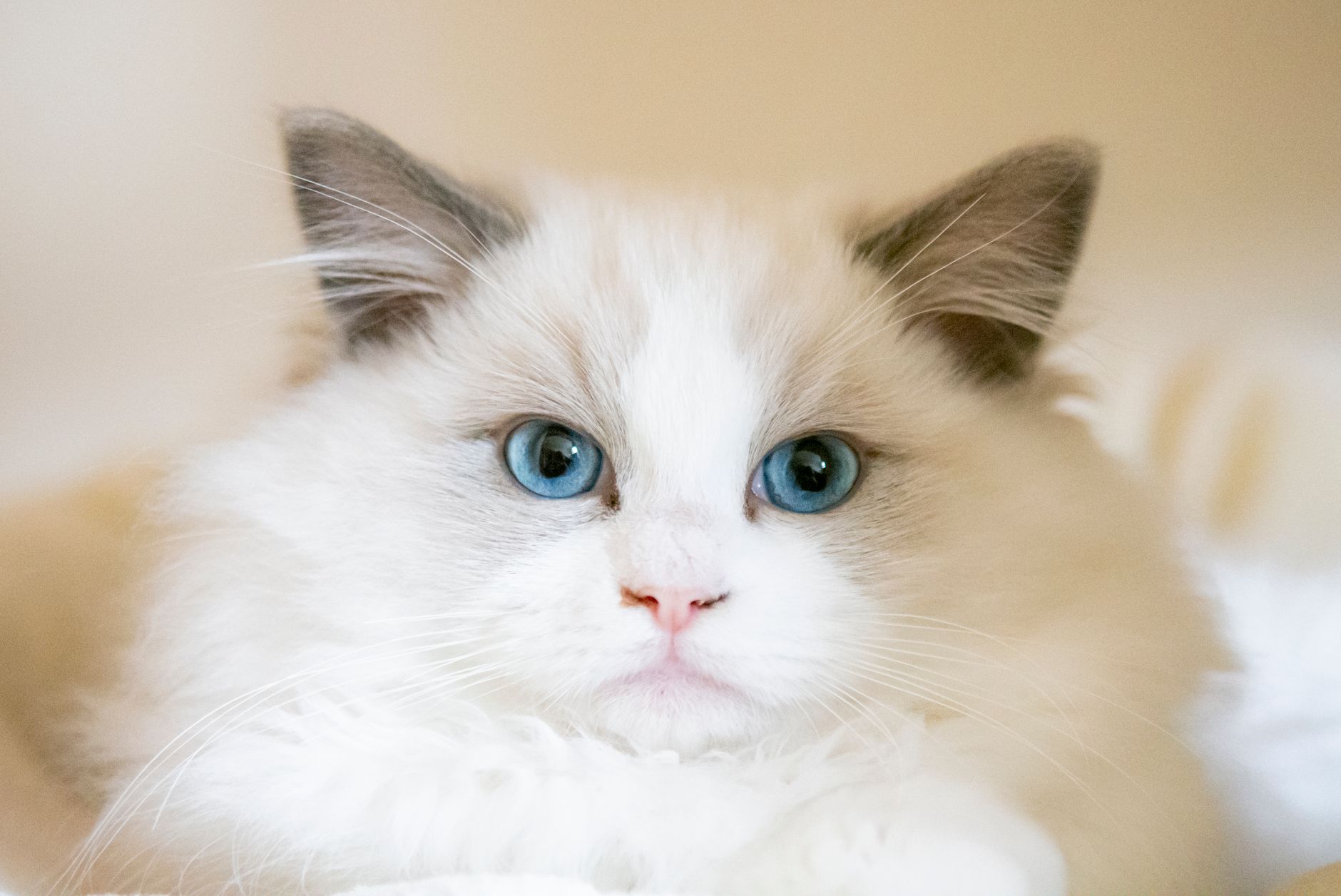
If you are expecting a loud, demanding cat, the Ragdoll will surprise you. They are notoriously quiet, communicating instead with soft chirps, trills, and highly expressive body language.
In my clinical experience, this quiet nature can sometimes mask pain or discomfort. Because they do not scream, hiss, or complain when hurt, owners must learn to read their subtle behavioral shifts.
A change in their daily routine is often the first and only sign that a Ragdoll is feeling unwell.
- A sudden lack of greeting at the door, indicating lethargy or pain
- Subtle squinting of the eyes or a slightly hunched posture on the floor
- Withdrawing to hide in unusual, low-level spots like under the bed
- Soft, persistent trilling that sounds different from their happy, conversational chirps
Health and Temperament: The Clinical Connection
As a vet, I cannot discuss Ragdoll temperament without addressing their genetic health predispositions. A cat’s behavior is deeply intertwined with how they feel physically.
Ragdolls are genetically predisposed to Hypertrophic Cardiomyopathy (HCM) and certain renal issues. A cat dealing with underlying cardiovascular strain may appear unusually calm or sedentary, which owners mistake for typical Ragdoll laziness.
Regular veterinary screening is non-negotiable to ensure their relaxed demeanor is a sign of contentment, not a symptom of underlying illness.
- Annual echocardiograms or genetic screening for the HCM gene mutation
- Routine blood panels starting at age five to monitor kidney filtration and function
- Paying close attention to resting respiratory rates; any rate over 30 breaths per minute at rest requires immediate veterinary evaluation
- Regular dental cleanings, as oral pain can quickly turn a sweet Ragdoll into an irritable, withdrawn pet
Safe Environments for an Ultra-Trusting Breed
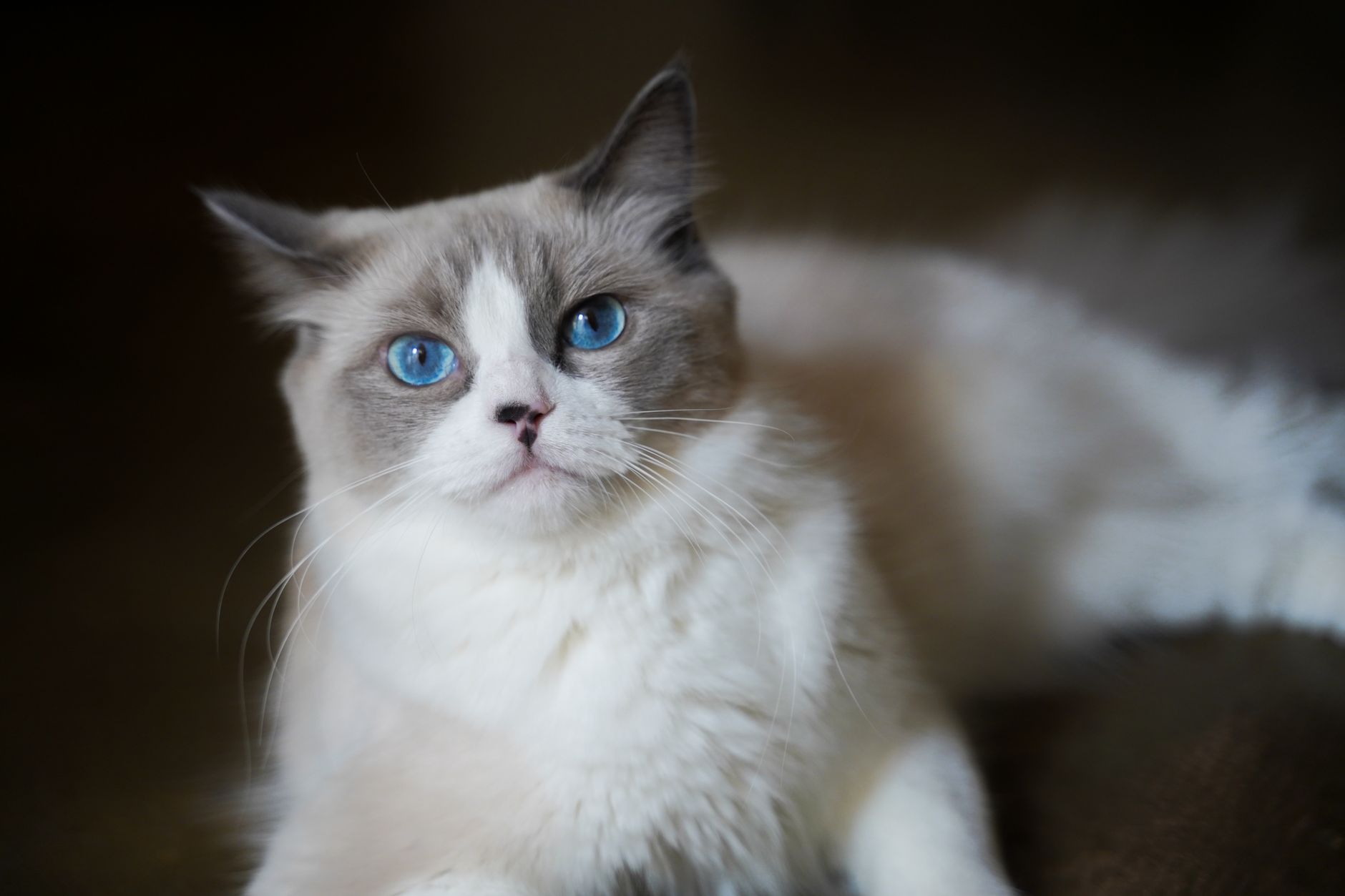
I always tell my clients that Ragdolls must be strictly indoor-only cats. Their lack of outdoor survival instincts is a direct byproduct of their gentle, trusting temperament.
They do not possess the typical ‘fight or flight’ response that wilder felines rely on for self-defense. If confronted by a stray dog or an aggressive cat, a Ragdoll is highly likely to roll over or freeze rather than run or fight.
Creating an indoor sanctuary that meets their emotional and physical needs is crucial for their long-term survival.
- Install low, sturdy scratching posts rather than tall, unstable cat trees, as their heavy bodies make them prone to falls
- Provide window perches with secure screens so they can enjoy visual stimulation safely
- Keep microchip information up to date, as their trusting nature makes them easy targets for accidental adoption if they escape
- Use pheromone diffusers to maintain a calm, stress-free household environment during lifestyle changes
Frequently Asked Questions
Do Ragdoll cats get lonely if left alone for long periods?
Yes, Ragdolls are highly social and can suffer from separation anxiety if left alone for long workdays. I often recommend that owners who work away from home consider adopting a bonded pair of cats to keep each other company.
Are Ragdolls safe to have around young children and dogs?
Generally, yes. Their gentle and tolerant nature makes them wonderful family pets who integrate well with respectful dogs and children. However, because they rarely defend themselves, you must supervise interactions to ensure the cat is not being handled roughly.
Why does my Ragdoll follow me into the bathroom?
This is classic ‘puppy cat’ behavior. Ragdolls view their owners as their social anchors and prefer to be in the same room as you at all times, making them highly cooperative but very clingy companions.
Do Ragdoll cats shed a lot and require daily grooming?
While they have plush, rabbit-like coats, they actually lack a dense undercoat, which makes them less prone to matting than other long-haired breeds. Still, they require a thorough brushing at least twice a week to prevent hairballs and maintain coat health.
How can I tell if my Ragdoll is lazy or actually sick?
While Ragdolls are naturally low-energy, a sudden drop in their willingness to play or greet you is a major red flag. If your cat stops following you around or shows a change in appetite, bring them in for a veterinary exam to rule out underlying pain.
Sources & Further Reading
- The Cat Fanciers’ Association (CFA)
- International Cat Care
- Cornell University College of Veterinary Medicine
Final Thoughts
Operating as a veterinarian has shown me that the Ragdoll is truly a masterpiece of feline companionship. Their sweet, puppy-like temperament is not a myth; it is a delightful reality that brings immense joy to veterinary staff and families alike.
However, this unique personality comes with a responsibility to protect them from their own trusting nature. By providing a safe indoor environment, proper handling, and proactive medical care, you can enjoy a deep, rewarding bond with your gentle giant for many years to come.
If you ever have doubts about your Ragdoll’s health or behavior, never hesitate to reach out to your local veterinary team.