
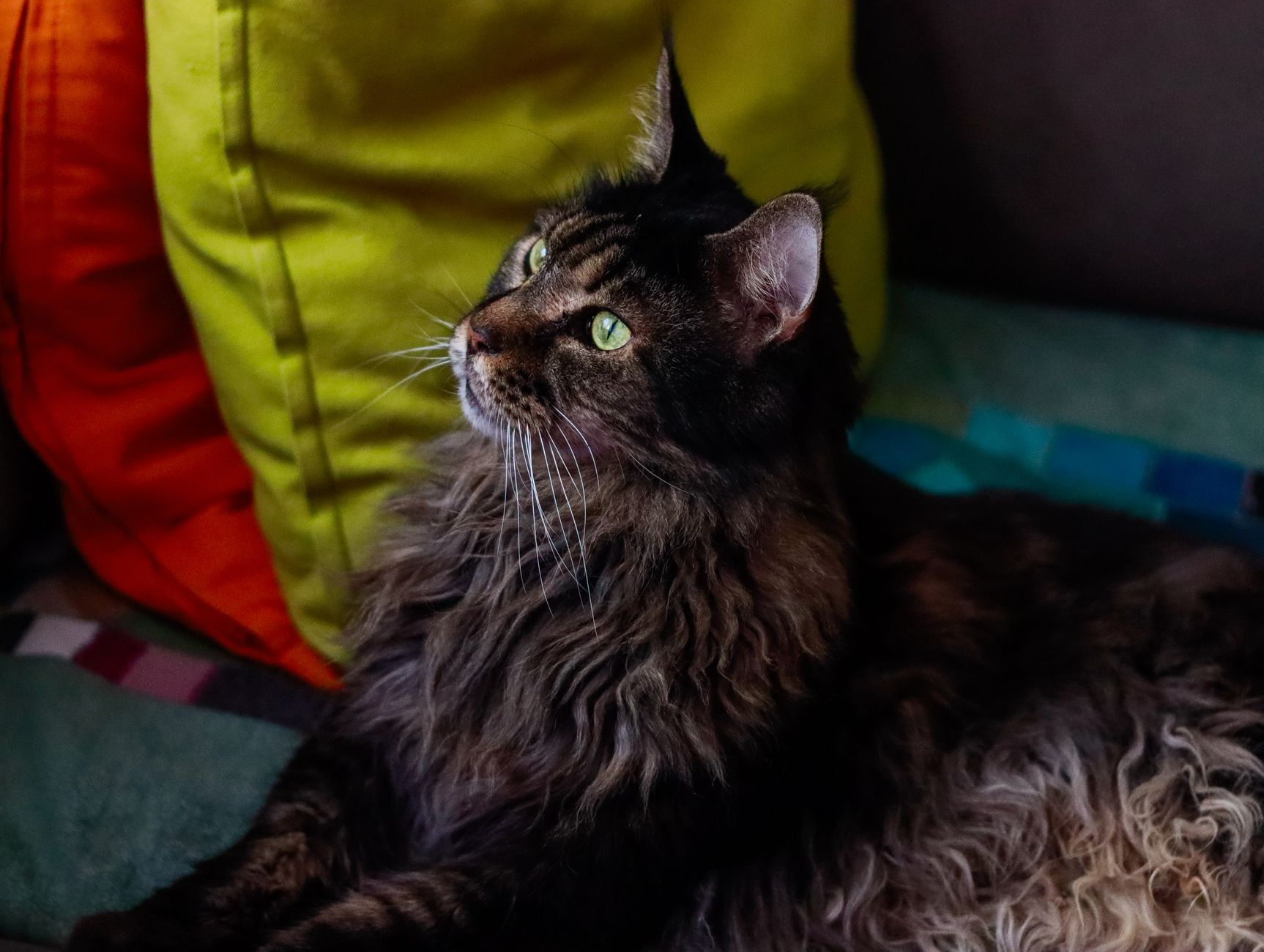
 Maine Coon Growth Chart: What to Expect at Every Age” loading=”lazy”>
Quick Summary
Unlike normal domestic cats that mature in a year, Maine Coons are slow-growing giants that take three to five years to reach full skeletal size and weight. Tracking their weight milestones, providing balanced large-breed nutrition, and safeguarding their late-fusing growth plates are vital clinical steps for their long-term orthopedic health.
Over the last fifteen years in my veterinary practice, I have treated hundreds of cats of every shape and size. Yet, nothing quite compares to the moment a client walks in carrying a carrier that looks like it belongs to a medium-sized dog, only for a majestic Maine Coon to step out.
These gentle giants are truly unique, not just in their striking physical appearance but in how their bodies develop. Understanding this slow-burn growth process is crucial for preventing lifelong skeletal issues and nutritional imbalances.
Let us walk through exactly what to expect as your companion grows from a tiny, fragile kitten into a magnificent, fully-grown forest cat.
Key Takeaways
- Maine Coons take between three to five years to reach their final adult size and skeletal density.
- Healthy adult males typically weigh 15 to 25 pounds, while females range from 10 to 18 pounds.
- They undergo a rapid skeletal growth phase between four and twelve months, often looking long and gangly.
- Their growth plates close much later than standard cats, leaving them vulnerable to early joint trauma.
- Overfeeding to force a larger size is a common clinical mistake that leads to severe hip and joint disease.
- A hands-on rib check is the only reliable way to evaluate their body condition through their dense double coat.
In This Article
- The Extended Growth Timeline: Why Maine Coons Are Different
- The Nursing and Weaning Phase: Months 0 to 3
- The Adolescent ‘Gawkies’: Months 4 to 12
- Fleshing Out: Years 1 to 3
- Reaching Prime Maturity: Years 3 to 5
- Fueling the Giant: Nutrition Designed for Slow Growth
- Clinical Surveillance: Protecting Your Giant’s Joints and Heart
The Extended Growth Timeline: Why Maine Coons Are Different
In my clinic, the most common mistake I see new Maine Coon owners make is treating their one-year-old cat as a fully mature adult. A standard domestic shorthair completes about 90% of its growth in the first twelve months of life.
Maine Coons, however, follow a vastly different developmental path. They experience a prolonged growth phase that spans anywhere from three to five years before they reach their final skeletal size and muscle density.
This slow, steady growth is a biological adaptation that allows their massive bone structures to develop safely. Rushing this process through overfeeding can lead to severe joint stress and structural deformities that I have unfortunately had to treat far too often.
- Growth lifespan: 3 to 5 years compared to 1 year for standard cats.
- Skeletal development: Bones continue to lengthen and thicken well into year three.
- Weight trajectory: Typically gain double or triple a normal kitten’s weight in the first six months.
- Growth plate closure: Occurs much later in life, making them vulnerable to early joint trauma.

The Nursing and Weaning Phase: Months 0 to 3
At birth, a Maine Coon kitten is already larger than most other breeds, usually weighing between 90 and 170 grams. During these first twelve weeks, their growth is incredibly rapid, driven by nutrient-rich queen’s milk and early high-quality kitten food.
This is a critical window for immune system development and bone mineralization. I always advise my clients to weigh their kittens daily during the first month, and weekly thereafter, to ensure a steady upward curve.
Any sudden plateau or drop in weight during this stage is a major red flag. It often points to underlying issues like internal parasites, fading kitten syndrome, or nutritional malabsorption that require immediate veterinary attention.
- Typical 1-month weight: 1.5 to 2.5 pounds.
- Typical 3-month weight: 3.5 to 6 pounds.
- Daily weight gain target: 10 to 20 grams.
- Key milestones: Deciduous teeth eruption, weaning onto wet kitten food, and rapid socialization.
The Adolescent ‘Gawkies’: Months 4 to 12
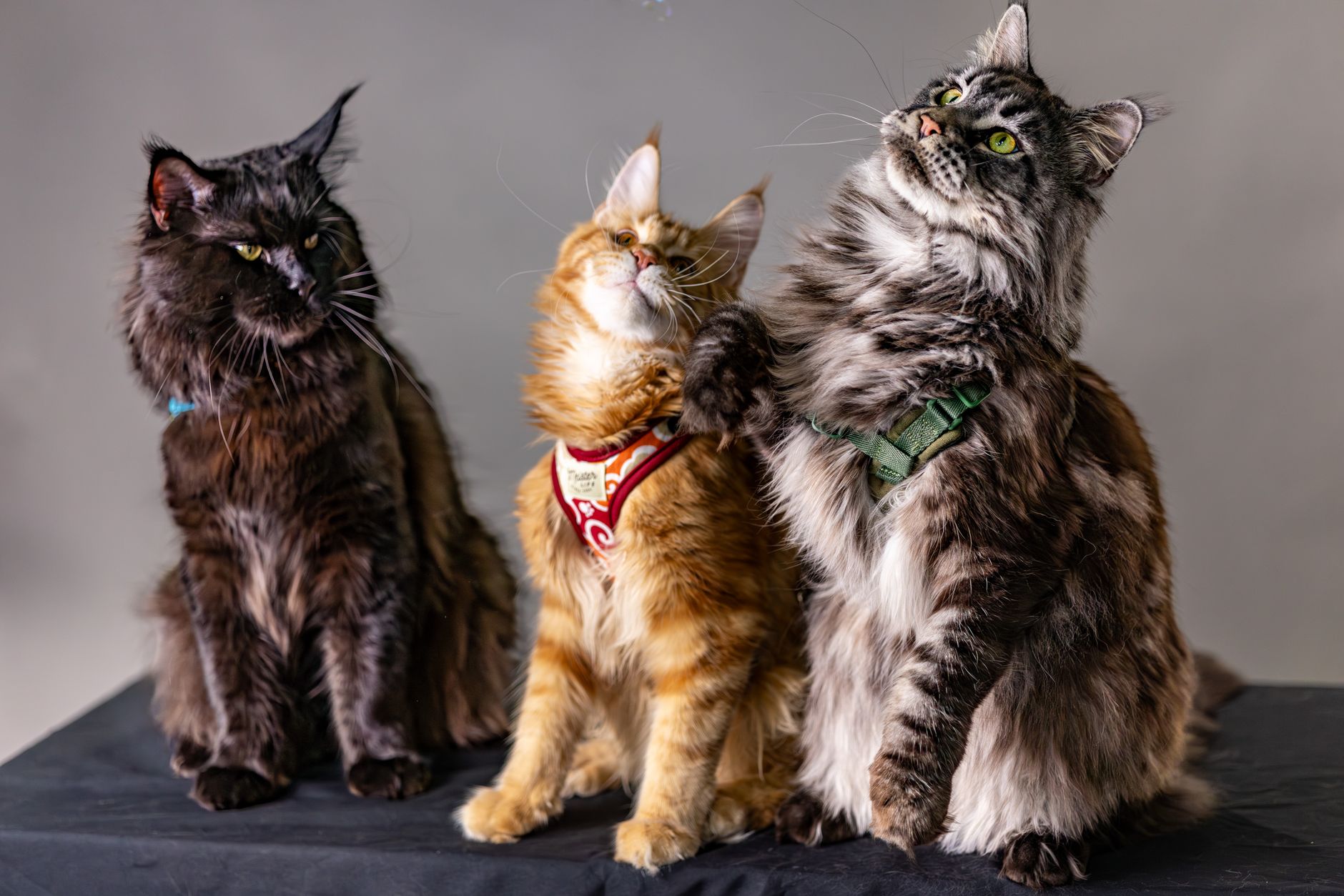
Around the four-month mark, your Maine Coon will enter what I affectionately call the ‘gawky’ phase. Their ears will look incredibly large for their heads, their legs will seem disproportionately long, and their coats might look a bit sparse.
During this period, they are putting most of their metabolic energy into skeletal elongation rather than muscle mass or coat density. You will notice sudden, dramatic growth spurts where they seem to double in length overnight.
Because their bones are lengthening so fast, their nutritional demands are exceptionally high. However, we must balance this need with portion control to avoid putting excess weight on soft, developing growth plates.
- Typical 6-month weight: 8 to 12 pounds.
- Typical 12-month weight: 11 to 15 pounds (females) or 12 to 18 pounds (males).
- Physical changes: Tufted paws expand, ear furnishings grow longer, and the tail becomes highly plumy.
- Skeletal markers: High risk for growth plate injuries if allowed to jump from extreme heights.
The Danger of Early Growth Plate Trauma
During this active phase, a Maine Coon’s growth plates are highly vulnerable to impact. I advise keeping high cat trees secured and minimizing extreme vertical leaps to prevent fractures.

Fleshing Out: Years 1 to 3
By the time your Maine Coon celebrates their first birthday, they have achieved most of their skeletal length. However, they are far from done growing.
During the second and third years, their growth shifts from frame-building to filling out. Their chests will broaden, their shoulders will muscle up, and their facial features will become more pronounced and blocky.
This is also when their iconic ‘shaggy’ coat and prominent neck ruff begin to density. If your cat still looks a bit lean or lanky at two years old, do not panic; they are simply right on schedule for this slow-growing breed.
- Typical 2-year weight: 10 to 16 pounds (females) or 15 to 22 pounds (males).
- Coat progression: The dense double coat fully develops, requiring daily grooming to prevent painful mats.
- Activity shifts: Energy levels may stabilize slightly as they transition from kitten play to adult hunting behaviors.
- Muscle tone: Significant increase in muscle mass, particularly in the hindquarters and shoulders.
Reaching Prime Maturity: Years 3 to 5
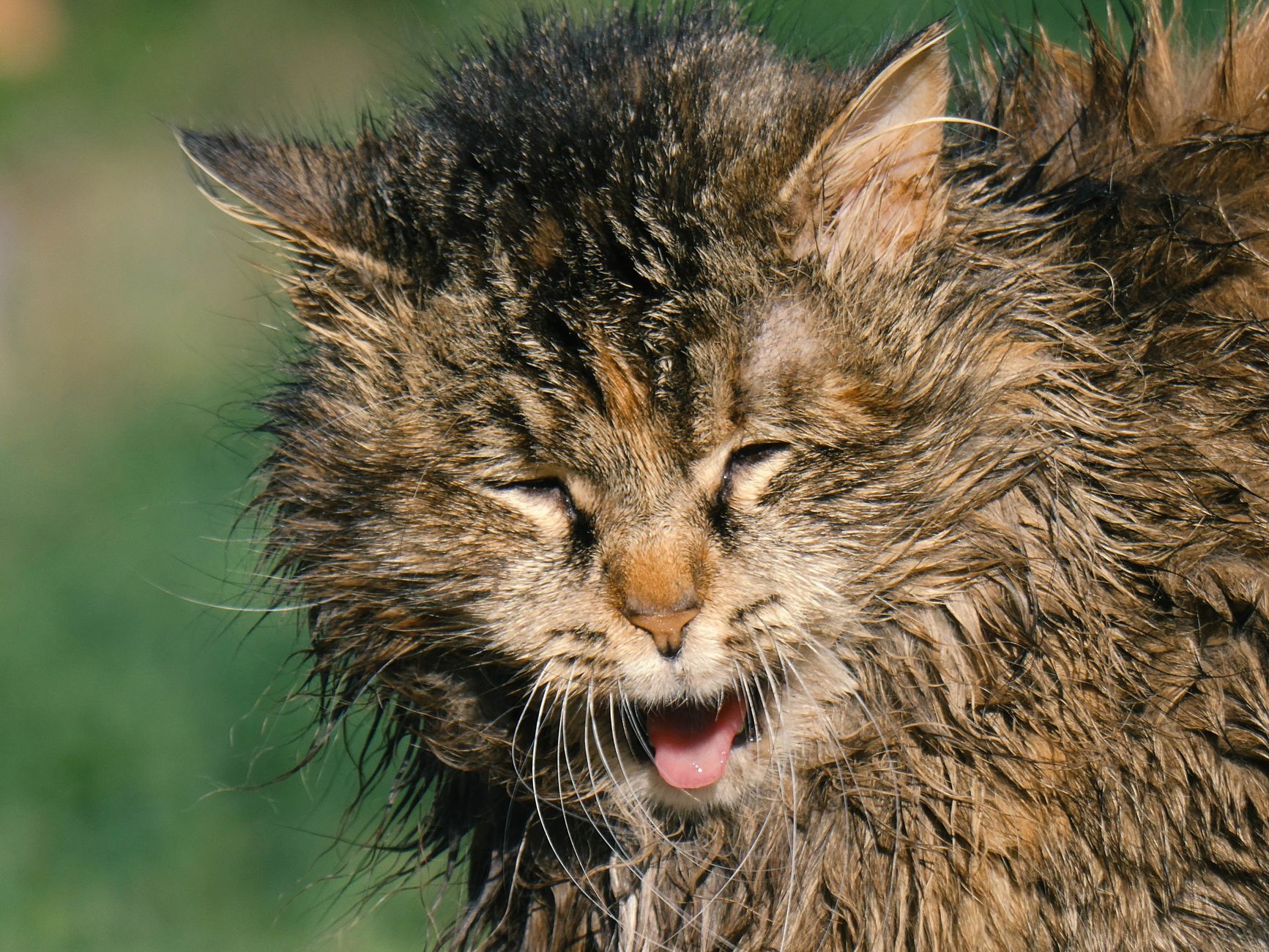
This is the golden milestone where your Maine Coon finally reaches their true physical peak. By age four or five, their skeletal structure is fully mature, their growth plates have fused completely, and their adult muscle mass is stable.
At this stage, you are looking at a magnificent animal that can weigh anywhere from 12 to 25 pounds, depending on sex and genetics. Their head should feature the classic square muzzle, large tufted ears, and expressive, wide-set eyes.
As a veterinarian, this is the phase where I transition my focus from supporting active growth to maintaining joint health and metabolic balance. Once they stop growing, their caloric needs drop, making them highly susceptible to rapid, unhealthy weight gain.
- Adult male weight range: 15 to 25 pounds (some healthy individuals reach up to 28 pounds).
- Adult female weight range: 10 to 18 pounds.
- Average length: 30 to 40 inches from nose to the tip of the tail.
- Skeletal maturity marker: Growth plates in the long bones are completely fused.
Fueling the Giant: Nutrition Designed for Slow Growth
Proper nutrition is the single most important factor under your control to ensure healthy bone and joint development. In my practice, I frequently treat young Maine Coons with joint laxity because their owners fed them low-quality food that encouraged rapid, poor-quality growth.
You must feed a diet rich in high-quality animal proteins and balanced fatty acids, specifically formulated for large breeds or high-energy kittens. Avoid foods loaded with cheap fillers, which lead to empty calories and sudden fat accumulation rather than lean muscle growth.
It is also vital to monitor their Body Condition Score (BCS) rather than just looking at the number on the scale. Because they are so fluffy, you must physically feel their ribs to ensure they are not carrying dangerous visceral fat.
- Protein target: Look for diets where the first three ingredients are whole animal proteins.
- Calcium-to-phosphorus ratio: Must be tightly regulated (ideally 1.1:1 to 1.3:1) to support slow bone mineralization.
- Omega-3 fatty acids: High levels of DHA and EPA are essential for protecting active, heavy joints.
- Feeding schedule: Transition from free-feeding to structured, measured meals by nine months of age to prevent obesity.
The Rib Check Test for Long-Haired Breeds
To perform this test, run your hands along your cat’s sides. You should be able to feel each rib easily under a thin layer of fat; if you have to press hard, your cat is overweight.

Clinical Surveillance: Protecting Your Giant’s Joints and Heart
Their impressive size makes Maine Coons uniquely vulnerable to specific genetic and structural health conditions. During their long growth journey, regular veterinary checkups are non-negotiable for early detection of these issues.
Hip dysplasia, which many people associate only with large dog breeds, is highly prevalent in Maine Coons. Their rapid skeletal lengthening combined with their heavy adult weight places immense stress on the hip joints.
We must also monitor their cardiac health closely. Hypertrophic Cardiomyopathy (HCM) is a genetic condition that causes thickening of the heart walls, which can show up during their active growth years.
- Hip dysplasia warning signs: Bunny-hopping gait, reluctance to jump, or stiffness after sleeping.
- HCM screening: Annual echocardiograms starting at one year of age, especially if the cat is in a breeding program.
- Genetic testing: Ensure your kitten’s parents were cleared of the MYBPC3 gene mutation associated with HCM.
- Early joint support: Start high-quality glucosamine and chondroitin supplements around twelve months of age.
Frequently Asked Questions
At what age do Maine Coons stop growing?
Most Maine Coons reach their full skeletal size, muscle density, and adult weight between 3 and 5 years of age. This is much slower than standard domestic breeds, which typically finish growing by their first birthday.
How can I tell if my Maine Coon is fat or just big?
Because of their extremely dense double coat, you cannot rely on sight alone to judge their body condition. You must perform a hands-on rib check; you should be able to feel their ribs easily with light pressure, and they should have a visible waistline when viewed from above.
Should I feed my Maine Coon kitten food for the entire first year?
Yes, and often longer. Many veterinarians, including myself, recommend keeping them on high-quality, calorie-dense kitten food until 12 to 15 months of age to support their extended bone development before transitioning to adult food.
What is the average weight of a healthy adult male Maine Coon?
A healthy, fully mature male Maine Coon typically weighs between 15 and 25 pounds. Some larger individuals can reach up to 28 pounds without being overweight, provided they have a solid, highly muscular frame.
Can early neutering affect my Maine Coon’s growth?
Yes, early spaying or neutering (before 6 months) can delay the closure of growth plates, causing the long bones to grow slightly longer than normal. Discuss the optimal timing with your veterinarian based on your cat’s specific health and development.
Sources & Further Reading
- The Cat Fanciers’ Association (CFA)
- Cornell University College of Veterinary Medicine
- International Cat Care
Final Thoughts
Raising a Maine Coon is a rewarding, multi-year journey that requires patience, close observation, and a solid partnership with your veterinarian. Watching these magnificent cats develop from fragile kittens into powerful, gentle giants is a true privilege.
By tracking their weight closely, offering precise nutrition, and protecting their joints during active growth, you can prevent many common skeletal issues. Remember that slow growth is healthy growth.
Treat each stage of their developmental timeline with the unique care it deserves, and you will enjoy many healthy, happy years together.