
Quick Summary
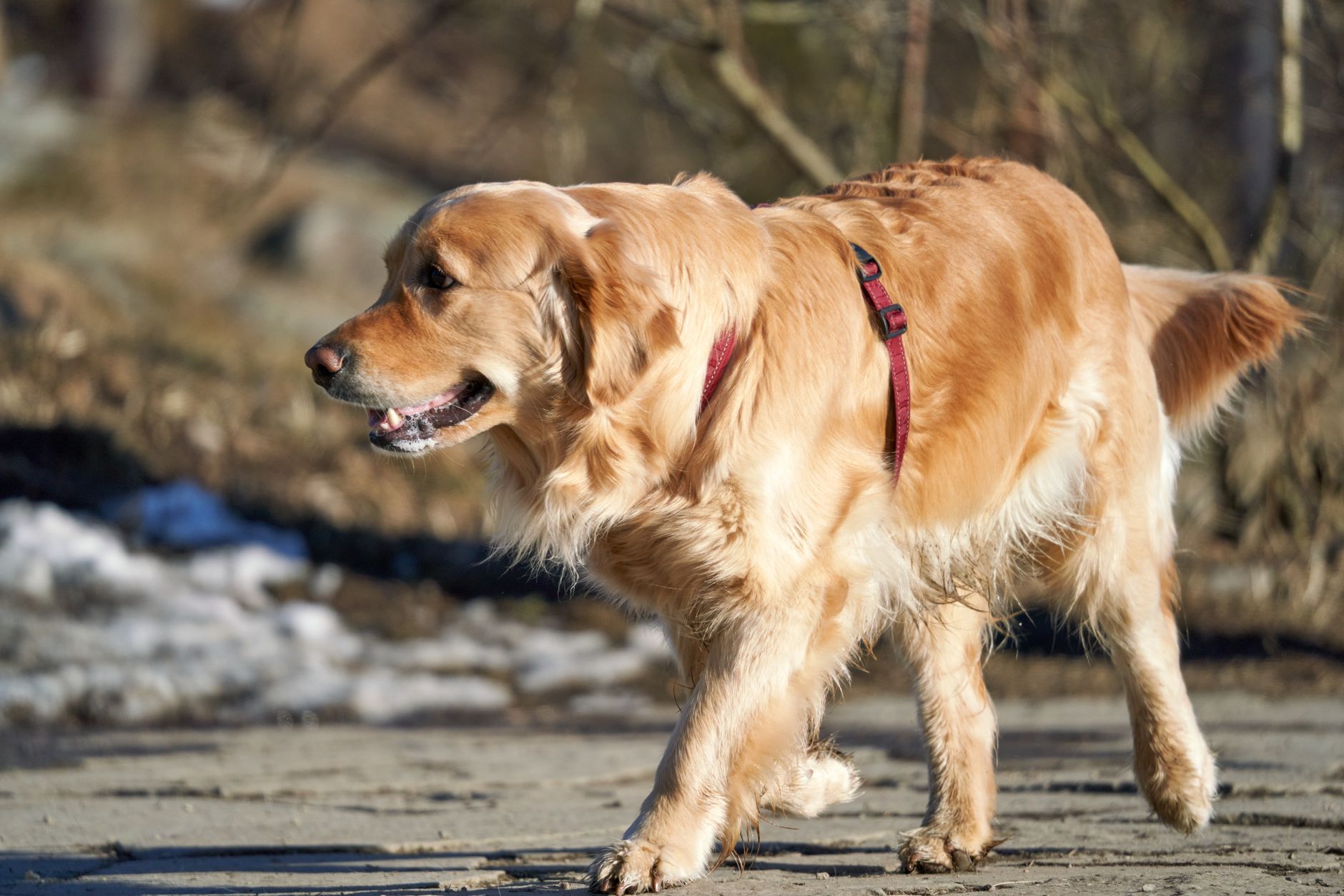
While their massive size can be intimidating, giant dog breeds often possess the most serene, affectionate, and low-energy temperaments of all domestic canines. As a veterinarian, I regularly witness these ‘gentle giants‘ demonstrating unmatched patience and deep family devotion, making them incredible companions when their unique medical and space needs are properly managed.
As an Amazon Associate, we earn from qualifying purchases.
Popular with dog owners: Puppy Food · Orthopedic Dog Bed · Hip & Joint Supplement
In my fifteen years of active veterinary practice, I have treated thousands of dogs, from tiny two-pound Chihuahuas to massive two-hundred-pound English Mastiffs. I am always amused when new clients express nervousness about the giant breeds sitting in my waiting room.
The truth is, these oversized dogs frequently possess the softest hearts, the most predictable temperaments, and the absolute calmest dispositions in the entire canine kingdom.
If you have the space in your home and your budget, welcoming a giant breed can be one of the most rewarding decisions you will ever make as a pet owner.
Key Takeaways
- Giant breeds typically have much lower energy levels than medium or small working dogs, often making them excellent couch potatoes.
- Rapid puppy growth requires precise nutritional management to prevent developmental orthopedic diseases.
- Proactive veterinary procedures, such as preventative gastropexy, can save giant breeds from life-threatening bloat (GDV).
- Grooming, high-quality giant-breed food, and weight-based medications significantly increase the lifetime cost of care.
- Early socialization and leash training are non-negotiable when managing a dog that may eventually outweigh you.
- Many giant breeds have a shorter average lifespan, meaning proactive geriatric care must start early, around age five.
In This Article
- 1. The Clinical Reality of Giant Breeds: Crucial Medical Considerations
- newfoundland-the-ultimate-nanny-dog”>2. The Newfoundland: The Ultimate ‘Nanny Dog’
- 3. The Great Dane: The Affectionate ‘Apollo of Dogs’
- 4. The Bernese Mountain Dog: Calm, Devoted, and Strikingly Beautiful
- 5. The Irish Wolfhound: The Serene, Dignified Giant
- 6. The Saint Bernard: Patient and Protective Alpine Legends
- leonberger-a-playful-and-sensitive-family-companion”>7. The Leonberger: A Playful and Sensitive Family Companion
- 8. The Great Pyrenees: Independent Yet Deeply Gentle Watchdogs
1. The Clinical Reality of Giant Breeds: Crucial Medical Considerations
Before we dive into the specific breeds, we must address the clinical realities of owning a giant dog. In my practice, I always emphasize that giant breeds have unique metabolic, skeletal, and cardiovascular needs that demand proactive veterinary care.
Their rapid growth rates as puppies require precise nutritional management. Overfeeding a giant puppy can lead to irreversible bone and joint issues, such as osteochondrosis dissecans (OCD) or severe, early-onset hip dysplasia.
Additionally, everything in veterinary medicine is dosed by weight. This means heartworm preventatives, anesthetics, antibiotics, and surgeries are significantly more expensive for a 150-pound dog than for a 15-pound dog.
Pedigree Puppy Dry Dog Food, Chicken & Vegetable
- ✓Made with 36 vitamins, minerals and amino acids
- ✓High-quality protein for muscle development
- ✓Complete and balanced nutrition for puppies
- Extra protein, DHA and balanced minerals support a puppy’s rapid growth through the first year
- Strict portion control and large-breed-specific puppy food to regulate rapid growth surges
- High-quality joint support supplements (glucosamine, chondroitin, and green-lipped mussel) starting as early as 12 months
- Proactive gastropexy surgery to prevent Gastric Dilatation-Volvulus (GDV), commonly known as bloat
- Thick, orthopedic bedding to prevent painful calluses and hygromas on bony elbows and hocks

2. The Newfoundland: The Ultimate ‘Nanny Dog’
When clients ask me for a giant breed that excels with small children, the Newfoundland is always at the top of my list. In my clinical experience, their patience is virtually unmatched, and they possess a natural, instinctive sweetness that is actually written directly into their breed standard.
Originally bred as working dogs for Canadian fishermen, they are famous for their life-saving instincts, especially in the water. Their dense, water-resistant double coat protects them from freezing temperatures, but it also requires dedicated maintenance to prevent painful hot spots and severe matting.
- Average adult weight: 100 to 150 pounds
- Webbed feet and a powerful swimming style, making water safety a natural trait
- High drool output requiring regular facial hygiene and ‘slobber towels’ around the house
- Prone to hip dysplasia, elbow dysplasia, and cystinuria (a genetic kidney stone disease)
Veterinary Spotlight: Subaortic Stenosis
Newfoundlands are genetically predisposed to subaortic stenosis (SAS), a congenital heart defect where a narrowing below the aortic valve obstructs blood flow. I always recommend that prospective owners request a certified clear echocardiogram from the puppy’s parents to minimize this risk.
3. The Great Dane: The Affectionate ‘Apollo of Dogs’
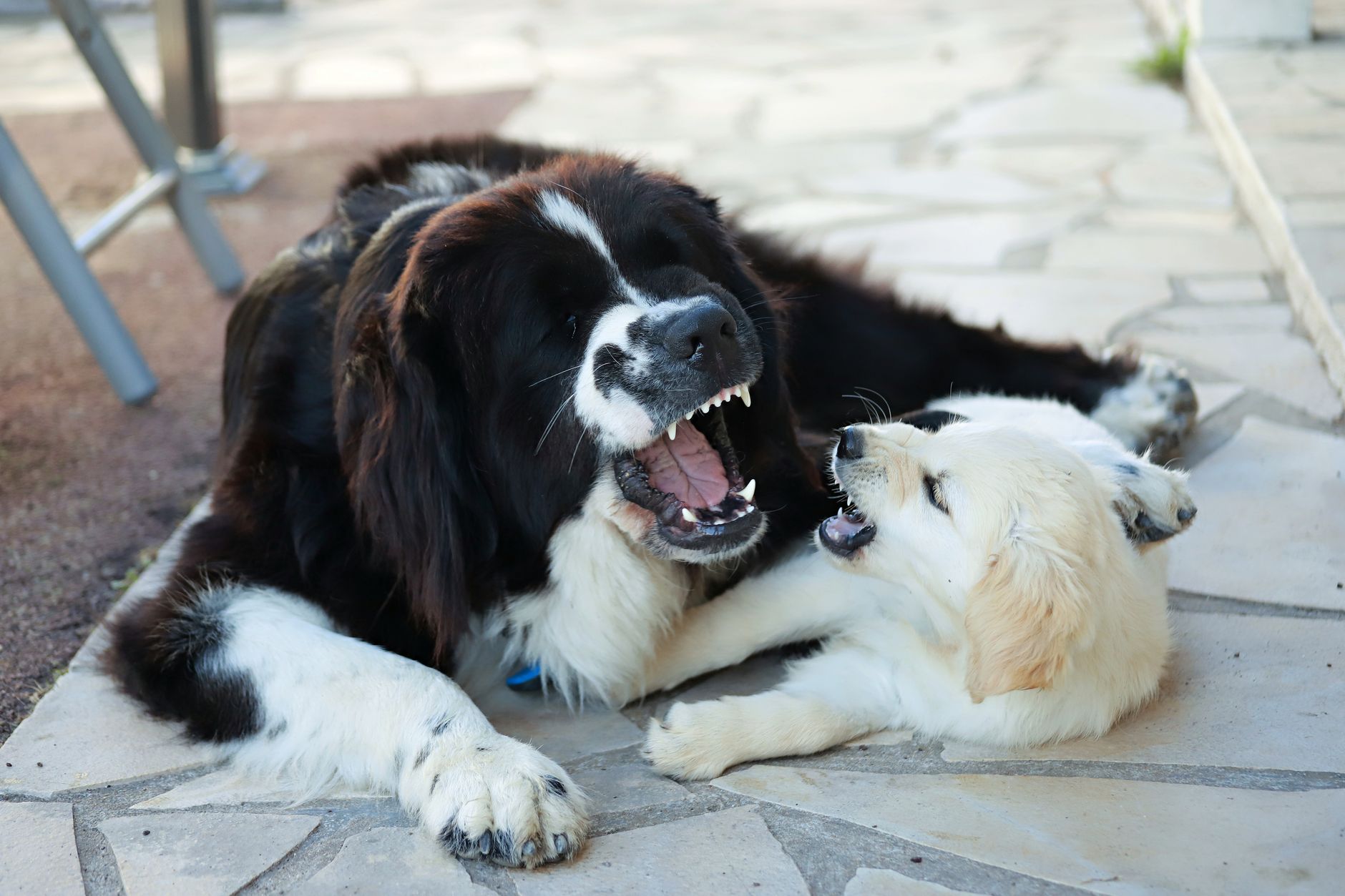
Despite their imposing height and elegant, muscular stature, Great Danes are incredibly sensitive and thrive on human companionship. I often laugh when Dane owners tell me their 130-pound dog thinks they are a lapdog, because in my clinic, they truly do try to cuddle on my lap.
Great Danes are remarkably low-energy indoors, earning them the reputation of being excellent ‘apartment dogs’ despite their massive size. They are highly cooperative patients in the exam room, often leaning their heavy bodies against me for reassurance and comfort during vaccinations.
- Average adult weight: 110 to 175 pounds
- Extremely short, low-maintenance coat, though they are sensitive to extreme cold
- Highly sensitive to harsh training methods; they respond best to positive reinforcement
- Prone to dilated cardiomyopathy (DCM) and osteosarcoma (bone cancer)
Preventing the Dreaded Killer: GDV in Great Danes
Great Danes have the highest risk of Gastric Dilatation-Volvulus (GDV) of any breed. I highly recommend discussing a prophylactic gastropexy—a procedure that tacks the stomach to the abdominal wall—during their spay or neuter to prevent the stomach from fatally twisting.
BFPETHOME Orthopedic Washable Large Dog Bed
- ✓High-density egg-crate foam for senior dogs
- ✓U-shaped bolster for head support
- ✓Waterproof inner layer; removable cover
- Supportive foam cushions hips and joints, ideal for large, senior or dysplasia-prone dogs
4. The Bernese Mountain Dog: Calm, Devoted, and Strikingly Beautiful
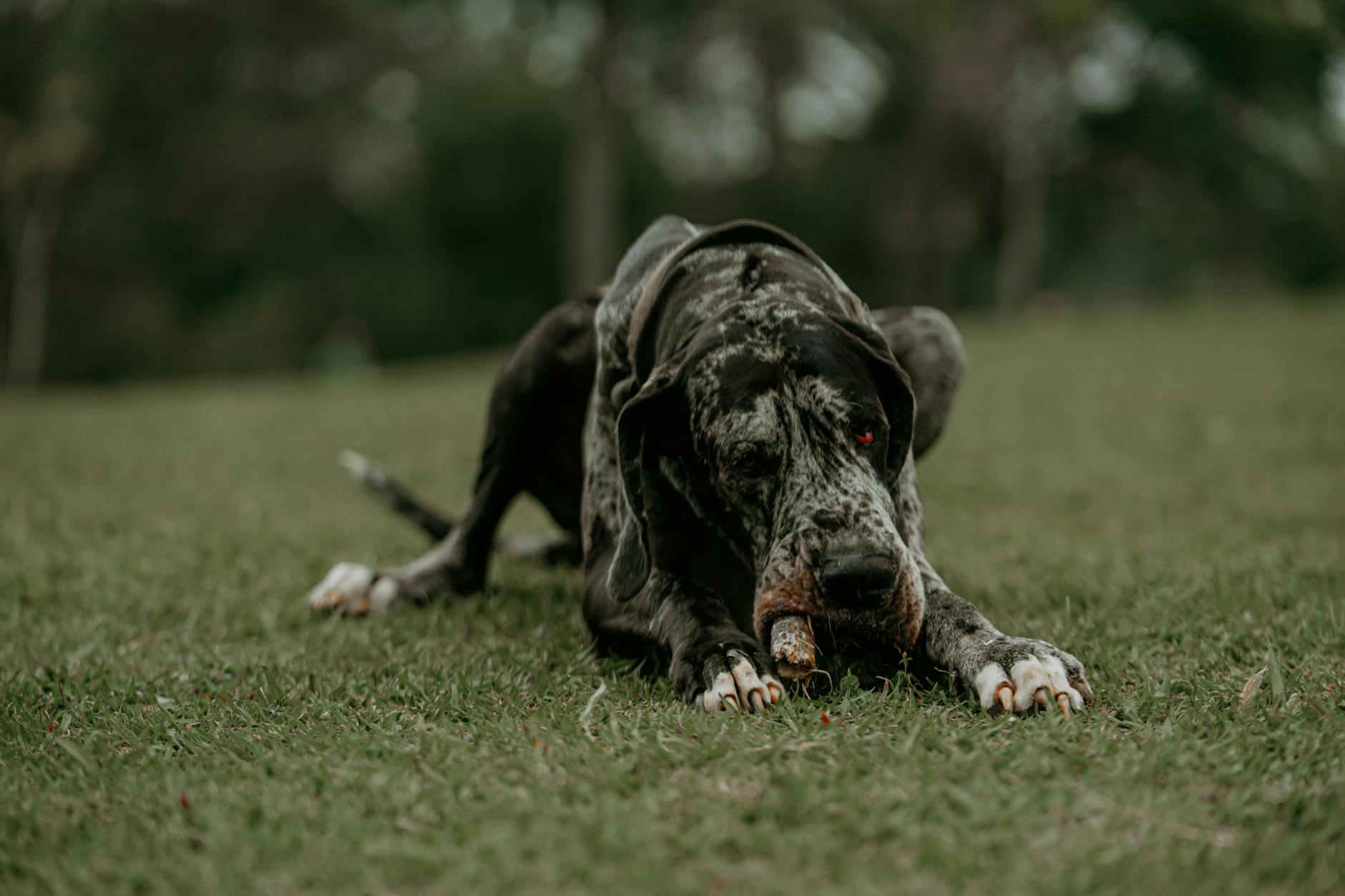
The Bernese Mountain Dog, or ‘Berner,’ is famous for its gorgeous tri-color coat, dark soulful eyes, and incredibly gentle, easygoing nature. Developed as farm dogs in Switzerland, they are highly reliable, social, and eager to please their families.
In my practice, these dogs are absolute joys to treat because they possess a steady, calm demeanor that makes them exceptional therapy dogs. They are highly adaptable to family life, showing incredible gentleness toward children and smaller household pets alike.
- Average adult weight: 70 to 115 pounds
- Thick double coat requires brushing at least three times a week to manage heavy shedding
- Thrive in cold climates and struggle significantly in high humidity and extreme summer heat
- Highly prone to histiocytic sarcoma, an aggressive, breed-associated form of cancer

5. The Irish Wolfhound: The Serene, Dignified Giant
As the tallest of all breeds recognized by the AKC, the Irish Wolfhound is a sight to behold, yet they are peaceful, quiet, and deeply gentle dogs. They rarely bark, never seek out conflict, and treat both family and strangers with a calm, polite curiosity.
In my exam room, they are always incredibly polite, standing quietly and tolerating veterinary exams with a stoic, quiet grace that I find deeply admirable. They do not do well in high-stress, chaotic environments, preferring a quiet home where they can lounge peacefully.
- Average adult weight: 105 to 120+ pounds
- Extremely sensitive souls that do not tolerate raised voices or harsh discipline
- Wire-haired coat requires regular hand-stripping or brushing to maintain health
- Shorter lifespan than average, typically ranging from 6 to 8 years
Anesthesia Sensitivity in Wolfhounds
Like many sighthound breeds, Irish Wolfhounds metabolize drugs and anesthetics differently than other dogs. I always run comprehensive pre-anesthetic blood panels and utilize highly customized, cautious drug protocols when they undergo surgery in my clinic.

6. The Saint Bernard: Patient and Protective Alpine Legends
Historically bred for Alpine rescue, Saint Bernards are legendary for their devotion, patience, and slow-moving, relaxed approach to life. In my years treating them, I have found them to be exceptionally tolerant, making them wonderful companions for busy, multi-pet households.
They have a quiet, solid confidence that means they rarely feel threatened, making fear-based aggression very uncommon in this breed. They are highly affectionate and prefer to stay as close as possible to their favorite humans at all times.
- Average adult weight: 120 to 180 pounds
- Patient with children and other household pets, though supervision is always required due to their bulk
- Heavy droolers, particularly after eating, drinking water, or during mild exercise
- Highly susceptible to heat stroke; they must have access to strong air conditioning during hot summer months

7. The Leonberger: A Playful and Sensitive Family Companion
Developed in Germany to look like lions, Leonbergers are actually incredibly sweet, family-oriented dogs with a stable, friendly temperament. They are highly adaptable and tend to be slightly more active and playful than some of the other giant breeds on this list.
In my clinical experience, they are deeply intuitive and highly sensitive to the emotional tone of their household. They require regular physical and mental exercise to prevent boredom, but they always channel their energy into gentle, controlled play.
- Average adult weight: 90 to 170 pounds
- Thick, water-resistant double coat with a characteristic dark ‘lion-like’ face mask
- Require early and consistent training to manage their natural enthusiasm and strength
- Prone to Leonberger Inherited Neuropathy (LPN1 and LPN2), for which genetic testing is available
8. The Great Pyrenees: Independent Yet Deeply Gentle Watchdogs
The Great Pyrenees was bred to live with and guard livestock, giving them a calm, watchful, and highly independent nature. While they are fiercely protective of their home territory when necessary, they are incredibly gentle, quiet, and serene companions within their family unit.
In my clinical practice, I have always admired their quiet confidence and majestic beauty. They do not demand constant attention, but they are deeply affectionate and have a soothing, calming presence that can ease the anxiety of everyone in the room.
- Average adult weight: 85 to 100+ pounds
- Strong natural instinct to patrol boundaries and bark at night, requiring secure fencing
- Double dewclaws on the rear legs are a breed standard and require regular trimming to prevent painful snagging
- Prone to patellar luxation, hip dysplasia, and cancers such as osteosarcoma
-
PetNC Natural Care Hip & Joint Soft ChewsGlucosamine and chondroitin chews support cartilage and mobility, especially in large, senior and dysplasia-prone dogs
-
Hertzko Self-Cleaning Slicker BrushRemoves loose hair, tangles and dirt before they become mats
-
ChefAide Lick Mat for Dogs, 2 PackLicking is naturally calming, so a lick mat with spread-on food helps during baths, nail trims and storms
Related Dog Guides
Frequently Asked Questions
What is the average lifespan of a giant dog breed?
Generally, giant breeds have a shorter lifespan than smaller dogs, typically ranging from 6 to 10 years depending on the specific breed. In my practice, proactive veterinary care, proper joint supplements, and maintaining a lean body weight can help maximize their golden years.
How much does it cost to care for a giant dog breed?
Caring for a giant dog is significantly more expensive than caring for a standard-sized pet. Food costs, veterinary medications, anesthesia, boarding, and preventative surgeries are all priced by weight, which can easily double or triple your annual pet care budget.
Are giant breeds safe to have around toddlers and small children?
Yes, many giant breeds are famously gentle with kids, but I always warn parents about their sheer physical size. Even the gentlest Newfoundland or Great Dane can accidentally knock over a small child with a happy wag of their tail or a clumsy step.
How much exercise do these giant dog breeds actually need?
Most giant breeds have low to moderate energy levels and only require 30 to 45 minutes of daily walking. Over-exercising them, especially when they are young puppies, can put too much stress on their developing growth plates and lead to early arthritis.
Why do giant dog breeds drool so much, and can it be stopped?
Many giant breeds have heavy, loose jowls that naturally collect saliva, which spills out when they shake their heads or get excited. This is a structural trait that cannot be stopped, so I advise my clients to keep soft towels handy in high-traffic rooms.
What is bloat, and why is it so dangerous for giant dogs?
Bloat, or Gastric Dilatation-Volvulus (GDV), occurs when the stomach fills with gas and twists on itself, cutting off blood flow to vital organs. This is a rapid, life-threatening veterinary emergency, which is why preventative gastropexy surgery is highly recommended.
Sources & Further Reading
Final Thoughts
Welcoming a giant breed into your home is a major commitment that requires careful financial and emotional preparation. As a veterinarian, I can tell you that the love, loyalty, and gentle companionship these dogs offer is truly unmatched.
By partnering with a trusted veterinarian early on to manage their rapid growth and joint health, you can enjoy many wonderful, peaceful years together. If you have the space in your heart and your home, a gentle giant will fill it like no other dog can.