
Puli Breed Guide

Quick Summary
An ancient Hungarian herding breed famed for its distinctive corded coat, the Puli is an intensely loyal, high-energy companion that thrives on mental stimulation and physical work. In my clinical experience, they are best suited for active, engaged owners who can commit to meticulous coat maintenance and provide a structured outlet for their strong herding instincts.
As an Amazon Associate, we earn from qualifying purchases.
Popular with Puli owners: Omega-3 Fish Oil · Slicker Brush · Puzzle Toys
Quick Facts
- origin countryHungary
- breed groupHerding Group
- sizeMedium
- weight range25 to 35 pounds (11 to 16 kg)
- height range16 to 17 inches (40 to 43 cm) at the shoulder
- lifespan10 to 15 years
- coat typeCorded, dense, weather-resistant double coat
- common colorsSolid black, rusty black, various shades of gray, white
- other namesHungarian Puli, Pulik
- recognized byAKC, UKC, FCI, KC (UK)
Caring for a Puli
Living with a Puli means embracing their vibrant, high-energy, and sometimes intensely busy nature. In my practice, I find they are happiest when they have a ‘job’ to do daily, whether that is agility training or keeping watch over a large backyard. Their physical stamina is remarkable, meaning they need more than a simple stroll around the block to settle down. Beyond physical exercise, managing their environment to prevent excessive barking is a key daily responsibility for Puli owners.
Is a Puli a good family pet?
Yes, they can be exceptional family pets for active households, as they are incredibly loyal and protective of their pack. However, their strong herding instinct means they may try to nip at the heels of running children, which requires early, consistent redirection.
Do Pulis shed a lot?
Surprisingly, no; the dead hair becomes trapped within their cords rather than falling onto your furniture, making them virtually non-shedding. However, they are not allergen-free, as they can still carry dander, dust, and pollen trapped within their heavy coats.
Is a Puli good for first-time owners?
Generally, I do not recommend the Puli for novice dog owners due to their high intelligence, independent streak, and intense grooming needs. They require a confident handler who understands herding behavior and can establish firm, positive boundaries from day one.
Temperament & Personality

The Puli is a remarkably sharp, alert, and active dog with a deeply ingrained work ethic. In my clinic, I often observe their quick-thinking nature; they are constantly evaluating their surroundings and can be highly sensitive to changes in their environment. While fiercely affectionate and playful with their immediate family, they tend to be naturally suspicious and aloof toward strangers. This watchful nature makes them excellent watchdogs, though it can easily slide into unwanted protective behavior without proper socialization.
Is a Puli good with other pets?
With proper early socialization, they can co-exist peacefully with other family dogs and even cats. However, their herding drive is strong, and they may persistently attempt to gather or control the movements of smaller pets in the household.
How much attention does a Puli need?
They are incredibly people-oriented and do not tolerate long periods of isolation well; they will actively seek out your company. If left alone for extended periods without mental stimulation, they are highly prone to developing separation anxiety and destructive habits.
Native Pet Omega-3 Fish Oil for Dogs
- ✓Wild Alaskan salmon and pollock oil
- ✓Leak-proof locking pump
- ✓Supports soft coats and comfortable skin
- Omega-3 fatty acids support skin, coat and joints from the inside out
Training & Behavior
Training a Puli is a highly rewarding yet sometimes challenging endeavor because of their superior intellect and independent herding background. They learn commands incredibly fast—often in just a few repetitions—but they will quickly bore of rote, repetitive tasks. In my clinical experience, a Puli will try to outsmart their handler if they find the training dull, meaning sessions must remain dynamic and positive.
Training Tips
- Use positive reinforcement and high-value treats to keep their highly active minds engaged.
- Keep training sessions short, varied, and fast-paced (5 to 10 minutes max) to prevent boredom.
- Begin socialization in early puppyhood to counteract their natural suspicion of strangers.
- Address and redirect herding behaviors, such as heel-nipping and ankle-biting, immediately.
- Incorporate mental puzzles and interactive toys to satisfy their high cognitive needs.
Fun Activities
- Agility trials, where their natural speed and tight-turning ability shine
- Herding trials or herding instinct tests to channel their genetic drives
- Flyball and advanced obedience competitions
- Interactive search-and-find nosework games in the backyard
- Dock diving or swimming (provided cords are dried thoroughly afterward)
Is a Puli easy to train?
They are highly trainable due to their intelligence, but they are not ‘push-button’ dogs. They require an assertive, creative trainer who uses positive reinforcement, as harsh methods will cause them to shut down or become stubborn.
Puli Health Issues
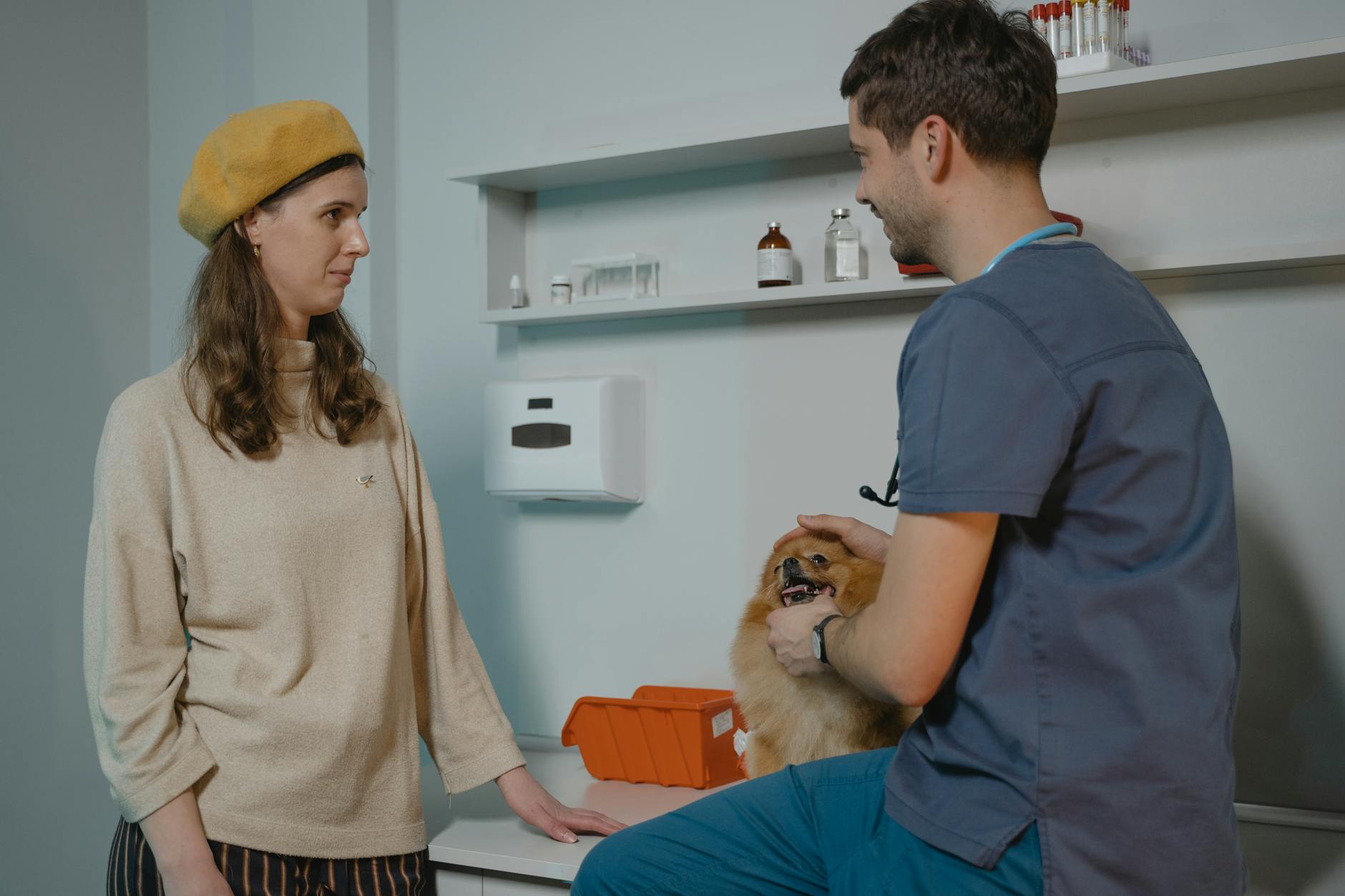
Overall, the Puli is a remarkably hardy and robust breed with relatively few genetic health issues compared to other purebreds. However, like all working breeds, they are predisposed to certain hereditary orthopedic and ocular conditions that require veterinary screening.
Hip Dysplasia
A hereditary skeletal condition where the femur does not fit snugly into the pelvic socket, leading to progressive joint laxity, inflammation, and painful osteoarthritis.
Progressive Retinal Atrophy (PRA)
An inherited degenerative eye disease that affects the photoreceptor cells of the retina, eventually leading to complete and irreversible blindness.
Cataracts
An opacity or cloudiness within the eye’s lens that obstructs light from reaching the retina, which can cause varying degrees of vision loss and eventual blindness.
Patellar Luxation
A condition in which the kneecap (patella) slips out of its normal anatomical groove, temporarily locking the knee joint and causing gait abnormalities.
Hertzko Self-Cleaning Slicker Brush
- ✓Fine bent wire bristles reach through to the undercoat
- ✓Retractable bristles: one click drops the collected hair
- ✓Comfort-grip handle for longer grooming sessions
- ✓Works on long and short coats, dogs and cats
- Removes loose hair, tangles and dirt before they become mats
- Quick to clean, so regular brushing actually happens
Otitis Externa (Ear Infections)
Because of their heavy, corded ears that hang close to the head, moisture and debris are easily trapped, creating a perfect breeding ground for yeast and bacteria.
Moist Dermatitis (Hot Spots)
An inflammatory skin condition that occurs when the dense, corded coat remains damp for too long after bathing or swimming, allowing normal skin microflora to overgrow.
How long do Pulis typically live?
The typical lifespan of a Puli is between 10 to 15 years. With a high-quality diet, regular veterinary checkups, preventive joint care, and keeping them at a lean weight, many of my Puli patients live vibrant, active lives well into their double digits.
What to Feed a Puli
Proper nutrition is vital to fuel the high energy levels of a Puli while supporting their joint and coat health. Because their heavy coat can easily mask their true body condition, I always advise owners to physically feel their dog’s ribs regularly rather than relying on sight alone.
Best Diet
I recommend a high-quality, biologically appropriate commercial kibble or balanced wet food formulated for medium-sized, active breeds. Ensure it contains high-quality animal proteins as the first ingredients, alongside glucosamine and chondroitin to support joint health.
How to Feed
Adult Pulis should be fed twice daily—once in the morning and once in the evening—to maintain stable energy levels and prevent gastrointestinal upset. Avoid vigorous exercise for at least 60 minutes before and after meals to reduce the risk of bloat.
How Much to Feed
On average, a mature Puli requires about 1.5 to 2 cups of high-quality dry food per day, divided into two meals. This portion must be adjusted based on their individual metabolism, age, and activity level; consult your veterinarian for an exact caloric calculation.
Nutritional Tips
Incorporate Omega-3 fatty acids, such as fish oil, into their diet to support skin barrier health and maintain the integrity of their dense coat. Always monitor their body condition score closely, as carrying excess weight puts unnecessary strain on their herding joints.
Puli Grooming Guide
The iconic corded coat of the Puli requires a unique and intensive grooming regimen that cannot be ignored. While they do not require brushing, managing the cording process is a labor-intensive commitment that begins in puppyhood.
Coat Care
As the puppy coat transitions (typically between 9 and 15 months), the soft undercoat must be manually split from the outer coat down to the skin into individual cords. Once established, cords must be regularly separated by hand to prevent them from matting into solid, painful felt plates.
Skin Care
Bathing a corded Puli is an all-day affair; the coat must be thoroughly saturated, shampooed, rinsed exhaustively, and then dried using high-velocity dryers and towels for several hours to prevent mildew growth. Ensure the skin is completely dry down to the follicle to avoid moist dermatitis.
Eye Care
The hair around the eyes must be checked daily for debris or excessive tearing; some owners choose to tie the cords back with soft bands to keep the eyes clear and prevent corneal irritation.
Ear Care
Check the ears weekly for signs of moisture or yeast, and pluck or trim excess canal hair if recommended by your vet to improve air circulation.
Nail & Dental Care
Trim nails every 3 to 4 weeks to prevent splaying of the paws, and brush their teeth daily to combat periodontal disease, which is highly prevalent in active, medium-sized breeds.
Considerations for Pet Parents
Pros
- Extremely loyal and deeply bonded to their immediate family.
- Virtually non-shedding, keeping carpets and furniture free of loose dog hair.
- Incredibly intelligent, highly versatile, and excels in dog sports.
- Natural, vigilant watchdog that will alert you to any intruders.
- Highly adaptable to various climates due to their insulated corded coat.
Cons
- Exceeding demanding grooming requirements that require hours of manual labor.
- Can be highly vocal with a loud, persistent alert bark if not trained.
- Strong herding instinct may lead to chasing or nipping at kids and small pets.
- Can be aloof or suspicious of strangers without early, extensive socialization.
Best For
The Puli is best for active, experienced dog owners, agility competitors, or families living in suburban or rural environments who have the time to devote to extensive coat care and mental stimulation.
Not Recommended For
I do not recommend this breed for apartment dwellers with noise restrictions, busy individuals who cannot commit to weekly coat maintenance, or sedentary owners looking for a low-maintenance lapdog.
Cost
- purchase price$1,500 to $2,500 USD from a reputable breeder
- monthly cost$150 to $250 USD, primarily accounting for specialized grooming, high-quality food, and preventive care
- initial setupExpect an initial setup cost of $1,000 to $1,500, which includes crates, heavy-duty blow dryers specifically designed for corded coats, initial vaccinations, microchipping, and high-velocity drying equipment.
-
DR CATCH Dog Puzzle Feeder ToyFood puzzles turn mealtime into a brain game, burning mental energy in clever, easily bored pets
-
Stewart Freeze-Dried Beef Liver Dog TreatsSmall, soft treats are quick to eat, so you can reward the right moment and keep training sessions moving
-
BFPETHOME Orthopedic Washable Large Dog BedSupportive foam cushions hips and joints, ideal for large, senior or dysplasia-prone dogs
Similar Breeds


Related Dog Guides
Puli FAQs
How do you wash a Puli’s corded coat?
Washing a Puli requires diluting shampoo and squeezing it repeatedly into the cords rather than rubbing, which would cause matting. Rinsing is the most critical step and can take up to 30 minutes to remove all soap residue. Drying is a multi-hour process involving squeezing with towels, followed by a high-velocity cage or stand dryer, as damp cords can easily mildew.
Do you have to cord a Puli’s coat?
No, you do not have to cord their coat; some owners choose to keep their Puli clipped in a short ‘utility’ or ‘puppy’ cut. While this makes physical maintenance and drying significantly easier, it removes their signature look and weather protection. Keep in mind that a clipped coat still requires regular brushing and clipping every 6 to 8 weeks.
Are Pulis hypoallergenic?
While often marketed as hypoallergenic because they do not shed loose hair, no dog is truly allergen-free. Pulis still produce dander and saliva, and their dense cords can act like a sponge for outdoor environmental allergens such as pollen, dust, and grasses, which can trigger symptoms in sensitive individuals.
Why does my Puli nip at my heels?
Nipping at heels is a deeply rooted, instinctual herding behavior inherited from their ancestors who herded sheep on the Hungarian plains. When people or other pets run, the Puli’s instinct to control and direct movement is triggered. This behavior should be redirected early with positive reinforcement training.
How much exercise does a Puli need daily?
A healthy adult Puli needs at least 60 to 90 minutes of vigorous daily exercise. This should go beyond simple leash walks to include interactive play, running, or dog sports like agility. They also require substantial mental exercise, such as puzzle toys or training sessions, to satisfy their active minds.
Can a Puli live in an apartment?
While physically small enough to live in an apartment, it is generally not ideal due to their high energy levels and strong propensity for vocalization. They are vigilant watchdogs that will bark at every hallway sound. If kept in an apartment, the owner must commit to extensive daily outdoor exercise and desensitization training.
Are Pulis prone to ear infections?
Yes, Pulis are highly prone to otitis externa (ear infections) because their heavy, hanging ears trap moisture and debris. The dense hair within the ear canal further restricts air circulation. I recommend checking their ears weekly, keeping them dry, and using a vet-approved ear-cleaning solution regularly.
At what age do a Puli’s cords start to form?
A Puli’s cords do not exist at birth; they start as a soft, wavy puppy coat. The cording process typically begins around 9 to 12 months of age as the dense, woolly undercoat starts to interlace with the coarser outer coat. This is the critical window where owners must manually split the coat into cords.
Do Pulis bark a lot?
Yes, Pulis are naturally vocal dogs with a sharp, piercing alert bark. They were bred to warn shepherds of intruders, and they take this watchdog duty very seriously. Without consistent training to teach a ‘quiet’ command, they can easily become nuisance barkers.
Are Pulis good swimmers?
Pulis can swim and often enjoy the water, but swimming with a fully corded coat can be highly dangerous. The cords absorb water like a massive sponge, making the dog extremely heavy and increasing the risk of drowning. If your corded Puli swims, always supervise them closely and wear a dog life jacket.
How do you prevent a Puli’s cords from smelling?
Preventing odor in a Puli’s coat requires ensuring that the cords dry completely after getting wet; trapped moisture leads to mildew and a sour smell. Regularly separating the cords to allow air circulation and washing them thoroughly with specialized, residue-free shampoos will also prevent odors from developing.
Can you brush a corded Puli?
No, you must never brush a corded Puli, as brushing will tear out the cords and ruin the coat structure. Once the coat begins to cord, all grooming must be done manually by separating the cords down to the skin with your fingers. Brushes are only used if the coat is kept entirely clipped short.