
Exotic Shorthair Health: Breathing and Dental Issues in Flat-Faced Cats
 Exotic Shorthair Health: Breathing and Dental Issues in Flat-Faced Cats” loading=”lazy”>
Quick Summary
Exotic Shorthair cats suffer from inherited structural issues due to their brachycephalic (flat-faced) anatomy, primarily Brachycephalic Obstructive Airway Syndrome (BOAS) and severe dental overcrowding. Managing these conditions requires lifelong vigilance, including daily facial fold cleaning, specialized dental care, and strict environmental temperature controls to prevent respiratory distress. Veterinary interventions like stenotic nare resection can significantly improve their quality of life if performed early.
As an Amazon Associate, we earn from qualifying purchases.
Popular with cat owners: Dental Chews · Dog Harness · Kitten Food
In my years treating flat-faced feline breeds, the Exotic Shorthair has always held a special place in my clinic. Their sweet, quiet temperaments make them incredibly popular, but their distinct flat faces come with a heavy biological price.
What I see most often in practice is a direct conflict between aesthetic breeding standards and basic physiological function.
As a veterinarian, I believe understanding these structural health risks is crucial for every Exotic Shorthair owner.
Key Takeaways
- Exotic Shorthairs are brachycephalic, meaning their shortened skulls compress their nasal passages and upper airways.
- Brachycephalic Obstructive Airway Syndrome (BOAS) causes chronic respiratory struggle, snoring, and heat intolerance.
- Dental overcrowding and malocclusions are nearly universal in this breed, requiring early dental evaluations.
- Daily cleaning of deep facial folds is mandatory to prevent painful bacterial and fungal skin infections.
- Anesthesia poses higher risks for these cats, requiring specialized monitoring and pre-oxygenation protocols.
- Surgical correction of pinched nostrils (stenotic nares) can dramatically improve their breathing and energy levels.
In This Article
- The Anatomy of a Flat-Faced Cat
- Understanding BOAS (Brachycephalic Obstructive Airway Syndrome)
- The Dental Dilemma: Tiny Jaws and Crowded Teeth
- Chronic Eye Issues and Facial Fold Dermatitis
- Anesthesia and Surgery Risks for Flat-Faced Cats
- Daily Preventive Care at Home
- When to Seek Urgent Veterinary Care
The Anatomy of a Flat-Faced Cat
To understand the health challenges of the Exotic Shorthair, we must first look at their skeletal structure. These cats have been selectively bred for a condition called brachycephaly, which literally translates to ‘short head.’
When you shorten the facial bones of a cat, you do not shrink the soft tissues inside. The muscles, skin, tongue, and soft palate of a normal-sized cat are compressed into a fraction of the space.
This structural mismatch is the root cause of almost every respiratory and dental issue I diagnose in these patients. It is not just a cosmetic trait; it is a profound alteration of their physical anatomy.
- Shortened maxillary (upper jaw) bones
- Narrowed nasal cavities and turbinates
- Excess skin and soft tissue creating deep facial folds
- Misaligned upper and lower jaws (malocclusion)
- Displaced tear ducts that cannot drain naturally
Greenies Feline Adult Dental Cat Treats
- ✓Crunchy texture designed to clean teeth
- ✓Tempting tuna flavour
- ✓Veterinarian-recommended dental treat for cats
- Helps reduce tartar build-up
- Supports fresher breath with a treat cats actually want
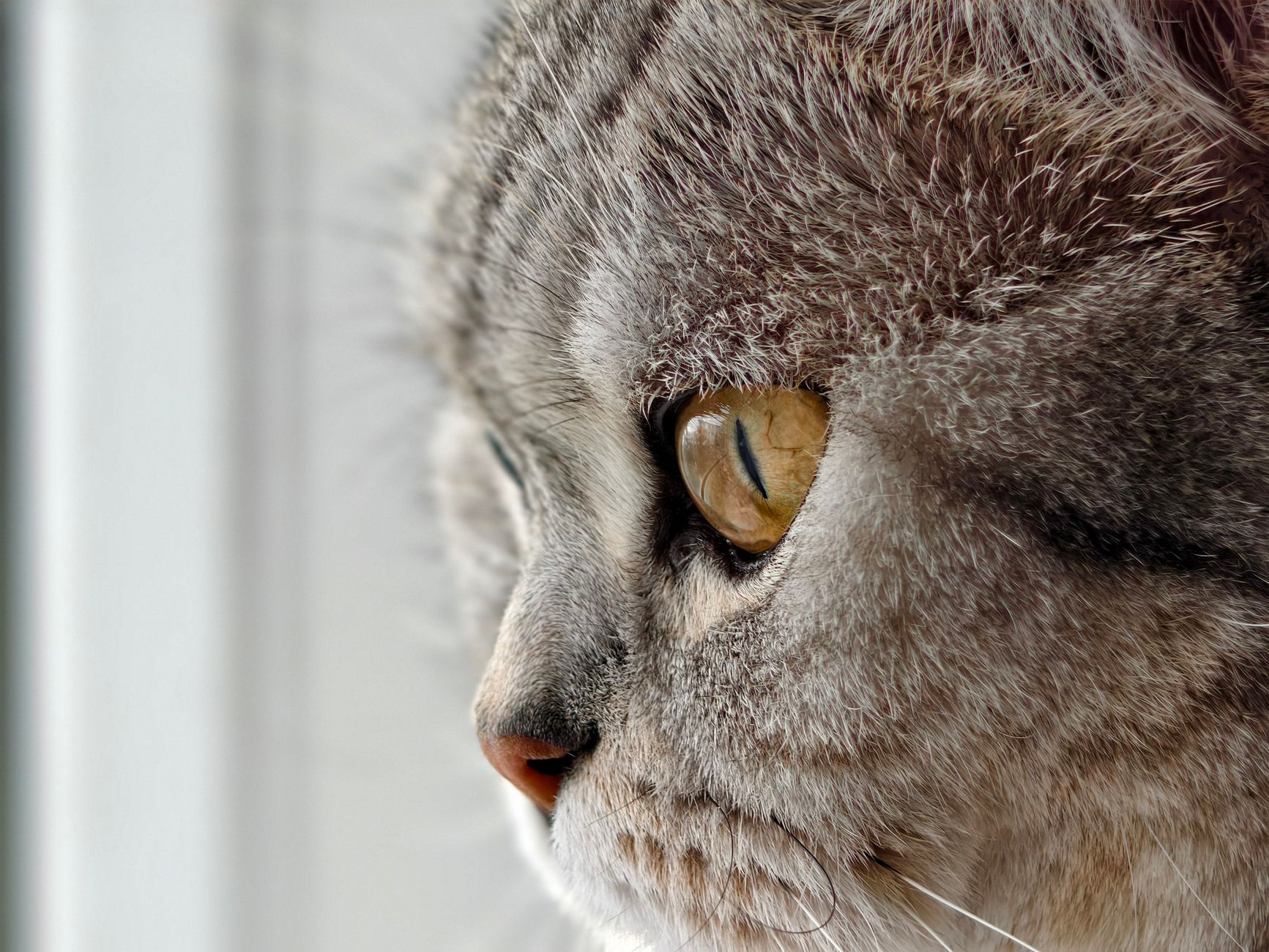
Understanding BOAS (Brachycephalic Obstructive Airway Syndrome)
In my clinical practice, BOAS is the single most common respiratory diagnosis for Exotic Shorthairs. This syndrome is not a single disease, but a combination of anatomical defects that obstruct airflow.
I always tell my clients that breathing should never be an active, muscular effort for a resting cat. If you can hear your Exotic Shorthair breathing from across the room, that is a sign of airway resistance, not a ‘cute’ breed trait.
Over time, the constant extra effort required to pull air through these narrowed passages causes chronic inflammation and can lead to secondary laryngeal collapse.
- Stenotic Nares: Pinched or extremely narrow nostrils that restrict air intake.
- Elongated Soft Palate: Excess tissue at the roof of the mouth that drapes into the airway.
- Hypoplastic Trachea: A windpipe that is abnormally narrow in diameter.
- Everted Laryngeal Saccules: Tissue pouches inside the airway that get sucked inward due to high breathing pressure.
The Impact of Stenotic Nares
Stenotic nares are essentially nostrils that are collapsed inward. Imagine trying to breathe through your nose while pinching your nostrils nearly shut; that is the daily reality for these cats.
Surgical widening of these nostril openings is a common and highly effective procedure I perform to provide immediate relief.
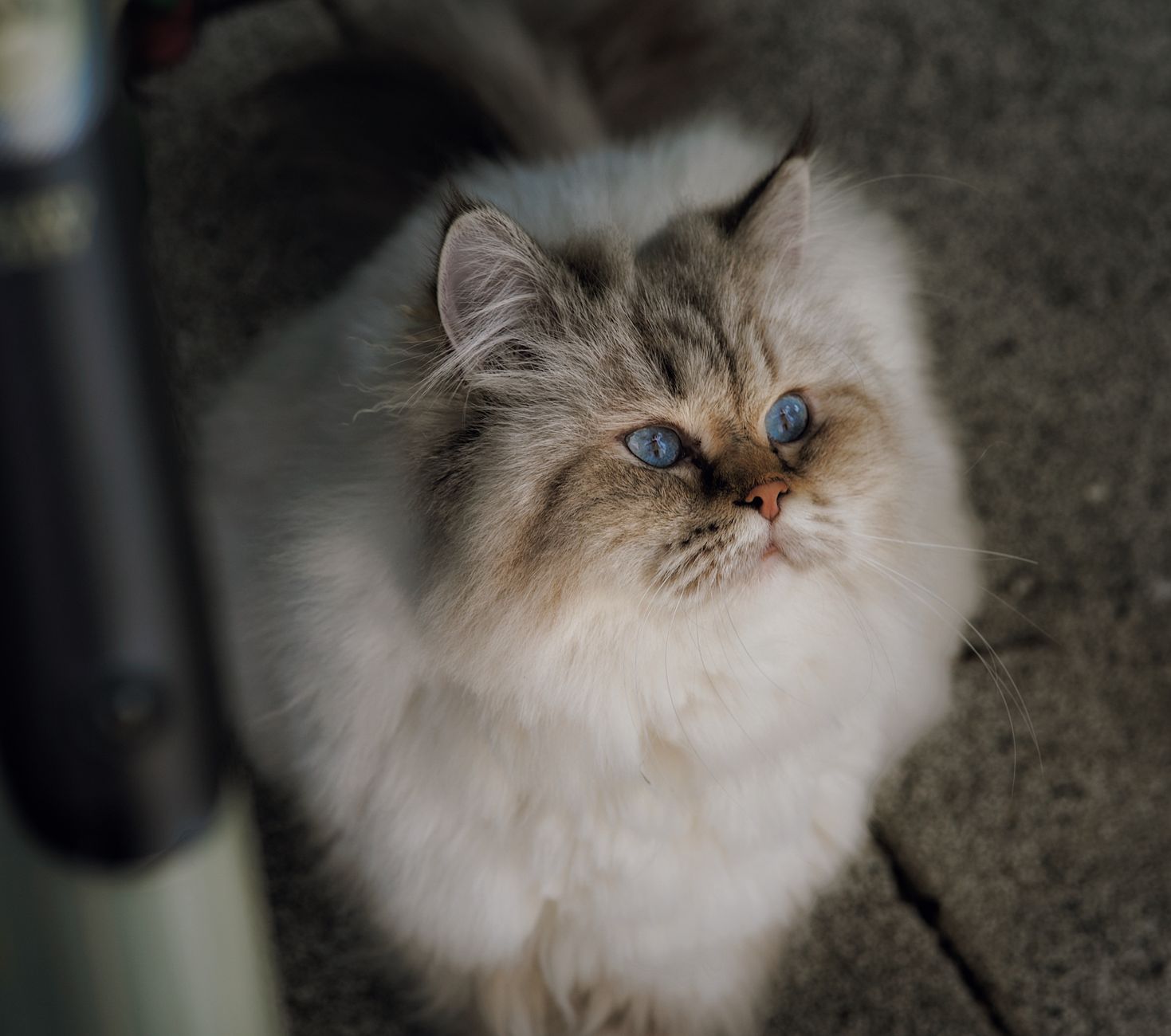
The Dental Dilemma: Tiny Jaws and Crowded Teeth
What I see most often in practice regarding feline dental disease is heavily amplified in the Exotic Shorthair. A cat’s mouth is designed to hold thirty adult teeth.
When you shorten the jawbone by half, those thirty teeth still try to erupt.
The result is a chaotic, crowded dental landscape. Teeth grow in sideways, backwards, and stacked on top of one another.
This overcrowding creates perfect traps for food, hair, and bacteria. Plaque and tartar build up at an alarming rate, leading to early-onset periodontal disease that often goes unnoticed until teeth start rotting.
- Severe rotation and crowding of the premolars and molars
- Underbite (mandibular prognathism) where the lower jaw protrudes past the upper jaw
- Impacted teeth that fail to erupt, leading to painful dentigerous cysts
- Gingival hyperplasia, where inflamed gum tissue overgrows the crowded teeth
Matilor Step-In Harness & Leash Set
- ✓Lightweight breathable air mesh
- ✓Step-in design, on in three steps
- ✓Leash included; machine washable
- Spreads pressure across the chest instead of the neck, which is safer for small and flat-faced breeds
The Danger of Retained Baby Teeth
Because of their jaw structure, Exotic Shorthair kittens frequently fail to shed their deciduous (baby) teeth. These retained teeth must be surgically extracted during their spay or neuter procedure to prevent permanent damage to the incoming adult teeth.

Chronic Eye Issues and Facial Fold Dermatitis
The flat facial structure of the Exotic Shorthair doesn’t just affect breathing and eating; it heavily impacts their eyes and skin. Because their skull is shallow, their eyeballs protrude more than those of a typical cat.
This exposure makes their eyes highly vulnerable to corneal ulcers, drying, and trauma. Furthermore, the natural drainage system for tears—the nasolacrimal duct—is severely bent and pinched by their flat nasal bridge.
Tears cannot drain down the nose, so they spill out onto the face. This constant moisture feeds bacteria and yeast in the deep skin folds, causing painful, smelly dermatitis.
- Epiphora: Continuous overflow of tears onto the facial fur.
- Corneal Ulcers: Painful scrapes or open sores on the exposed eyeball.
- Facial Fold Dermatitis: Red, raw, itchy skin infections within the nose wrinkles.
- Entropion: Inward rolling of the eyelids, causing eyelashes to rub against the cornea.

Anesthesia and Surgery Risks for Flat-Faced Cats
Whenever an Exotic Shorthair comes into my clinic for surgery, my team goes on high alert. Anesthetizing a brachycephalic cat requires strict protocols and extreme vigilance.
Their compromised airways make them highly susceptible to respiratory arrest during induction and recovery. In my years treating these cats, I have learned that the post-op recovery phase is actually the most dangerous time.
As the cat wakes up and the breathing tube is removed, their compromised upper airway can collapse. We keep these patients intubated longer than normal, waiting until they are fully awake and actively coughing.
- Mandatory pre-oxygenation for at least 5-10 minutes before induction
- Use of rapid-acting, reversible anesthetic agents
- Continuous monitoring of blood oxygen levels (pulse oximetry) and carbon dioxide (capnography)
- Delayed extubation to ensure the patient can fully control their airway before the tube is removed
- Strict temperature control, as their inability to pant effectively makes them prone to overheating

Daily Preventive Care at Home
I always tell my clients that owning an Exotic Shorthair is a commitment to daily medical maintenance. You cannot treat them like a low-maintenance domestic shorthair.
Preventive care starts with managing their environment and their daily hygiene. Because they struggle to regulate their temperature, they must live in a strictly climate-controlled home.
They should never be allowed to overheat, and strenuous play sessions should be kept short and monitored closely.
- Wipe facial folds daily with a veterinary-approved, alcohol-free antiseptic wipe.
- Gently dry the skin folds after cleaning to prevent fungal growth.
- Brush their teeth daily using enzymatic feline toothpaste and a micro-toothbrush.
- Use wide, shallow ceramic or stainless-steel bowls to prevent facial fold irritation during meals.
- Keep the home air-conditioned during hot or humid weather to prevent respiratory distress.

When to Seek Urgent Veterinary Care
Because these cats live with a baseline of compromised breathing, it is easy for owners to miss the signs of an acute respiratory crisis. You must learn to distinguish their ‘normal’ noisy breathing from emergency distress.
If your cat is using their abdominal muscles to breathe—where their belly is actively pumping in and out—this is a life-threatening emergency.
Never wait to ‘see how they do’ overnight. An airway crisis in a brachycephalic cat can progress from mild distress to respiratory arrest in a matter of minutes.
- Open-mouth breathing or panting (cats should never breathe through their mouths)
- Blue, purple, or pale gums and tongue (cyanosis)
- Honking or whistling noises that are louder than their usual snorting
- Extreme lethargy or refusal to stand up
- Stretch-necked posture, where they extend their neck forward to try and open their airway
-
Purina ONE Healthy Kitten Dry FoodHigher protein and calories support a kitten’s rapid growth in the first year
-
Swihauk Self-Cleaning Slicker BrushFine wire pins lift loose undercoat and work out small tangles before they turn into mats
-
Tempcore 3-Way Cat TunnelA crinkly play tunnel gives cats somewhere to hide, pounce and race through
Related Cat Guides
Frequently Asked Questions
Why does my Exotic Shorthair snore so loudly?
Snoring in Exotic Shorthairs is caused by the vibration of their elongated soft palate and tissues in their restricted airways. While common in flat-faced breeds, loud snoring indicates airway resistance and should be evaluated by a veterinarian to ensure it is not causing severe oxygen deprivation.
Can surgery fix my cat’s breathing problems?
Yes, surgical interventions like widening the nostrils (stenotic nares resection) and shortening an elongated soft palate can dramatically improve airflow. These procedures are highly effective and are best performed early in life, often during the spay or neuter surgery, to prevent long-term strain on the lungs and heart.
How often should I clean my Exotic Shorthair’s face folds?
You should clean your cat’s facial folds at least once a day, and sometimes twice if they suffer from heavy tear staining. Use a damp, soft cloth or a specialized veterinary antiseptic wipe, making sure to gently dry the area afterward to prevent yeast and bacteria from thriving.
Why are flat-faced cats prone to dental disease?
Exotic Shorthairs have the same number of teeth as normal-faced cats but only half the jaw length. This causes severe crowding, crooked teeth, and malocclusions, which trap food and plaque, leading to rapid tartar buildup, painful gum inflammation, and premature tooth decay.
Is anesthesia safe for my Exotic Shorthair?
While anesthesia carries higher risks for brachycephalic breeds due to their compromised airways, it can be performed safely with the right protocols. Ensure your vet uses pre-oxygenation, continuous monitoring (including capnography), and keeps the breathing tube in place until the cat is fully awake.
Can I prevent my Exotic Shorthair from getting eye ulcers?
While you cannot change their skull shape, you can protect their eyes by keeping their face clean, trimming long hair around the eyes, and using lubricating eye drops recommended by your vet. If you notice squinting, tearing, or cloudiness, seek veterinary care immediately.
Sources & Further Reading
- American Veterinary Medical Association (AVMA)
- The Cat Fanciers’ Association (CFA)
- International Cat Care
- Cornell University College of Veterinary Medicine
Final Thoughts
Caring for an Exotic Shorthair is an incredibly rewarding experience, but it comes with a profound responsibility to manage their unique physical limitations. As a veterinarian, my goal is never to discourage people from loving these beautiful cats, but to equip owners with the clinical knowledge they need to keep them comfortable.
By watching closely for signs of respiratory distress, maintaining a rigorous dental and facial hygiene routine, and partnering with a vet who understands brachycephalic medicine, you can ensure your flat-faced companion lives a long, happy, and comfortable life. Never hesitate to advocate for your pet’s breathing; early intervention is the absolute key to their well-being.