
Birman Cat Grooming: Keeping That Silky Coat Mat-Free
 Birman Cat Grooming: Keeping That Silky Coat Mat-Free” loading=”lazy”>
Quick Summary
While Birman cats possess a single, silky coat that lacks a dense undercoat, making them less prone to matting than other long-haired breeds, they still require regular grooming. Preventing painful mats in high-friction areas like the armpits and groin requires specific tools, routine checks, and proper nutritional support. A proactive grooming routine ensures their striking coat remains healthy, comfortable, and beautiful.
As an Amazon Associate, we earn from qualifying purchases.
Popular with cat owners: Hairball Control Treats · Cat Brush · Cat Tunnel
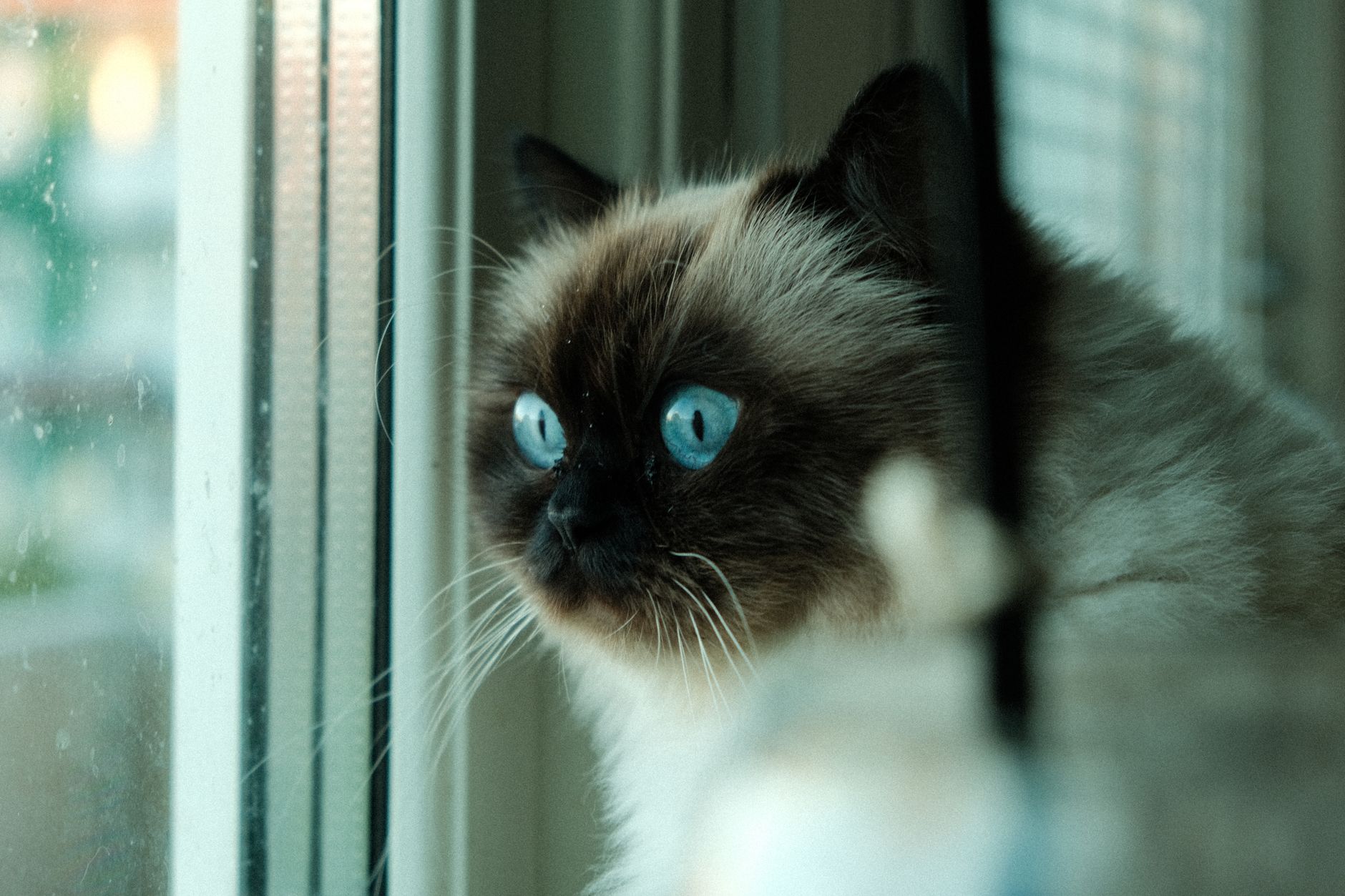
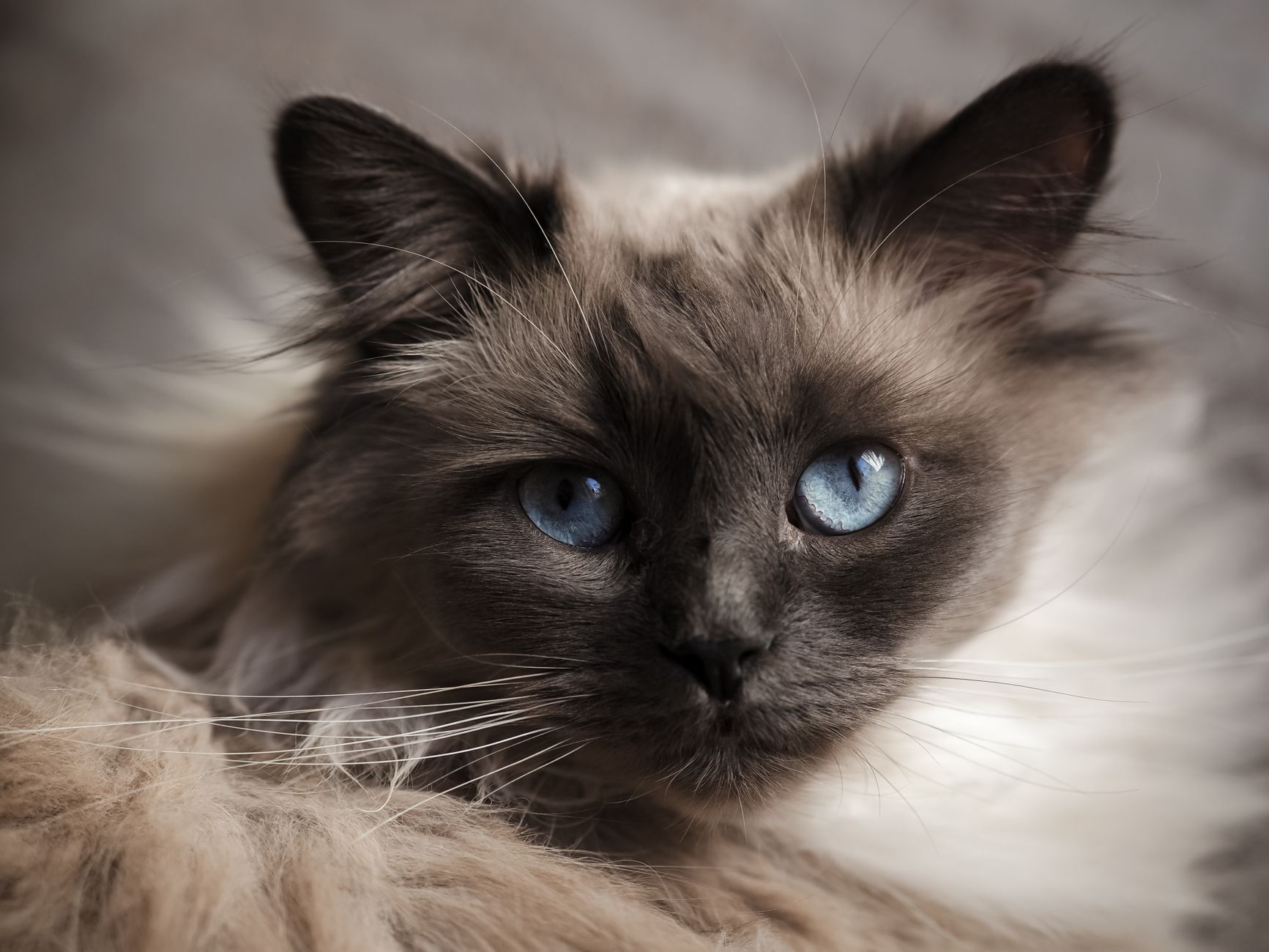
In my years treating feline patients, few sights compare to the breathtaking elegance of a healthy, well-groomed Birman cat. Their striking deep blue eyes and silky, pointed coats make them absolute showstoppers in my clinic lobby.
Yet, many of my clients fall into a common trap: they assume that because Birmans lack a dense undercoat, their fur is entirely self-maintaining. I frequently see these beautiful cats brought to my exam tables with hidden, painful mats tucked deep into their armpits and groin.
Today, I want to share the exact clinical grooming protocols I recommend to my Birman clients. With the right tools and a gentle hand, you can keep your Birman’s coat gloriously silky, mat-free, and healthy from head to paw.
Key Takeaways
- Birmans have a unique single coat that lacks a dense undercoat, meaning they mat less than Persians but still require regular combing.
- High-friction zones like the armpits, groin, collar line, and behind the ears are the most common areas for painful mats to form undetected.
- Never use scissors to cut out mats at home, as feline skin is incredibly thin and easily sliced; use a professional mat splitter or seek veterinary help instead.
- Regular sanitary trims around the hindquarters are essential for keeping their white laces and rear fluff clean and free of feces.
- A high-quality diet rich in Omega-3 and Omega-6 fatty acids supports healthy sebum production, keeping the hair shafts slippery and mat-resistant.
- Socializing your Birman to grooming through positive reinforcement and cooperative care prevents behavioral stress and resistance.
In This Article
- The Anatomy of a Birman’s Silky Coat
- The Essential Birman Grooming Toolkit
- Mapping the Friction Zones: Where Mats Hide
- The Step-by-Step Detangling Protocol
- Protecting the Signature White Gloves and Sanitary Area
- Nutritional Support for a Friction-Free Coat
- Socializing Your Birman to Love Grooming
- Professional Grooming: Knowing When to Call Your Vet
The Anatomy of a Birman’s Silky Coat
To understand how to care for your Birman, we first have to look at the genetics of their fur. Unlike Persians or Himalayans, Birmans have a single coat with a distinctively silky texture.
This unique texture is due to the lack of a heavy, insulating undercoat, which is the primary culprit behind severe matting in other long-haired breeds.
In my practice, I find that this single coat structure can give owners a false sense of security. Because the topcoat lies flat and feels wonderfully soft, it is easy to assume everything is fine underneath.
However, without regular combing, dead hairs can quickly wrap around live ones, initiating the matting process.
This is particularly true during the seasonal shedding transitions in spring and autumn. During these times, the rate of hair release increases dramatically, and without manual intervention, a gorgeous coat can turn into a tangled mess in a matter of days.
Why the Single Coat Deceives Pet Parents
Because the coat lacks a thick undercoat, it doesn’t puff out away from the body. This means a mat can lie flat against the skin, completely hidden from view.
Greenies Feline Smartbites Indoor Cat Treats
- ✓Fiber blend supports healthy digestion and hairball control
- ✓Under 2 calories per treat
- ✓Vet-recommended chicken flavor
- Hairball formulas help swallowed fur pass through, so long-haired cats cough up fewer hairballs
I always tell my clients to feel their cat’s skin, not just look at it, during cuddle sessions.

The Essential Birman Grooming Toolkit
You cannot groom a Birman successfully using cheap, plastic grocery-store brushes. In fact, many of the plastic bristle brushes sold for cats merely glide over the top of the coat, doing nothing to detangle the hair near the skin.
Over the years, I have curated a specific toolkit that I recommend to every Birman owner who visits my clinic. Having the correct metal tools is the single best way to make grooming painless for your cat and efficient for you.
When you use tools designed to glide through silky fur, you minimize pulling on the hair follicles. This keeps the grooming experience positive and prevents your cat from developing a fear of the brush.
- Stainless Steel Greyhound Comb: Look for one with medium spacing on one half and fine spacing on the other.
- Soft Slicker Brush: Excellent for gently lifting dead hair from the surface of the coat without scratching the delicate skin.
- Professional-Grade Detangling Spray: A lightweight, leave-in feline detangler that helps lubricate the hair shafts.
- Mat Splitter or Dematting Rake: A specialized tool with guarded blades designed to slice through tough knots safely.
- Cornstarch or Feline Grooming Powder: Excellent for absorbing oils and loosening friction-heavy tangles.
Mapping the Friction Zones: Where Mats Hide
When a client tells me their Birman never mats, the first places I check are what I call the high-friction zones. Because Birmans are active, playful cats, the constant rubbing of their limbs against their body creates natural friction points.
These areas are highly prone to static electricity and sweat-induced moisture, both of which accelerate tangling. If you only brush the cat’s back and sides, you are missing the spots where mats actually start.
In my clinical experience, mats in these areas can quickly become tight and painful. As the mat pulls against the skin with every step, it can cause micro-tears, bruising, and severe discomfort for your cat.
- The Armpits: The constant friction of walking makes this the number-one spot for tight, painful knots.
- The Groin and Inner Thighs: High-movement areas where the skin is exceptionally thin and sensitive.
- Behind the Ears: A greasy zone prone to building up soft, felt-like mats from grooming and scratching.
- The Collar Line: Constant wear of a collar can rub the silky fur into dense, circular mats around the neck.
- The Sanitary Area: The long fluff around the hindquarters can catch debris and oil, leading to severe matting.

The Step-by-Step Detangling Protocol
When you encounter a mat in your Birman’s coat, your immediate instinct might be to grab a pair of scissors. I must implore you, as a veterinarian who has sutured dozens of accidental cuts: put the scissors down!
PetHonesty Cat Hairball Remedy Chews
- ✓Dual-texture chews cats like
- ✓Helps reduce hairballs
- ✓Functional ingredients for digestion
- Hairball formulas help swallowed fur pass through, so long-haired cats cough up fewer hairballs
Feline skin is incredibly thin, elastic, and prone to tenting inside a mat. This means when you pull up on a mat to cut it, you are almost always pulling a fold of skin up into your scissors.
Instead, I teach my clients a gentle, systematic method to break down mats without risking a trip to my emergency clinic. This process uses friction reduction and structural splitting to dissolve knots painlessly.
- Locate the mat and gently work a small pinch of cornstarch directly into the knot to absorb oils and loosen the fibers.
- Hold the base of the mat with one hand, pinching it close to the skin to prevent pulling on your cat’s nerve endings.
- Use the fine-toothed end of your metal greyhound comb to slowly tease the outer edges of the mat apart, starting from the tip of the hair.
- If the mat is solid, use a guarded mat splitter to slice the knot vertically, dividing it into smaller, manageable sections.
- Gently comb through the divided sections until the dead hair is completely removed, then reward your cat with a high-value treat.

Protecting the Signature White Gloves and Sanitary Area
Birmans are famous for their pure white paws, often referred to as ‘gloves’ on the front and ‘laces’ on the back. Keeping these pristine requires active care, as they are constantly in contact with litter, dirt, and oils.
Additionally, the long, luxurious breeches on their hindquarters are prone to catching fecal matter, especially if your cat experiences occasional loose stools. This is not just an aesthetic issue; it is a major hygiene concern that can lead to skin infections.
In my practice, I frequently perform sanitary trims on semi-longhaired cats. It is a simple, proactive way to ensure your cat remains clean and comfortable between their full grooming sessions.
- Slightly trim the long hair surrounding the anus using professional grooming clippers with a guard (never scissors) to prevent fecal sticking.
- Inspect the white gloves daily for dampness or litter box clay build-up, wiping them gently with a pet-safe, unscented wet wipe.
- Keep the litter box meticulously clean to prevent dust and waste from staining or clinging to the delicate paw fur.
- Apply a tiny amount of feline grooming powder to the paws and hindquarters to repel dirt and moisture between cleanings.

Nutritional Support for a Friction-Free Coat
The quality of your Birman’s coat starts from the inside out. As a veterinarian, I can often diagnose nutritional deficiencies or underlying systemic issues just by running my hands through a cat’s fur.
A dry, brittle, or greasy coat is far more prone to matting because the individual hair shafts lack elasticity and smoothness. Healthy sebum production is essential for keeping the hair shafts slippery and resistant to static.
By optimizing your Birman’s diet, you can significantly reduce the amount of time you spend detangling their fur. A resilient, well-nourished coat naturally resists the friction that leads to knotting.
- Ensure their food has high-quality, animal-based proteins as the first ingredient to provide the essential amino acids needed for hair growth.
- Supplement with high-quality Marine Microalgae or Fish Oil (EPA and DHA) to support skin hydration and coat elasticity.
- Promote optimal hydration by offering wet food and using pet fountains, as chronic mild dehydration leads to dry, easily-tangled fur.
- Discuss adding zinc and biotin supplements with your vet if your Birman’s coat appears unusually thin, dry, or brittle.
Socializing Your Birman to Love Grooming
The best grooming tools in the world are useless if your cat views a brush as an instrument of torture. I see many clients struggling to groom their Birmans because they did not establish a positive cooperative care routine.
Birmans are naturally gentle and people-oriented, making them excellent candidates for cooperative care. However, they are still cats, and forcing them through a painful grooming session will only break their trust.
We want to build a classical conditioning loop where the appearance of the grooming kit signals wonderful things. By keeping sessions short and highly rewarding, your Birman will eventually purr their way through grooming.
- Start grooming sessions only when your cat is relaxed and sleepy, rather than when they are in an active, playful mood.
- Introduce the brush slowly, letting them sniff it, and offer a lickable treat like Churu immediately after each brief stroke.
- Keep initial sessions extremely short, lasting no more than two to three minutes, gradually increasing the time as they build tolerance.
- Never scold or hold your cat down tightly if they struggle; instead, release them calmly and try again later with a lower intensity.
Professional Grooming: Knowing When to Call Your Vet
While daily maintenance is the gold standard, life happens. There are times when a Birman’s coat can get out of hand, whether due to a medical illness, age-related mobility issues, or temporary neglect.
If you discover that your Birman has extensive, tight matting that sits directly against the skin, please do not attempt to resolve this at home. Skin-level mats can cut off circulation, trap moisture, and lead to painful fungal or bacterial dermatitis.
In my clinic, we frequently sedate severely matted cats to safely shave them with professional clippers. This is not a failure on your part; it is a compassionate medical intervention to restore your cat’s comfort and health.
Signs Your Cat’s Matting Requires Veterinary Intervention
If the mats are solid like felt, cover more than 20% of the body, or if the skin underneath is red, moist, or foul-smelling, do not attempt home care. These are signs of active dermatitis or secondary infection that require prescription medical treatment and professional shaving.
-
Dipoo Self-Cleaning Shedding BrushRegular brushing prevents mats and hairballs, especially in long-haired cats
-
Sheldamy S-Shaped 2-Way Cat TunnelA crinkly play tunnel gives cats somewhere to hide, pounce and race through
-
Globlazer F70 Pro Heavy Duty Cat TreeGives cats vertical space to climb, scratch and nap, which reduces stress and keeps them off your shelves
Related Cat Guides
Frequently Asked Questions
How often should I groom my Birman cat?
I recommend a thorough combing session at least two to three times a week. However, spending just two minutes daily checking the high-friction areas like the armpits and groin will prevent mats from ever forming.
Can I bathe my Birman to help with shedding and tangles?
Yes, a bath every 6 to 8 weeks can help loosen dead hair, but you must completely detangle the coat before bathing. Getting a matted cat wet will actually cause the existing knots to shrink and tighten like felt, making them nearly impossible to remove.
Why does my Birman keep getting mats under their armpits?
The armpits are a high-friction zone where the leg rubs against the chest wall during movement, creating static and tangling the silky fur. Additionally, this area is warmer and can trap moisture, accelerating the matting process if not combed out regularly.
What should I do if my Birman hates being brushed?
Switch to a cooperative care approach using high-value lickable treats. Only brush for 10-15 seconds at a time while they eat, gradually building up their tolerance over several weeks while keeping the experience completely stress-free.
Do Birmans shed a lot compared to other cats?
Birmans are moderate shedders, but because they lack a dense undercoat, their shedding is much easier to manage than that of a Persian. However, they will experience a heavier ‘blow out’ of their coat during the spring and autumn transitions, requiring more frequent grooming.
Is it safe to use a deshedding tool on a Birman?
I generally advise against using blade-style deshedding tools on Birmans. Because they have a single, silky coat without a thick undercoat, these guarded blades can easily slice and damage the guard hairs, ruining their beautiful coat texture.
Sources & Further Reading
- The Cat Fanciers’ Association (CFA)
- International Cat Care
- Cornell University College of Veterinary Medicine
- PetMD
Final Thoughts
Caring for a Birman’s silky coat is more than just keeping them looking beautiful; it is a fundamental aspect of their physical comfort and well-being. By committing to a consistent, gentle combing routine and focusing on high-friction zones, you can easily prevent the pain of tight mats and the stress of medical shaving.
Remember to treat grooming as a bonding experience filled with praise, patience, and delicious rewards. Your Birman’s radiant coat and purring gratitude will be all the proof you need that your efforts are paying off.
If you ever feel overwhelmed by mats, do not hesitate to reach out to your veterinary team for safe, professional assistance.