

Quick Summary
Caring for a Shiba Inu requires understanding their primitive, independent Spitz nature, which blends cat-like cleanliness with a fierce prey drive and strong-willed disposition. As a veterinarian, I emphasize proactive socialization, meticulous joint and eye health monitoring, and a committed grooming routine to manage their intense biannual shedding. Successful ownership hinges on respecting their autonomy while establishing firm, positive boundaries from puppyhood.
As an Amazon Associate, we earn from qualifying purchases.
Popular with dog owners: Nail Clippers · Hip & Joint Supplement · Orthopedic Dog Bed
In my clinic, I can always tell when a Shiba Inu has entered the waiting room. It is not just their striking, fox-like appearance, but the distinct, dignified aura they project.
Many new owners fall in love with their internet-famous looks without realizing they are bringing a highly primitive, independent Spitz breed into their homes. This is not a dog for a passive owner who wants a simple, highly compliant pet.
As a veterinarian who has handled hundreds of Shibas, I want to share the clinical reality of living with these beautiful, complex dogs. Understanding their unique physical and behavioral needs is key to a happy life together.
Key Takeaways
- Shibas possess a primitive, independent temperament that requires positive reinforcement and firm boundaries.
- They are prone to specific genetic conditions, including patellar luxation, hip dysplasia, and early-onset glaucoma.
- Their dense double coat sheds massively twice a year, requiring dedicated deshedding tools and routine grooming.
- The infamous ‘Shiba Scream’ is a dramatic vocalization triggered by stress, restraint, or nail trims.
- Due to an exceptionally high prey drive, reliable off-leash recall is rarely achievable for this breed.
- Early, intensive socialization during the first 16 weeks is critical to prevent dog-directed aggression.
In This Article
- The Spitz Mindset: Understanding Primitive Behaviors
- Clinical Health Concerns: What to Monitor
- The Double Coat: Navigating the Blowout Season
- Socialization and the High Prey Drive
- Survival Guide for Veterinary Visits
- Nutritional Management and Obesity Prevention
- Environmental Enrichment: Preventing Boredom
- Managing the Senior Years
The Spitz Mindset: Understanding Primitive Behaviors
The Shiba Inu is not a Golden Retriever in a smaller body. They are an ancient, primitive Spitz breed, meaning they retain instincts closely linked to their wild ancestors.
They require a completely different approach to training, handling, and daily life than most domestic breeds.
In my practice, I often describe them as ‘cat-like’ because of their aloofness, fastidious self-grooming, and intense desire for personal space. They do not live to please you; they cooperate when they see a mutual benefit.
If you try to force them into compliance, they will simply disengage or push back.
- Aloofness with strangers, often ignoring guests entirely
- Fastidious self-cleaning habits, similar to felines
- Strong-willed decision-making that can look like stubbornness
- Fierce loyalty to their chosen family unit
The Infamous Shiba Scream
If you have never heard a Shiba scream, it can be a terrifying experience. It is a high-pitched, dramatic vocalization they emit when stressed, clean, or handled in a way they dislike.
In the exam room, a simple nail trim can sound like major surgery to the untrained ear. The key is to remain calm, avoid over-restraining them, and reward them constantly during the process.
Safari Professional Nail Trimmer for Dogs
- ✓Stainless steel blades for clean, quick cuts
- ✓Safety stop helps prevent cutting too far
- ✓Non-slip, comfortable grip handles
- Keeps nails short so paws stay comfortable on any floor
- Saves regular trips to the groomer
- Triggers include nail trims, vet exams, and baths
- It is an expression of protest, not necessarily physical pain
- Desensitization to handling early in life is the best defense

Clinical Health Concerns: What to Monitor
While Shibas are generally robust and long-lived, they carry genetic predispositions that every owner must watch for. In my years treating this breed, orthopedic and ophthalmic issues top the list of diagnoses.
I cannot stress enough the importance of getting your puppy from a preservation breeder who performs health clearances.
Catching these conditions early can mean the difference between simple management and invasive, expensive surgeries. Here are the primary health concerns I screen for during annual wellness exams in my practice.
- Patellar Luxation: The kneecap slips out of its anatomical groove.
- Hip Dysplasia: Malformation of the hip joint leading to early arthritis.
- Glaucoma: Increased fluid pressure in the eye that can cause rapid blindness.
- Atopic Dermatitis: Chronic environmental allergies causing severe itching.
Ophthalmic Screening
Glaucoma is particularly devastating in Shibas because it is highly painful and progresses rapidly to irreversible blindness. I advise annual pressure checks (tonometry) starting at age two to catch silent pressure spikes.
If you notice any redness, squinting, or cloudiness in your dog’s eye, treat it as an immediate veterinary emergency.

The Double Coat: Navigating the Blowout Season
Shibas possess a dense, plush double coat consisting of a stiff outer coat and a soft, insulating undercoat. Twice a year, they experience what groomers call a ‘blowout,’ where the undercoat sheds in massive clumps over several weeks.
I often joke with my clients that you could build a second dog out of the fur shed during these seasons. Proper coat care is essential to prevent painful skin irritation, hot spots, and matting.
Never shave a Shiba, as this destroys their natural ability to regulate their body temperature.
- Biannual shedding cycles lasting 3 to 6 weeks
- Susceptibility to hot spots if dead undercoat is left trapped
- Resistance to bathing, which requires early desensitization
The Essential Grooming Toolkit
Do not waste money on generic brushes that only scrape the surface of their fur. You need specific tools designed to penetrate the dense Spitz undercoat safely.
Using the wrong brush can irritate their sensitive skin and make them hate the grooming process. Invest in high-quality gear early on.
- An undercoat rake with rotating pins to glide through dense fur
- A high-quality slicker brush for the topcoat
- A high-velocity blow dryer to blast out loose fur after a bath
Nutramax Cosequin Joint Supplement for Dogs
- ✓#1 vet-recommended retail joint supplement brand
- ✓Glucosamine and chondroitin sulfate
- ✓For young and senior dogs, small and large breeds
- Glucosamine and chondroitin chews support cartilage and mobility, especially in large, senior and dysplasia-prone dogs
Socialization and the High Prey Drive
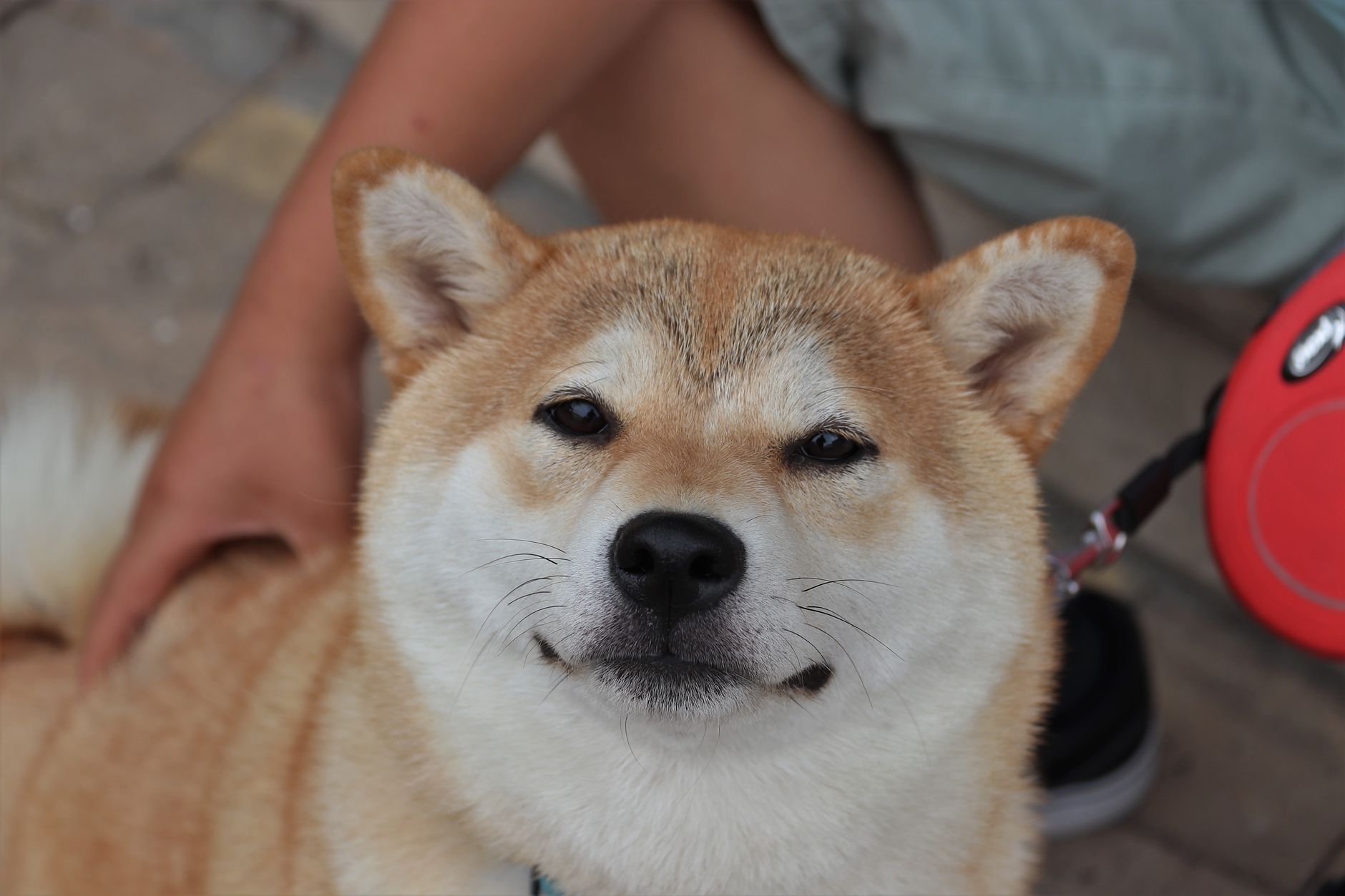
Originally bred to hunt small game and wild boar in the mountainous regions of Japan, Shibas possess an incredibly high prey drive. This instinct is hardwired and cannot be trained out of them, no matter how much obedience training they receive.
Without rigorous, early socialization, this prey drive can easily manifest as reactivity toward other dogs and small pets. I always tell my clients that socialization must start the week you bring your puppy home.
Exposure to different surfaces, sounds, and people is critical.
- High risk of chasing cats, squirrels, and small birds
- Tendency to be dog-selective or outright dog-reactive
- Strong resource guarding instincts over food, toys, or spaces
The Myth of Off-Leash Recall
I have seen too many tragic cases of Shibas escaping after being let off-leash in unfenced areas. Their recall is notoriously unreliable when a prey animal crosses their path.
No amount of training can guarantee they will choose you over a fleeing squirrel.

Survival Guide for Veterinary Visits
For a veterinarian, examining an unsocialized Shiba Inu can be a major clinical challenge. Their high sensitivity to physical restraint can turn a routine check-up into a highly stressful battle of wills.
This is why cooperative care training is so essential.
My goal is always a fear-free experience, which requires active partnership from the owner at home. We must teach these dogs that handling is safe, predictable, and highly rewarding.
If we force them, we damage their trust for life.
- Practice touching their paws, ears, and tail daily at home
- Use high-value cooperative care treats like squeeze cheese or peanut butter
- Ask your vet about Happy Visits, where your dog gets weighed and fed treats without exams
Pre-Visit Pharmaceuticals
If your Shiba exhibits extreme anxiety or aggression at the clinic, do not feel like you have failed them. I frequently prescribe mild, safe pre-visit sedatives like gabapentin to ensure a calm, trauma-free exam.
This keeps both the dog and the veterinary staff safe.
Nutritional Management and Obesity Prevention
Shibas are highly efficient metabolizers and can gain weight easily if their caloric intake is not carefully monitored. Obesity in a dog with a genetic predisposition to patellar luxation and hip dysplasia is a recipe for orthopedic disaster.
I regularly see middle-aged Shibas whose joint pain could be cut in half simply by losing two pounds. Precision feeding is far better than estimating with a generic scoop.
Even a few extra ounces of kibble per day can add up quickly.
- Measure food using a digital kitchen scale rather than a plastic cup
- Limit high-calorie commercial treats, opting for fresh veggies instead
- Adjust portions down immediately after spaying or neutering when metabolism drops
Key Dietary Nutrients
A diet rich in specific fatty acids supports both their sensitive skin and their dense double coat. Look for high-quality foods containing optimal levels of omega-3 and omega-6 fatty acids.
These nutrients reduce skin inflammation and keep their coat looking lustrous.

Environmental Enrichment: Preventing Boredom
An understimulated Shiba Inu is a destructive Shiba Inu. Because of their high intelligence and active minds, they will find their own amusement if you do not provide it.
This often means chewing drywall, destroying furniture, or digging up carpets.
They require both physical exercise and intense mental stimulation to stay balanced and calm indoors. A simple walk around the block is rarely enough to satisfy their keen hunting instincts.
You must challenge their brains daily.
- Interactive puzzle toys that mimic natural foraging behaviors
- Daily scent-work games inside the house or fenced yard
- Securely fenced yards with at least a five-foot fence to prevent escapes
The Escape Artist Warning
Shibas are notorious escape artists who can find tiny vulnerabilities in your security. They can squeeze through unbelievably small gaps, climb chain-link fences, and dig under gates if they spot something worth chasing.
Always inspect your perimeter regularly.
Managing the Senior Years
With proper veterinary care and a healthy lifestyle, Shibas frequently live to 14 or 16 years of age. As they enter their senior years, around age eight or nine, their medical needs shift toward preservation of mobility and cognitive function.
In my senior patients, I focus heavily on pain management and early detection of organ decline. Routine diagnostics are the key to giving your senior Shiba a comfortable, dignified retirement.
We want to catch arthritis before it limits their daily joy.
- Biannual bloodwork to monitor kidney and liver function
- Daily joint supplements featuring glucosamine, chondroitin, and green-lipped mussel
- Adjusting home environments with rugs to prevent slipping on slick floors
Cognitive Decline Support
Just like humans, senior dogs can experience cognitive dysfunction, which presents as pacing, confusion, or changes in sleep patterns. I recommend starting antioxidant-rich diets and brain supplements early in their senior years to slow down these changes.
-
BFPETHOME Orthopedic Washable Large Dog BedSupportive foam cushions hips and joints, ideal for large, senior or dysplasia-prone dogs
-
AMZNOVA Dog Treat PouchA clip-on treat pouch keeps rewards at hand so you can mark good behaviour instantly
-
Tractive Smart Dog GPS TrackerShows your dog’s location on your phone, a real safeguard for escape artists and dogs with a strong prey drive
Related Dog Guides
Frequently Asked Questions
Why does my Shiba Inu scream during nail trims?
The ‘Shiba scream’ is a dramatic vocalization this breed uses when they feel stressed, restrained, or have their boundaries crossed. It is a primitive defense mechanism to protest the handling rather than a reaction to actual pain. Early desensitization and positive reinforcement are vital to curbing this behavior.
Are Shiba Inus good with cats and other dogs?
Due to their primitive hunting heritage, Shibas have a very high prey drive and can be highly reactive to other dogs. While they can coexist with cats if raised together from puppyhood, they should never be left unsupervised with small animals. Extensive early socialization is crucial to minimize dog-directed reactivity.
How often do Shiba Inus shed, and how do I manage it?
Shibas shed their dense undercoat completely twice a year during ‘blowout’ seasons that last about three to six weeks. During these times, daily brushing with an undercoat rake and slicker brush is necessary. Outside of these seasons, they are relatively low-maintenance, cat-like groomers who shed minimally.
Can a Shiba Inu ever be let off-leash?
In almost all clinical and behavioral assessments, it is highly recommended to keep your Shiba on a leash in unfenced areas. Their high prey drive and independent nature mean that even a highly trained Shiba will likely ignore recall commands if they spot a squirrel or bird. A secure harness is essential to prevent escapes.
What are the most common health issues in Shiba Inus?
The most common genetic health issues I diagnose in Shibas are patellar luxation, hip dysplasia, early-onset glaucoma, and atopic allergies. Regular veterinary evaluations, orthopedic screening, and annual eye pressure checks are critical for early detection. Keeping them at a lean weight is also vital for protecting their joints.
Sources & Further Reading
- American Kennel Club (AKC)
- Merck Veterinary Manual
- American Veterinary Medical Association (AVMA)
- PetMD
Final Thoughts
Living with a Shiba Inu is a unique journey that requires patience, respect, and a good sense of humor. They are not a breed that will bend to your every whim, but that independence is exactly what makes them so rewarding.
By focusing on early socialization, preventative health screenings, and proper physical and mental enrichment, you can build an incredibly strong bond with your Spitz. In my clinical experience, those who understand and respect the Shiba mindset are rewarded with a loyal, fascinating companion.
Treat them as partners rather than subjects, and they will surprise you with their depth of character.