
California Rex Breed Guide
Quick Summary
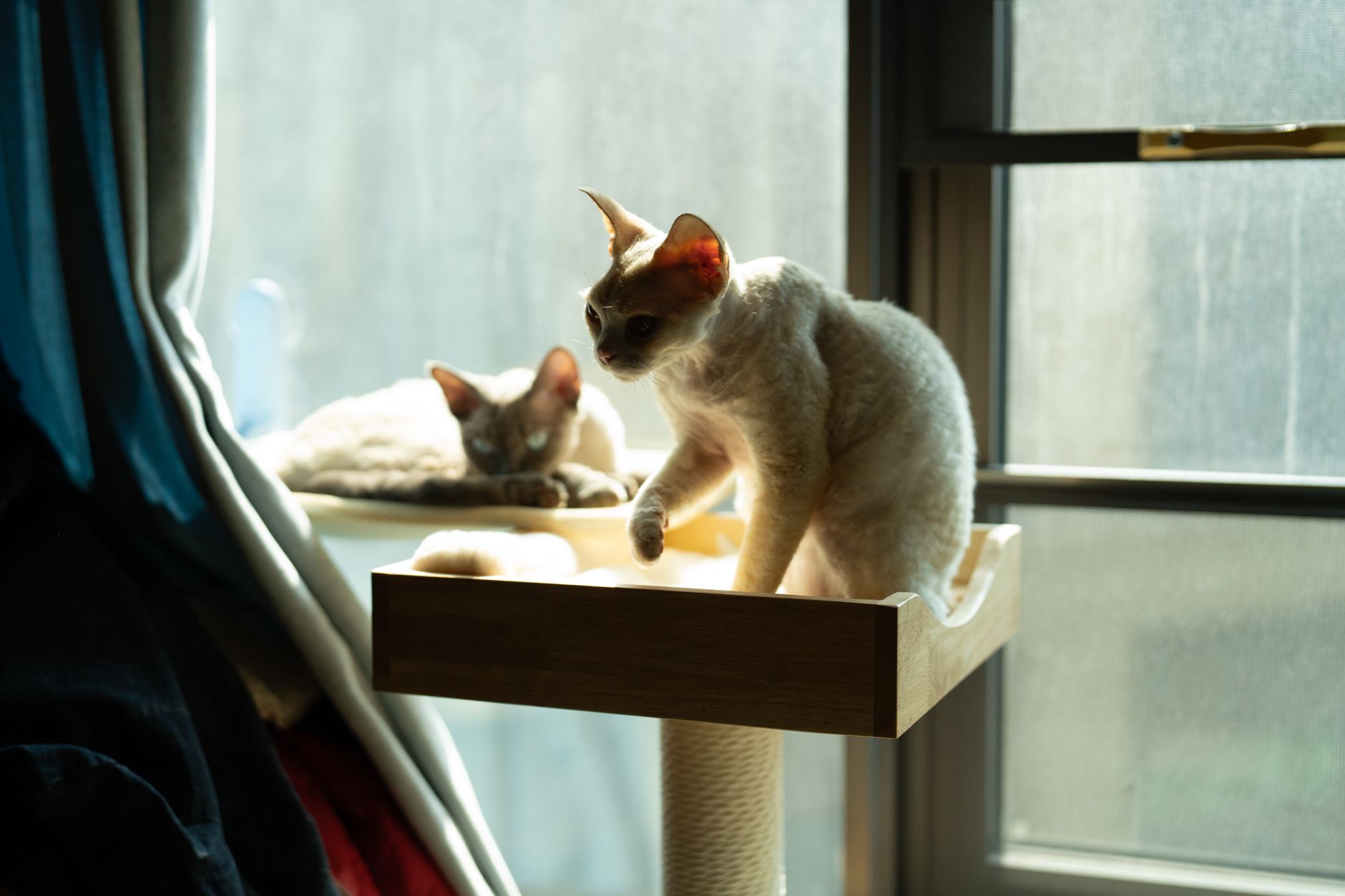
As a veterinarian, I describe the California Rex as an incredibly affectionate, active, and heat-seeking companion wrapped in a uniquely soft, crimped coat. They are best suited for households that can offer plenty of human interaction, indoor warmth, and mental stimulation to match their high intelligence.
Quick Facts
- origin countryUnited States (California)
- breed groupRex
- sizeMedium
- weight range6 to 10 lbs
- height range8 to 11 inches
- lifespan12 to 15 years
- coat typeShort, wavy, and soft without harsh guard hairs
- common colorsAll colors and patterns, including solid, tabby, tortoiseshell, and pointed
- other namesMarcel Cat
- recognized byRare/Experimental registries, historically associated with early Rex mutations
Caring for a California Rex
Living with a California Rex is an engaging and highly rewarding experience. Because of their sparse, wavy coats, these cats are dedicated heat-seekers, meaning you will often find them on your laptop, registers, or tucked deep under your blankets. In my practice, I emphasize that keeping them strictly indoors is non-negotiable to prevent both sunburn and hypothermia. They require an enriched environment with plenty of vertical space to satisfy their athletic instincts.
Is a California Rex a good family pet?
Yes, they are outstanding family pets. Their outgoing, dog-like personalities make them fantastic companions for active families with children who know how to handle cats gently.
Do California Rexs shed a lot?
No, they shed very minimally because they lack a standard double coat. However, they are not truly hypoallergenic; their dander and saliva still carry the Fel d 1 protein which can trigger allergies.
Is a California Rex good for first-time owners?
They can be, but only if the owner is prepared for a highly energetic and demanding companion. If you prefer a quiet, independent lap cat, this breed’s constant need for play and social stimulation might prove overwhelming.
Temperament & Personality
The California Rex is an incredibly social, mischievous, and affectionate feline. In my clinic, these patients are always the ones trying to climb onto my shoulders or playfully batting at my stethoscope. They maintain a vibrant, kitten-like playfulness well into their senior years. They do not tolerate isolation well and will vocalize their desire for attention if they feel ignored.
Is a California Rex good with other pets?
Yes, they generally excel in multi-pet households. I often see them forming close bonds with friendly dogs and other active cats, as they love having a playmate to match their energy levels.
How much attention does a California Rex need?
They require a significant amount of daily interaction. I tell owners to expect a velcro cat that wants to join them in every activity, from cooking to working at a desk.
Training & Behavior
Training a California Rex is incredibly fun because of their sharp intellect and eagerness to interact. They respond exceptionally well to positive reinforcement, clicker training, and puzzle toys. However, without proper mental outlets, they can easily channel their intelligence into opening cabinets or exploring forbidden countertops.
Training Tips
- Use clicker training to teach basic commands and fun tricks like fetching.
- Introduce puzzle feeders to keep their active minds busy during the day.
- Always use positive, treat-based reinforcement; harsh corrections will damage their trust.
- Set clear boundaries early to discourage jumping onto hot stoves or delicate shelving.
Fun Activities
- Playing fetch with lightweight crinkle balls
- Leash training for safe, monitored indoor/outdoor sensory stimulation
- Agility courses using couch cushions and cat tunnels
- Interactive feather wand chasing sessions
Is a California Rex easy to train?
Yes, they are highly trainable compared to many other breeds. Their dog-like curiosity and desire for engagement mean they pick up tricks, harness walking, and household rules very quickly when motivated by tasty treats.
California Rex Health Issues
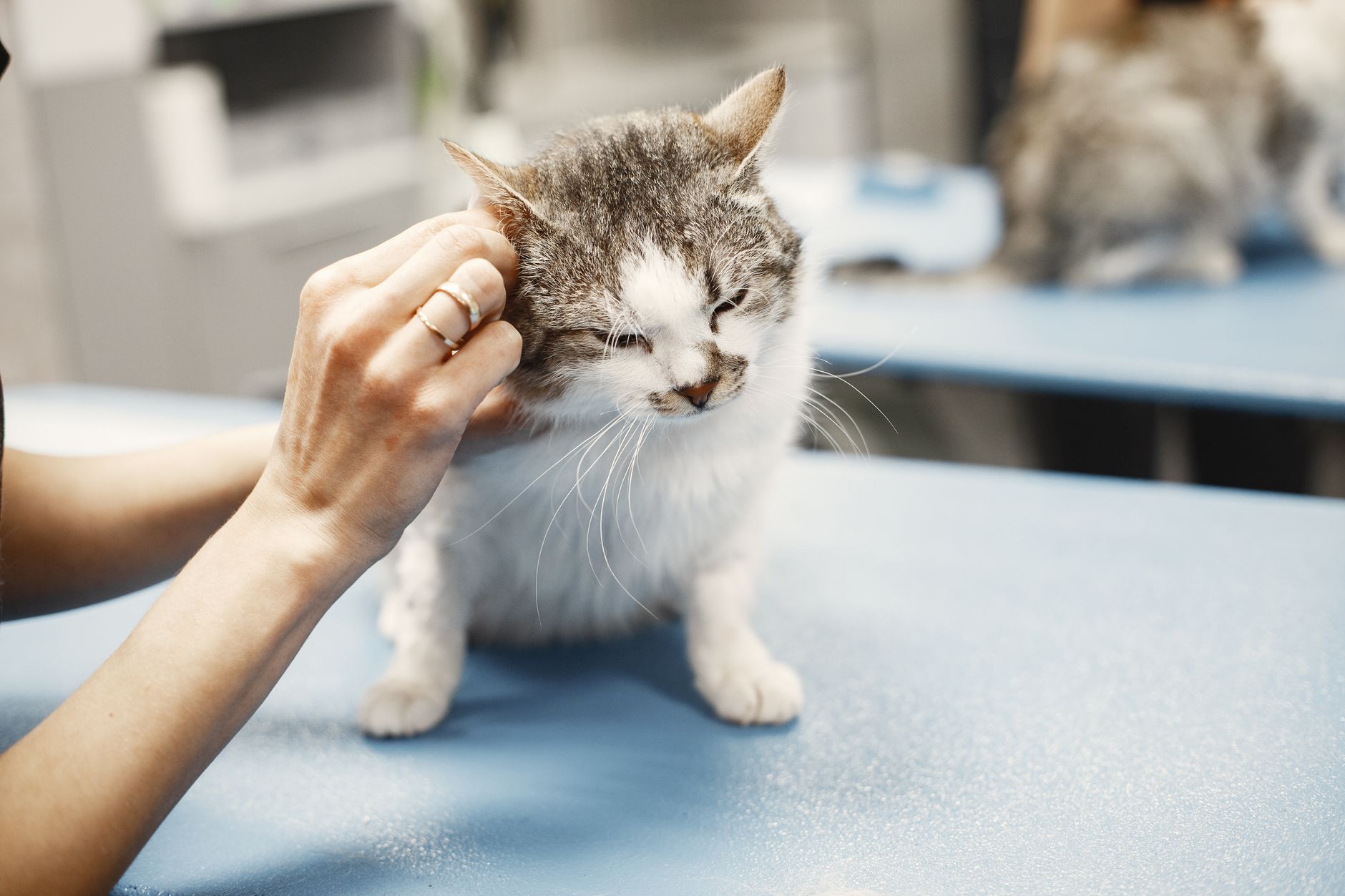
While generally robust, the California Rex’s unique genetic makeup and coat type predispose them to specific physical vulnerabilities. In my clinical practice, I focus heavily on dermatological health and thermal regulation to keep this breed thriving.
Hypothermia and Sunburn Sensitivity
Due to their lack of protective guard hairs, these cats cannot regulate their body temperature as efficiently as standard-coated breeds. They are highly susceptible to cold drafts and can easily get sunburned if exposed to direct sunlight near windows.
Malassezia (Yeast) Dermatitis
The Rex coat structure often leads to an accumulation of natural skin oils (sebum) which can harbor yeast infections, particularly in skin folds, the underbelly, and around the nail beds.
Hypertrophic Cardiomyopathy (HCM)
This is a hereditary condition causing the heart muscle to thicken, which can lead to heart failure or arterial thromboembolism. I recommend yearly echocardiograms for adult Rex cats.
Patellar Luxation
A condition where the kneecap slips out of its normal anatomical groove. It is occasionally seen in active, fine-boned breeds like the California Rex.
How long do California Rexs typically live?
With excellent indoor care, routine veterinary checkups, and a balanced diet, a California Rex typically enjoys a lifespan of 12 to 15 years, with some reaching their late teens.
What to Feed a California Rex
Because of their high metabolism and active lifestyle, California Rex cats require a nutrient-dense diet to sustain their energy. They have higher caloric needs relative to their size compared to more sedentary breeds.
Best Diet
I highly recommend a diet rich in high-quality animal proteins and essential fatty acids (like Omega-3 and Omega-6) to support their unique skin barrier. High-quality commercial wet food is ideal to maintain hydration and lean muscle mass.
How to Feed
Divide their daily caloric intake into 2 to 3 scheduled meals rather than free-feeding. Using puzzle feeders is an excellent way to slow down eager eaters and provide mental stimulation.
How Much to Feed
Portion sizes should be tailored to their age, weight, and activity level. As a general rule, an active 8-pound adult cat needs about 200 to 240 calories daily, but you must consult your vet for a customized plan.
Nutritional Tips
Always ensure fresh water is available. Because they are prone to dry skin, adding a veterinarian-approved fish oil supplement can do wonders for maintaining their skin health and coat shine.
California Rex Grooming Guide
Grooming a California Rex is less about brushing and more about managing skin oils. Their unique coats are delicate and can be damaged by harsh brushing, but they do require regular skin and ear maintenance.
Coat Care
Avoid metal slicker brushes. Instead, gently wipe down their coat once a week with a soft chamois cloth or a soft-bristled brush to distribute natural oils and remove loose hairs without damaging the delicate waves.
Skin Care
They may require occasional bathing with a gentle, vet-recommended oatmeal shampoo to remove excess sebum buildup, especially if they develop a greasy feel or odor.
Eye Care
Wipe the corners of their eyes weekly with a damp, warm cotton ball to remove any mild discharge, using a fresh cotton ball for each eye to prevent spreading any potential infections.
Ear Care
Their ears can accumulate wax quickly; clean them every 1 to 2 weeks using a vet-approved, alcohol-free ear cleanser and a cotton round. Never use Q-tips inside the ear canal.
Nail & Dental Care
Trim their nails every 2 weeks, ensuring you wipe away any dark sebum accumulation from the nail beds. Brush their teeth at least three times a week with pet-safe enzymatic toothpaste.
Considerations for Pet Parents
Pros
- Extremely affectionate and thrives on human companionship
- Low-shedding coat makes house cleanup easier
- Highly intelligent and easily trained
- Great companion for other social pets
- Maintains a fun, kitten-like energy into adulthood
- Stunning, unique wavy appearance
Cons
- Prone to feeling cold and requires a temperature-controlled home
- Can develop greasy skin and wax buildup if grooming is ignored
- Highly demanding of attention and can get lonely easily
- Rare breed that can be difficult to find or purchase
Best For
The ideal owner is someone who works from home or has a busy household, who can dedicate time to daily play sessions and doesn’t mind a ‘velcro’ cat that follows them from room to room.
Not Recommended For
I do not recommend this breed for owners who are away from home for long hours daily, or those who cannot commit to indoor-only safety and regular skin maintenance.
Cost
- purchase price$1,000 – $2,000
- monthly cost$80 – $150
- initial setupBudget $400 – $700 for initial setups, including high-quality heated cat beds, scratching posts, litter boxes, and initial vet checkups.
Similar Breeds
California Rex FAQs
Why is the California Rex so rare?
The California Rex is a historical mutation that emerged in California in the mid-20th century. Unlike the Cornish or Devon Rex, it did not achieve the same global commercial popularity, making true California Rex lines exceptionally rare and hard to find today.
Do California Rex cats need sweaters?
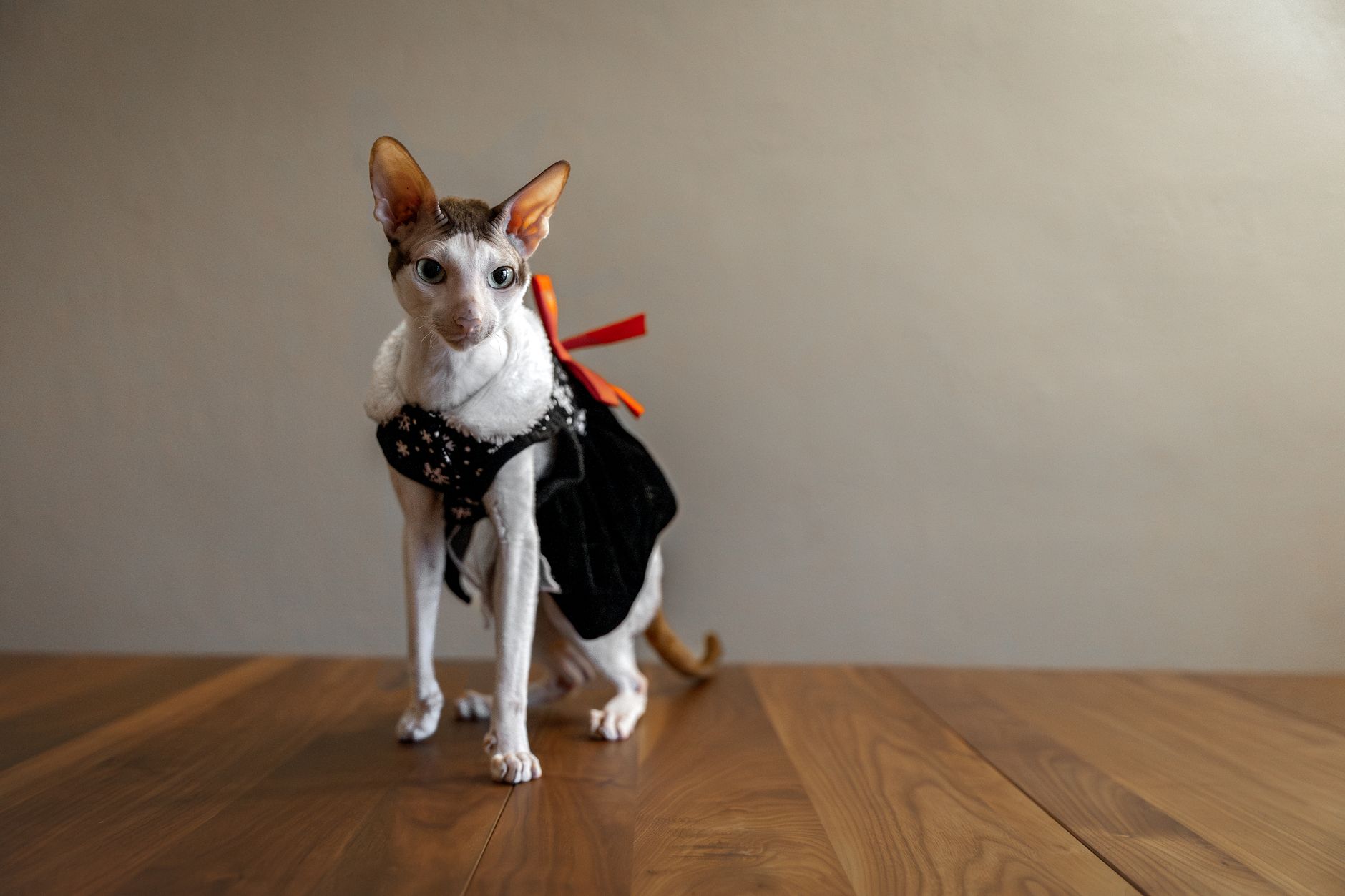
Yes, during winter or in air-conditioned homes, they often benefit from wearing a soft, well-fitting cat sweater. Because they lack a thick double coat to trap body heat, they lose warmth quickly and appreciate the extra layer.
How do I know if my California Rex has skin issues?
In my clinic, I tell owners to watch for red patches, greasy fur, a yeasty odor, or persistent scratching. If you notice these signs, a vet visit is necessary to rule out Malassezia (yeast) infections or allergies.
Are California Rex cats vocal?
Yes, they are moderately vocal. They will not hesitate to use soft chirps, purrs, and meows to communicate when they want food, attention, or a warm spot on your lap.
Can a California Rex go outside?
No, they should be strictly indoor-only cats. Their thin coat provides virtually no protection against sunburn, cold temperatures, or physical scrapes, making outdoor life highly dangerous for them.
How often should I bathe a California Rex?
Most only need a bath every 1 to 2 months, or whenever their skin feels excessively greasy or develops an odor. Always use a mild, veterinary-approved shampoo formulated for sensitive skin.
Is the California Rex hypoallergenic?
No cat is 100% hypoallergenic. While they shed very little and produce less airborne dander, they still produce the Fel d 1 protein in their saliva and skin, which can trigger allergies in sensitive individuals.
What kind of toys are best for a California Rex?
They thrive on interactive toys like feather wands, laser pointers, and puzzle feeders. They also love tall cat trees and window perches that allow them to survey their territory from a high vantage point.
Are they prone to dental disease?
Like many purebred cats, they can develop periodontal disease if their teeth are ignored. I advise my clients to establish a daily brushing routine and schedule yearly professional dental cleanings.
How do they handle being left alone?
They do not handle isolation well. If left alone for long periods, they can develop separation anxiety and destructive behaviors; having another friendly pet can help ease their loneliness.
Are California Rex cats good lap cats?
Yes, they are supreme lap cats, primarily because they love human affection and are always seeking a warm place to cuddle. They will happily drape themselves over you for hours.
How do I care for their wavy coat?
Avoid harsh brushing which can pull or break their delicate hair. Instead, use your hands to stroke them, or use a soft baby brush or chamois cloth to keep their coat looking its best.
Sources & Further Reading
- The Cat Fanciers’ Association (CFA)
- Cornell University College of Veterinary Medicine
- International Cat Care
- PetMD