

Quick Summary
Selecting a dog breed for hot climates requires looking at evolutionary anatomy, such as single coats, long muzzles, and large ears that facilitate heat dissipation. Breeds like the Basenji, Pharaoh Hound, and Chihuahua are genetically predisposed to thrive in warm weather due to their desert and tropical origins. However, even the most heat-tolerant dogs require active veterinary safety measures to prevent heatstroke.
In my fifteen years of clinical practice, summer is always a bittersweet season. While I love seeing families enjoy the outdoors with their pets, my clinic invariably sees a surge in heat-related emergencies during these warmer months.
Dogs do not sweat like humans, relying instead on panting and minimal heat exchange through their paw pads to stay cool. Choosing a dog breed that is genetically built to thrive in warm climates can prevent a lifetime of summer anxiety and keep your pet safe.
Today, I want to share the six best dog breeds for hot-weather climates, drawing on the veterinary science of how their unique bodies handle the heat.
Key Takeaways
- Evaporative cooling through panting is a dog’s primary defense against heat.
- Breeds with single coats and large, erect ears dissipate heat much more efficiently than double-coated or flat-faced breeds.
- The Basenji and Pharaoh Hound are anatomically designed for tropical and Mediterranean climates.
- Even heat-tolerant breeds like Chihuahuas are susceptible to heat radiating from hot pavement.
- Never use ice water to cool an overheating dog, as it constricts blood vessels and traps core heat.
- A dog’s normal body temperature is 101 to 102.5°F; temperatures above 105°F constitute a medical emergency.
In This Article
- The Veterinary Science of Canine Thermoregulation
- 1. The Basenji: Africa’s Ancient, Heat-Hardy Hunter
- 2. The Pharaoh Hound: Built for the Mediterranean Sun
- 3. The Chihuahua: Desert-Adapted Companions
- greyhound-sleek-and-sun-loving”>4. The Italian Greyhound: Sleek and Sun-Loving
- vizsla-the-high-energy-warm-weather-athlete”>5. The Vizsla: The High-Energy Warm Weather Athlete
- 6. The Ibizan Hound: The Ancient Island Sighthound
- Dr. Heller’s Emergency Guide: Spotting and Treating Heatstroke
The Veterinary Science of Canine Thermoregulation
To understand why certain breeds excel in the heat, we must first look at canine anatomy. A dog’s primary cooling mechanism is evaporation through panting, which moves air over the moist surfaces of their tongue, mouth, and lungs.
They also rely on vasodilation, a process where blood vessels in the ears and face expand. This allows warm blood to flow closer to the skin’s surface, where air currents can cool it down.
Breeds with long muzzles, large upright ears, and thin, single coats have a massive evolutionary advantage. Conversely, brachycephalic breeds struggle immensely because their shortened airways make evaporative cooling highly inefficient.
- Panting efficiency: Long muzzles provide maximum surface area for moisture evaporation.
- Erect ears: Large, upright pinnae act as natural radiators, releasing heat from superficial blood vessels.
- Single coats: A lack of dense undercoat allows the breeze to cool the skin directly.
- Body mass ratio: Leaner, leggy dogs have more surface area relative to weight, shedding heat faster.
1. The Basenji: Africa’s Ancient, Heat-Hardy Hunter
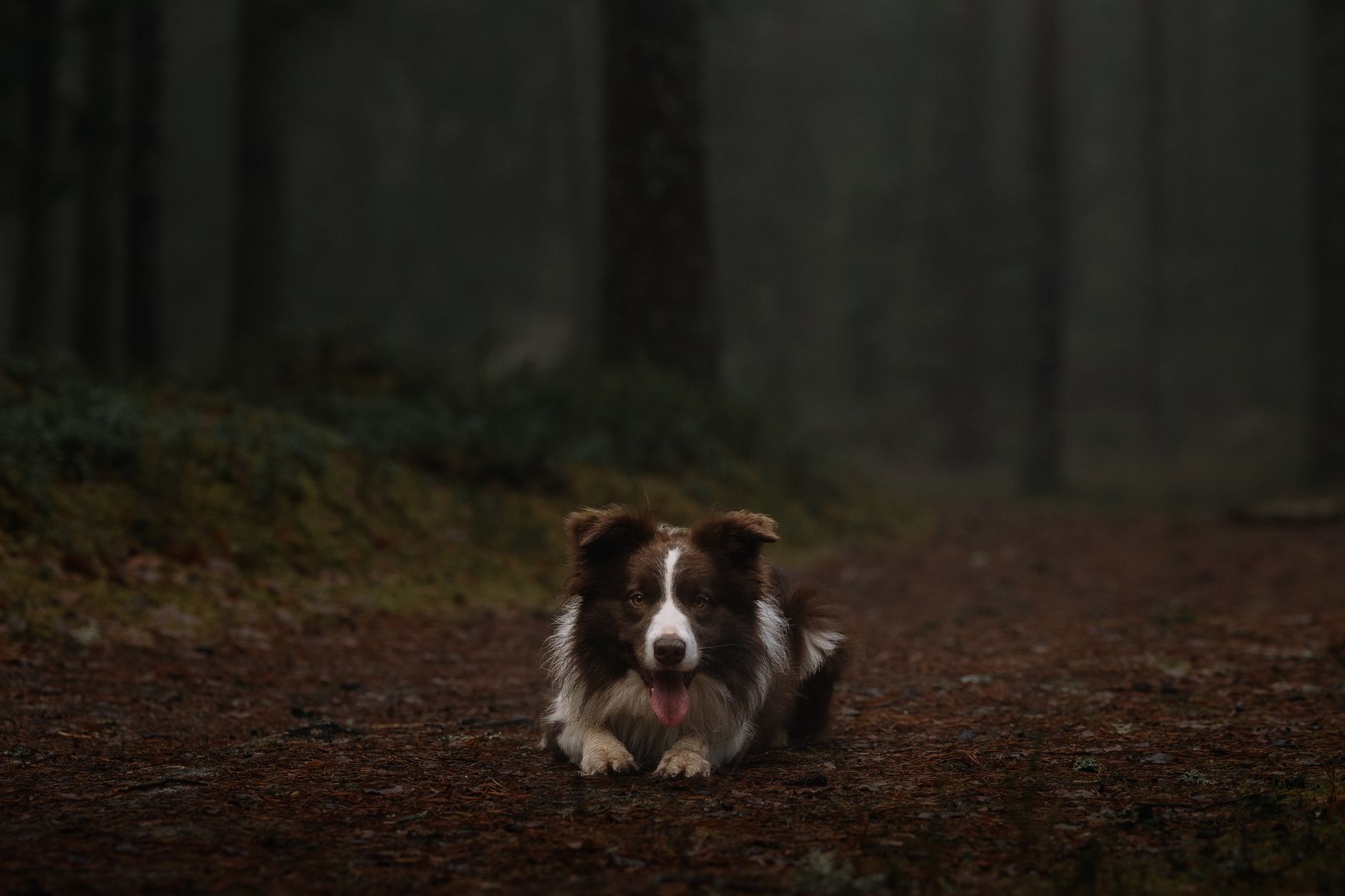
Originating in the Congo Basin, the Basenji is practically engineered for blistering temperatures. This breed sports an incredibly short, fine single coat that does not trap ambient heat close to the body.
Their erect, hooded ears are highly vascularized, allowing them to dump heat rapidly when running. In my practice, I find Basenjis to be remarkably self-regulating in warm weather.
Unlike northern breeds that will collapse trying to keep up on a hot day, a Basenji’s metabolic rate and physical structure are built for sustained activity in the sun.
- Minimal undercoat: Eliminates the risk of trapped hot air near the dermis.
- Grooming ease: Their self-cleaning nature means sweat and oils do not clog hair follicles.
- High stamina: They maintain cardiorespiratory efficiency even in high humidity.
Hydration for Active Basenjis
Even a desert-adapted breed needs proper hydration to maintain salivary flow for panting. I always tell my clients to carry cool, fresh water on walks and offer it every fifteen minutes.
2. The Pharaoh Hound: Built for the Mediterranean Sun
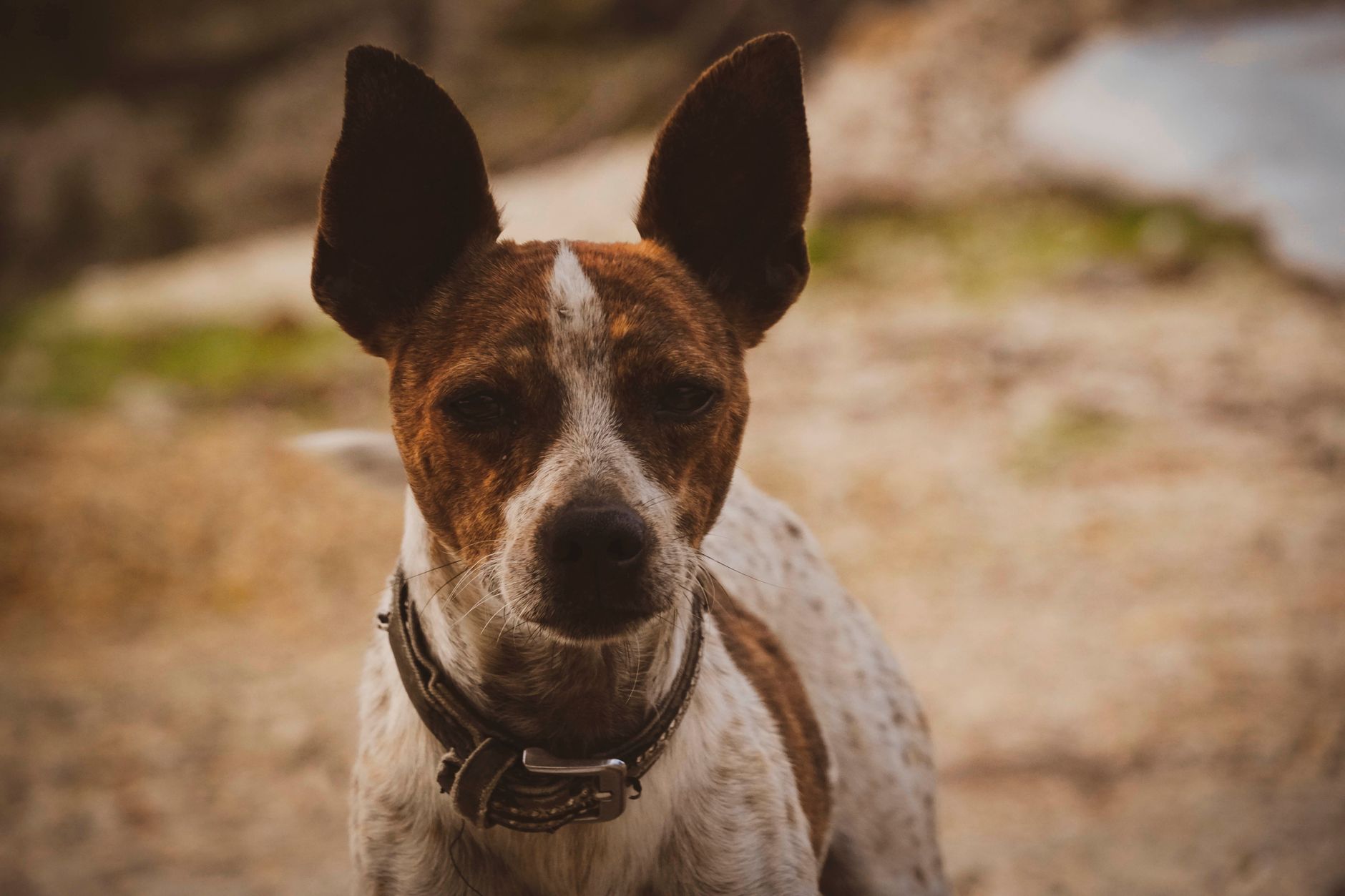
Hailing from the rocky, sun-drenched landscape of Malta, the Pharaoh Hound is a masterpiece of hot-weather adaptation. They possess thin skin and a glossy, short coat that offers virtually no insulation against the cold but excellent heat dissipation.
Their most striking feature is their large, expressive ears, which play a vital role in keeping them cool. When active, you can actually see the blood vessels in their ears dilate as they work to lower their core body temperature.
It is a beautiful example of evolutionary engineering in action. They are incredibly agile, lean, and rarely show signs of heat distress during moderate exercise.
- Radiating ears: Exceptionally large pinnae act as highly efficient heat exchangers.
- Sleek silhouette: Lean muscle mass ensures they do not retain excess metabolic heat.
- Dermal flushing: They actually blush when warm, showing active vasodilation in action.
3. The Chihuahua: Desert-Adapted Companions
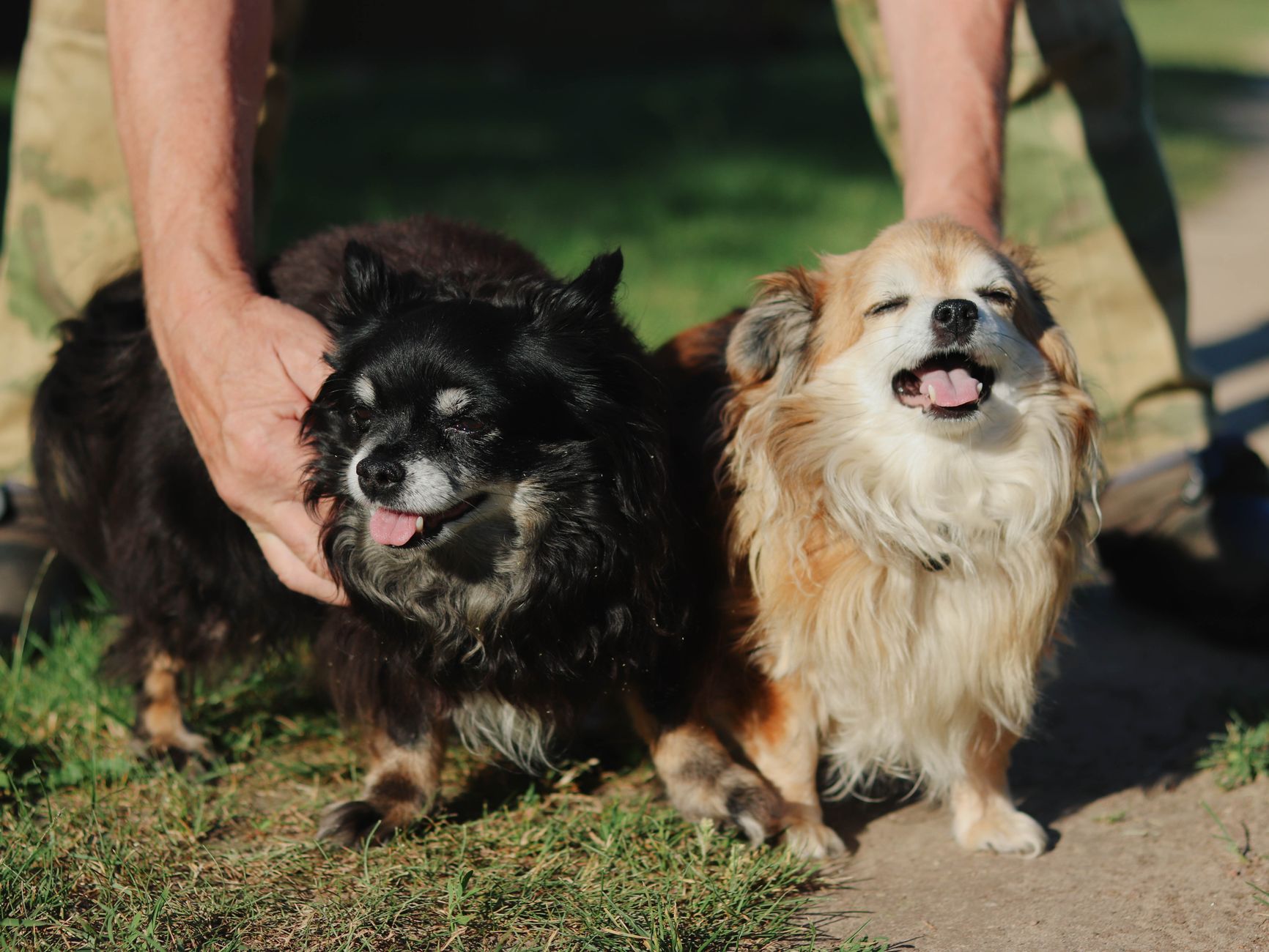
Many people forget that the Chihuahua originates from the arid deserts of Mexico. Their tiny body mass gives them a very high surface-area-to-volume ratio, which is ideal for shedding heat quickly.
They naturally seek out warm spots and can tolerate ambient temperatures that would make a Husky miserable. However, as a vet, I must issue a caveat regarding their coat types.
Smooth-coated Chihuahuas handle heat much better than their long-coated counterparts. Additionally, because they are so close to the ground, they are highly susceptible to radiant heat rising from hot asphalt.
- High surface-area-to-mass ratio: Heat escapes their tiny bodies rapidly.
- Smooth coat preference: Opt for the smooth-coat variety if you live in extreme desert climates.
- Pavement safety: Keep them on grass to prevent paw pad burns from heat absorption.
4. The Italian Greyhound: Sleek and Sun-Loving
Italian Greyhounds are virtually devoid of body fat and have an extremely thin, single coat. This unique physiology makes them incredibly sensitive to the cold, but absolute champions in the heat.
They genuinely enjoy sunbathing, often seeking out the warmest patches of light in a house or yard. In my clinic, I rarely see an Italian Greyhound present for heat exhaustion unless they were locked in an unventilated space.
Their aerodynamic, low-mass bodies do not generate or retain the massive thermal energy of heavier, thick-coated breeds. That said, their thin skin is highly vulnerable to solar damage.
- Low body fat: Minimizes the insulating layer that traps internal body heat.
- Sun-seeking behavior: They will actively sunbathe, but must be monitored to prevent sunburn.
- Sunscreen recommendation: Use dog-safe, titanium dioxide-free sunscreen on their ears and nose.
Protecting Thin Skin from UV Damage
Because their coat is so sparse, harmful UV rays can easily reach their pink skin. I frequently diagnose solar dermatitis in this breed, so sun protection is a clinical must.

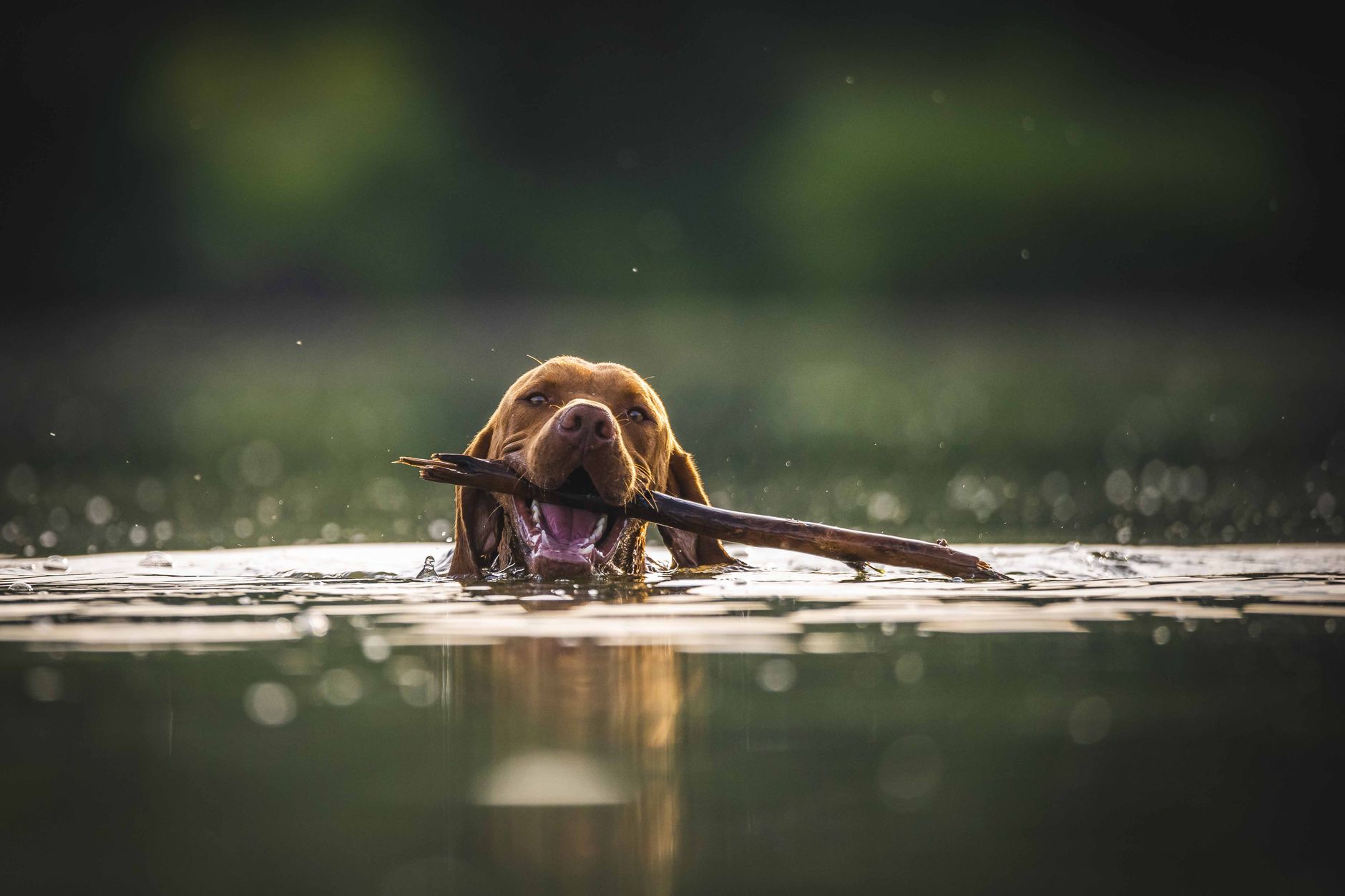
5. The Vizsla: The High-Energy Warm Weather Athlete
If you are an active runner living in a warm climate, most working breeds like Border Collies or Aussies will struggle in the summer. The Vizsla, however, is a golden exception.
Developed in Hungary to work in diverse, often hot agricultural fields, they have a short, dense coat without a true undercoat. Vizslas are sleek, athletic, and possess an efficient cardiovascular system that supports rapid heat dissipation.
I always caution my clients, though: an athletic dog will often run themselves into heatstroke out of pure drive. You must be the one to enforce rest and hydration breaks.
- No undercoat: Allows sweat from paw pads and heat from the skin to evaporate instantly.
- Athletic endurance: Cardiovascular fitness helps maintain stable blood pressure during heat stress.
- Forced rest intervals: Take a ten-minute shade break for every twenty minutes of summer running.
6. The Ibizan Hound: The Ancient Island Sighthound
Similar to the Pharaoh Hound, the Ibizan Hound was bred to hunt rabbits in the harsh, hot terrain of the Balearic Islands off Spain. Their physical structure is built entirely for heat tolerance.
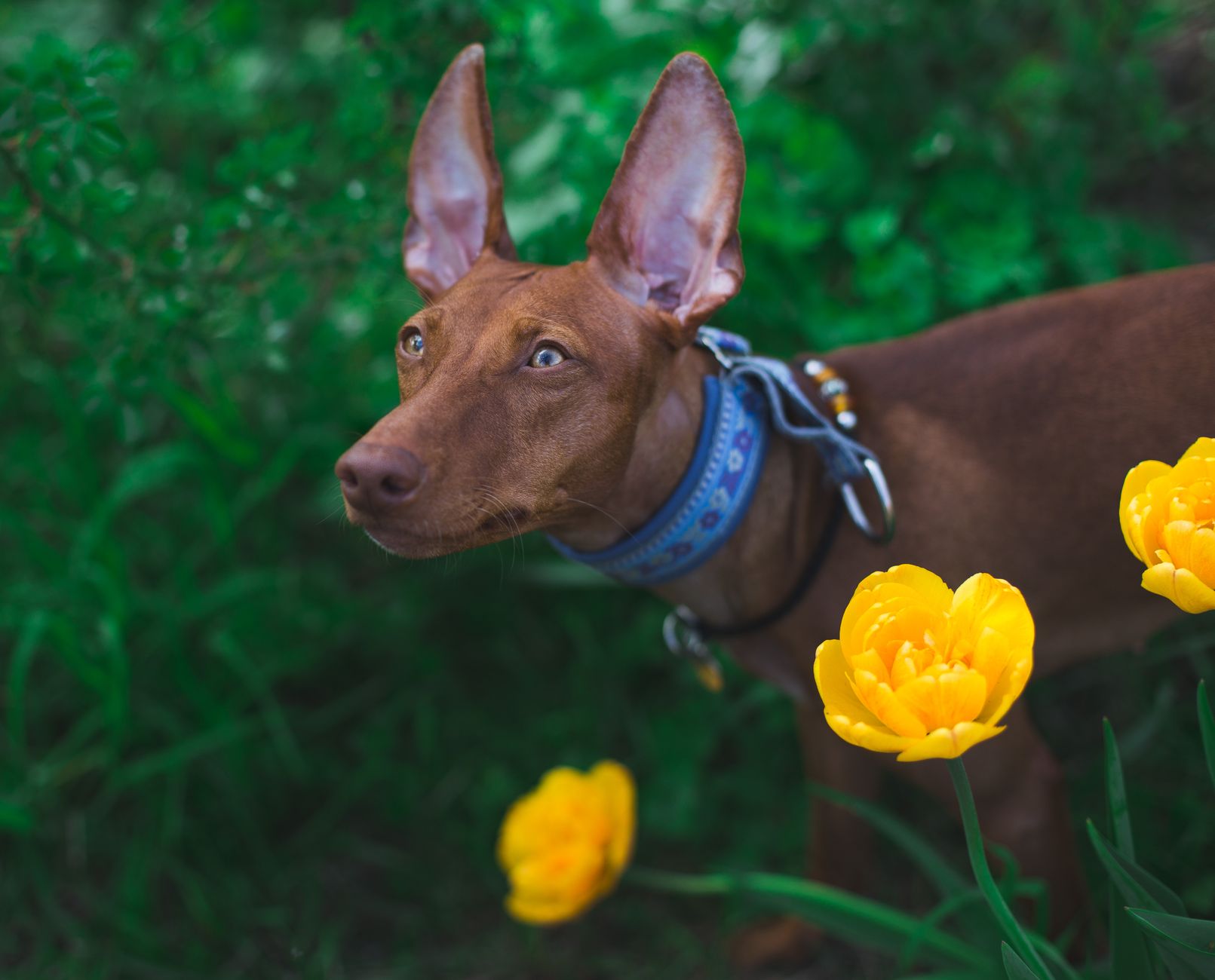
They feature a lean, leggy build, a short coat, and massive, upright ears that act as convective cooling sails. Ibizan Hounds have an incredibly low percentage of body fat, which prevents thermal retention.
When I examine these dogs, their high vascularity is always apparent. Their bodies are designed to keep blood flowing close to the skin surface, maximizing the cooling effect of even the slightest breeze.
- Convective cooling: Massive ears capture air currents to cool blood before it returns to the core.
- High leg-to-body ratio: Keeps their vital organs further away from hot ground surfaces.
- Low fat percentage: Acts as a natural defense against overheating during exertion.
Dr. Heller’s Emergency Guide: Spotting and Treating Heatstroke
No matter how heat-tolerant a breed is, any dog can succumb to heatstroke under extreme conditions. A dog’s normal body temperature is 101 to 102.5 degrees Fahrenheit.
Once their core temperature climbs past 105 degrees, cellular damage begins to occur rapidly, leading to organ failure. If you suspect heatstroke, you must act before you even start driving to my clinic.
Safe, controlled cooling can save your dog’s life. Never use ice water, as this causes peripheral blood vessels to constrict, trapping heat deep inside the body’s core.
- Heavy, frantic panting: The first and most obvious sign of respiratory distress.
- Tacky, dark red gums: Indicates poor oxygenation and severe dehydration.
- Lethargy or collapse: A critical emergency showing neurological compromise.
- Cooling protocol: Pour lukewarm water on the belly, groin, and armpits, then use a fan.
Frequently Asked Questions
Can I shave my double-coated dog to help them stay cool?
No, you should never shave a double-coated dog. Their undercoat actually acts as insulation against the heat, and shaving them ruins their natural temperature regulation and exposes them to sunburn.
How can I tell if the pavement is too hot for my dog’s paws?
Place the back of your bare hand firmly on the pavement for seven seconds. If it is too hot for you to hold your hand there comfortably, it is too hot for your dog’s paw pads.
What is the safest time of day to exercise my dog in the summer?
I always recommend exercising your dog in the early morning before the sun has warmed the pavement, or late in the evening after temperatures have dropped significantly.
Do heat-tolerant dogs still need shade and water outdoors?
Yes, absolutely. Even the most heat-tolerant breeds can develop heatstroke without access to fresh, cool water and a shaded area to rest out of direct sunlight.
Can dogs get sunburned, and how do I protect them?
Yes, especially short-coated, white-coated, or pink-skinned breeds. You should apply a specifically formulated, dog-safe sunscreen to vulnerable areas like the nose, ears, and belly.
Sources & Further Reading
Final Thoughts
Living in a warm climate does not mean you cannot enjoy the companionship of a happy, active dog. By selecting a breed whose evolutionary history and physical traits are built for heat, you set yourself up for success.
Always remember that regardless of breed, you are your dog’s primary protector against the elements. Watch for the warning signs of heat stress, keep fresh water close at hand, and prioritize shady routes.
With a little veterinary foresight and the right breed by your side, you can enjoy many safe, sunny years together.