
 Border Collie vs Australian Shepherd: Which Herding Breed Is Smarter?” loading=”lazy”>
Quick Summary
While Border Collies generally rank higher in working and obedience intelligence, mastering new commands in fewer repetitions, Australian Shepherds excel in adaptive intelligence and independent problem-solving. Both breeds require intense mental enrichment to prevent severe behavior issues, meaning the ‘smarter’ breed is ultimately the one whose specific intellectual style matches your capability as an active handler.
In my years of clinical practice, I have treated thousands of dogs, but few command a room quite like a herding breed. When a Border Collie or an Australian Shepherd walks into my exam room, I immediately adjust my body language.
These dogs aren’t just watching me; they are actively reading my micro-movements, assessing my tools, and predicting my next move.
Clients constantly ask me which of these two iconic herding breeds is truly the smarter dog. It is a brilliant question with a highly nuanced, clinical answer that goes far beyond simple obedience rankings.
Key Takeaways
- Border Collies lead in obedience and working intelligence, often learning commands in under five repetitions.
- Australian Shepherds possess superior adaptive intelligence, excelling at independent decision-making and reading complex human emotions.
- Under-stimulated individuals of both breeds are highly prone to clinical anxiety, obsessive-compulsive disorders, and destructive behaviors.
- Border Collies thrive on structured, repetitive tasks, whereas Australian Shepherds require diverse, real-world problem-solving challenges.
- Mental enrichment, such as puzzle toys and scent work, is medically necessary for these breeds, not just optional entertainment.
- Choosing between them should depend on whether you want a highly focused partner (Border Collie) or a versatile, protective companion (Aussie).
In This Article
- Defining Canine Intelligence: The Clinical Perspective
- collie-the-laser-focused-specialist”>The Border Collie: The Laser-Focused Specialist
- The Australian Shepherd: The Versatile Problem Solver
- Head-to-Head Training: How They Learn Differently
- The Dark Side of Genius: When High Intelligence Goes Wrong
- Pediatric Brain Care: Raising a Super-Pup
- Prescribing Mental Enrichment: Vet-Approved Strategies
- The Veterinary Verdict: Which Breed is Truly Smarter?
Defining Canine Intelligence: The Clinical Perspective
To evaluate these breeds fairly, we must look past popular internet lists and examine how the canine brain functions. In veterinary behavioral medicine, we divide canine intelligence into three distinct categories: instinctive, adaptive, and working intelligence.
Instinctive intelligence is what the dog is bred to do naturally, while adaptive intelligence is what a dog learns to do for itself. Working intelligence is the ability to learn from human instruction, which is where we see the most obvious differences between these two powerhouses.
In my clinic, I assess these traits by observing how a dog reacts to novel stimuli, such as a noisy scale or a strange medical instrument. A dog’s ability to assess, adapt, and remain cooperative tells me more about their cognitive capacity than a simple sit-stay command.
The Neurological Engine
Herding breeds possess highly developed prefrontal cortices and sensory processing centers. This allows them to process visual and auditory stimuli up to four times faster than brachycephalic or toy breeds.
The Border Collie: The Laser-Focused Specialist
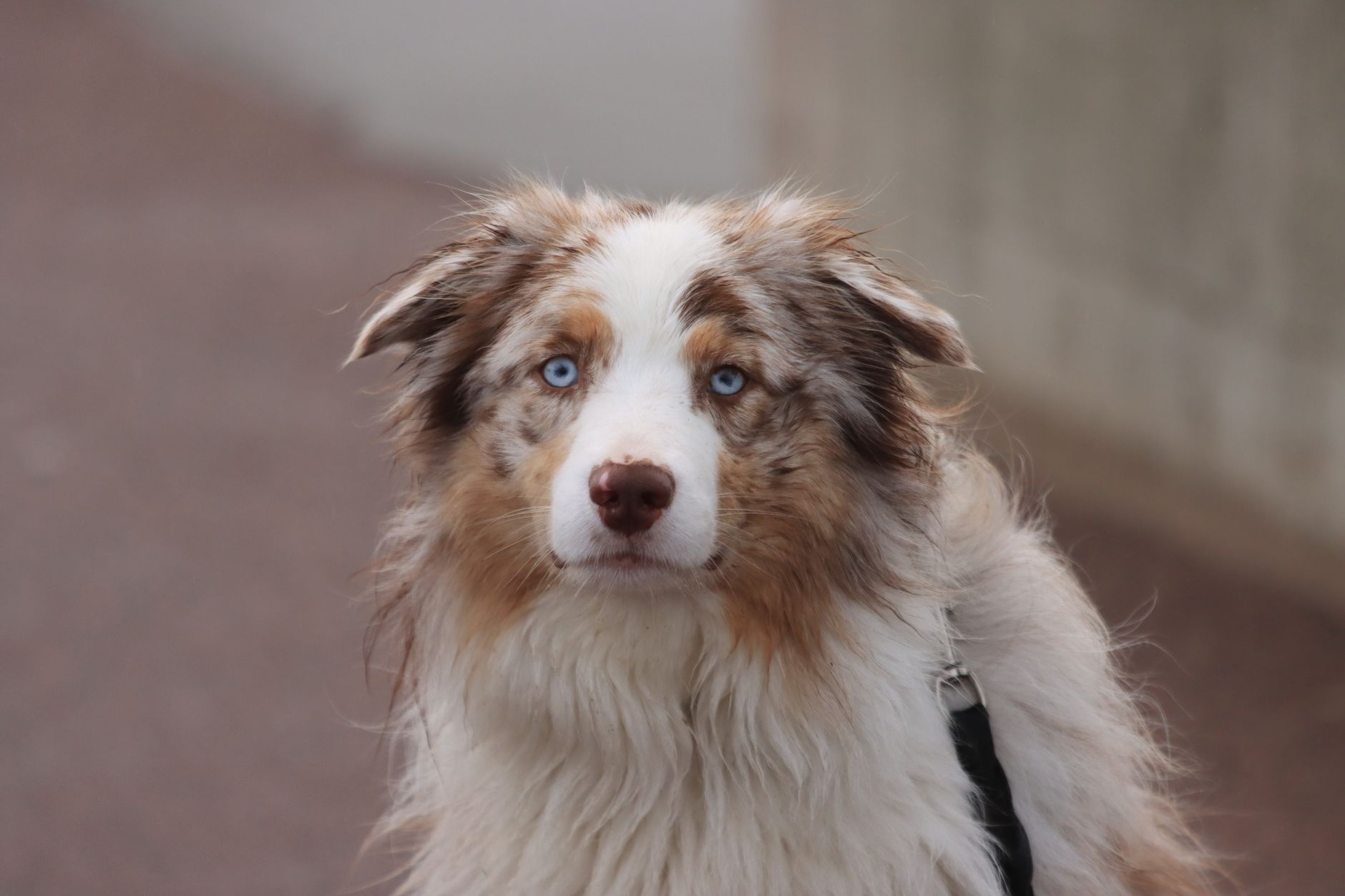
The Border Collie is widely recognized as the most intelligent dog breed in the world, and my clinical observations certainly back this up. Their brains are wired for extreme focus, a trait historically cultivated to control sheep with their intense visual stare, known as ‘the eye.’
In my clinic, a Border Collie doesn’t look around the room aimlessly; they lock eyes with me and track every syringe, thermometer, and treat bag. This hyper-focus is their superpower, allowing them to memorize hundreds of distinct spoken words and hand signals with ease.
However, this incredible focus can easily slip into hyper-arousal. Without proper outlets, their nervous systems remain in a state of high alert, which can lead to chronic stress and elevated cortisol levels.

The Australian Shepherd: The Versatile Problem Solver
While the Border Collie is a specialist, the Australian Shepherd is an incredibly versatile generalist. Bred to handle wild cattle in rugged terrains, Aussies had to rely heavily on adaptive intelligence to survive and manage stubborn livestock.
In my practice, I find that Australian Shepherds are remarkably socially intelligent. They are highly attuned to their owner’s emotional states and will often alter their behavior based on a subtle shift in human heart rate or muscle tension.
This makes them excellent working partners, but it also means they can be highly protective. They do not just blindly follow directions; they actively calculate whether a situation is safe before choosing how to react.
- Exceptional spatial awareness and physical problem-solving skills
- High emotional intelligence, making them sensitive to family dynamics
- Strong protective instincts and natural wariness of strangers
- Ability to assess a situation and act independently without direct commands

Head-to-Head Training: How They Learn Differently
Training these breeds requires a deep understanding of their unique motivators. In my behavioral consultations, I see many owners struggle because they treat an Aussie like a Border Collie, or vice versa.
Border Collies crave precision and will happily perform the exact same task fifty times if it means getting that perfect clicker mark. Australian Shepherds, on the other hand, get bored with raw repetition and require a dynamic, evolving curriculum to keep their brains engaged.
If you try to drill an Aussie repeatedly on the same command, they will often look for a shortcut or simply walk away. They need to understand the purpose of the task, whereas a Border Collie finds the task itself intrinsically rewarding.
- Border Collies learn new commands in 1 to 5 repetitions on average.
- Aussies may learn just as fast but will actively test boundaries or suggest alternative behaviors if bored.
- Border Collies require highly structured, consistent, and calm handling.
- Aussies need a job with a clear, tangible outcome to remain fully focused.

The Dark Side of Genius: When High Intelligence Goes Wrong
In my clinic, the most tragic cases are the brilliant herding dogs locked in apartments with nothing to do. When these massive brains do not have a constructive job, they will invent one, and it is rarely a job you want them doing.
I regularly diagnose bored Border Collies and Aussies with severe behavioral and physical manifestations of anxiety. Their minds literally begin to short-circuit, leading to repetitive, self-soothing behaviors that require medical intervention.
Many owners do not realize that these behaviors are not just ‘bad habits’—they are clinical indicators of severe mental distress. Left untreated, these stereotypic behaviors can cause physical harm, such as lick granulomas or broken teeth.
- Shadow and light chasing (a common obsessive-compulsive behavior in Border Collies)
- Flank-sucking, tail-biting, or self-mutilation due to chronic boredom
- Herding of inappropriate targets, including children, vacuum cleaners, and cars
- Severe separation anxiety and destructive chewing of drywall or furniture
- Hyper-reactivity to everyday household noises like microwaves or phones
Pediatric Brain Care: Raising a Super-Pup
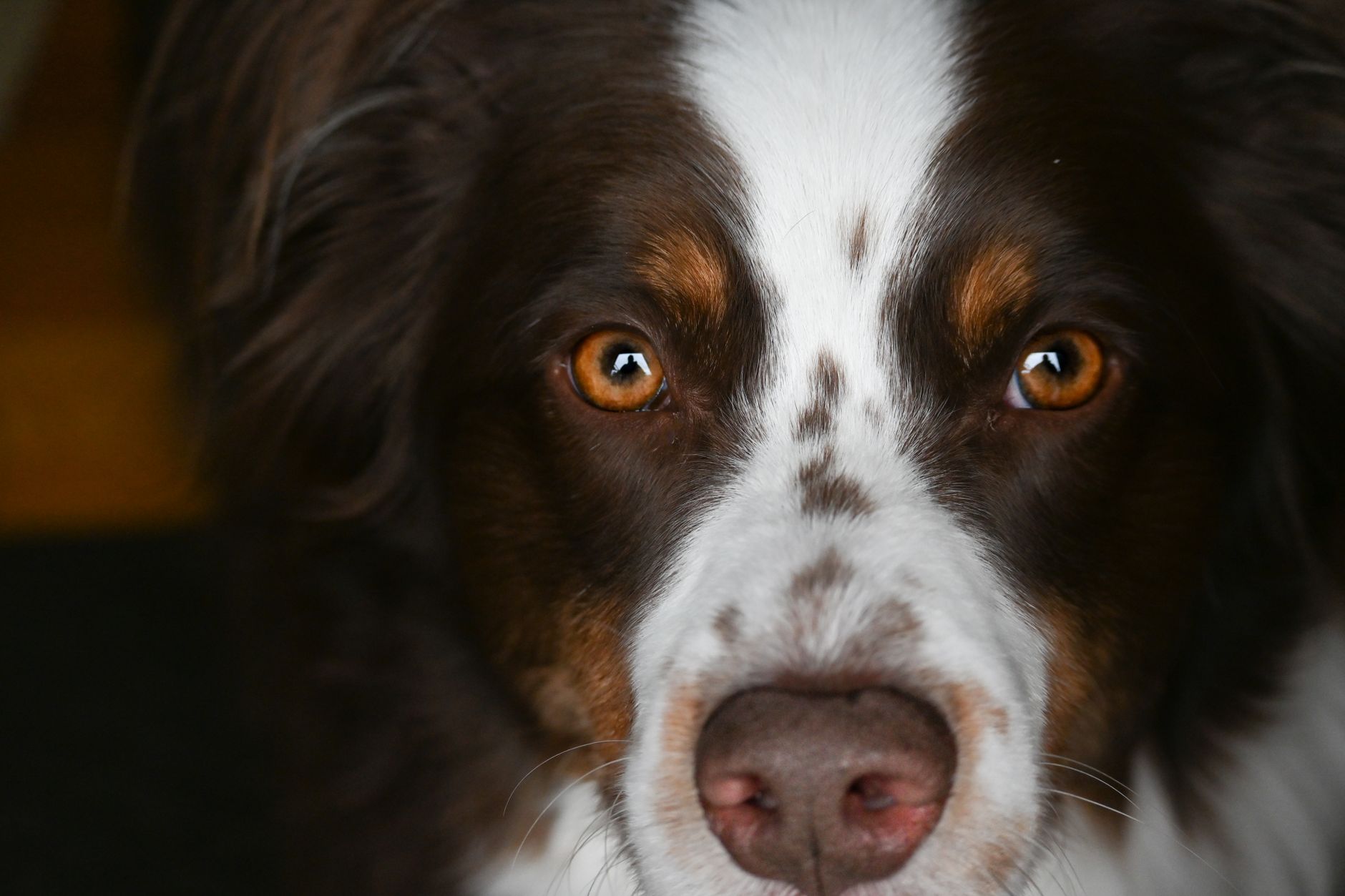
If you bring a Border Collie or Australian Shepherd puppy to my clinic, our first wellness exam will focus heavily on mental development. The critical socialization window between 8 and 16 weeks of age is incredibly active in these breeds.
We must carefully balance physical safety before vaccinations are complete with intensive cognitive stimulation. Protecting their developing brains from trauma while expanding their mental horizons is a delicate but necessary art.
During this phase, their brains are like sponges, mapping out how the world works. Positive, structured exposure to novel sounds, textures, and sights is crucial to prevent fear-based reactivity later in life.
- Introduce them to at least three new sensory surfaces (grass, gravel, metal) every week.
- Practice cooperative veterinary husbandry training, like holding paws and inspecting ears, daily.
- Implement positive, controlled exposure to high-movement objects like bicycles and skateboards.
- Avoid high-impact jumping and tight turns until growth plates close around 12 to 14 months.

Prescribing Mental Enrichment: Vet-Approved Strategies
I tell my clients that physical exercise alone will only build a highly athletic, bored dog. To truly tire out a herding breed, you must exhaust them mentally.
I prescribe daily cognitive workouts for these dogs just as I would prescribe medication for an illness. Incorporating systematic mental challenges into their daily routine is the single best way to prevent behavioral issues.
When a dog uses their brain to solve a complex puzzle, their brain releases dopamine and serotonin. This chemical release naturally calms their nervous system, leading to a much more relaxed companion at home.
- Ditch the food bowl entirely and feed all meals through interactive Level 3 puzzle toys.
- Incorporate scent work games, hiding high-value treats around the house for them to track.
- Teach specific names for at least ten different toys and practice retrieval by name.
- Engage in structured dog sports like agility, flyball, or competitive herding trials.
The Veterinary Verdict: Which Breed is Truly Smarter?
So, who takes the crown in the battle of minds? If we define intelligence strictly as working obedience and response to human cues, the Border Collie wins by a narrow margin.
However, if we define intelligence as adaptive problem-solving, emotional reading, and independent operation, the Australian Shepherd frequently comes out on top.
Ultimately, both breeds possess a level of intelligence that requires an experienced, dedicated handler to safely manage and guide. Whichever breed you choose, your primary responsibility is to keep their brilliant minds active, engaged, and healthy.
Frequently Asked Questions
Do Border Collies get more separation anxiety than Australian Shepherds?
Both breeds are highly prone to separation anxiety due to their intense bonding tendencies and high mental drive. However, in my practice, I find that Border Collies tend to develop more hyper-focused, stereotypic anxiety behaviors (like shadow-chasing), while Australian Shepherds are more likely to display vocal or destructive anxiety because of their protective and family-oriented nature.
Can these herding breeds live happily in an apartment?
It is possible, but highly challenging and generally not recommended. If you live in an apartment, you must commit to several hours of daily outdoor activity and intense mental stimulation. Without a yard, their herding instincts can quickly translate into guarding behaviors or hyper-reactivity to hallway noises.
At what age do Border Collies and Aussies calm down?
Clients are often dismayed to learn that these breeds do not magically ‘calm down’ at the typical age of two. While physical maturity is reached by 18 months, their mental energy levels remain incredibly high until age five or six. True calmness is achieved through consistent mental training and structure, not just aging.
Do these breeds shed a lot, and how does it affect their care?
Yes, both are double-coated breeds that shed heavily year-round, with massive blowouts in the spring and fall. Beyond the vacuuming, this thick coat requires regular brushing to prevent painful matting, particularly around the ears, legs, and collar area. Neglecting their grooming can lead to secondary skin infections, which I treat frequently.
Are Australian Shepherds easier for first-time dog owners?
Neither breed is ideal for a novice owner, but Australian Shepherds can sometimes be more forgiving of minor training inconsistencies due to their social nature. However, their natural protective instinct requires careful socialization to prevent aggression. If you are a first-time owner, working closely with a certified veterinary behaviorist is highly recommended.
Sources & Further Reading
Final Thoughts
Whether you choose the laser-focused, workaholic Border Collie or the adaptable, emotionally intuitive Australian Shepherd, you are bringing a genius into your home. These are not passive companions; they are active partners that require a lifetime of mental and physical commitment.
As a veterinarian, my best advice is to look honestly at your daily lifestyle before deciding. If you have the time, energy, and dedication to guide one of these magnificent minds, you will be rewarded with a bond unlike any other in the canine world.