
 Golden Retriever vs Labrador Retriever: Which Family Dog Is Right for You?” loading=”lazy”>
Quick Summary
While both Golden and Labrador Retrievers make exceptional family companions, they differ significantly in coat maintenance, energy profiles, and health risks. Labradors tend to be highly active, resilient, and food-motivated, while Golden Retrievers offer a softer, more sensitive temperament but require intensive, daily grooming. Choosing between them depends on your commitment to coat care, physical exercise, and managing breed-specific genetic conditions.
In my twenty years of clinical veterinary practice, I have treated thousands of Golden Retrievers and Labrador Retrievers. Clients often ask me to help them choose between these two iconic breeds, assuming they are practically identical.
While both are stellar family dogs, they have distinct physiological, behavioral, and medical profiles.
Let me guide you through the real-world differences I see in my exam room every day to help you make the best choice for your home.
Key Takeaways
- Labradors generally exhibit higher physical energy and a stronger prey drive, whereas Goldens tend to have a slightly softer, more sensitive disposition.
- Golden Retrievers have a dense double coat that requires daily brushing to prevent painful matting, while Labradors are low-maintenance but heavy shedders.
- Cancer rates, particularly hemangiosarcoma and lymphoma, are statistically higher in Golden Retrievers, requiring vigilant veterinary screening.
- Labradors are genetically prone to obesity due to a common mutation in the POMC gene, making strict portion control vital.
- Both breeds suffer from high rates of hip and elbow dysplasia, making screening from reputable breeders or early veterinary evaluations essential.
In This Article
- Behavioral Nuances: Sensitivity vs. Exuberance
- The Grooming Reality: Double Coats vs. Short Wash-and-Wear
- Exercise Demands and the ‘Field’ vs. ‘Show’ Line Divide
- Genetic Health Vulnerabilities: What My Clinic Sees Most
- Training Profiles: Eager to Please vs. Food Obsessed
- Pediatric Growth and Joint Protection
- The Veterinary Cost Factor: Budgeting for Your Retriever
- The Clinical Checklist: Which One is Right for You?
Behavioral Nuances: Sensitivity vs. Exuberance
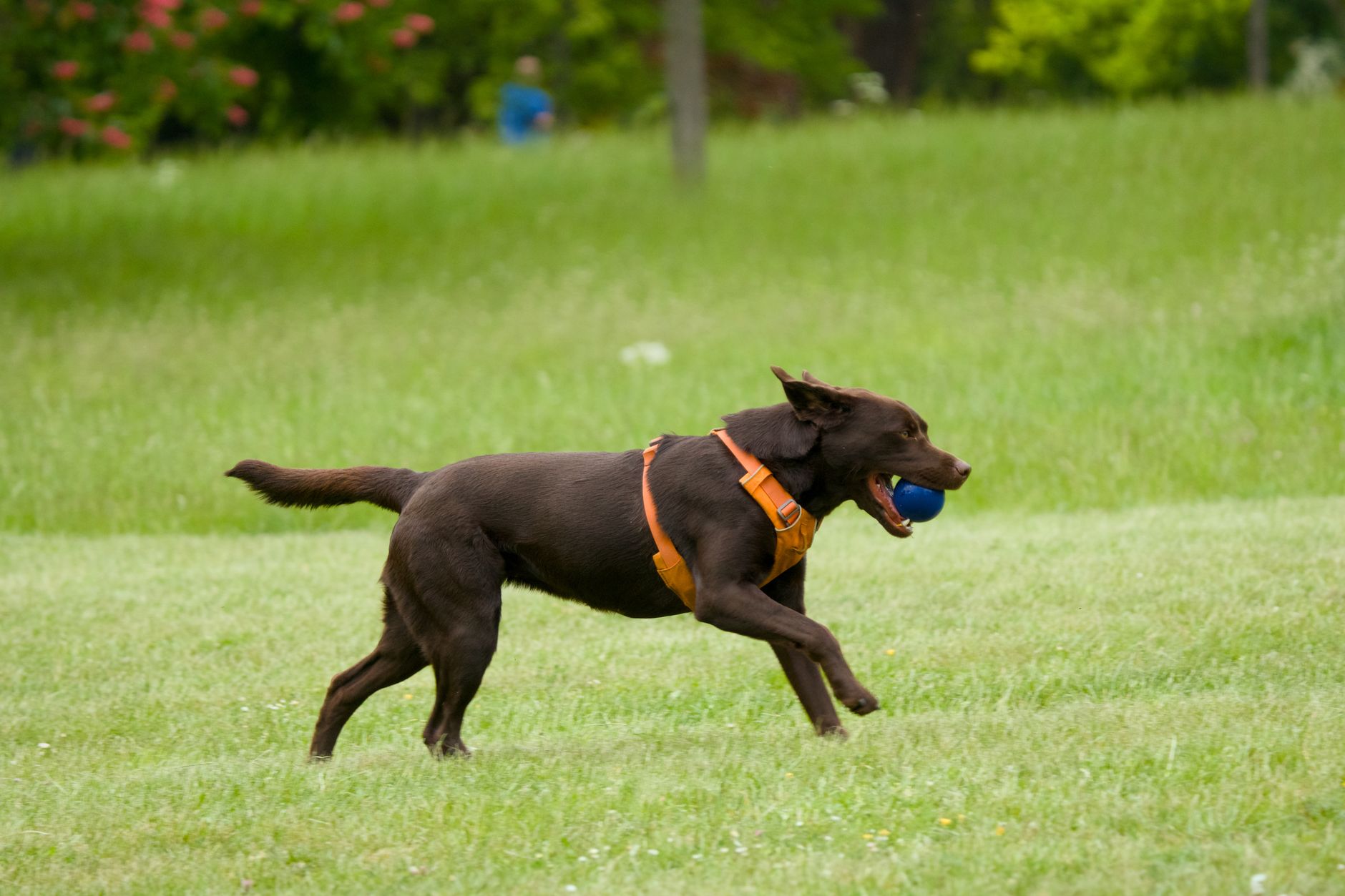
In my clinic, I can tell a Lab from a Golden before I even open the exam room door. Labradors tend to barrel in, tails wagging like whips, eager to lick my face and greet everyone with intense enthusiasm.
They are incredibly resilient, joyful, and sometimes oblivious to personal space.
Goldens, on the other hand, usually glide in with a gentle, slightly more cautious approach. They are highly empathetic and will lean their heavy heads right into my lap, sensing my energy.
They are incredibly sensitive to their owners’ emotions and can easily shut down if a training method is too harsh.
I always tell my clients that while a Labrador is ready to conquer the world with you, a Golden is ready to heal the world with you.

The Grooming Reality: Double Coats vs. Short Wash-and-Wear
One of the most frequent complaints I hear from new Golden owners is the sheer volume of hair. Golden Retrievers possess a magnificent double coat with long feathering on their legs, chest, and tail.
This coat acts like a magnet for burrs, dirt, and moisture, leading to severe matting behind the ears and in the groin if neglected.
Labradors have a short, dense water-resistant double coat. They do not get mats, but do not let that fool you into thinking they do not shed.
Labradors shed constantly and undergo a massive ‘blow-out’ of their undercoat twice a year.
In my experience, the grooming demands of these two breeds require very different toolkits and time commitments.
- Undercoat Rake: Essential for both breeds, especially during seasonal shedding periods to pull out dead undercoat.
- Slicker Brush: A daily necessity for Golden Retrievers to detangle feathering and prevent mats.
- High-Velocity Blow Dryer: A lifesaver for drying thick coats after swims to prevent hot spots.
- De-shedding Blade: Highly effective for managing the short, stiff hairs that Labradors drop on your furniture.

Exercise Demands and the ‘Field’ vs. ‘Show’ Line Divide
Both breeds are sporting dogs bred to work all day, but their energy levels can vary wildly based on their breeding lines. Field-bred lines (often called working lines) are leaner, lighter, and possess an intense, driven work ethic.
Show-bred lines (often called conformation lines) are stockier, calmer, and have lower overall exercise demands.
If you bring a field-line Labrador into a sedentary suburban household without a job, you are inviting behavioral problems. I frequently see destructive chewing, fence-fighting, and hyper-activity in under-stimulated young Labs.
Goldens also need vigorous exercise, but they are often more content to settle down inside the house once their physical needs are met.
- Daily Exercise Target: Aim for at least 60 to 90 minutes of active physical exercise per day for both breeds.
- Mental Stimulation: Utilize puzzle toys, snuffle mats, and obedience training to tire out their active minds.
- Retrieving Games: Keep their genetic heritage alive with structured fetching sessions in safe, enclosed areas.
- Swimming: Excellent low-impact cardiovascular exercise, especially beneficial for young growing joints and senior dogs.
Genetic Health Vulnerabilities: What My Clinic Sees Most
As a veterinarian, this is the most critical conversation I have with prospective owners. Both of these breeds are prone to orthopedic issues like hip and elbow dysplasia.
However, their genetic predispositions diverge sharply when we look at internal medicine and oncology.
Sadly, cancer is the leading cause of death in Golden Retrievers. I diagnose far too many Goldens with hemangiosarcoma, lymphoma, and osteosarcoma.
It is a heartbreaking reality that every prospective Golden owner must be prepared for.
Labradors, while generally hardier, face their own unique genetic challenges that we must actively manage.
- Cancer Risk in Goldens: Up to 60% of Golden Retrievers will face a cancer diagnosis in their lifetime.
- POMC Gene Mutation in Labs: This genetic mutation disrupts the brain’s ability to sense fullness, leading to constant hunger and severe obesity.
- Exercise-Induced Collapse (EIC) in Labs: A genetic syndrome causing sudden muscle weakness and collapse after intense exercise.
- Pigmentary Uveitis: A painful, hereditary eye condition specific to Golden Retrievers that can lead to glaucoma and blindness.

Training Profiles: Eager to Please vs. Food Obsessed
Both breeds routinely rank in the top five smartest dog breeds, making them highly trainable. However, their motivational pathways are completely different.
Knowing how to leverage these motivators is the key to training success.
Labradors are almost universally driven by food. I joke with my clients that a Lab will do long division for a single piece of kibble.
This makes them incredibly fun to train, but it also means you must watch their calorie intake during training sessions.
Goldens are motivated by human approval and connection. They live to hear ‘good boy’ or ‘good girl’ and want to work in true partnership with you.
- Use Low-Calorie Training Treats: Substitute freeze-dried liver with green beans or cucumber slices for food-obsessed Labradors.
- Keep Training Sessions Short: Limit sessions to 5-10 minutes to maintain their focus and prevent mental fatigue.
- Gentle Correction Only: Avoid harsh verbal corrections with Goldens, as they are highly sensitive and easily discouraged.
- Vary the Rewards: Combine food treats with toy play and physical affection to keep both breeds highly engaged.

Pediatric Growth and Joint Protection
Both Goldens and Labs grow at an astonishing rate during their first year of life. This rapid skeletal growth makes their growth plates highly vulnerable to developmental orthopedic diseases.
I cannot emphasize enough how critical it is to protect their joints during this window.
I routinely see young dogs with panosteitis (growing pains) or early signs of hip dysplasia because they were allowed to overexert themselves. We must carefully balance physical activity with skeletal maturity.
Additionally, nutritional management during puppyhood is paramount to prevent them from growing too quickly.
The 5-Minute Rule for Exercise
A safe rule of thumb for growing puppies is five minutes of structured exercise per month of age, up to twice a day. For example, a four-month-old puppy should only have twenty minutes of structured walking per session.
Avoid High-Impact Activities
Keep puppies from jumping off high surfaces, running on slippery floors, or engaging in intense agility training until their growth plates close around 12 to 18 months of age.
The Veterinary Cost Factor: Budgeting for Your Retriever
Retriever ownership is not cheap, and as a vet, I believe in financial transparency before you bring a puppy home. Because of their size, everything from anesthesia to flea and tick preventatives costs more.
You must budget for both routine preventative care and potential medical emergencies.
I highly recommend pet insurance for both breeds from day one. A single orthopedic surgery or oncology protocol can easily cost several thousand dollars.
Let’s look at the typical annual veterinary expenses I see for a healthy adult retriever in my practice.
- Annual Preventatives: Expect to spend $300 to $450 annually on flea, tick, and heartworm preventative medications.
- Routine Wellness Care: Plan for $200 to $400 per year for annual exams, vaccines, and routine bloodwork.
- High-Quality Diet: Budget $80 to $120 per month for a large-breed formulated diet to protect joint health.
- Emergency Fund or Insurance: Keep a dedicated fund of $3,000 to $5,000, or a premium pet insurance policy with a low deductible.
The Clinical Checklist: Which One is Right for You?
Ultimately, choosing between a Golden and a Lab comes down to your household dynamic, your lifestyle, and your tolerance for hair. Both breeds are wonderful, but they fit differently into different environments.
Think honestly about your daily routine. Do you want an outdoor partner who will jump into muddy lakes with abandon, or a gentle housemate who wants to cuddle on the sofa?
Use this clinical checklist to help guide your final decision.
- Choose a Labrador Retriever if: You want an active, resilient hiking partner, do not mind heavy seasonal shedding, and have the time to manage high physical energy.
- Choose a Golden Retriever if: You prefer a gentle, intuitive companion, have time for daily coat brushing, and want a dog that thrives on deep emotional connection.
- Avoid both if: You are away from home for more than 8-10 hours a day, as both breeds are highly social and prone to separation anxiety.
- Consult your veterinarian early: Always discuss your choice with your vet before purchasing from a breeder to ensure proper health screenings were performed.
Frequently Asked Questions
Which breed is better with young children?
Both breeds are legendary family dogs, but they interact differently. Labradors are sturdy and resilient but can be bouncy and accidentally knock over toddlers during play. Goldens are incredibly gentle but can be sensitive to loud noises and rough handling; supervise both interactions closely.
How much do they shed, and can I minimize it?
Both shed heavily, but Goldens drop long hair clumps while Labs shed shorter, stiff hairs that weave into fabrics. You can minimize shedding with daily brushing, regular bathing with a de-shedding shampoo, and a high-quality diet rich in Omega-3 fatty acids.
At what age do Golden and Labrador Retrievers mature?
Physically, both reach their full size around 12 to 18 months, but mentally, they remain puppies much longer. Labradors often retain their hyperactive puppy brain until they are 2 or 3 years old. Goldens tend to mature emotionally slightly earlier, around 2 years of age.
Which breed has a longer life expectancy?
On average, Labradors live slightly longer, with a lifespan of 10 to 12 years. Golden Retrievers have an average lifespan of 10 to 12 years as well, but their high incidence of early-onset cancer can sometimes skew this average lower. Keeping your dog at a lean body condition is the single best way to extend their lifespan.
Can these breeds live comfortably in an apartment?
Yes, but only if you are deeply committed to meeting their physical and mental exercise needs daily. A Lab or Golden in an apartment needs multiple long walks and mental stimulation to prevent destructive behavior. If you do not have a yard, you must be prepared to go outside in all weather conditions.
How can I find a reputable breeder for these breeds?
Look for breeders who perform comprehensive health clearances on both parents. For both breeds, this includes OFA clearances for hips, elbows, thyroid, and cardiac health, plus annual eye exams. Avoid breeders who cannot provide official documentation from the Orthopedic Foundation for Animals.
Sources & Further Reading
Final Thoughts
Deciding between a Golden Retriever and a Labrador Retriever is a wonderful dilemma to have. Both breeds represent the absolute pinnacle of canine companionship, offering loyalty, intelligence, and endless joy.
In my clinic, some of my happiest patients and clients are those who did their research and chose the breed that matched their lifestyle. Whichever retriever you choose, commit to their physical health, mental enrichment, and preventative veterinary care from day one.
They will repay your investment tenfold with a lifetime of unconditional love.