
 Scottish Fold Health: Understanding the Cartilage Condition” loading=”lazy”>
Quick Summary
Scottish Fold Osteochondrodysplasia (SFOCD) is an inherited musculoskeletal disorder that affects every Scottish Fold cat to some degree, as the genetic mutation that causes their signature folded ears also compromises cartilage throughout their entire body. This defect leads to progressive, painful osteoarthritis, joint deformities, and fused bones, particularly in the distal limbs and tail. While there is no cure, a multimodal veterinary approach involving modern pain therapies like Solensia, target joint supplements, and home modifications can significantly improve a Fold’s quality of life.
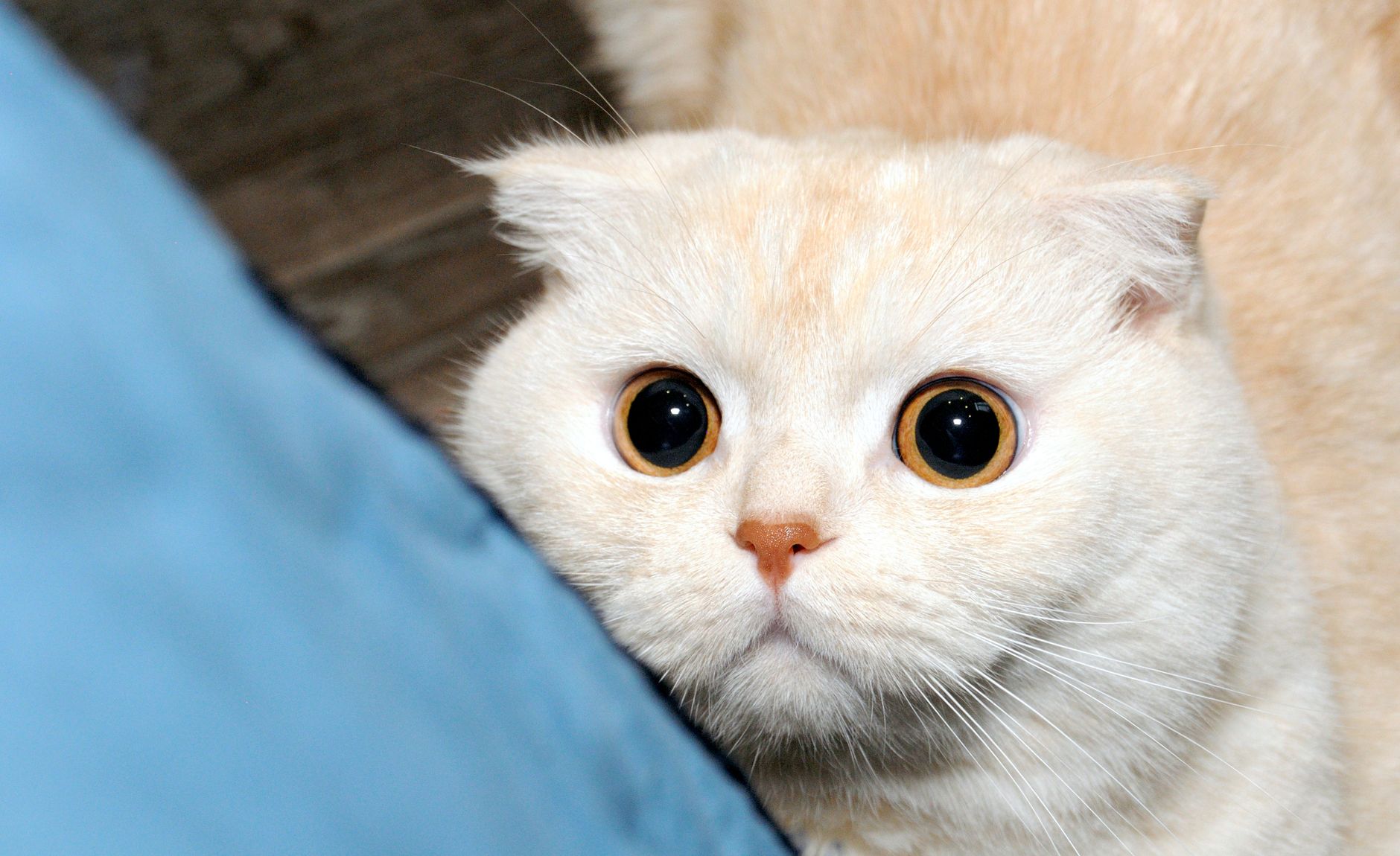
In my years treating feline patients, few breeds elicit as much immediate affection from my clients as the Scottish Fold. Those large, expressive eyes paired with tightly folded ears give them an almost toy-like, irresistible appeal.
But as a veterinarian, when I look at those folded ears, I see something much more serious. I see the outward manifestation of a systemic, inherited cartilage defect that impacts the cat’s entire skeleton.
I wrote this guide to share what I have learned from diagnosing and managing this complex condition in my clinical practice. My goal is to help you recognize the signs of pain early and create a proactive care plan for your beloved companion.
Key Takeaways
- Every single Scottish Fold with folded ears has osteochondrodysplasia (SFOCD); it is not a defect limited only to the ears.
- The condition causes progressive, lifelong joint degradation, leading to premature and painful arthritis.
- Symptom onset can occur as early as six months of age, though some cats do not show obvious signs until adulthood.
- A quiet, inactive, or unusually ‘mellow’ Scottish Fold is often a cat in silent, chronic orthopedic pain.
- A multimodal veterinary treatment plan—combining monoclonal antibodies, joint supplements, and environmental aids—is essential for pain management.
- Breeding two folded-ear cats together is highly unethical and leads to catastrophic, crippling skeletal deformities in kittens.
In This Article
- The Genetic Reality: What is Osteochondrodysplasia?
- Recognizing the Subtle Signs of Pain in Your Fold
- Homozygous vs. Heterozygous: The Genetics of Severity
- How Veterinarians Diagnose Scottish Fold OCD
- Modern Pain Management: Medical Options That Work
- Joint Supplements: Feeding the Cartilage
- Environmental Modifications: Creating a Pain-Free Home
- The Ethical Debate: The Veterinarian’s Perspective
The Genetic Reality: What is Osteochondrodysplasia?
To truly understand Scottish Fold health, we have to look closely at the gene responsible for their appearance. The fold in their ears is caused by a simple dominant gene mutation that disrupts the normal development of cartilage.
Because cartilage serves as the structural scaffolding for bones and joints, this defect is not isolated to the ear flaps. It is a systemic skeletal condition called Osteochondrodysplasia, or SFOCD for short.
In my clinical experience, many owners are shocked to learn that their cat’s ears are folded because the cartilage is too weak to support them. That same weakness exists in their ankles, wrists, knees, and spine.
This genetic reality means that every folded-ear cat lives with some degree of skeletal compromise.
- The TRPV4 gene mutation causes defective cartilage synthesis throughout the body.
- It leads to premature calcification and abnormal growth of bone and cartilage.
- The ears fold forward because the compromised cartilage cannot support the weight of the pinnae.
- All Scottish Folds with folded ears carry at least one copy of this mutated gene.
Recognizing the Subtle Signs of Pain in Your Fold
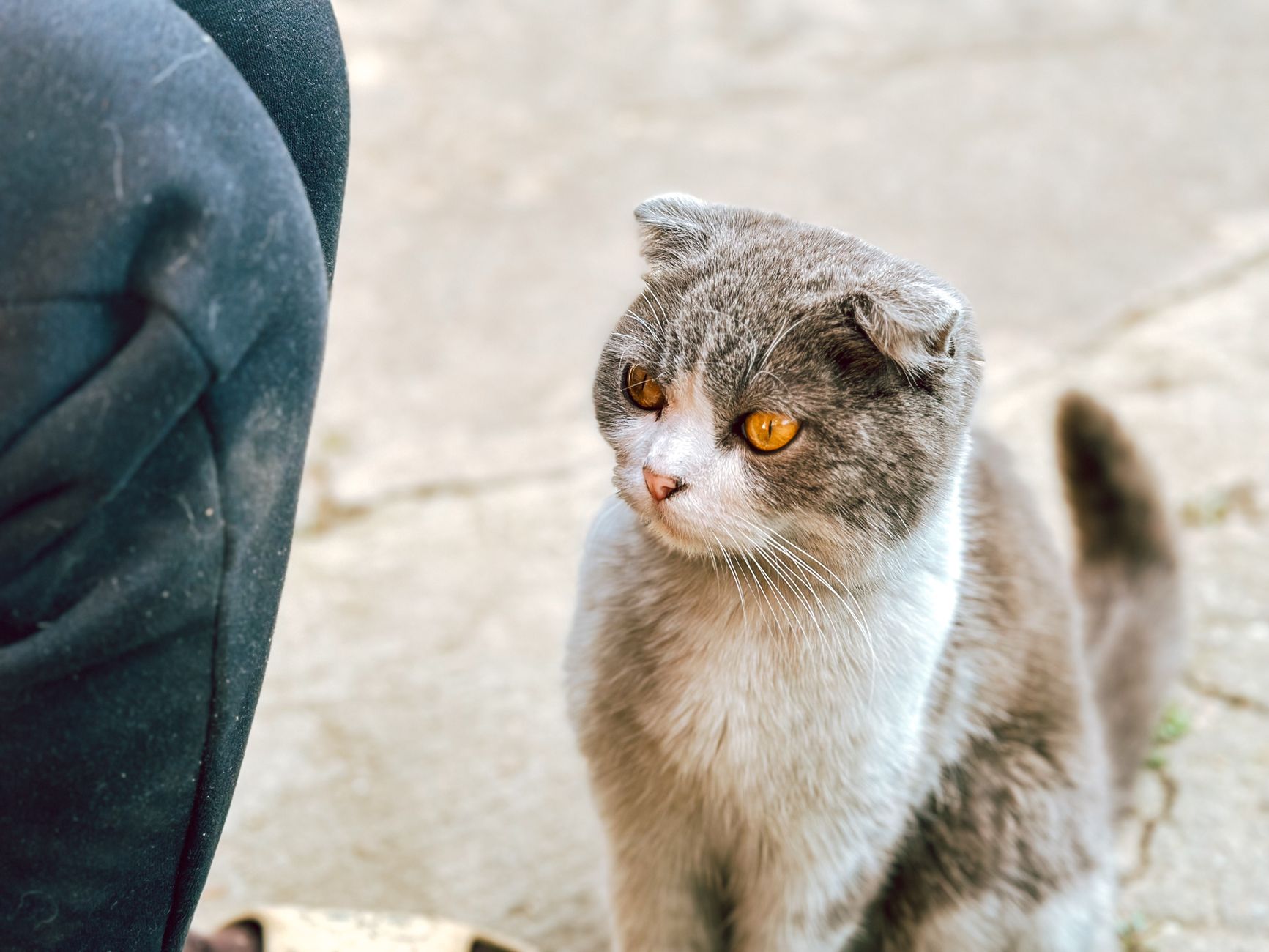
Cats are masters of hiding chronic pain, a survival instinct inherited from their wild ancestors. In my practice, I frequently hear owners describe their Scottish Fold as ‘extremely sweet, calm, and lazy.’
When I put these same cats on my exam table, I often find they are not lazy at all; they are hurting. They have learned that running, jumping, and playing cause physical distress, so they choose a sedentary lifestyle to cope.
I always tell my clients to look for very specific, subtle changes in their cat’s daily habits and physical posture. If you notice any of these signs, it is time for a comprehensive orthopedic evaluation.
- A stiff, stilted, or ‘bunny-hopping’ gait when walking or running.
- Reluctance or complete refusal to jump up onto elevated surfaces like couches or countertops.
- A short, thick, or completely inflexible tail that causes pain when gently manipulated.
- Sitting in a peculiar ‘Buddha’ position with their legs stretched straight out in front of them.
- Overgrown claws, which occur because the cat is not active enough to wear them down naturally.
- Irritability, vocalization, or flattening of the ears when you touch their lower back or hind legs.
Homozygous vs. Heterozygous: The Genetics of Severity
The severity of Scottish Fold Osteochondrodysplasia is heavily influenced by whether the cat is homozygous or heterozygous for the folded-ear gene. Homozygous cats (FD/FD) have inherited the mutation from both parents, while heterozygous cats (Fd/fd) inherited it from only one.
Homozygous Folds develop an incredibly severe, rapid, and debilitating form of the disease. In my clinic, I have seen homozygous kittens as young as six months old with fused ankle joints and extensive bony growths.
Heterozygous Folds also develop arthritis, but the progression is typically much slower and less dramatic. However, physical and radiological signs of joint disease will still eventually appear in these cats as they age.
- Homozygous Folds (FD/FD): Exhibit severe, early-onset lesions and crippling deformities by one year of age.
- Heterozygous Folds (Fd/fd): Develop milder joint changes that progress gradually throughout their life.
- Breeding Guidelines: Ethical breeders always cross a Scottish Fold with a straight-eared cat (like a British Shorthair) to prevent homozygous offspring.
- Skeletal Fusing: Regardless of genetics, exostoses (bony growths) are highly common in the hind limbs of both types.
How Veterinarians Diagnose Scottish Fold OCD
Confirming a diagnosis of SFOCD requires a combination of a thorough physical examination and diagnostic imaging. During an exam, I carefully palpate the cat’s limbs, checking for joint thickening, heat, and range of motion.
I look closely at the tail, assessing its length and flexibility, as a stiff tail is a classic marker of this disease. If I suspect skeletal abnormalities, I will recommend digital radiographs (X-rays).
On an X-ray, the damage caused by SFOCD is highly characteristic. We often see new bone formation, narrowed joint spaces, and irregular joint surfaces, particularly around the hock (ankle) and wrist joints.
- Palpation: Assessing for joint pain, crepitus (grating sensations), and restricted joint movement.
- Digital Radiography: The primary tool used to visualize bony growths, joint narrowing, and fusion.
- Genetic Testing: DNA tests can identify whether a cat is homozygous or heterozygous for the TRPV4 mutation.
- CT Scans: Used in complex cases to map severe bone deformities before considering orthopedic surgery.

Modern Pain Management: Medical Options That Work
Managing the chronic pain of SFOCD requires a lifelong commitment and a highly customized medical protocol. Fortunately, veterinary medicine has made incredible advancements in feline pain management over the last decade.
One of the most exciting breakthroughs I use in my practice is Solensia (Frunevetmab). This is a monthly, subcutaneous monoclonal antibody injection that specifically targets Nerve Growth Factor (NGF) to alleviate osteoarthritic pain.
We also utilize traditional therapies, though we must use them cautiously. Felines are highly sensitive to medications, and long-term use requires routine blood monitoring to protect their kidney and liver function.
- Solensia Injections: Highly effective, targeted therapy that neutralizes pain signals without placing stress on the kidneys or liver.
- Non-Steroidal Anti-Inflammatory Drugs (NSAIDs): Medications like Onsior (Robenacoxib) or Meloxicam used for short-term flare-ups.
- Gabapentin: An excellent daily oral medication that helps manage chronic neuropathic and orthopedic pain.
- Regular Blood Panels: Essential monitoring tools to ensure long-term medication use remains safe for your cat’s internal organs.

Joint Supplements: Feeding the Cartilage
While medication controls active pain, joint supplements work to support the remaining healthy cartilage and slow down joint degradation. I recommend starting joint support early in a Scottish Fold’s life, rather than waiting for obvious signs of limping.
Look for high-quality, veterinary-formulated supplements containing active ingredients with proven anti-inflammatory properties. Consistency is absolutely vital when administering these therapies.
In my practice, I have seen excellent results from combining oral supplements with disease-modifying osteoarthritis drugs (PSGAGs) like Adequan. These injectable therapies help stimulate cartilage repair and inhibit the enzymes that break down joint fluid.
- Omega-3 Fatty Acids (EPA/DHA): Powerful natural anti-inflammatories derived from wild-caught marine oils.
- Glucosamine and Chondroitin: Essential building blocks that help maintain cartilage structure and joint fluid viscosity.
- Green-Lipped Mussel (GLM): A rich source of glycosaminoglycans and omega-3s that clinically reduces joint pain in cats.
- Adequan Injections: A prescription injectable therapy that helps preserve cartilage and keep joints lubricated.
Environmental Modifications: Creating a Pain-Free Home
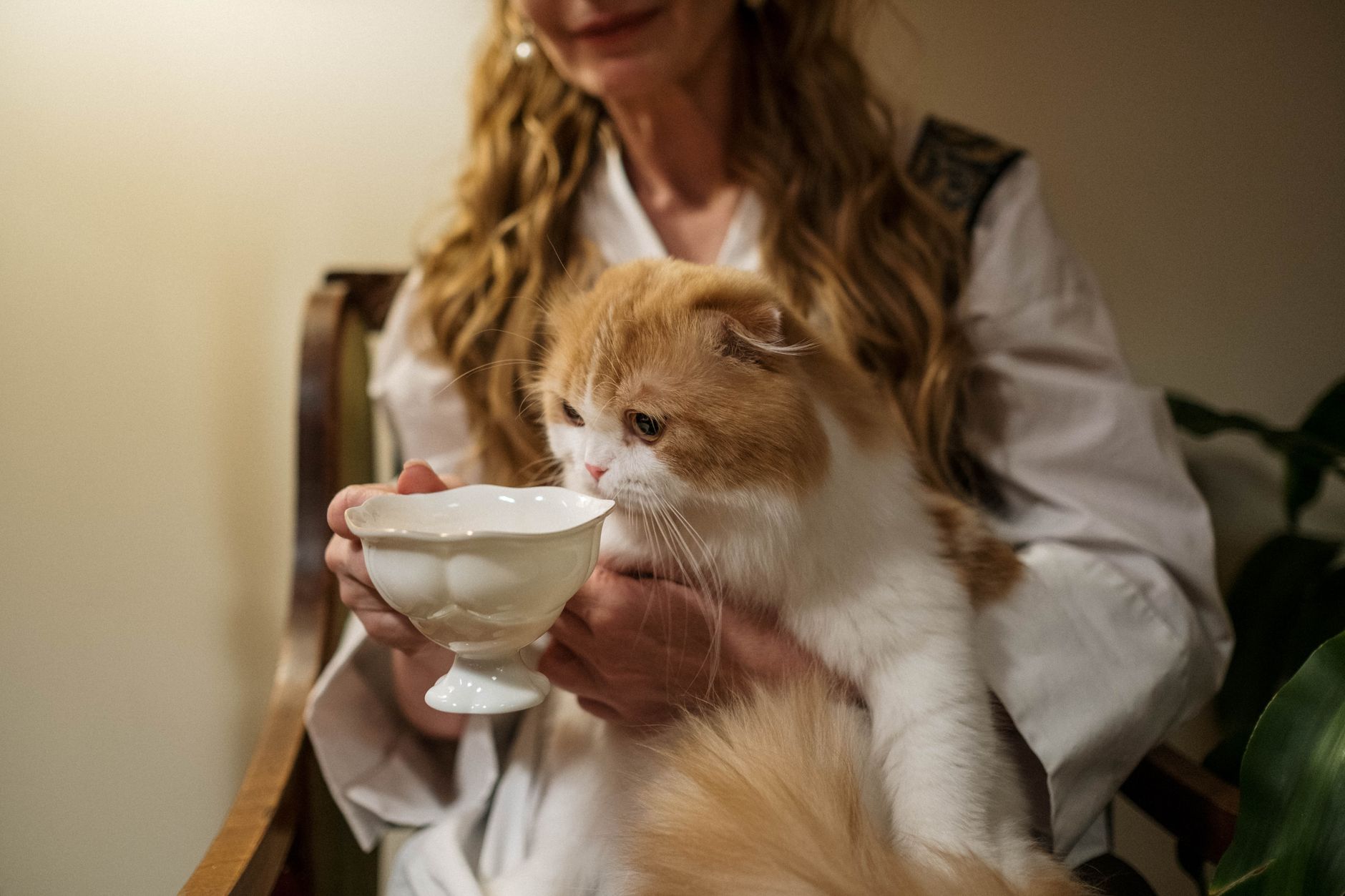
Beyond medications and supplements, you can vastly improve your Scottish Fold’s comfort by changing their physical environment. Imagine living with chronic, aching joints and having to jump three feet in the air just to use the bathroom or get a drink of water.
Simple, inexpensive adjustments around your home can reduce the daily physical stress placed on your cat’s fragile joints. My goal is to keep their favorite spots accessible without requiring them to jump or climb steeply.
I recommend evaluating your home from your cat’s point of view. Walk through each room and look for high thresholds, deep litter boxes, and slick flooring that could cause a painful slip.
- Low-Sided Litter Boxes: Swap deep boxes for senior-friendly pans with an entry height of three inches or less.
- Pet Ramps and Steps: Place soft ramps next to your bed, couch, or window sills so they can climb comfortably.
- Orthopedic Memory Foam Beds: Provide supportive, self-warming beds on the floor to cushion sore, aching joints.
- Nonslip Rugs and Runners: Cover slick hardwood or tile floors with runner rugs to prevent painful slipping and joint twisting.
The Ethical Debate: The Veterinarian’s Perspective
It is impossible to discuss Scottish Fold health without addressing the profound ethical debate surrounding the breed. Many major veterinary associations worldwide, including the British Veterinary Association, have called for a ban on breeding folded-ear cats.
This is because breeding Scottish Folds knowingly propagates a painful, genetic deformity for the sake of human cosmetic preference. Even with careful breeding practices (crossing a Fold with a Straight), we are still producing cats that will suffer from cartilage disease to some degree.
As a veterinarian, my primary oath is to prevent animal suffering. If you already own a Scottish Fold, my role is to help you provide the most comfortable life possible.
However, I strongly discourage clients from purchasing new Scottish Fold kittens from breeders.
- Systemic Defect: The gene that creates the cute folded ear is the exact same gene that causes skeletal deformities.
- Global Registry Bans: Several international cat registries refuse to register Scottish Folds due to welfare concerns.
- Adoption Advocacy: If you love the breed’s personality, look for Scottish Folds in shelters or breed-specific rescues instead of buying from breeders.
- The Straight-Eared Alternative: Scottish Straights (kittens from Fold litters without the folded ears) have normal cartilage and do not suffer from SFOCD.
Frequently Asked Questions
Do all Scottish Fold cats get arthritis?
Yes, all Scottish Fold cats with folded ears will develop some degree of arthritis during their lives. Because the genetic mutation that causes the folded ears affects all cartilage in the body, joint degradation is a direct, unavoidable consequence of their physical structure.
Can Scottish Fold Osteochondrodysplasia be cured?
There is currently no cure for Scottish Fold Osteochondrodysplasia. Because it is a genetic skeletal mutation, the condition cannot be reversed; veterinary care focuses entirely on managing pain, slowing joint degeneration, and maintaining a high quality of life.
At what age do Scottish Folds start showing signs of joint pain?
While homozygous cats can show severe signs of joint pain and skeletal deformities as early as 6 months of age, heterozygous cats typically begin showing more subtle signs of discomfort, stiffness, or reluctance to jump between 2 and 6 years of age.
What is the life expectancy of a Scottish Fold cat?
With proper pain management, a supportive home environment, and routine veterinary care, a Scottish Fold can live a normal feline lifespan of 11 to 15 years. However, their quality of life can be severely compromised if their chronic joint pain is left unmanaged.
Are Scottish Straight cats affected by this cartilage condition?
No, Scottish Straight cats do not carry the mutated TRPV4 gene responsible for the cartilage defect. Because their ears are straight, their cartilage develops normally, and they are not predisposed to the early-onset, severe skeletal disease that affects folded-ear Folds.
Sources & Further Reading
- American Veterinary Medical Association (AVMA)
- International Cat Care
- Cornell University College of Veterinary Medicine
- PetMD
Final Thoughts
Caring for a Scottish Fold is a journey that requires deep empathy, vigilant observation, and a proactive veterinary partnership. While the genetic reality of Osteochondrodysplasia is undeniably challenging, it does not mean your cat cannot live a happy, comfortable, and fulfilling life.
By recognizing the subtle signs of pain, utilizing modern medical therapies like Solensia, and modifying their home environment, you can protect your Fold from the worst effects of this condition. If you notice your cat slowing down, resting more, or hesitating before a jump, please schedule an appointment with your veterinarian.
Together, we can build a comprehensive care plan that keeps your companion comfortable, mobile, and purring for years to come.