
Soft Coated Wheaten Terrier Breed Guide

Quick Summary
The Soft Coated Wheaten Terrier is a joyful, energetic Irish farm dog whose soft, single-layered coat requires dedicated daily grooming. Renowned for their bouncy ‘Wheaten greetin’,’ they are highly affectionate family companions but require proactive, positive socialization to manage their high-drive terrier instincts. They are ideal for active households prepared for both daily mental stimulation and a lifelong commitment to coat maintenance.
Quick Facts
- origin countryIreland
- breed groupTerrier
- sizeMedium
- weight range30 to 40 pounds
- height range17 to 19 inches
- lifespan12 to 15 years
- coat typeSingle-coated, soft, silky, and wavy
- common colorsWheaten (ranging from pale beige to warm gold)
- other namesSoftcoated Wheaten Terrier, Irish Soft Coated Wheaten Terrier, Wheaten
- recognized byAKC, UKC, KC, FCI
Caring for a Soft Coated Wheaten Terrier
Living with a Wheaten means embracing the famous ‘Wheaten Greetin’—a bouncy, vertical jump of pure joy when you walk through the door. In my clinical experience, managing their energy requires at least 60 minutes of daily structured exercise alongside consistent boundary-setting to keep their terrier stubbornness in check. Their single coat acts like a Velcro magnet for debris, meaning post-walk paw and coat checks are a daily ritual in my house calls. If you cannot commit to daily brushing and a lifetime of positive-reinforcement training, this breed’s high-maintenance nature may overwhelm you.
Is a Soft Coated Wheaten Terrier a good family pet?
Absolutely, as they are incredibly affectionate and thrive on human companionship. However, their bouncy nature can easily knock over toddlers, so I always advise supervising interactions and training a solid ‘off’ command early.
Do Soft Coated Wheaten Terriers shed a lot?
No, they are a single-coated breed that doesn’t shed in the traditional sense, making them popular for allergy sufferers. However, their hair grows continuously and mats incredibly easily, requiring daily combing to the skin to prevent painful pelting.
Is a Soft Coated Wheaten Terrier good for first-time owners?
They can be, but they present a steep learning curve due to their grooming needs and classic terrier independence. First-time owners must be fully committed to positive reinforcement training and establishing professional grooming relationships immediately.
Temperament & Personality
Wheaten Terriers are the clowns of the terrier world, possessing a softer, less aggressive temperament than many of their working cousins. They are intensely social, deeply affectionate, and retain a puppy-like exuberance well into their senior years. That said, they possess a strong prey drive and an independent streak that requires early, structured socialization to prevent reactivity. I often see them in my clinic bouncing with excitement, demanding attention from every staff member they meet.
Is a Soft Coated Wheaten Terrier good with other pets?
They can co-exist beautifully with other dogs if socialized early, but they do possess a moderate to high prey drive. I always caution owners about keeping them around small pocket pets or cats, as the instinct to chase is deeply hardwired.
How much attention does a Soft Coated Wheaten Terrier need?
They are highly social ‘people dogs’ who do not tolerate being left alone in a backyard for long periods. Without regular human interaction and mental stimulation, they quickly develop separation anxiety and destructive chewing habits.
Training & Behavior
Wheaten training requires a soft hand but firm boundaries; they do not respond well to harsh corrections, which can cause them to shut down. In my practice, I find that reward-based training using high-value treats and play is the only way to channel their active minds. They are intelligent but easily distracted, so keeping training sessions short (5-10 minutes) and highly engaging is key.
Training Tips
- Start crate training early to manage adolescent energy.
- Use high-value rewards like freeze-dried liver to combat distractions.
- Train a reliable ‘settle’ and ‘off’ command from day one.
- Focus heavily on loose-leash training to counter their natural pulling instinct.
- Expose them to novel sights, sounds, and surfaces before 16 weeks.
Fun Activities
- Agility trials
- Barn hunt competitions
- Scent work training
- Therapy dog work
- Flyball
- Advanced trick training
Is a Soft Coated Wheaten Terrier easy to train?
They are highly intelligent and capable of learning complex tasks, but their independent terrier nature means they aren’t eager to please just for the sake of it. Consistency, patience, and a sense of humor are mandatory for success.
Soft Coated Wheaten Terrier Health Issues
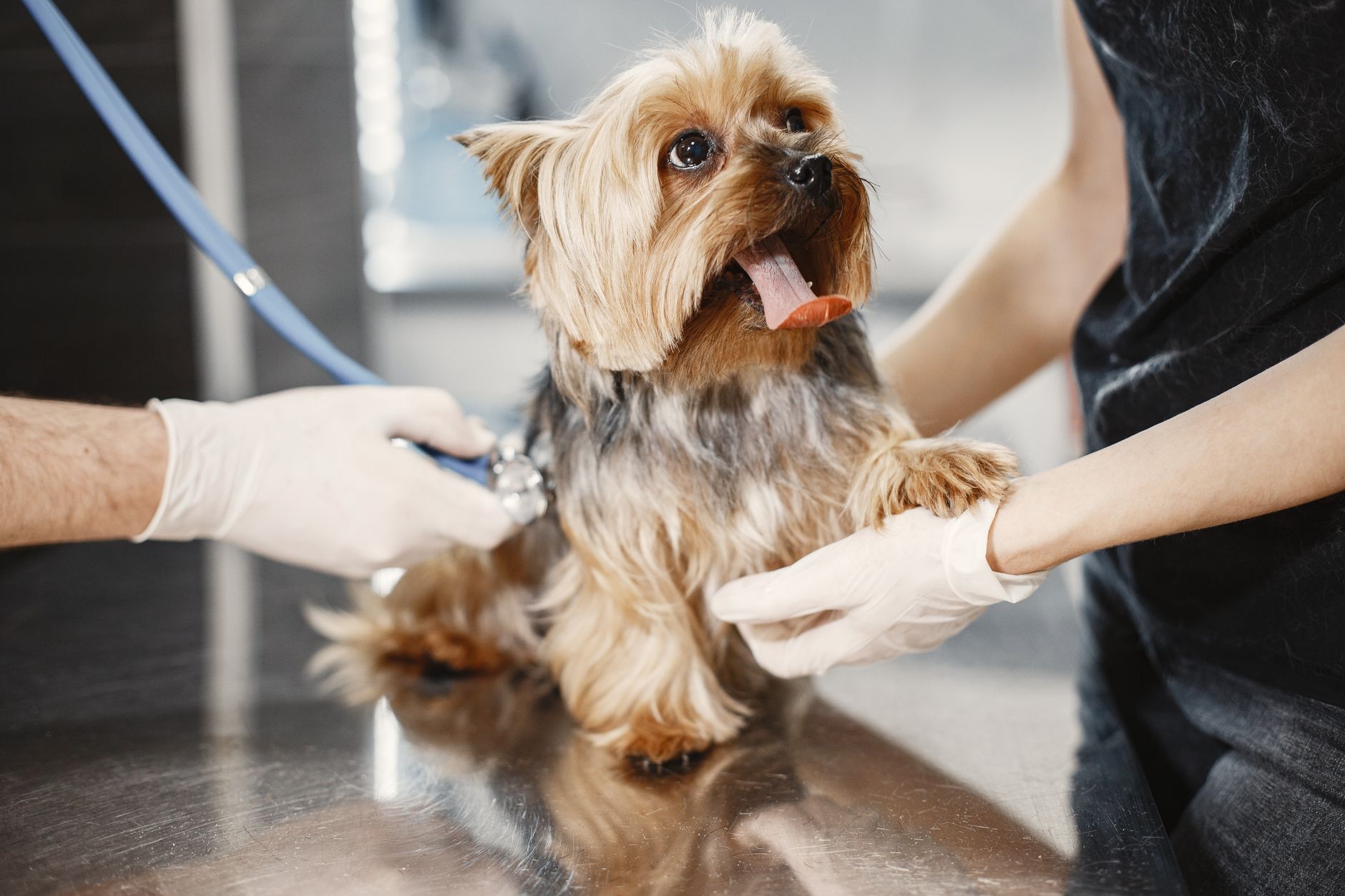
While generally robust, Wheatens are genetically predisposed to several serious, heritable conditions that require vigilant veterinary screening. I cannot emphasize enough the importance of buying from breeders who perform DNA testing and annual blood/urine screenings on their breeding stock.
Protein-Losing Enteropathy (PLE)
A serious genetic condition where the dog loses crucial proteins through their gastrointestinal tract, leading to severe malnutrition and fluid accumulation.
Protein-Losing Nephropathy (PLN)
A progressive disease where proteins leak through the kidneys’ filtration system, eventually leading to chronic kidney failure.
Renal Dysplasia (RD)
An inherited developmental defect where the kidneys do not mature properly from birth, limiting their filtration capacity.
Inflammatory Bowel Disease (IBD)
Chronic inflammation of the intestinal walls that disrupts nutrient absorption, frequently linked with PLE in this breed.
Canine Hip Dysplasia (CHD)
A skeletal condition where the hip joint’s ball and socket do not fit together smoothly, causing painful arthritis over time.
Progressive Retinal Atrophy (PRA)
A degenerative eye disease that causes gradual, bilateral blindness, starting with night blindness.
How long do Soft Coated Wheaten Terriers typically live?
The average lifespan of a healthy Wheaten is 12 to 15 years. Regular annual blood panels and urinalyses starting around age two are vital for detecting early-stage PLN or PLE, which drastically improves prognosis.
What to Feed a Soft Coated Wheaten Terrier
Because Wheatens are prone to protein-losing conditions and food sensitivities, their diet must be chosen with extreme care. In my practice, I recommend a high-quality, easily digestible diet with moderate protein and fat levels.
Best Diet
An age-appropriate, grain-inclusive commercial diet from a reputable manufacturer that meets WSAVA guidelines. If food sensitivities or IBD arise, your vet may recommend a hydrolyzed protein or novel protein therapeutic diet.
How to Feed
Split their daily food into two distinct meals rather than free-feeding to monitor their appetite closely. Appetite loss is often the very first clinical sign of underlying renal or gastrointestinal distress in this breed.
How Much to Feed
Generally, an adult Wheaten requires between 1.5 to 2.5 cups of high-quality kibble daily, depending on their weight and activity level. Always consult your veterinarian to calculate exact caloric needs, especially since maintaining a lean body condition protects their joints.
Nutritional Tips
Avoid high-fat table scraps as Wheatens are highly sensitive to pancreatitis. Keep calcium-to-phosphorus ratios tightly controlled in growing puppies to prevent orthopedic issues.
Soft Coated Wheaten Terrier Grooming Guide
The Wheaten coat is single-layered and does not shed, but it is incredibly high-maintenance and prone to matting. To keep their coat healthy and pain-free, you must commit to a strict daily grooming routine.
Coat Care
Line-brush and comb the coat down to the skin daily using a high-quality slicker brush and a steel greyhound comb. Pay extra attention to high-friction areas like the armpits, behind the ears, and the beard.
Skin Care
Because they are prone to atopic dermatitis, use a soap-free, soothing oatmeal shampoo during monthly baths. Always dry the coat thoroughly, as trapped moisture can quickly lead to painful hot spots.
Eye Care
Trimming the ‘fall’ (the hair over their eyes) regularly prevents mechanical irritation to the cornea and keeps their field of vision clear.
Ear Care
Their floppy, hairy ears trap moisture and debris, making them prone to yeast infections. Pluck or trim inner ear hair as recommended by your vet, and clean weekly with a drying ear solution.
Nail & Dental Care
Trim nails every 3 to 4 weeks to prevent splaying of the paws, and brush their teeth daily with dog-safe enzymatic toothpaste to stave off periodontal disease.
Considerations for Pet Parents
Pros
- Virtually non-shedding coat
- Incredibly affectionate and family-friendly
- Playful, puppy-like energy throughout life
- Less dog-aggressive than other terrier breeds
- Highly adaptable to active apartments or houses with yards
- Excellent watchdog without excessive barking
Cons
- Extremely high daily grooming requirements
- Prone to severe genetic health conditions (PLN/PLE)
- Famous ‘Wheaten Greetin’ can be too pushy/bouncy
- High prey drive around small animals
- Stubborn and independent training streaks
Best For
Active, committed families or individuals who have at least 30 minutes a day to dedicate to grooming and another hour for structured exercise. They thrive with owners who appreciate a goofy, high-energy companion and can commit to lifetime positive-reinforcement training.
Not Recommended For
Sedentary households, owners who are frequently away for long workdays, or those who cannot afford professional grooming or potential chronic veterinary care for genetic conditions. Families with very fragile toddlers may also find their bouncy nature overwhelming.
Cost
- purchase price$1,500 – $3,000 USD
- monthly cost$150 – $250 USD
- initial setupExpect to spend $800 to $1,500 initially on high-quality grooming tools, a heavy-duty crate, puppy vaccines, and spay/neuter surgery.
Similar Breeds

Related Dog Guides
Soft Coated Wheaten Terrier FAQs
Are Soft Coated Wheaten Terriers hypoallergenic?
While no dog is truly 100% hypoallergenic, Wheatens are single-coated and do not shed dander-laden hair like double-coated breeds. This makes them a much better choice for allergy sufferers, though you should still spend time around the breed before committing.
What is the ‘Wheaten Greetin’?’
This is the breed’s signature welcome, involving jumping up, spinning, and attempting to lick your face with sheer, bouncy enthusiasm. While endearing, it must be managed through consistent training to prevent them from knocking over guests or children.
At what age do Wheaten Terriers calm down?
Typically, Wheatens begin to settle around 2 to 3 years of age, transitioning from frantic puppy energy to a more manageable adult rhythm. However, they retain a playful, bouncy, puppy-like zest for life well into their senior years.
Do Wheaten Terriers bark a lot?
Unlike many other terrier breeds, Wheatens are not notorious nuisance barkers. They will certainly alert you to someone at the door or an intruder in the yard, but they generally do not bark continuously without cause.
Can Wheaten Terriers be left alone for 8 hours?
I highly advise against this, as they are a deeply social breed prone to separation anxiety. If left alone for long stretches, they can become highly destructive, bark excessively, or experience severe emotional distress.
How often do they need to go to the professional groomer?
Even with diligent daily home brushing, a Wheaten needs professional grooming every 4 to 6 weeks. This includes a bath, blow-out, ear plucking, and a precise breed-standard clip or scissor cut.
Are they prone to allergies?
Yes, skin allergies (atopic dermatitis) and food sensitivities are very common clinical complaints in my practice. They often react to environmental pollens, fleas, or specific food proteins, requiring veterinary-guided management.
Do Wheatens like water and swimming?
It varies by individual, but many Wheatens enjoy water, especially if introduced to it gently during puppyhood. However, their heavy single coat absorbing water can weigh them down, so life jackets are recommended.
How do I prevent PLE and PLN in my Wheaten?
These are genetic conditions, so prevention starts with choosing a breeder who screens their dogs. For your pet, I recommend annual blood chemistry panels and a urinalysis (specifically checking for microalbuminuria) starting at age two.
Are Wheaten Terriers easy to housebreak?
They are moderately easy to housebreak, though they can be distracted easily. Using a consistent schedule, positive reinforcement, and crate training will yield the best results within a few weeks.
Why does my Wheaten’s coat color look different from a puppy to an adult?
Wheaten puppies are actually born dark brown or reddish-black and gradually lighten to their signature warm wheaten color by the time they reach two years of age. This coat transition is a normal, fascinating genetic trait.
What are the differences between the Irish and American coat types?
The Irish coat is shinier, silkier, and tends to be wavy and thinner, adhering closer to the original working dog standard. The American coat is much thicker, fluffier, and heavier, requiring even more intensive daily brushing.
Is a fence necessary for a Wheaten Terrier?
Yes, a secure, physical fence is highly recommended. Because of their strong terrier prey drive, they will readily bolt after squirrels, rabbits, or cars, making electronic underground fences highly unreliable and unsafe.
Sources & Further Reading
- American Kennel Club (AKC)
- Merck Veterinary Manual
- American Veterinary Medical Association (AVMA)
- PetMD