
Sloughi Breed Guide

Quick Summary
The Sloughi is an ancient, noble North African sighthound characterized by its striking elegance, quiet indoor demeanor, and explosive outdoor speed. Ideal for experienced owners who appreciate an independent, cat-like companion, this breed requires secure running areas and a gentle hand. In my clinical practice, I find they are incredibly clean and loyal, but their sensitive natures and strong hunting instincts require a dedicated commitment to proper care.
Quick Facts
- origin countryMorocco
- breed groupHound (Sighthound)
- sizeLarge
- weight range35 to 65 pounds
- height range24 to 29 inches
- lifespan12 to 15 years
- coat typeShort, fine, and dense
- common colorsAll shades of light sand to red-fawn, with or without a black mask, black brindling, or black mantle
- other namesArabian Greyhound, Sloughi Moghrebi
- recognized byAKC, FCI, UKC
Caring for a Sloughi
Living with a Sloughi is like sharing your home with a piece of living history; they are incredibly clean, quiet, and cat-like indoors. However, their athletic needs are non-negotiable, requiring daily opportunities to run at full sprint in a safely enclosed area. I advise owners that their thin skin and low body fat mean they feel the cold intensely, making high-quality winter coats essential. Because of their intense prey drive, they must never be let off-leash in unsecured areas, as no amount of training will override their urge to chase.
Is a Sloughi a good family pet?
Yes, they can be wonderful, gentle companions for quiet, respectful families. However, they are highly sensitive and tend to bond intensely with one or two family members, often remaining polite but aloof with visitors.
Do Sloughis shed a lot?
No, they are very low-maintenance shedders. Their short, single coat lacks an undercoat, meaning a weekly brush with a rubber curry glove is usually all that is needed to keep loose hair at bay.
Is a Sloughi good for first-time owners?
Generally, no. Their combination of extreme independence, intense sighthound prey drive, and sensitive nature makes them a challenge for novices who might mistake their aloofness for stubbornness.
Temperament & Personality

The Sloughi possesses a dual personality: explosive, focused speed outdoors, and calm, noble serenity indoors. They are fiercely loyal to their immediate human pack but distinctly aloof, almost aristocratic, around strangers. In my practice, I find they do not tolerate harsh handling; they are sensitive souls who respond best to gentle, positive reinforcement. Their independence is a defining trait, meaning they will cooperate with you rather than live to please you.
Is a Sloughi good with other pets?
They can coexist beautifully with other dogs of similar size, but their ancient, finely tuned hunting instincts make them highly dangerous to small pets, cats, or pocket pets.
How much attention does a Sloughi need?
They need to be near their family and do not thrive if relegated to an outdoor kennel. While they don’t demand constant physical attention, they require close emotional connection and proximity to their owners.
Training & Behavior
Training a Sloughi requires a shift in mindset; you are partnering with an independent hunter, not commanding an eager-to-please working breed. They learn quickly but will ignore commands if they find them repetitive or if a high-value target appears on the horizon. In my clinical experience, early socialization is critical to prevent their natural aloofness from hardening into fear-based reactivity.
Training Tips
- Use positive reinforcement with high-value treats like freeze-dried liver
- Keep training sessions short, varied, and under 10 minutes to maintain interest
- Focus heavily on early, positive socialization with diverse people and environments
- Never use physical corrections or harsh tones, which will cause them to shut down
- Accept that a reliable off-leash recall is highly unlikely outdoors
Fun Activities
- Lure coursing
- Sighthound oval track racing
- Agility training
- Canicross (with proper harness)
- Free running in securely fenced dog parks
Is a Sloughi easy to train?
They are highly intelligent and grasp concepts rapidly, but they are not easy to train in the traditional sense due to their independent nature. Success relies on building a relationship of mutual respect rather than relying on drill-style commands.
Sloughi Health Issues
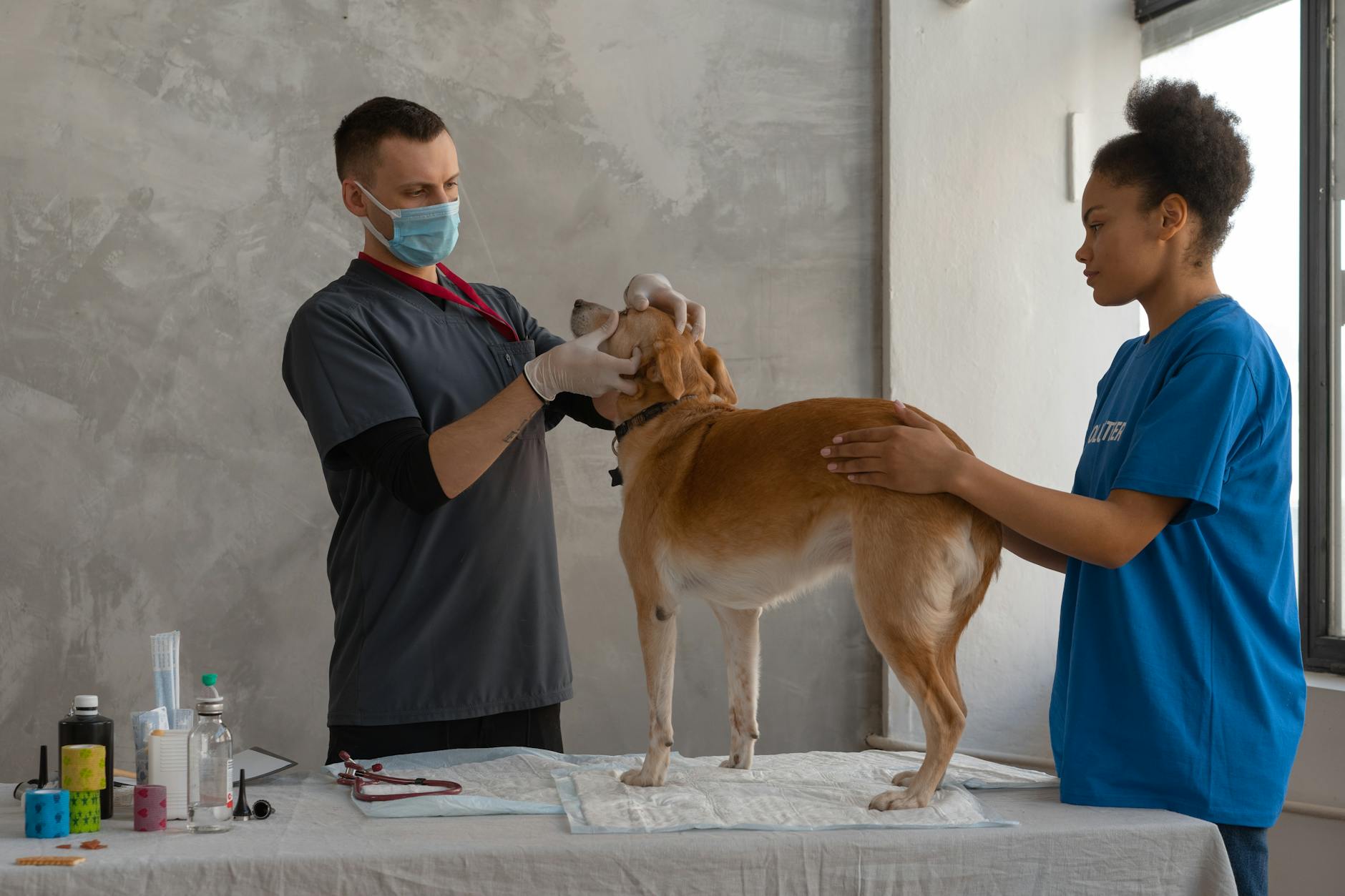
As a primitive breed shaped by harsh desert environments, the Sloughi is remarkably robust and free from many of the genetic bottlenecks plaguing other modern breeds. However, their unique sighthound physiology introduces specific clinical considerations, particularly regarding anesthesia sensitivity and conformation-related risks.
Progressive Retinal Atrophy (rcd1-PRA)
An inherited degenerative eye disease that specifically targets the photoreceptor cells of the retina, eventually leading to complete blindness. Fortunately, a reliable genetic test exists to screen potential parents.
Anesthesia Sensitivity
Due to their exceptionally low body fat percentage and unique liver metabolism, Sloughis process anesthetics and sedatives much slower than other breeds, increasing the risk of hypothermia and drug overdose.
Gastric Dilation-Volvulus (Bloat)
Their deep, narrow chest conformation puts them at elevated risk for bloat, where the stomach fills with gas and twists on its axis, cutting off blood supply. This is a life-threatening medical emergency.
Hypothermia and Cold Stress
With a thin skin barrier, single coat, and minimal adipose tissue, Sloughis cannot regulate their body temperature well in cold or damp climates.
Sighthound Hematology Variations
Sloughis normally have higher red blood cell counts (packed cell volume) and lower platelets and white blood cells than typical dogs, which can be misdiagnosed as pathology by veterinarians unfamiliar with the breed.
How long do Sloughis typically live?
The average lifespan of a Sloughi is between 12 and 15 years. This is impressively long for a breed of their size, a testament to their evolutionary development as a functional, working desert hound.
What to Feed a Sloughi
Feeding a Sloughi requires understanding their high-energy, athletic nature and their unique sighthound metabolism. They are naturally lean, and owners often mistakenly overfeed them, thinking they look underweight when they are actually at a perfect body condition score.
Best Diet
A high-quality, nutrient-dense diet rich in animal proteins and healthy fats is ideal. Large-breed formulas or active-dog diets work well, provided they are tailored to their life stage (puppy, adult, or senior).
How to Feed
To mitigate the risk of bloat, split their daily ration into two or three smaller meals rather than one large feeding. Avoid using elevated bowls unless specifically recommended by your vet, and restrict vigorous exercise for at least an hour before and after meals.
How Much to Feed
Typically, an adult Sloughi requires between 2 to 3.5 cups of high-quality kibble daily, depending on their weight and activity level. Always consult your vet to perform a precise caloric calculation and monitor their body condition score.
Nutritional Tips
Adding joint supplements like glucosamine and chondroitin, along with Omega-3 fatty acids, supports their highly active joints and keeps their thin skin and coat healthy.
Sloughi Grooming Guide
Grooming a Sloughi is incredibly straightforward and takes very little time. Their short, single coat does not trap odors, and they tend to keep themselves clean in a manner similar to cats.
Coat Care
Brush them once a week with a soft bristle brush or a rubber grooming mitt to remove loose hairs. They only require baths a few times a year, or when they get exceptionally muddy.
Skin Care
Because their skin is thin and easily scraped, inspect them daily after outdoor runs for cuts, scrapes, or ticks. Use a vet-approved moisturizer if their skin dries out during winter.
Eye Care
Wipe the corners of the eyes with a damp, soft cloth if any minor discharge accumulates; check regularly for any signs of cloudiness.
Ear Care
Clean their drop ears bi-weekly with a gentle, vet-approved ear cleaner to prevent moisture buildup and wax accumulation, which can lead to otitis externa.
Nail & Dental Care
Keep their nails trimmed very short to prevent painful splitting during high-speed runs, and brush their teeth daily to combat periodontal disease.
Considerations for Pet Parents
Pros
- Extremely quiet, clean, and calm indoors
- Very low grooming and coat maintenance needs
- Deeply loyal, affectionate, and protective of family
- Excellent, athletic partners for hiking and lure coursing
- Remarkably healthy breed with a long lifespan
- Fascinating, ancient history and elegant appearance
Cons
- Extremely high prey drive; unsafe off-leash in open areas
- Aloof and highly reserved with strangers
- Sensitive to cold and wet weather
- Can be stubborn and independent during training
- Requires a highly secure yard with a fence of at least 6 feet
Best For
An active, experienced dog owner living in a home with a large, securely fenced yard who understands sighthound temperament and appreciates a quiet, highly loyal companion.
Not Recommended For
First-time dog owners, apartment dwellers without access to safely enclosed running areas, or households with outdoor cats or small free-roaming pets.
Cost
- purchase price$1,500 – $2,500
- monthly cost$100 – $200
- initial setupExpect to invest in a high-quality winter coat, a martingale collar (standard collars easily slip off their narrow heads), and secure 6-foot fencing.
Similar Breeds
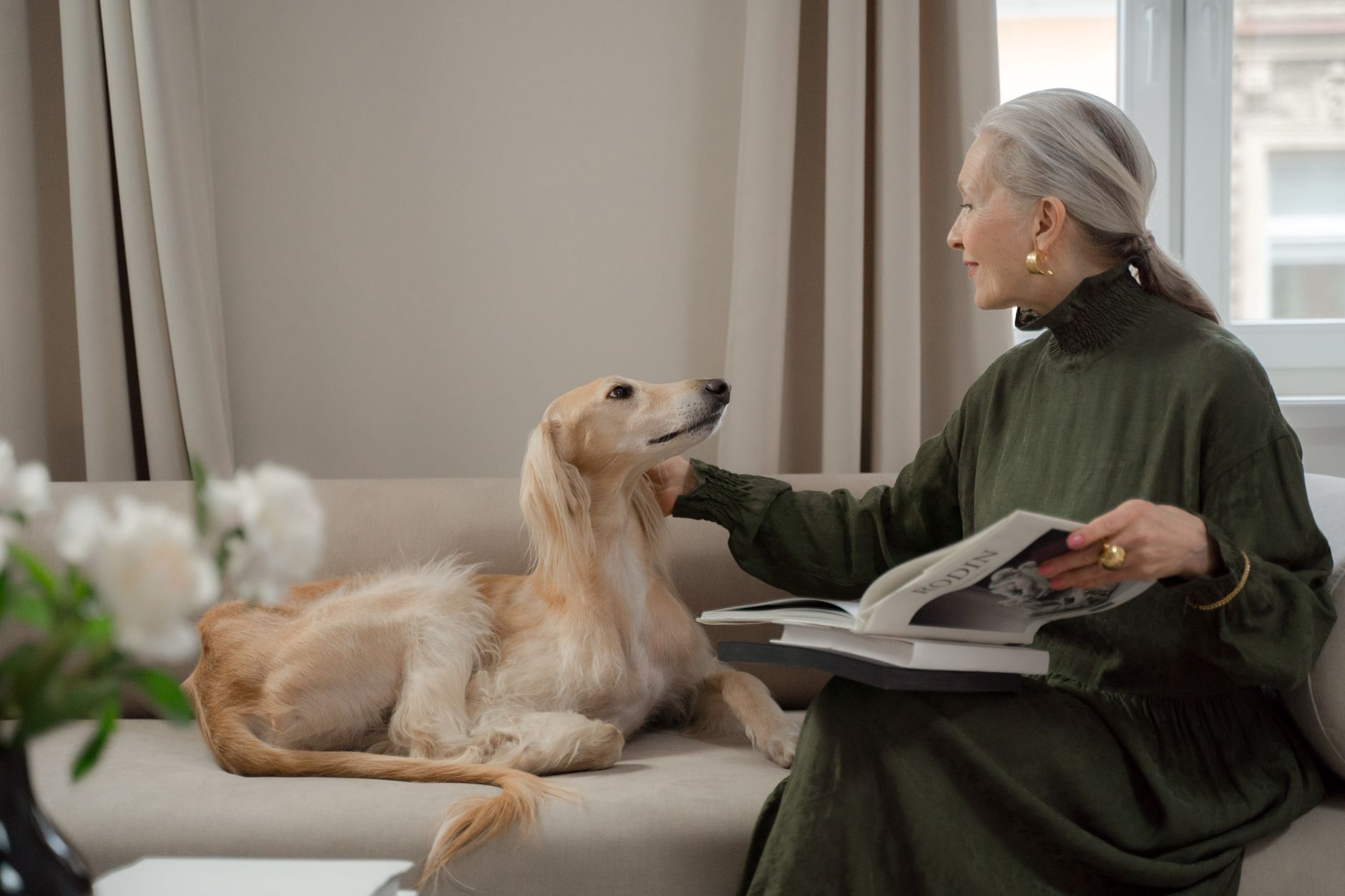
Saluki
Greyhound
Related Dog Guides
Sloughi FAQs
Are Sloughis hypoallergenic?
No, Sloughis are not hypoallergenic. While they are very low shedders and have a single coat with no undercoat, they still produce dander and saliva which can trigger allergies in sensitive individuals.
Why does my Sloughi look so skinny? Are they underweight?
Sloughis are naturally lean sighthounds with very low body fat. At a healthy weight, you should easily feel their ribs and see the outline of the last three ribs, along with prominent hip bones. Always consult your vet to evaluate their body condition score (BCS) before increasing their food.
Can a Sloughi live in an apartment?
While they are quiet and calm indoors, apartment living is generally not recommended unless you are highly dedicated to providing daily, secure off-leash sprint exercise in a safely fenced area. They cannot be exercised off-leash in open city parks.
Do Sloughis bark a lot?
No, they are exceptionally quiet dogs. They rarely bark unless they perceive a direct threat or a stranger approaching their territory, making them excellent watchdogs but poor nuisance barkers.
What is the difference between a Sloughi and a Saluki?
While both are ancient desert sighthounds, the Saluki originates from the Middle East and often features long, silky feathering on its ears and tail. The Sloughi originates from North Africa and always has a completely smooth, short coat, with a sturdier, slightly more muscular build.
How high can a Sloughi jump?
A Sloughi can easily clear a 5-foot fence from a standstill. For this reason, I advise that any yard they are kept in must be secured with a solid fence at least 6 feet high.
Are they prone to separation anxiety?
Yes, because they bond so deeply and exclusively to their human family, they can develop separation anxiety if left alone for long periods. They thrive best in households where someone is home most of the day.
What kind of collar does a Sloughi need?
You must use a wide martingale collar or a sighthound-specific collar. Their heads are narrower than their necks, meaning they can easily slip out of standard buckle or snap collars when backed up.
Can they tolerate hot weather?
Yes, having evolved in the North African deserts, they tolerate heat remarkably well. However, they still require shade, fresh water, and protection from midday sun during extreme summer heat.
Are Sloughis aggressive?
They are not naturally aggressive, but they are highly aloof and suspicious of strangers. Without early and thorough socialization, this aloofness can manifest as extreme shyness or defensive reactivity.
Are they good watchdogs?
Yes. Unlike many other sighthounds who are entirely indifferent, the Sloughi has a historic guarding instinct and is highly alert and protective of its home and family.
How much daily exercise does a Sloughi need?
They need at least 1 to 2 hours of daily exercise. This should include a brisk walk combined with a chance to run at full speed inside a large, securely fenced area at least a few times a week.
Is the Sloughi recognized by the AKC?
Yes, the Sloughi was officially recognized by the American Kennel Club (AKC) in the Hound Group in 2016.