
Plott Hound Breed Guide

Quick Summary
As a veterinarian, I often tell prospective owners that the Plott Hound is a rugged, fiercely loyal, and highly athletic scenthound built for extreme endurance. In my clinical experience, this breed thrives best with highly active, experienced owners who can channel their intense drive into structured outdoor work, rather than a sedentary suburban lifestyle.
As an Amazon Associate, we earn from qualifying purchases.
Popular with Plott Hound owners: Omega-3 Fish Oil · Orthopedic Dog Bed · Training Treats
Quick Facts
- origin countryUnited States
- breed groupHound
- sizeLarge
- weight range45 to 60 pounds (females), 50 to 75 pounds (males)
- height range20 to 23 inches (females), 20 to 25 inches (males)
- lifespan12 to 14 years
- coat typeShort, smooth, medium-coarse, single coat
- common colorsAny shade of brindle (yellow, red, tan, brown, black, grey, blue), solid black, or buckskin
- other namesPlott, Plott Music
- recognized byAKC, UKC
Caring for a Plott Hound
What I see most often in practice is a Plott Hound that has become destructive simply because its owner underestimated its exercise needs. Living with this breed requires a strict daily routine of 60 to 90 minutes of vigorous physical activity, along with a securely fenced yard to contain their powerful nose. They are incredibly affectionate and loyal pack members, but they maintain an independent streak that demands clear, consistent boundaries.
Is a Plott Hound a good family pet?
Yes, for highly active families. They are incredibly loyal and protective, but their high energy and prey drive mean they are best suited for households with older children who understand dog boundaries.
Do Plott Hounds shed a lot?
They are moderate shedders. Their short, single coat only requires weekly brushing to remove loose hair, though you will notice heavier shedding during seasonal transitions in spring and fall.
Is a Plott Hound good for first-time owners?
Generally, no. Their strong-willed nature, powerful hunting instincts, and extreme exercise needs typically require an experienced owner who understands how to manage and train independent hound breeds.
Temperament & Personality

In my years treating this breed, I have observed a striking dual personality: a relentless, fearless worker in the field, and a surprisingly gentle, loving companion at home. They possess an innate protective instinct and will readily alert you to anyone approaching their territory. However, their vocal nature and high prey drive are deeply ingrained, meaning they will bay loudly and chase small animals without hesitation.
Is a Plott Hound good with other pets?
They can coexist peacefully with other large dogs if raised together, but their extremely high prey drive makes them dangerous for small pets like cats or rabbits. I always caution owners to never leave them unsupervised with smaller animals.
Native Pet Omega-3 Fish Oil for Dogs
- ✓Wild Alaskan salmon and pollock oil
- ✓Leak-proof locking pump
- ✓Supports soft coats and comfortable skin
- Omega-3 fatty acids support skin, coat and joints from the inside out
How much attention does a Plott Hound need?
While they are independent enough to tolerate brief periods alone, they are highly pack-oriented and require daily emotional engagement, interactive play, and close family contact to prevent separation anxiety and destructive behavior.
Training & Behavior
I always tell owners that training a Plott Hound requires infinite patience and absolute consistency, as they possess an independent streak that can mimic selective hearing. In my clinic, I’ve found that harsh corrections will cause this breed to shut down completely; they respond brilliantly to positive reinforcement and scent-based rewards. Early socialization is non-negotiable to manage their protective instincts and natural wariness of strangers.
Training Tips
- Use high-value food rewards and scent-based games to keep them motivated.
- Keep training sessions short, varied, and engaging to prevent boredom.
- Establish a reliable recall early, though never trust them fully off-leash.
- Socialize intensively from 8 weeks to 6 months old to prevent territorial aggression.
- Practice impulse control exercises to help manage their strong prey drive.
Fun Activities
- Scent work and tracking trials
- High-intensity hiking and trail running
- Agility training
- Canicross or bikejoring
- Flirt pole play
Is a Plott Hound easy to train?
They are highly intelligent and capable of learning complex tasks, but they are not ‘easy’ to train in the traditional sense due to their stubbornness and scent distractions. Success requires an assertive, patient handler who uses positive reinforcement.
Plott Hound Health Issues
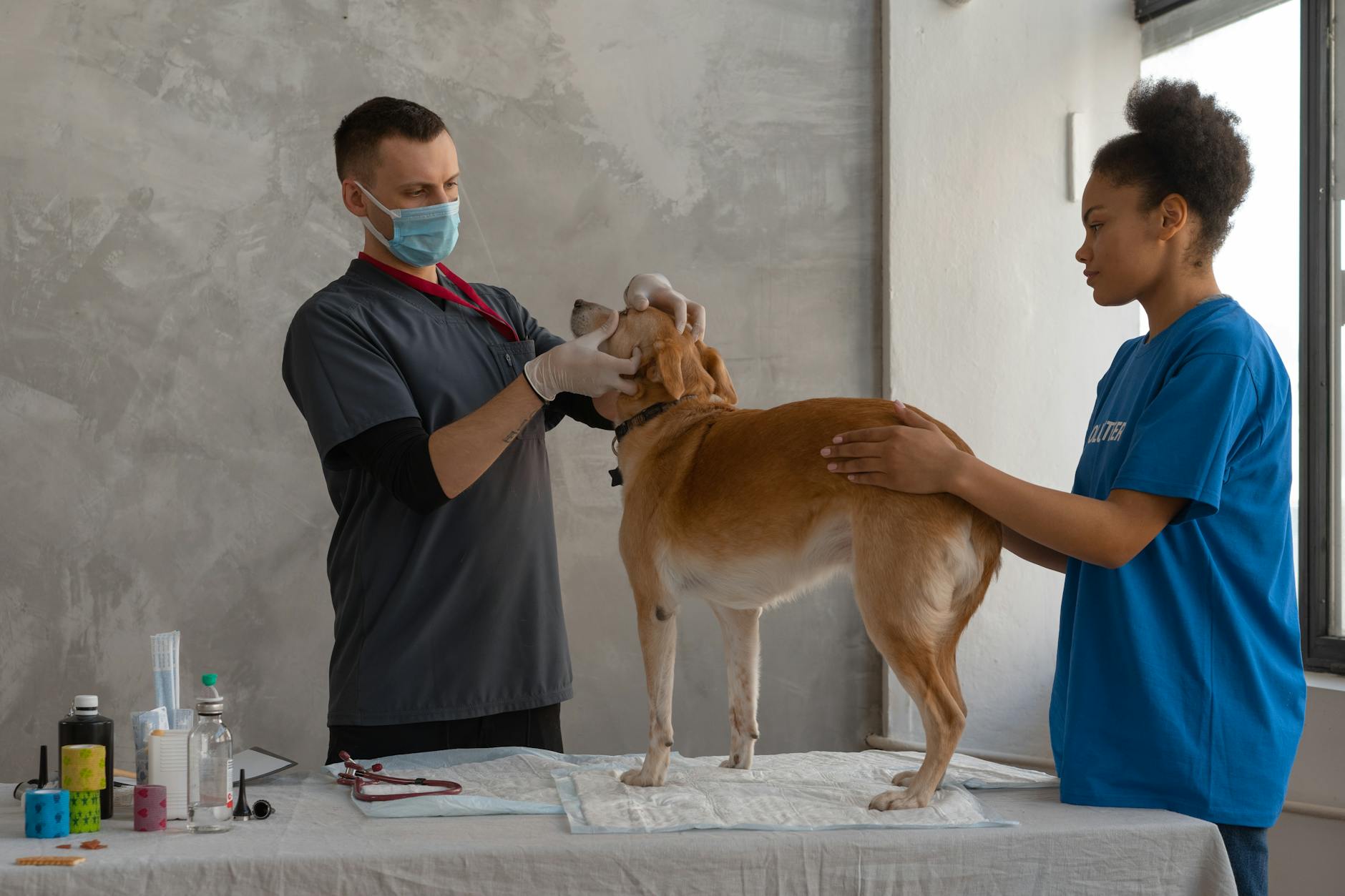
The Plott Hound is a remarkably robust and athletic breed, but they are not entirely free of genetic vulnerabilities. In my veterinary practice, my clinical focus for this breed centers heavily on skeletal health, preventing ear infections, and educating owners on life-threatening emergencies like bloat.
Gastric Dilation-Volvulus (GDV / Bloat)
A life-threatening emergency where the deep chest allows the stomach to fill with gas and twist on its axis, cutting off blood supply.
Hip Dysplasia
A genetic malformation of the hip joint where the ball and socket do not fit smoothly, leading to painful arthritis and mobility issues.
EHEYCIGA Orthopedic Extra Large Dog Bed, 44 in
- ✓Memory foam and egg-crate foam for joint support
- ✓3-sided bolsters for head and neck
- ✓Waterproof liner; washable cover
- Supportive foam cushions hips and joints, ideal for large, senior or dysplasia-prone dogs
Otitis Externa (Ear Infections)
Their floppy, drop ears trap moisture, yeast, and debris, making them highly prone to painful bacterial or fungal infections.
Hypothyroidism
An underactive thyroid gland that slows the dog’s metabolism, affecting skin, weight, and energy levels.
How long do Plott Hounds typically live?
With proper veterinary care, high-quality nutrition, and adequate exercise, Plott Hounds typically enjoy a lifespan of 12 to 14 years, which is quite impressive for a large breed.
What to Feed a Plott Hound
Due to their high athletic output, Plott Hounds require calorie-dense nutrition that supports active muscle recovery and joint health. In my practice, I emphasize tailoring their caloric intake strictly to their actual daily activity level to avoid unnecessary joint stress from weight gain.
Best Diet
I recommend a high-quality, large-breed adult formula rich in animal proteins, with added glucosamine and chondroitin for joint support. For highly active hunting or running companions, a performance-tier diet may be necessary; consult your veterinarian to customize this.
How to Feed
To minimize the risk of bloat, always divide their daily food allowance into two or three smaller meals rather than one large feeding. Never use a raised feeder unless specifically advised by your vet, and strictly enforce a rest period of one hour before and after meals.
How Much to Feed
Active adults typically require 2.5 to 3.5 cups of dry kibble daily, but this varies dramatically based on metabolism, age, and activity. I highly recommend working with your vet to calculate their exact caloric needs using a body condition score (BCS) assessment.
Nutritional Tips
Incorporate wild-caught omega-3 fish oil supplements to support their skin barrier and joint health. Always ensure they have access to fresh, clean water, but monitor large gulps after heavy exercise to help prevent gastric distress.
Plott Hound Grooming Guide
Grooming a Plott Hound is straightforward and low-maintenance, which is one of the many perks of the breed. However, because they are active outdoors, they require thorough post-adventure checks for ticks, burrs, and minor injuries.
Coat Care
Brush their short, single coat once a week with a rubber grooming mitt or medium bristle brush to remove dead hair and distribute natural skin oils. They only need a bath every 4 to 8 weeks unless they have rolled in something foul.
Skin Care
Monitor their skin for signs of hot spots, scratches, or allergies, particularly after they have been running through thick brush or swimming.
Eye Care
Check their eyes weekly for redness or discharge, especially after outdoor tracking where dust or seeds might irritate the conjunctiva.
Ear Care
Clean their floppy ears weekly using a veterinarian-approved ear cleaner and a cotton ball to prevent moisture buildup and infections.
Nail & Dental Care
Trim their nails every 3 to 4 weeks using a heavy-duty grinder or clipper, and brush their teeth at least three times a week with dog-safe toothpaste.
Considerations for Pet Parents
Pros
- Extremely loyal and protective family companion
- Rugged, hardy breed with minimal grooming needs
- Excellent endurance and partner for outdoor adventures
- Highly intelligent with natural tracking abilities
- Generally healthy and long-lived for their size
Cons
- High prey drive makes them unsafe for small animals
- Require extensive, vigorous daily physical exercise
- Can be highly vocal with a loud, ringing baying bark
- Stubborn and independent streak makes training a challenge
- Not suited for apartments or close suburban living
Best For
Active outdoor enthusiasts, hikers, or hunters with acreage and a secure fence, who can commit to intensive daily exercise and have experience managing independent hound breeds.
Not Recommended For
Sedentary owners, apartment dwellers, or first-time dog parents who cannot accommodate extreme physical demands or handle a strong-willed, vocal hunting dog.
Cost
- purchase price$600 to $1,200
- monthly cost$120 to $200
- initial setupBudget approximately $800 to $1,500 initially for a microchip, spay/neuter surgery, vaccinations, crate, heavy-duty leash, and a secure 6-foot fence.
-
Blue Buffalo Bits Chicken Training TreatsSmall, soft treats are quick to eat, so you can reward the right moment and keep training sessions moving
-
Outward Hound Nina Ottosson Dog Brick Puzzle ToyBurns mental energy in clever, easily bored dogs
-
earthbath Oatmeal & Aloe Dog ShampooSoothes itchy, dry skin while cleaning the coat
Similar Breeds
Bluetick Coonhound

Redbone Coonhound
Related Dog Guides
Plott Hound FAQs
Are Plott Hounds aggressive?
They are not inherently aggressive toward humans, but they are incredibly brave and protective. They can be aloof with strangers and have a strong defensive drive if they perceive a threat to their family.
What is a ‘baying’ bark?
Baying is a deep, loud, melodious howl-like bark typical of scenthounds. Plott Hounds use it to communicate their location over long distances when tracking, which can easily disturb close neighbors.
Do Plott Hounds smell like hounds?
Yes, they can develop a distinct ‘hound musty odor’ due to natural oils on their skin. Weekly brushing and regular ear cleaning help manage this scent, though it is a natural trait of the breed.
Are Plott Hounds hypoallergenic?
No, Plott Hounds are not hypoallergenic. They have a short coat that sheds moderately, and they produce dander and saliva which can trigger allergies in sensitive individuals.
Can a Plott Hound live in a hot climate?
Yes, their short, single coat allows them to tolerate warm weather quite well, but they must always have access to shade, clean water, and air conditioning during extreme heat waves.
How do they handle cold weather?
Because they have a short, single coat, they can get cold in sub-freezing temperatures. If you hike with them in the winter, I recommend a fleece or windproof dog coat for safety.
Are Plott Hounds easy to housebreak?
Like most hounds, they can take a bit longer to housebreak due to their independent nature. Consistent scheduling, crate training, and immediate positive rewards outside are crucial for success.
Do Plott Hounds like water?
Many Plott Hounds enjoy swimming, especially if introduced to it safely during puppyhood. However, individual preferences vary, and they should never be forced into deep water.
Why is the Plott Hound the North Carolina State Dog?
The breed was officially designated as North Carolina’s state dog in 1989 because it is the only breed native to the state, developed there by the Plott family starting in the late 1700s.
Can they be left off-leash in open areas?
In my professional opinion, absolutely not. Their scenthound instincts are so powerful that if they catch a scent, they will run miles tracking it, ignoring all recall commands.
Are they prone to separation anxiety?
Yes, because they are deeply pack-oriented, they can develop separation anxiety if left alone for long hours without mental stimulation, which often results in destructive chewing and loud baying.
What is the ‘Plott Hound drool’ factor?
While they do not drool as excessively as Mastiffs or Bloodhounds, their loose flews (lips) mean they will drool after drinking water, when excited, or when smelling delicious food.
How can I prevent my Plott Hound from digging?
Digging is often a sign of boredom or a desire to follow an underground scent. Provide plenty of physical exercise, puzzle toys, and perhaps a designated digging sandbox to manage this behavior.
What age does a Plott Hound fully mature?
They typically reach their full physical height by 12 months, but they will continue to fill out physically and mature mentally until they are 2 to 3 years old.
Sources & Further Reading
- American Kennel Club (AKC)
- Merck Veterinary Manual
- American Veterinary Medical Association (AVMA)
- PetMD