
Great Pyrenees Breed Guide
Quick Summary
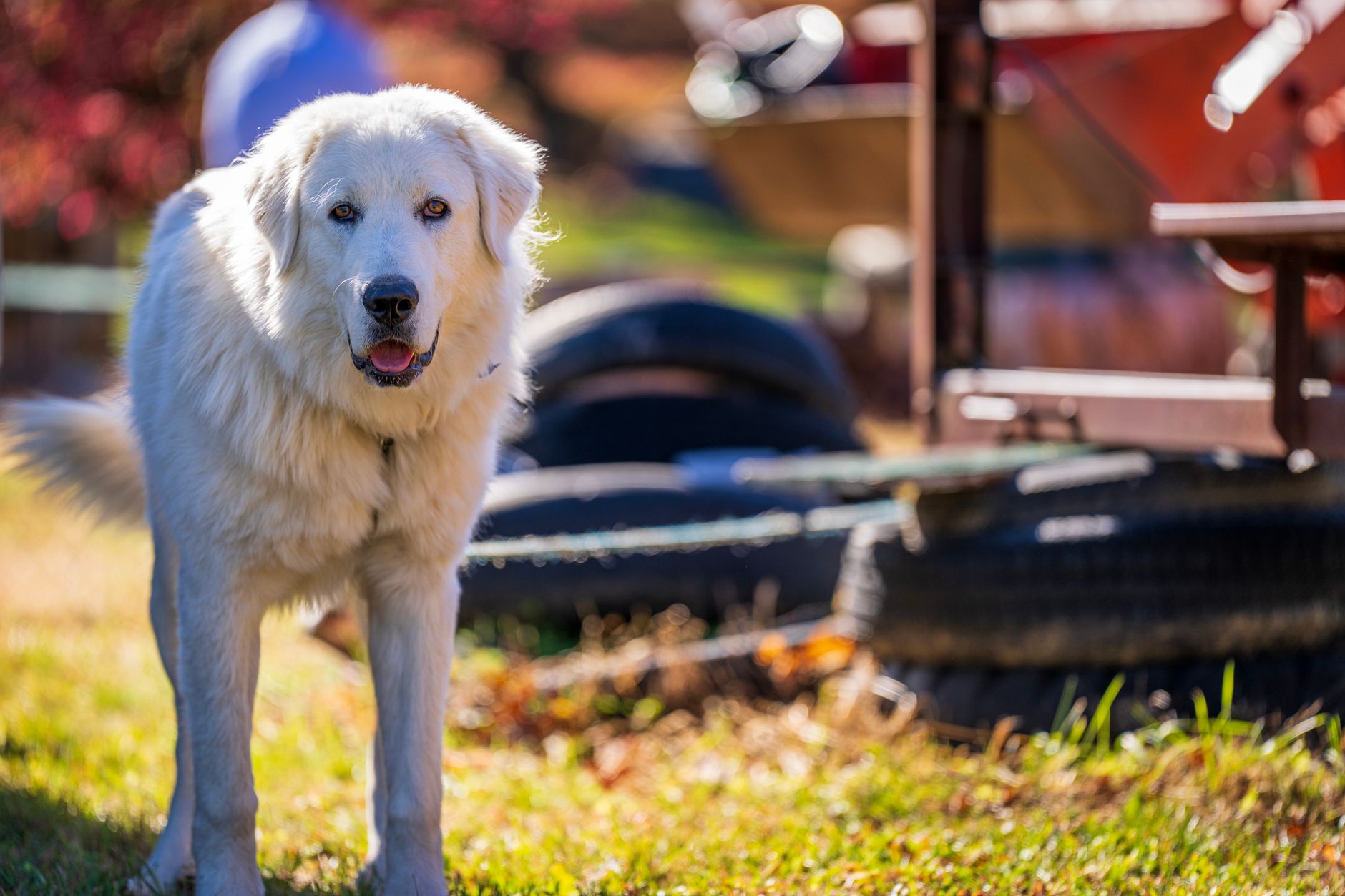
In my years treating this magnificent breed, I have found the Great Pyrenees to be a dog of unmatched dignity, possessing a calm, protective spirit that makes them outstanding guardians. They are best suited for rural or suburban homes with secure, expansive yards and owners who can respect and manage their deeply ingrained independence and instinct to vocalize at night.
As an Amazon Associate, we earn from qualifying purchases.
Popular with Great Pyrenees owners: Undercoat Rake · Orthopedic Dog Bed · Hip & Joint Supplement
Quick Facts
- origin countryFrance
- breed groupWorking Group
- sizeGiant
- weight range85 to 140+ pounds
- height range25 to 32 inches at the shoulder
- lifespan10 to 12 years
- coat typeThick, weather-resistant double coat
- common colorsWhite, white with gray, badger, reddish-brown, or tan markings
- other namesPyrenean Mountain Dog, Patou
- recognized byAKC, UKC, FCI
Caring for a Great Pyrenees
Living with a Great Pyrenees is an exercise in accommodating a dog that was bred to work independently of human command. In my clinic, I always warn new owners that these dogs require spacious environments and will actively patrol their property borders. Their daily routine must include structural physical checks, especially of their unique rear double dewclaws, and a clear understanding that they are built for endurance rather than high-speed games. They are relatively low-energy indoors, but they are vigilant 24/7 and require solid fencing to prevent their natural instinct to roam and expand their territory.
Is a Great Pyrenees a good family pet?
Yes, they can be phenomenal family companions because of their legendary patience and protective, gentle nature with children. However, their massive size requires careful monitoring around toddlers, and they must be thoroughly socialized to prevent their protective instincts from turning into over-guarding when guests visit.
Do Great Pyreneess shed a lot?
Yes, they shed continuously throughout the year, but they experience a massive ‘blow’ of their dense undercoat twice a year, typically in spring and fall. During these seasonal blowouts, you will need to brush them daily to manage the sheer volume of dead hair and prevent severe matting.
Is a Great Pyrenees good for first-time owners?
I generally advise against this breed for first-time dog owners. Their combination of immense physical strength, independent decision-making, and strong guarding instincts requires a confident, experienced handler who understands how to manage livestock guardian breeds.
Temperament & Personality

The Great Pyrenees temperament is characterized by a calm, almost detached majesty; they are gentle with their flock and family, yet formidable when they perceive a threat. In my practice, I find them to be quiet observers who prefer to watch their surroundings from a high vantage point. They are not eager-to-please lapdogs, but rather independent thinkers who evaluate commands before deciding whether to follow them. This self-reliance is a direct result of centuries bred to guard sheep alone in the high mountains.
Is a Great Pyrenees good with other pets?
They are naturally designed to protect other animals and generally do very well with livestock and family cats if raised with them. However, they can be highly territorial and dominant toward strange dogs of the same sex, so careful introductions are mandatory.
Augwind 3-Piece Grooming Set: Slicker, Rake & Flea Comb
- ✓Three tools for everyday grooming
- ✓Double-sided rake detangles and thins undercoat
- ✓Self-cleaning slicker brush included
- Long teeth reach deep into thick double coats to pull out dead hair during heavy shedding seasons
How much attention does a Great Pyrenees need?
While they are deeply loyal and enjoy being near their family, they are highly self-sufficient and do not suffer from the same high-strung attention demands as some working breeds. They are content to snooze near your feet or patrol the yard independently for hours.
Training & Behavior
Training a Great Pyrenees is a lesson in patience and mutual respect, as they will ignore repetitive, mindless drills. They respond best to positive reinforcement and clear boundaries, but you must accept that they will never have the instant recall of a Retriever. Early, intensive socialization during the first 16 weeks of life is absolutely critical to teach these natural guardians to distinguish between normal visitors and genuine threats.
Training Tips
- Keep training sessions short, positive, and mentally engaging to prevent boredom.
- Never use harsh, punitive training methods, as this will destroy their trust and cause them to shut down.
- Focus heavily on leash training early on, before they reach their full 100+ pound adult size.
- Socialize them to a wide variety of sights, sounds, and friendly people throughout their entire first year.
- Accept that off-leash reliable recall is highly unlikely; always keep them leashed or in a securely fenced yard.
Fun Activities
- Property patrolling and perimeter walks
- Draft work and cart pulling
- Therapy dog work in calm environments
- Scent work and tracking games
- Winter hiking in snowy conditions
Is a Great Pyrenees easy to train?
No, they are notoriously difficult to train in the traditional obedience sense because they are independent thinkers. They understand your commands perfectly well, but they will evaluate if the command is necessary before complying, requiring calm, consistent leadership from their owner.
Great Pyrenees Health Issues
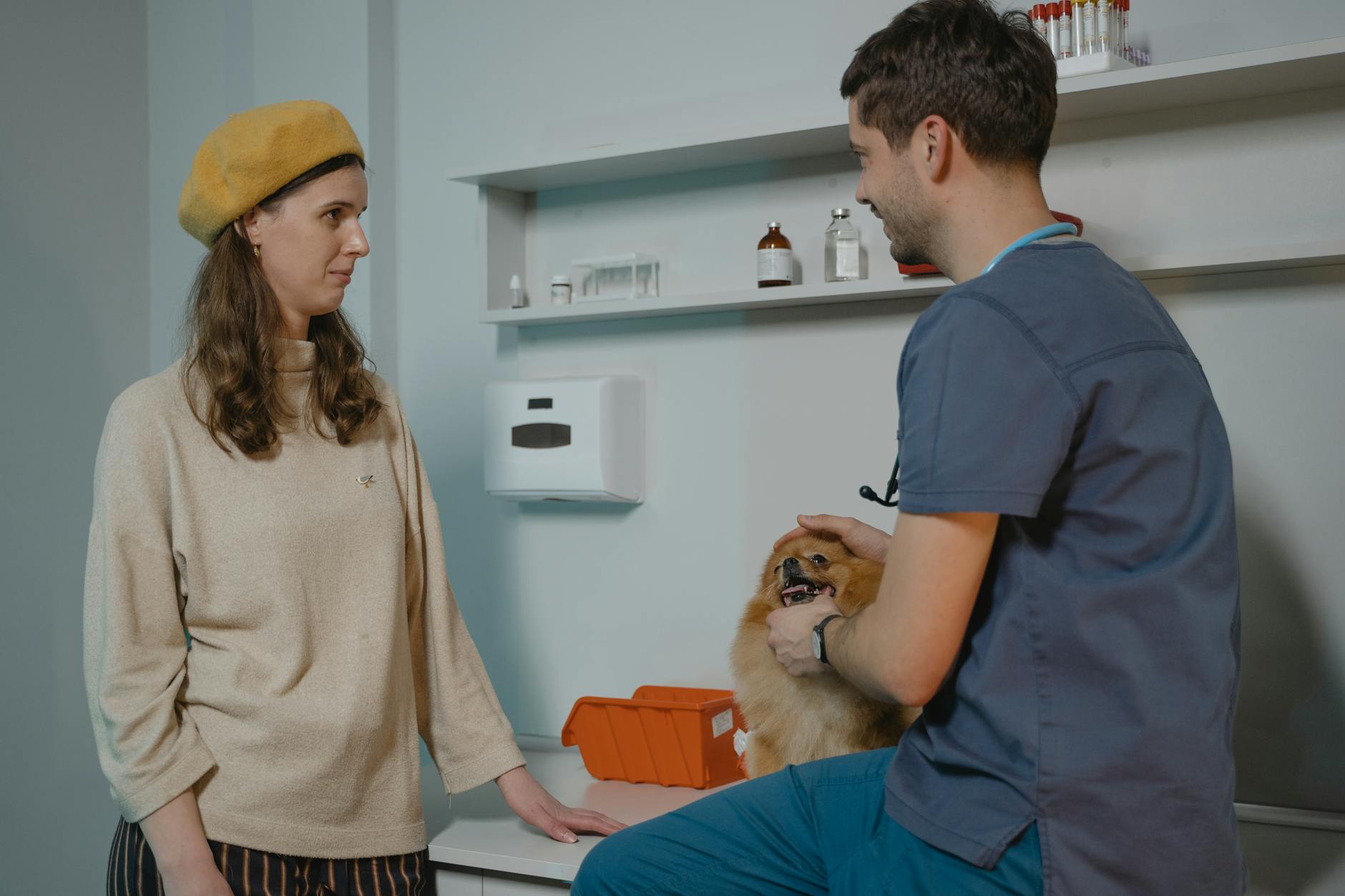
As a veterinarian, I consider the Great Pyrenees to be a relatively robust giant breed, but like all massive dogs, their rapid growth rates and skeletal structures make them vulnerable to specific orthopedic and genetic conditions. Protecting their joints during their first two years of development is critical to ensuring a long, pain-free life.
Gastric Dilatation-Volvulus (GDV or Bloat)
A life-threatening medical emergency where the deep-chested stomach fills with gas and twists on its axis, cutting off blood supply.
Hip and Elbow Dysplasia
Genetic malformations of the hip or elbow joints where the bones do not fit together smoothly, leading to progressive osteoarthritis and painful mobility issues.
Bedsure Orthopedic Dog Bed, Egg-Crate Foam
- ✓Egg-crate orthopedic foam spreads body weight
- ✓Removable, machine-washable cover
- ✓Supports dogs up to 65 lbs
- Cushions hips and joints in large, senior or dysplasia-prone dogs
- Easy to keep clean
Osteosarcoma (Bone Cancer)
An aggressive, painful form of malignant bone cancer that unfortunately has a higher incidence in giant breeds, typically affecting the limbs.
Subaortic Stenosis (SAS)
A congenital heart defect where a narrowing of the area just below the aortic valve forces the heart to work significantly harder to pump blood.
Entropion and Ectropion
Eyelid abnormalities where the eyelid either rolls inward, causing the eyelashes to rub against the cornea (entropion), or sags outward, exposing the sensitive lining (ectropion).
How long do Great Pyreneess typically live?
They have an average lifespan of 10 to 12 years, which is quite respectable for a giant breed. Keeping them at a lean, healthy weight and monitoring joint health can significantly improve their quality of life as they age.
What to Feed a Great Pyrenees
Feeding a giant breed like the Great Pyrenees requires a careful balance to prevent rapid, unhealthy growth spurts during puppyhood, which can cause severe skeletal deformities. In my clinic, I strictly monitor their body condition score, as carrying excess weight is devastating to their large joints.
Best Diet
They must be fed a high-quality, large-breed or giant-breed specific formula, particularly during their long puppyhood (up to 18-24 months), to regulate their calcium and phosphorus intake and prevent rapid growth.
How to Feed
I highly recommend dividing their daily food ration into two or three smaller meals rather than one large feeding to reduce the risk of bloat. Avoid strenuous exercise or running for at least one hour before and after meals.
How Much to Feed
Adult Great Pyrenees typically require between 4 to 6 cups of high-quality dry food per day, but this varies wildly based on age, activity level, and metabolism; you must consult your veterinarian to establish a precise caloric target.
Nutritional Tips
Incorporating joint supplements like glucosamine, chondroitin, and omega-3 fatty acids early in life can provide crucial support for their cartilage, but always consult your vet before adding supplements to a balanced commercial diet.
Great Pyrenees Grooming Guide
Despite their massive, snow-white coats, the Great Pyrenees is surprisingly easy to keep clean because their coat is naturally dirt-and-water-resistant. However, ignoring their grooming needs can quickly lead to painful hotspots and severe matting, especially behind the ears and in the feathering of the legs.
Coat Care
Line-brushing with a long-toothed undercoat rake and a slicker brush at least twice a week is necessary to remove dead undercoat. During their semi-annual coat blow, daily brushing is required to manage the massive shedding.
Skin Care
Because of their thick double coats, they are prone to hot spots (acute moist dermatitis) if they get wet and fail to dry completely; always ensure they are thoroughly dried to the skin after bathing or swimming.
Eye Care
Inspect their eyes weekly for signs of irritation or excessive tearing, which can be early indicators of eyelid abnormalities like entropion.
Ear Care
Their heavy, drop ears trap moisture and debris easily, making them susceptible to yeast and bacterial infections; clean them bi-weekly with a veterinarian-approved ear cleanser.
Nail & Dental Care
They possess unique rear double dewclaws that do not touch the ground and must be trimmed regularly, or they will curve back and grow into the skin. Brush their teeth at least three times a week.
Considerations for Pet Parents
Pros
- Incredibly loyal, patient, and gentle protectors of children and family members.
- Calm, quiet, and well-behaved house manners when mature.
- Excellent natural watchdogs that require no protection training.
- Weather-resistant coat that naturally repels dirt and mud.
- Low to moderate exercise needs compared to other working giant breeds.
Cons
- Prone to frequent, loud barking, especially at night, as part of their guardian instinct.
- Highly independent nature makes them difficult to train in traditional obedience.
- Massive seasonal shedding that can easily overwhelm a household.
- Strong instinct to wander and expand territory, requiring secure, high fencing.
Best For
A Great Pyrenees thrives best with an experienced dog owner living on a rural property, farm, or suburban home with a very large, securely fenced yard, who understands and respects the independent nature of livestock guardians.
Not Recommended For
They are highly unsuitable for apartment living, close-quartered urban areas where their loud barking will cause neighbor complaints, or busy owners who cannot commit to heavy grooming and early, intensive socialization.
Cost
- purchase price$1,500 to $2,500
- monthly cost$180 to $250
- initial setupInitial setup costs typically range from $1,200 to $2,000 to cover giant-breed accessories (crates, beds, heavy-duty grooming tools) and essential veterinary care like gastropexy or early screening.
-
PetNC Natural Care Hip & Joint Soft ChewsGlucosamine and chondroitin chews support cartilage and mobility, especially in large, senior and dysplasia-prone dogs
-
Zuke’s Mini Naturals Training Treats, Peanut Butter & OatsSmall, soft treats are quick to eat, so you can reward the right moment and keep training sessions moving
-
Purina Pro Plan Sensitive Skin & Stomach Dog Food, SalmonA complete, balanced diet matched to your dog’s size and age is the foundation of a healthy coat, gut and energy level
Similar Breeds

Kuvasz
Anatolian Shepherd
Related Articles
Great Pyrenees FAQs
Why does my Great Pyrenees bark so much at night?
This is their ancestral genetic programming. They were bred to work overnight when predators are most active, using their loud, booming bark as a primary warning system to deter potential threats. Keeping them indoors overnight can help minimize this behavior.
Why do they have double dewclaws on their back legs?
The rear double dewclaws are a defining, ancient breed standard. They served as physical anchors, helping these massive dogs climb steep, rocky, and snowy mountain terrain in the Pyrenees; they should never be surgically removed unless medically necessary.
Should I shave my Great Pyrenees in the summer to keep them cool?
Absolutely not. Shaving a double-coated dog ruins their natural temperature regulation system, deprives them of insulation against both heat and cold, and exposes their pale skin to severe sunburn and heatstroke.
How high of a fence do I need for a Great Pyrenees?
You need a physical fence that is at least 5 to 6 feet tall. Underground electronic fences are highly ineffective for this breed, as their high pain tolerance and powerful protective drive will easily cause them to blow through the boundary if they perceive a threat.
Are they prone to drooling?
While they do not drool as heavily as some other giant mastiff breeds, they do have loose jowls and will certainly drool after drinking water, when they are hot, or when they are anticipating food.
How do they handle cold weather?
They absolutely thrive in cold weather. Their thick, insulating double coat is designed to withstand freezing mountain temperatures, and they will often prefer to sleep outside in the snow rather than stay inside a warm house.
What is the ‘Pyr Paw’?
The ‘Pyr Paw’ is a famous breed-specific behavior where they raise a massive front paw to swat at you or place it on your arm. It is their unique way of communicating, demanding attention, showing affection, or asking you to continue petting them.
How long does it take for them to reach full physical maturity?
As a giant breed, they mature very slowly. While they may reach their adult height by 12 to 18 months, they will continue to fill out, gain muscle mass, and develop their full coat until they are about 2 to 3 years old.
Can they be trusted off-leash in public areas?
In my professional opinion, no. Their instinct to roam, explore, and patrol is far stronger than any training command, and their high pain tolerance means they are rarely deterred by normal recall incentives once they spot something interesting.
Are they prone to weight gain?
Yes, especially if they are altered (spayed/neutered) or lead a sedentary life. Because they have a slow metabolism for their size, owners must closely monitor their caloric intake to avoid placing excess stress on their skeletal frames.
Is it safe to raise a Great Pyrenees puppy with small children?
Yes, they are famously gentle ‘nanny dogs.’ However, puppies can be clumsy and very large, meaning they can accidentally knock over small children, so all interactions must be closely supervised by an adult.
Are they prone to separation anxiety?
They are generally far less prone to separation anxiety than many other breeds because of their independent, self-reliant nature. They are usually content to watch over the house while you are away, provided they have been properly exercised.
Do they make good therapy dogs?
They can make exceptional therapy dogs because of their calm, steady demeanor and soft, inviting coats. However, they must be exceptionally well-socialized from puppyhood and comfortable with loud noises and medical equipment.