
Dogo Argentino Breed Guide
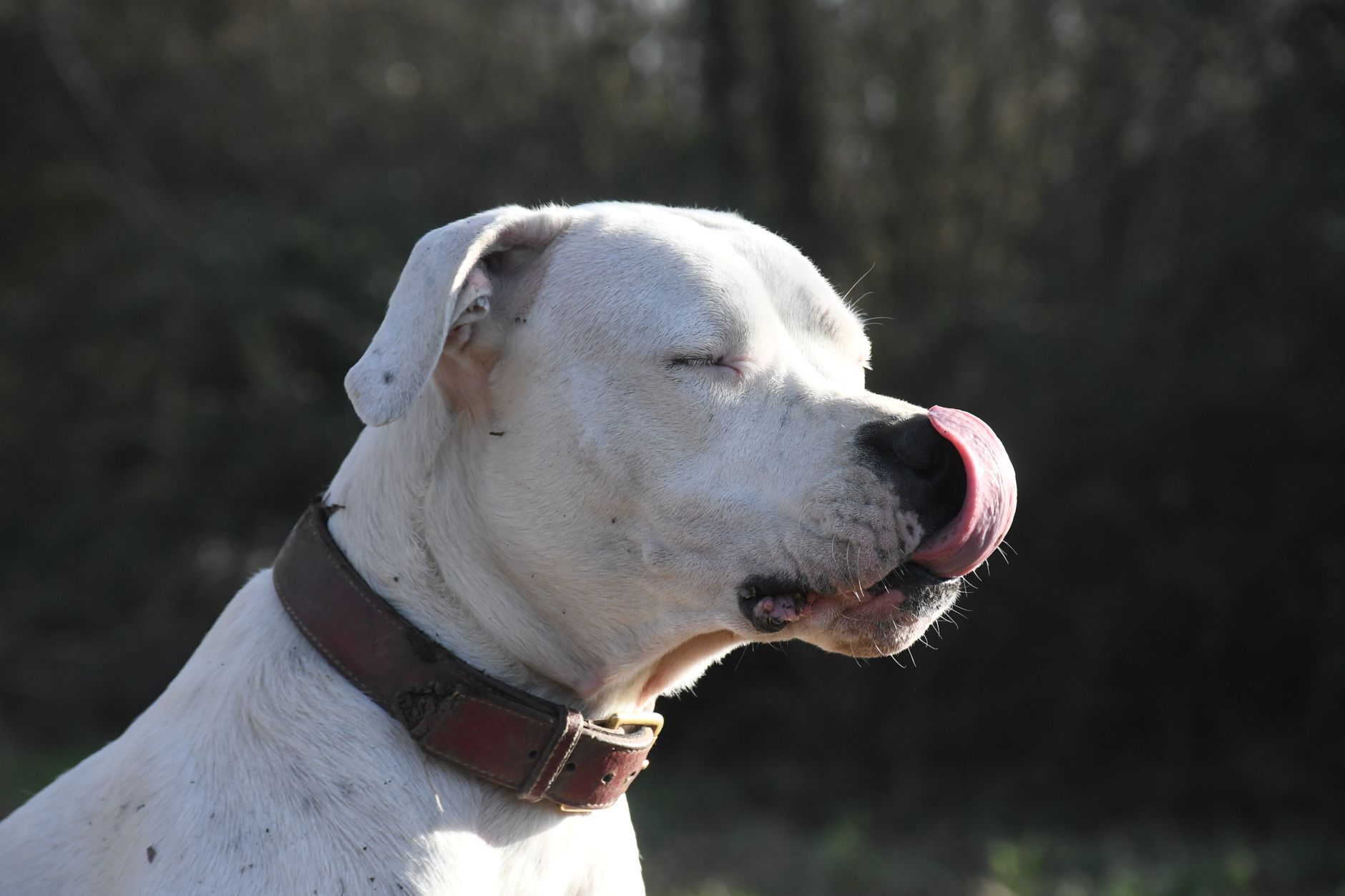
Quick Summary
The Dogo Argentino is a magnificent, athletic guardian breed requiring experienced ownership, early socialization, and structured training. In my clinical experience, they are intensely loyal and protective companions who thrive in active households that can physically and mentally challenge their working-dog instincts.
As an Amazon Associate, we earn from qualifying purchases.
Popular with Dogo Argentino owners: Omega-3 Fish Oil · Orthopedic Dog Bed · Dog Food
Quick Facts
- origin countryArgentina
- breed groupWorking (AKC)
- sizeLarge
- weight range80 to 100 pounds
- height range24 to 27 inches
- lifespan9 to 12 years
- coat typeShort, smooth, and flat
- common colorsPure white (a single dark patch near the eye is acceptable but discouraged)
- other namesArgentine Mastiff, Dogo
- recognized byAKC, UKC, FCI
Caring for a Dogo Argentino
Living with a Dogo Argentino is a full-time commitment to structured leadership and physical engagement. In my practice, I find that these dogs excel when they have a daily ‘job’ to do, combined with at least 60 to 90 minutes of vigorous exercise. Because of their sheer strength and high prey drive, standard containment is rarely enough; a secure, six-foot fence is an absolute necessity. Daily life must include regular mental enrichment to prevent frustration-based behaviors.
Is a Dogo Argentino a good family pet?
Yes, but with caveats. When properly socialized and raised within a family, they are incredibly affectionate and protective of their inner circle. However, due to their immense size and strength, I do not recommend them for families with toddlers or very young children unless closely supervised by experienced adults.
Do Dogo Argentinos shed a lot?
They are moderate shedders who lose hair year-round, with a heavier blow twice a year during seasonal transitions. Because their white hairs are short and stiff, they tend to weave themselves into carpets and upholstery, requiring regular vacuuming.
Is a Dogo Argentino good for first-time owners?
Absolutely not. This is a highly dominant, strong-willed working breed that will easily take advantage of an inconsistent or passive owner. In my years of practice, I have seen many behavioral issues arise when novice owners underestimate the leadership, physical strength, and intense socialization these dogs require.
Temperament & Personality
The Dogo Argentino is a complex blend of fierce guardian and sensitive companion. They are naturally quiet, observant, and highly protective of their home territory, rarely barking unless there is a genuine threat. I often tell my clients that while they are gladiators outdoors, they are surprisingly affectionate velcro-dogs indoors, craving close physical contact with their family.
Is a Dogo Argentino good with other pets?
Generally, no. As a breed developed for big-game hunting, they possess an exceptionally high prey drive and are prone to dog-on-dog aggression, particularly with same-sex dogs. While some can coexist with other animals if raised alongside them from early puppyhood, I always advise caution and close supervision.
Native Pet Omega-3 Fish Oil for Dogs
- ✓Wild Alaskan salmon and pollock oil
- ✓Leak-proof locking pump
- ✓Supports soft coats and comfortable skin
- Omega-3 fatty acids support skin, coat and joints from the inside out
How much attention does a Dogo Argentino need?
They require a significant amount of daily interaction. Despite their rugged exterior, they are emotionally sensitive and deeply bonded to their owners, meaning they do not tolerate being left alone in a backyard or isolated from the family for long periods without developing anxiety or destructive habits.
Training & Behavior
Training a Dogo Argentino is about establishing mutual respect through fair, consistent, and positive leadership. They are highly intelligent but possess an independent streak, meaning they will ignore commands if they do not perceive their handler as a confident leader. I cannot stress enough that harsh correction will backfire, leading to resentment or defensive aggression.
Training Tips
- Begin socialization at 8 weeks of age, exposing them to 100+ unique sights, sounds, and people.
- Use positive reinforcement paired with high-value rewards, never physical punishment.
- Incorporate impulse-control exercises like ‘leave it’ and ‘stay’ into every daily routine.
- Maintain strict boundaries; never allow a puppy to perform behaviors you won’t tolerate from a 100-pound adult.
- Seek professional, force-free training guidance early in the dog’s development.
Fun Activities
- Nosework and scent tracking
- Weight pulling and urban mushing
- Advanced obedience trials
- Agility courses
- Dock diving
Is a Dogo Argentino easy to train?
They are highly intelligent and capable of learning complex tasks quickly, but they are not ‘easy’ for an amateur. Their independent nature and physical strength require a handler who knows how to motivate them without using force, ensuring they remain engaged and cooperative.
Dogo Argentino Health Issues

While physically robust and muscular, the Dogo Argentino is genetically predisposed to several specific hereditary conditions. As a vet, I emphasize the importance of sourcing puppies from breeders who perform comprehensive health clearances, particularly BAER testing for deafness, as well as hip and elbow evaluations.
Congenital Sensorineural Deafness
Linked to the extreme piebald gene responsible for their white coat, this pigment-associated deafness can affect one (unilateral) or both (bilateral) ears. I highly recommend that all puppies undergo Brainstem Auditory Evoked Response (BAER) testing at 7 to 8 weeks of age.
Hip Dysplasia
An inherited skeletal condition where the ball and socket of the hip joint do not fit together properly, leading to progressive, painful joint laxity and osteoarthritis. I recommend PennHIP or OFA hip evaluations before breeding.
BFPETHOME Orthopedic Washable Large Dog Bed
- ✓High-density egg-crate foam for senior dogs
- ✓U-shaped bolster for head support
- ✓Waterproof inner layer; removable cover
- Supportive foam cushions hips and joints, ideal for large, senior or dysplasia-prone dogs
Gastric Dilatation-Volvulus (GDV / Bloat)
A life-threatening medical emergency common in deep-chested breeds where the stomach fills with gas and twists on its axis, cutting off blood supply. Immediate surgical intervention is required to save the dog’s life.
Atopic Dermatitis & Skin Allergies
Due to their pure white coats and sensitive skin, Dogos are highly susceptible to environmental allergies, food sensitivities, and solar dermatitis (sunburn). Proper skin barriers and allergen management are critical clinical considerations.
Hypothyroidism
An endocrine disorder where the thyroid gland does not produce enough thyroid hormone, slowing down the dog’s metabolism. This is easily diagnosed via a blood panel and managed with daily oral medication.
How long do Dogo Argentinos typically live?
With excellent care, a balanced diet, and regular veterinary checkups, a Dogo Argentino typically lives between 9 and 12 years. Regular screenings for cardiac and orthopedic health can help ensure their senior years are active and pain-free.
What to Feed a Dogo Argentino
To fuel their dense musculature, Dogo Argentinos require a high-quality, nutrient-dense diet. Nutrition for this breed must be carefully monitored, particularly during their rapid growth phase as puppies, to prevent developmental orthopedic diseases.
Best Diet
I recommend a high-quality, large-breed-specific kibble or formulation that features a designated protein source as the first ingredient. Ensure the calcium-to-phosphorus ratio is tightly controlled to safeguard skeletal development in growing puppies.
How to Feed
I advise owners to split the daily food portion into two or three smaller meals rather than one large feeding to reduce the risk of GDV (bloat). Avoid exercising or vigorous play for at least one hour before and after meals.
How Much to Feed
Adult Dogos typically require 3 to 5 cups of high-quality food daily, depending on their weight, age, and activity level. Always consult your veterinarian to calculate exact caloric needs based on a body condition score (BCS) assessment.
Nutritional Tips
Supplementing with high-quality omega-3 fatty acids (like fish oil) is highly beneficial in my practice to support their sensitive skin barrier and joint health. Keep them lean; excess weight puts dangerous stress on their developing joints.
Dogo Argentino Grooming Guide
The Dogo Argentino has minimal grooming requirements when it comes to their coat, but their skin, ears, and nails require diligent, routine maintenance. Establishing a grooming routine in puppyhood is vital so they are cooperative as powerful adults.
Coat Care
Brush the coat weekly with a rubber grooming mitt or curry brush to remove loose, dead hairs and distribute natural skin oils. They only need baths every 6 to 8 weeks unless they have rolled in something foul.
Skin Care
Because of their white pigment, they are prone to sunburn and skin cancer. Apply pet-safe sunscreen to the nose, ears, and belly during prolonged sun exposure.
Eye Care
Wipe the corners of the eyes daily with a damp cloth to prevent tear staining on their white fur, and monitor for any signs of conjunctivitis.
Ear Care
Clean their ears bi-weekly with a vet-approved, drying ear cleanser to prevent yeast and bacterial infections, particularly if they enjoy swimming.
Nail & Dental Care
Trim nails every 3 to 4 weeks using a heavy-duty grinder or clippers, and brush their teeth daily with dog-safe enzymatic toothpaste to prevent periodontal disease.
Considerations for Pet Parents
Pros
- Fiercely loyal and protective family guardian
- Naturally quiet, clean, and rarely barks without cause
- Low-maintenance coat that is easy to groom
- Highly athletic and makes an excellent hiking or running partner
- Very affectionate and closely bonded to its human family
- Highly intelligent and capable of advanced working roles
Cons
- Prone to dog-on-dog and same-sex aggression
- Extremely high prey drive makes them unsafe around small pets
- Subject to breed-specific legislation (BSL) and housing bans
- Possesses high potential for genetic deafness
- Requires intensive, lifelong socialization and firm leadership
Best For
Experienced, physically active owners who understand dominant working breeds, have a large, securely fenced yard, and can commit to lifetime socialization and training.
Not Recommended For
First-time dog owners, apartment dwellers, busy families with very young children, or households with cats, pocket pets, or multiple male dogs.
Cost
- purchase price$1,500 to $4,000
- monthly cost$150 to $300
- initial setupInitial setup can easily cost $1,000 to $2,000, including heavy-duty crates, professional obedience training, high-volume feeding supplies, and preventative veterinary care like BAER tests and spay/neuter surgeries.
-
Purina Pro Plan Sensitive Skin & Stomach Dog Food, SalmonA complete, balanced diet matched to your dog’s size and age is the foundation of a healthy coat, gut and energy level
-
Zuke’s Mini Naturals Dog Training Treats, ChickenQuick to eat, so training sessions keep moving
-
DR CATCH Dog Puzzle Feeder ToyFood puzzles turn mealtime into a brain game, burning mental energy in clever, easily bored pets
Similar Breeds
Cane Corso

Presa Canario
Related Dog Guides
Dogo Argentino FAQs
Are Dogo Argentinos banned in certain areas?
Yes. Due to their history as big-game hunters and their powerful build, the Dogo Argentino is restricted or banned under Breed-Specific Legislation (BSL) in several countries, including the UK, Australia, and New Zealand, as well as in various local municipalities and housing complexes in the US.
Are Dogo Argentinos born deaf?
Yes, congenital sensorineural deafness is a known issue in this breed due to the genetic link between white coats and hearing development. About 10% of Dogos are affected to some degree, with some being unilaterally deaf (deaf in one ear) and others bilaterally deaf (completely deaf).
Can a deaf Dogo Argentino be trained?
Absolutely. Unilaterally deaf Dogos lead completely normal lives, while bilaterally deaf Dogos can be successfully trained using hand signals, laser pointers, and vibrating collars. However, raising a deaf Dogo requires an experienced, dedicated handler to prevent startle-reflex biting.
How much exercise does a Dogo Argentino need daily?
A healthy adult Dogo Argentino needs a minimum of 60 to 90 minutes of vigorous daily exercise. This should include brisk walks, jogging, hiking, or intense interactive play sessions combined with mental enrichment to keep them from becoming bored and destructive.
Do Dogo Argentinos drool a lot?
While they are mastiff-type dogs, they have tight flews (lips) compared to other mastiffs, meaning they drool significantly less. However, expect some slobber after eating, drinking water, or during intense physical exercise in hot weather.
Can a Dogo Argentino live in an apartment?
It is highly discouraged. Because of their large size, protective instincts, high energy levels, and need for a secure outdoor space to run, they do not transition well to small spaces or dense apartment complexes with shared hallways.
Are Dogo Argentinos aggressive to humans?
By nature, they are aloof and suspicious of strangers but should never be randomly aggressive. However, without intense early socialization and confident leadership, their natural guarding instincts can develop into dangerous territorial or protective aggression.
Do they tolerate hot or cold weather better?
Their short, single white coat makes them highly heat-tolerant compared to double-coated breeds, though they can easily get sunburned. Conversely, they tolerate cold weather poorly and should not be kept as outdoor dogs in freezing climates.
What is the prey drive of a Dogo Argentino?
It is exceptionally high. Bred to hunt wild boar and pumas, they are hardwired to chase and capture fleeing animals. This means they are generally unsafe around cats, small dogs, wildlife, or livestock unless meticulously trained and supervised.
How fast do Dogo Argentinos grow?
They grow rapidly, reaching their adult height by 12 to 18 months, but they will continue to fill out and gain muscle mass until they are 2 to 3 years old. It is critical to monitor their growth rate to protect their skeletal health.
Should I get a male or female Dogo Argentino?
Females are typically slightly smaller and can be easier for some experienced owners to manage, though they still possess strong guarding instincts. Males tend to be larger, more dominant, and are more prone to same-sex dog aggression.
How do you protect a Dogo’s skin from the sun?
I advise my clients to limit their Dogo’s sun exposure during peak UV hours (10 AM to 4 PM). For outdoor activities, apply a veterinary-approved, non-toxic, zinc-free sunscreen to their nose, ears, belly, and any areas where the coat is particularly sparse.
Can a Dogo Argentino be left alone during the work day?
No, they do not tolerate prolonged isolation. They are highly family-oriented and thrive on human companionship; leaving them alone for 8 to 10 hours a day can lead to severe separation anxiety, compulsive behaviors, and massive destruction of property.
Sources & Further Reading
- American Kennel Club (AKC)
- Merck Veterinary Manual
- American Veterinary Medical Association (AVMA)
- PetMD